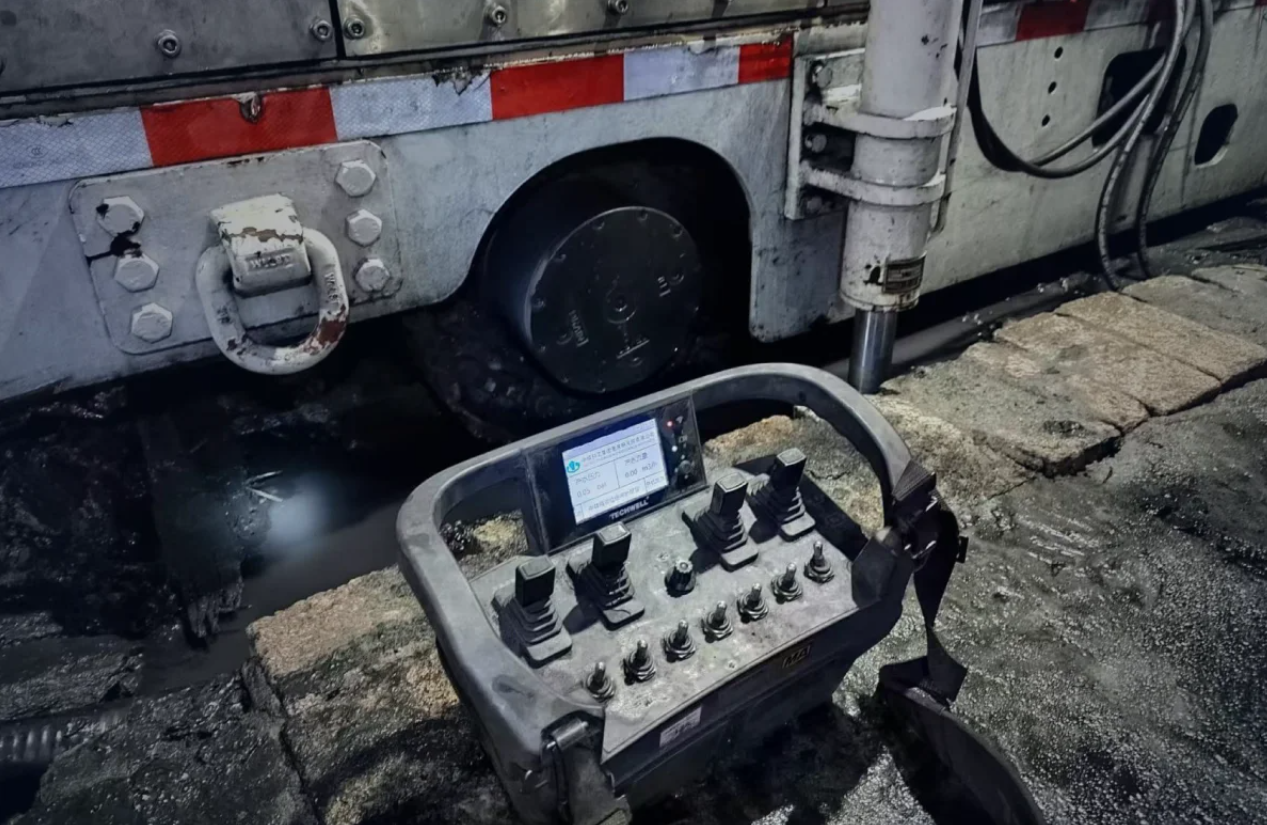
Industrial machines often operate in complex environments where operators need flexible control methods. Radio frequency technology allows machines to receive commands without direct wired connections, helping equipment manufacturers explore different control options for cranes, construction machinery, and other industrial applications.
How Control Commands Become Machine Movements
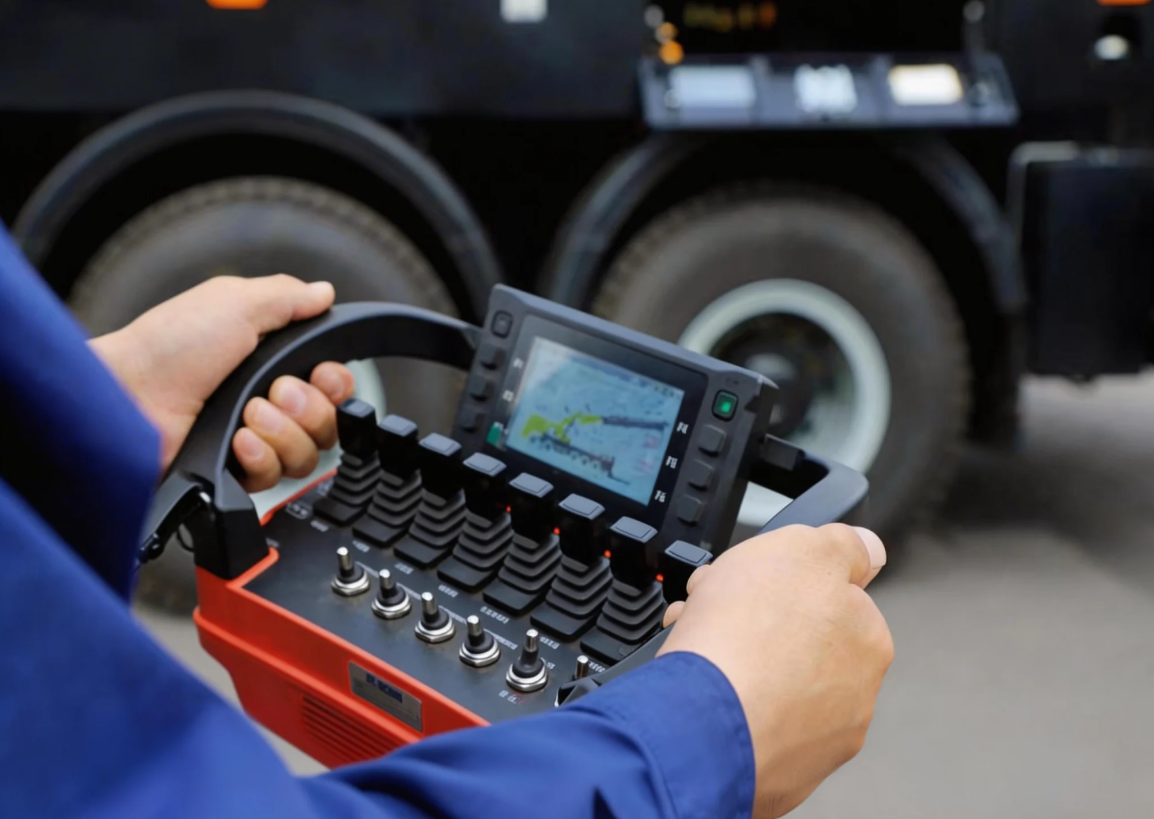
When an operator presses a button or moves a joystick, the transmitter first detects and processes the input. The command is then encoded and transmitted by radio to a compatible receiver. After validating the received command, the receiver sends the corresponding output to the machine control system. The controller must process the command according to its operating logic and permitted movement conditions.
Machine movement does not begin immediately after radio transmission. Total response time may include input sampling, wireless transmission, receiver processing, machine controller execution, and actuator response. For hydraulic equipment, valve response and hydraulic pressure changes introduce additional delays. Motor-driven equipment may also require time for drive response and mechanical movement.
Engineers should evaluate the complete response path rather than attributing every delay to wireless communication. Tests should record the interval between operator input and observable machine response under defined operating conditions. Where possible, separate measurements can identify delays in the radio link, controller, drive, or actuator. Stopping response and mechanical movement after a stop command also require verification.
Why Signal Stability Matters for Machine Applications
Industrial equipment often works in locations with metal structures, moving components, and other sources of interference. A stable communication link helps reduce unnecessary interruptions and supports consistent machine operation during daily tasks.
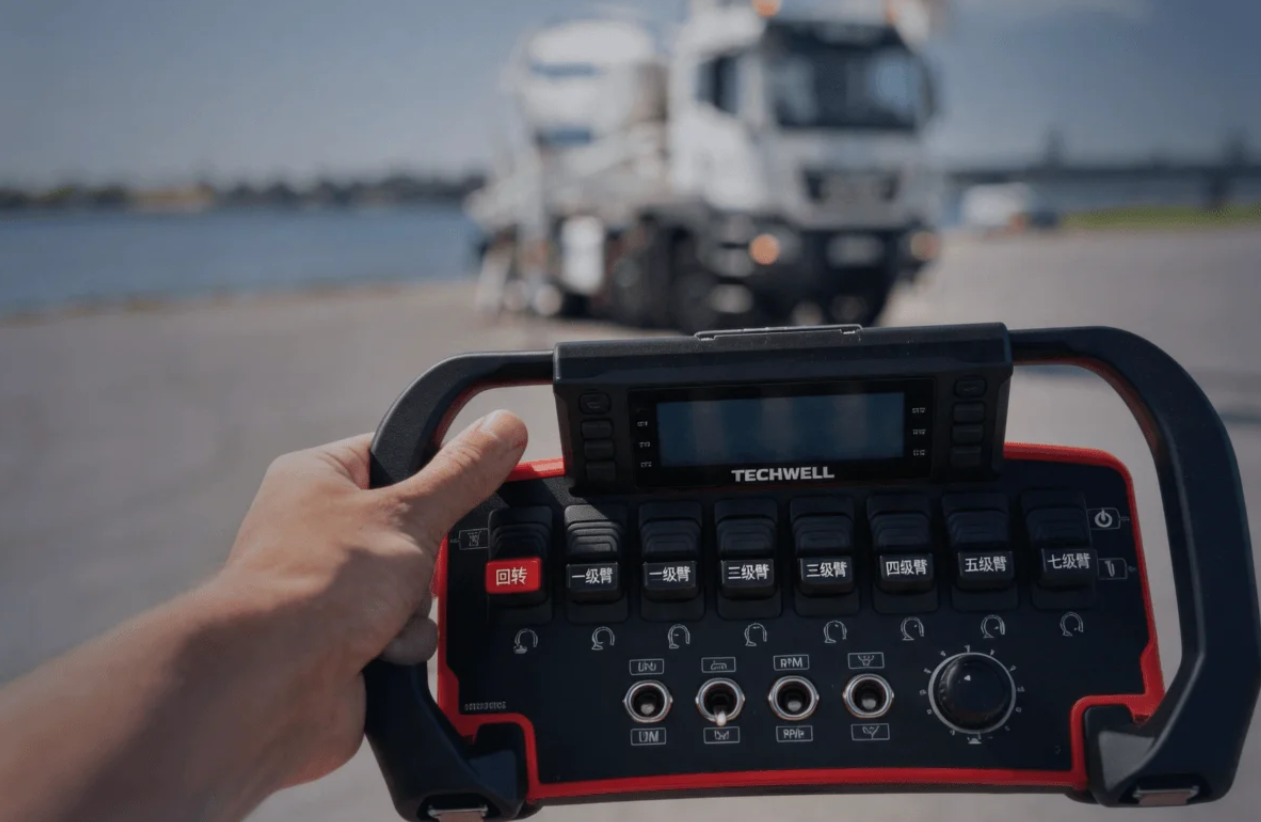
For example, cranes and engineering equipment may require different control layouts because their operation methods are not the same. Understanding these differences allows OEM partners to plan control systems that fit their products more effectively.
Safety Functions in Wireless Remote Operation
Safety is an important consideration when integrating wireless controls into industrial equipment. Emergency stop functions, communication protection, and fault monitoring features are common factors that manufacturers review during system selection.
A suitable remote control system should support safe operation processes and provide clear responses when abnormal conditions occur. These functions help equipment manufacturers evaluate whether the control solution matches their safety requirements.
Our industrial remote control solutions are designed for applications where reliable communication and operational safety are important. Techwell Remote Control works with partners that need customized solutions for different industrial equipment projects.
How RF Commands Work in a Crane Control System
Consider an overhead crane equipped with a compatible wireless transmitter and receiver. When the operator presses the hoist-up button, the transmitter detects the input, encodes the command, and sends it through a radio channel. The receiver validates the received command and activates the assigned output connected to the crane’s control circuit.
The machine controller then checks the required operating conditions, including applicable interlocks and travel limits, before allowing the motor drive to respond. The time between pressing the button and observing movement includes radio transmission, receiver processing, control logic, drive response, and mechanical movement. These stages should be evaluated separately when investigating response delays.
Our Techwell RF remote control systems can be evaluated for this type of integration, subject to the selected transmitter-receiver configuration. Engineers should verify the I/O mapping, command response, stopping behavior, and communication-loss handling on the actual crane. Restoring the radio connection must not trigger unexpected movement.
How Does the Receiver Interface With the Machine?
The receiver connects radio commands to the machine’s existing control system. During integration, engineers must verify the required supply voltage, output signal types, electrical ratings, and wiring connections. Machines using PLCs or industrial communication interfaces may also require confirmation of supported protocols, configuration parameters, and compatible software versions.
Each transmitter command should correspond to a defined receiver output and permitted machine action. The interface documentation must identify command assignments, movement interlocks, and the responsibilities of the existing machine controller. Wireless control does not replace the machine’s required protective functions.
What Happens When Communication Is Interrupted?
Radio communication may be interrupted by interference, physical obstructions, or equipment faults. The machine’s required response should be defined through its risk assessment. Engineers must verify how communication loss is detected, which outputs change state, and how the connected equipment reaches the required stopping condition.
Communication recovery requires equal attention. Restoring the radio link must not automatically restart machine movement. The system should follow its specified reset and restart procedure, with operator commands accepted only when the required operating conditions are satisfied.
Commissioning records should identify the tested communication-loss conditions, machine responses, reset procedures, and results. These requirements must be verified for the selected transmitter, receiver, and machine control configuration.
How Can System Performance Be Verified?
Performance testing should cover the complete control path rather than radio transmission alone. Engineers can measure the time between operator input, receiver output, and observable machine response. Controller processing, drive or valve response, and mechanical movement should be considered when interpreting the results.
Wireless coverage must also be evaluated at actual operating positions. Tests should consider metal obstructions, potential interference sources, and relevant equipment operating conditions. Stopping response, command accuracy, and communication recovery should be checked against documented acceptance criteria.
For technical evaluation, equipment manufacturers can provide electrical drawings, I/O requirements, control functions, and proposed operating conditions to Techwell Remote Control. The final documentation should include approved interface drawings, configuration records, test conditions, measured results, and commissioning reports.