
insight
Industrial operations often involve complex equipment, large working areas, and strict requirements for safety and efficiency. As machinery becomes more integrated, companies need control methods

Industrial operations often involve complex equipment, large working areas, and strict requirements for safety and efficiency. As machinery becomes more integrated, companies need control methods
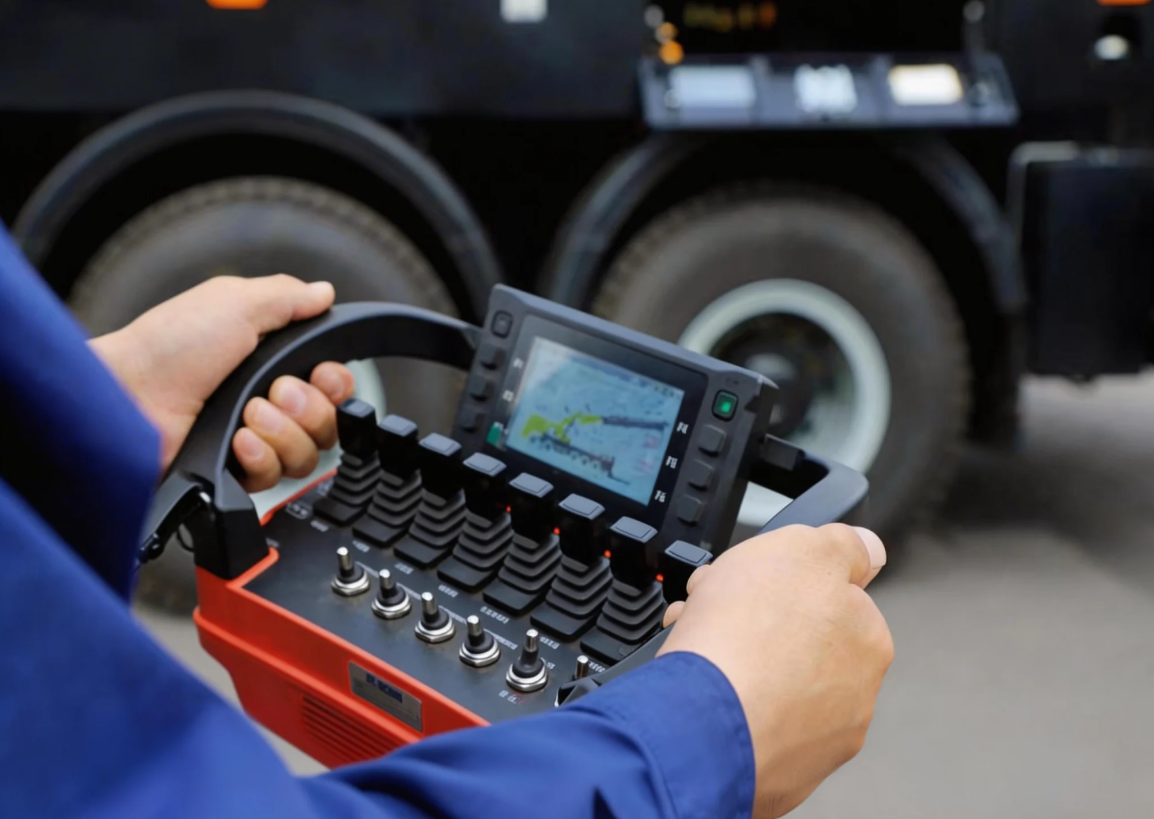
Industrial machines often operate in complex environments where operators need flexible control methods. Radio frequency technology allows machines to receive commands without direct wired connections,
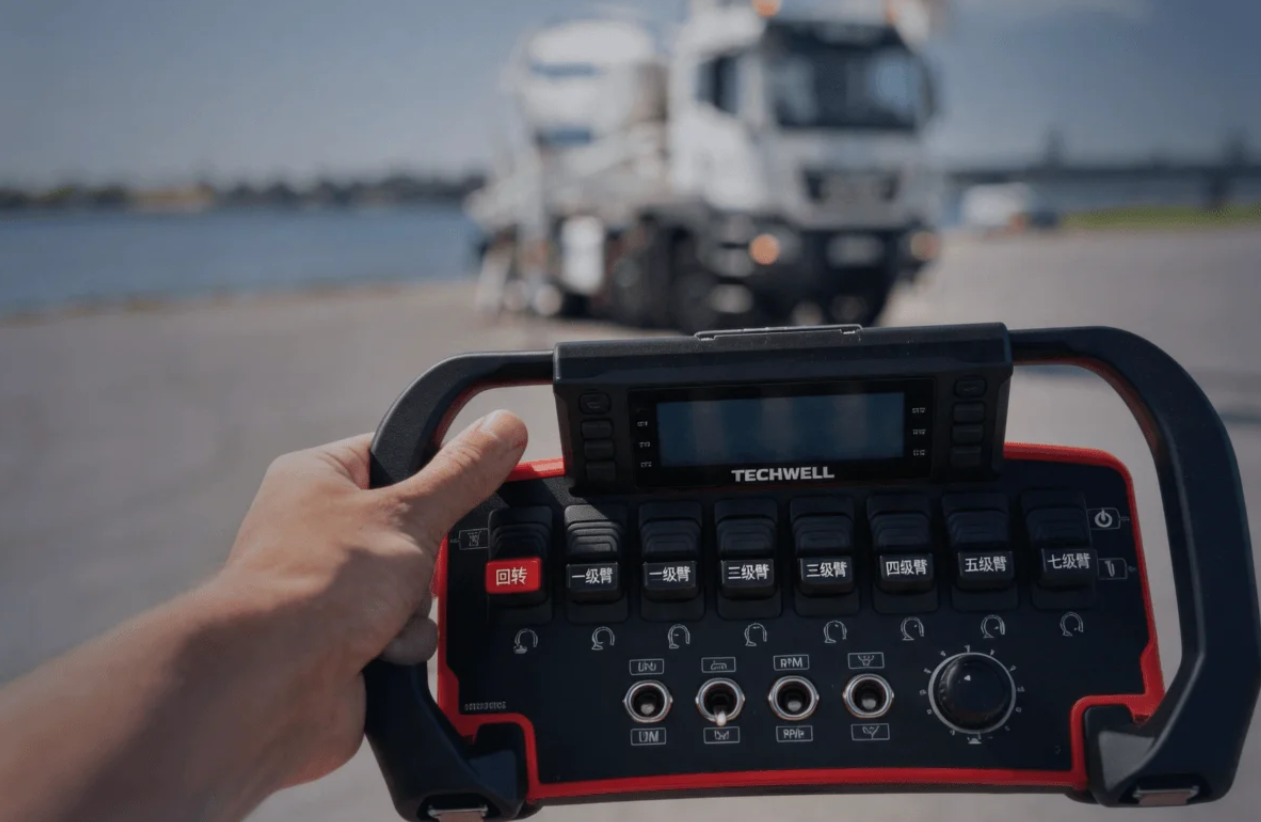
The business case for wireless equipment control begins with the costs of the existing operating arrangement. OEM manufacturers should examine operator movement time, cable maintenance
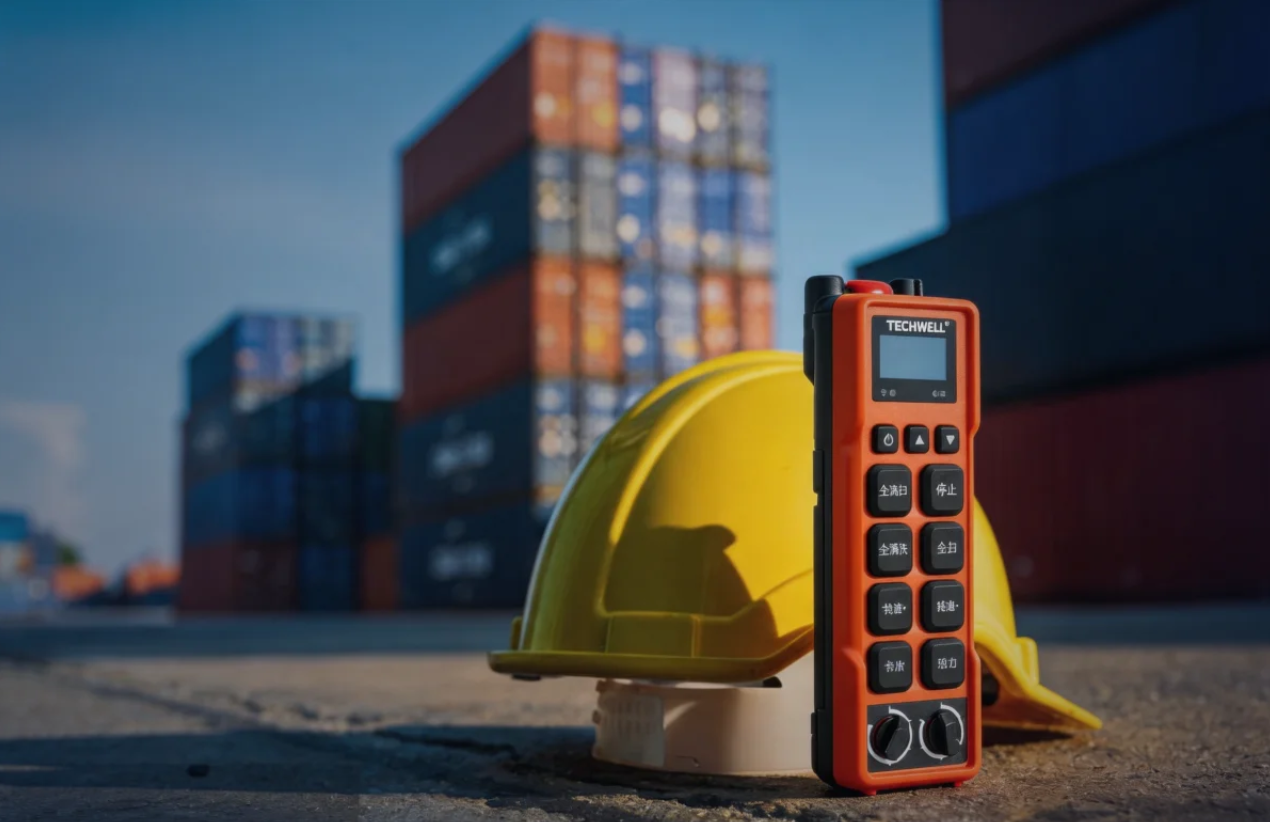
Multi-function equipment presents three distinct control design tasks: organizing multiple commands, helping operators identify and manage active functions, and verifying wireless communication under actual operating
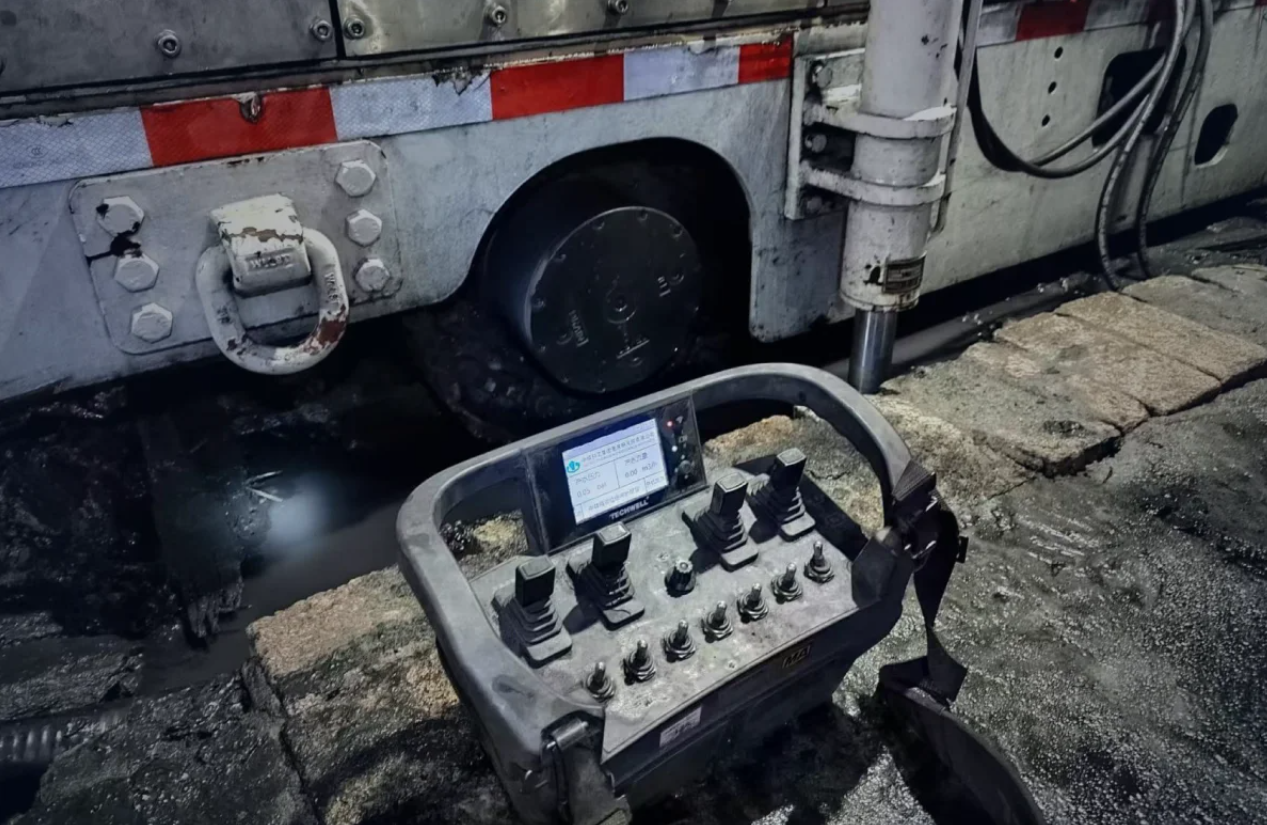
Industrial equipment is becoming more flexible as manufacturers add more functions to machines. From lifting equipment to construction machinery, operators need control solutions that match
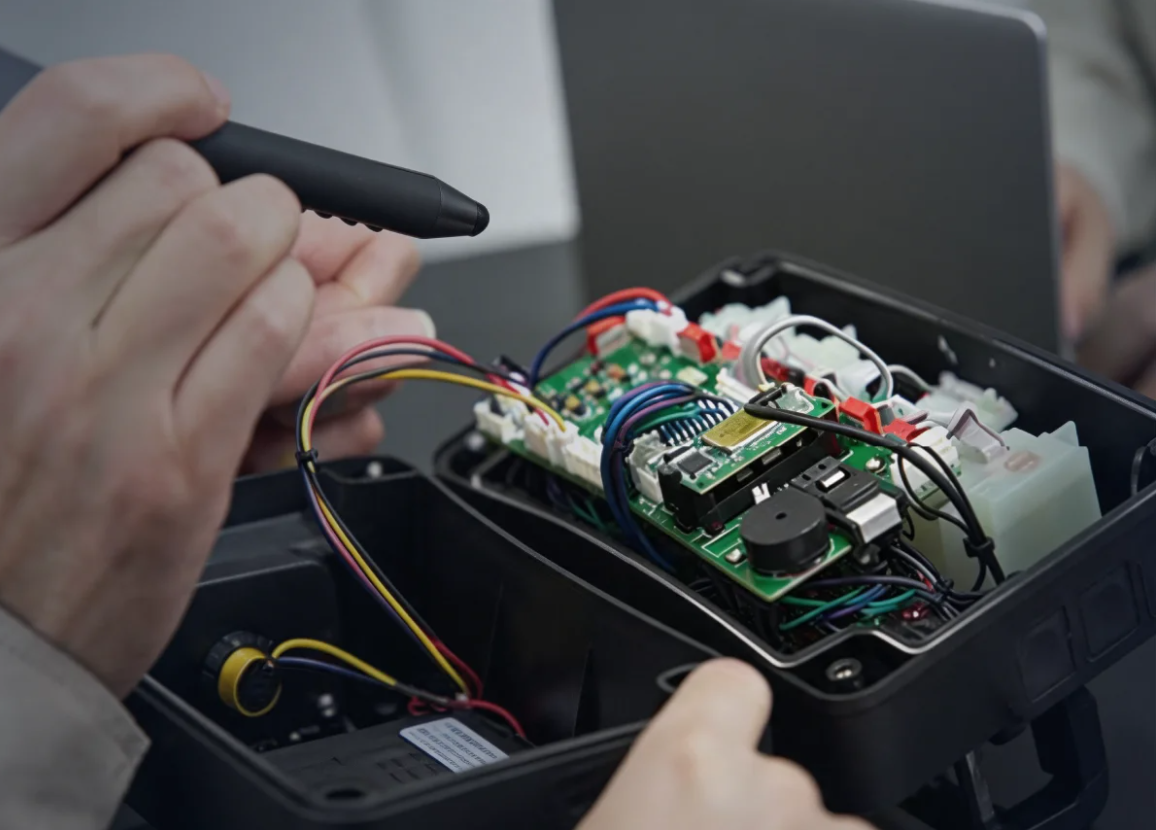
Industrial equipment often operates in areas where direct access is limited or where operator distance is required for safer management. In these situations, wireless control
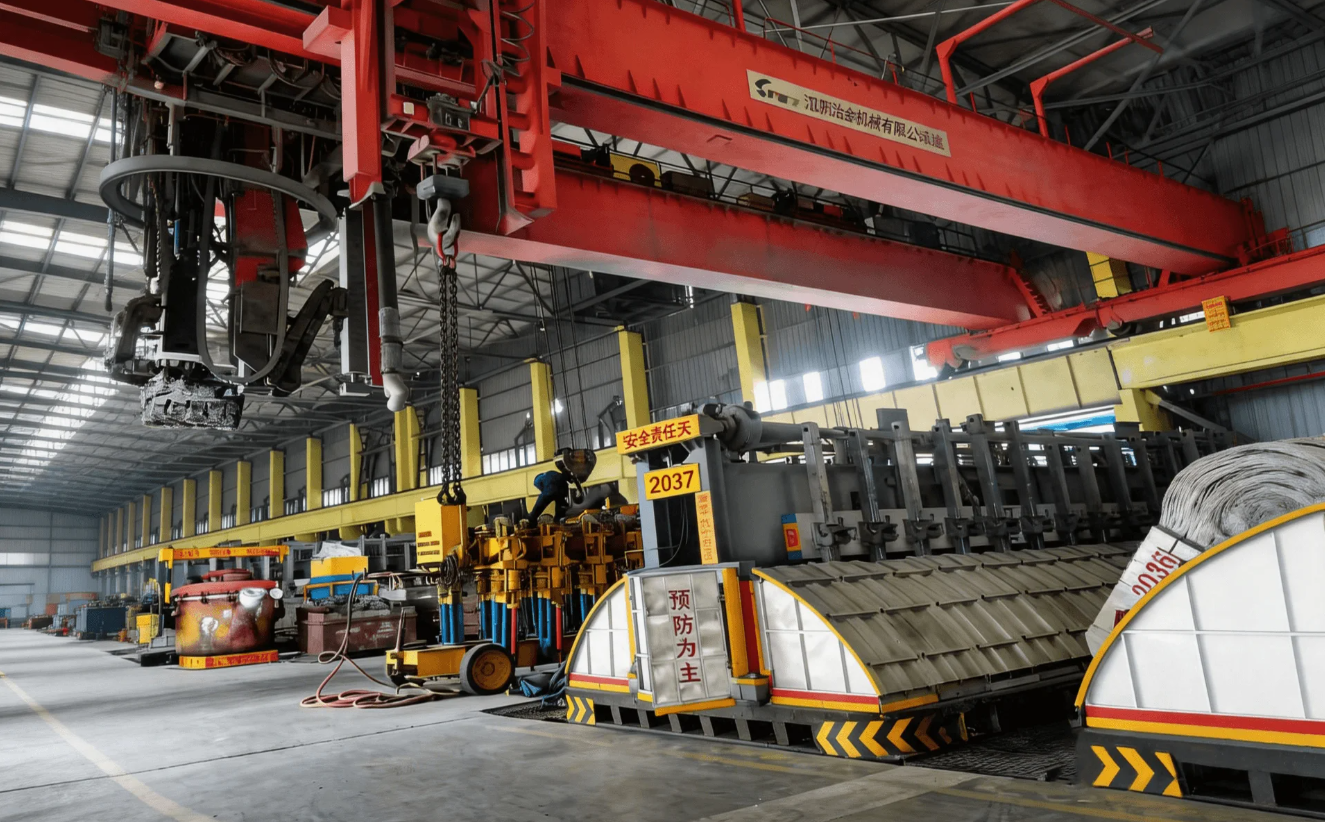
Crane operation depends on accurate movement, clear communication, and suitable working arrangements. In many industrial environments, operators need to manage lifting tasks while considering visibility,
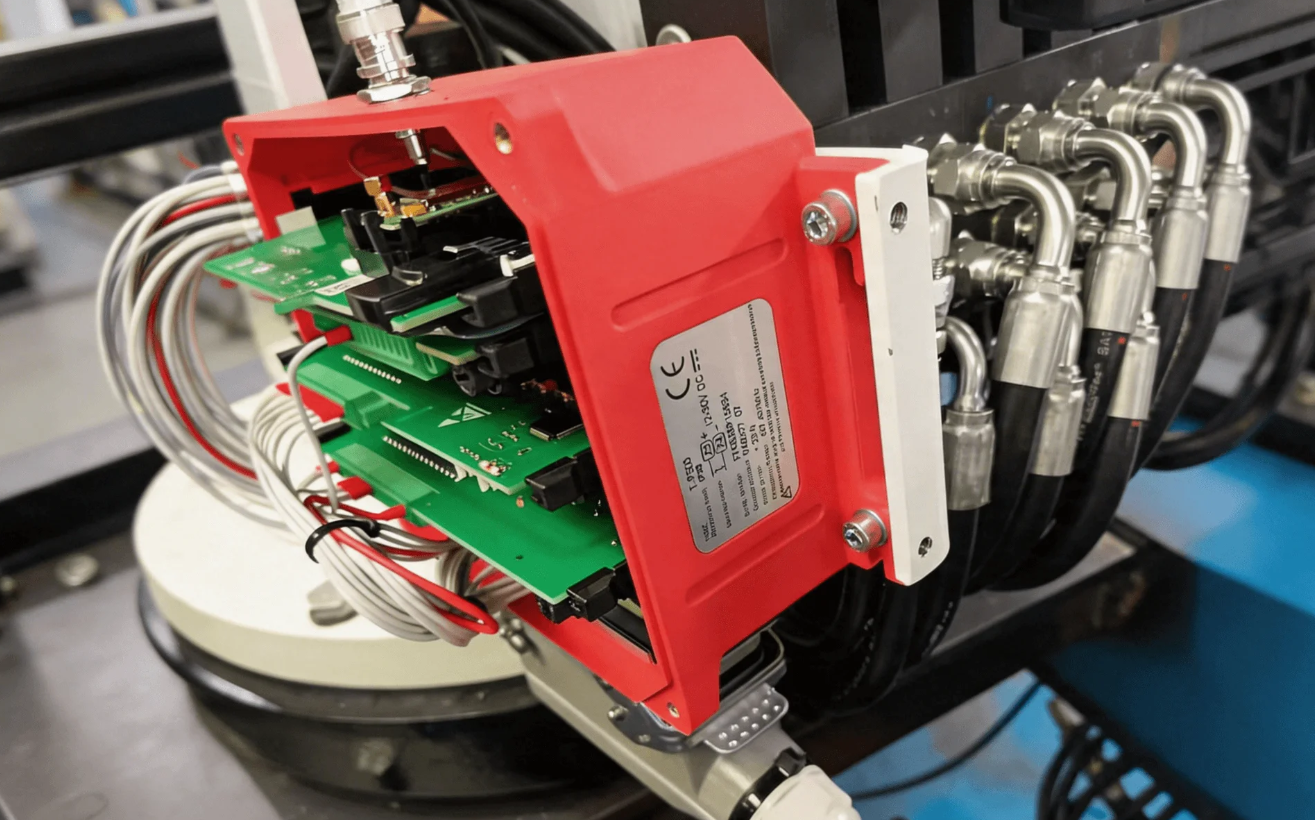
Crane operation in industrial environments depends on accurate control, clear communication, and stable equipment response. With the development of modern manufacturing, warehouses, and heavy industrial
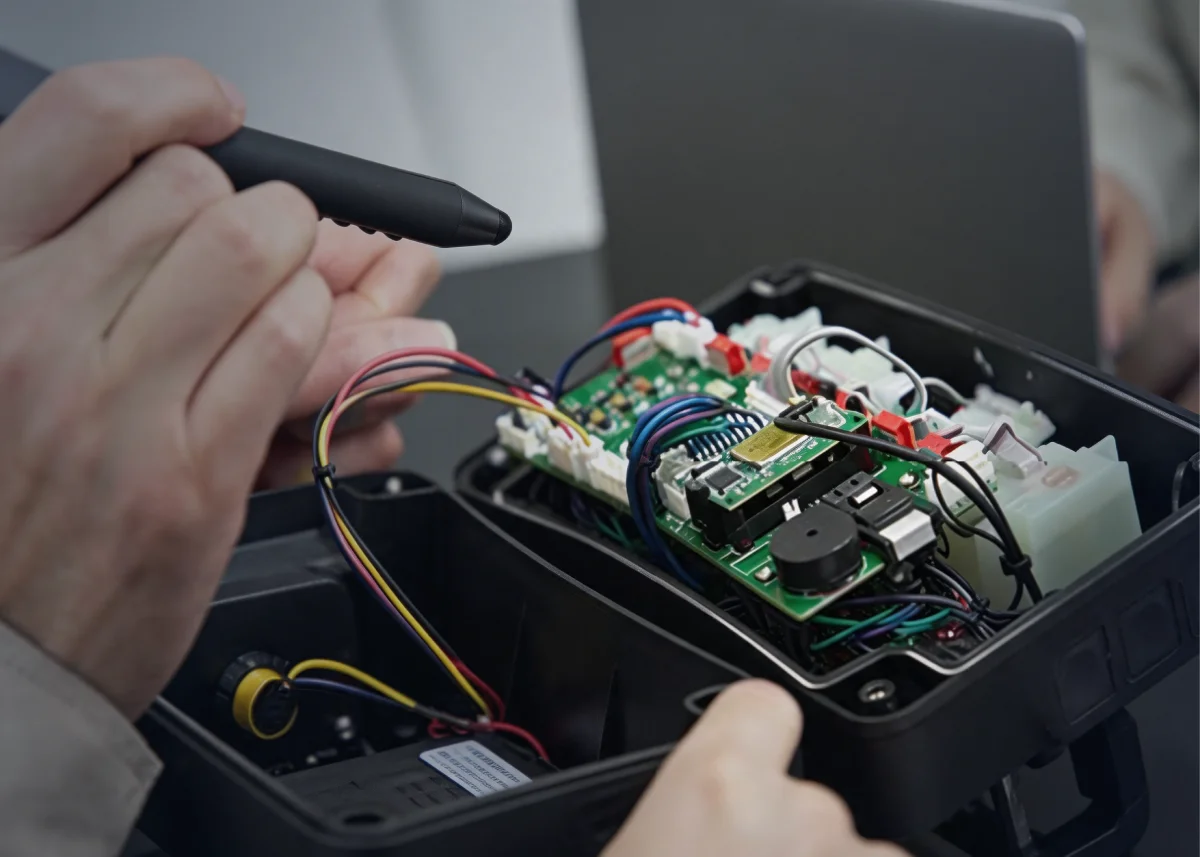
Heavy equipment often operates in challenging environments where operators need accurate control, stable communication, and flexible working methods. Construction sites, ports, mining areas, and industrial
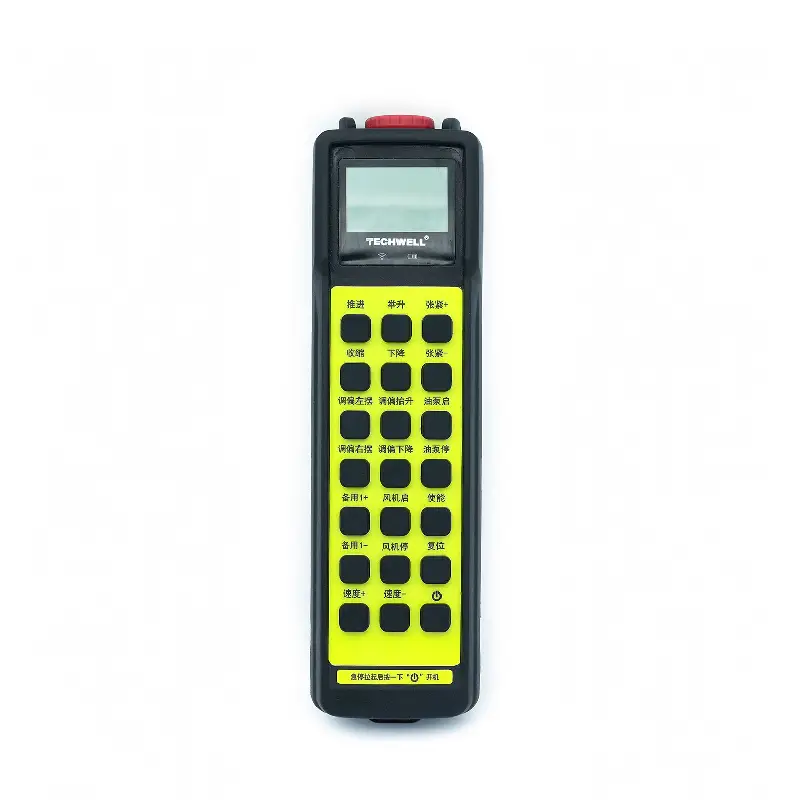
Crane operation is an important part of many industrial activities, including mining, manufacturing, logistics, and material handling. Traditional crane cabins allow operators to control lifting