Industrial operations often involve complex equipment, large working areas, and strict requirements for safety and efficiency. As machinery becomes more integrated, companies need control methods that allow operators to manage equipment with better flexibility.
Remote operation strategies can help manufacturers and industrial users improve workflow planning while adapting to different working environments.
For equipment builders and system integrators, selecting a suitable control approach requires attention to communication stability, safety functions, and equipment compatibility. A practical remote operation system should match the machine structure and support long-term industrial applications.

Understanding Remote Operation Needs in Industrial Environments
Large-scale industrial operations require a clear inventory of machines, control functions, and operating locations before wireless systems are introduced. Project teams should document the number of machines requiring simultaneous wireless operation, the planned transmitter-receiver combinations, and the control authority assigned to each operator. Where several transmitters or machines share control arrangements, equipment identification, command interlocks, and control handover procedures must be defined.
Radio planning should include a site interference survey, receiver placement review, and coverage testing near metal structures and operating machinery. Personnel handovers should specify how control is released, transferred, and confirmed before movement resumes. Before full deployment, engineers should conduct a pilot trial covering concurrent operation, conflicting commands, communication loss, and shift changes. Test results should be recorded against agreed acceptance criteria.
Remote control solutions provide another option by separating the operator position from the equipment location. This approach can support safer working distances and allow operators to manage machines from more suitable positions.
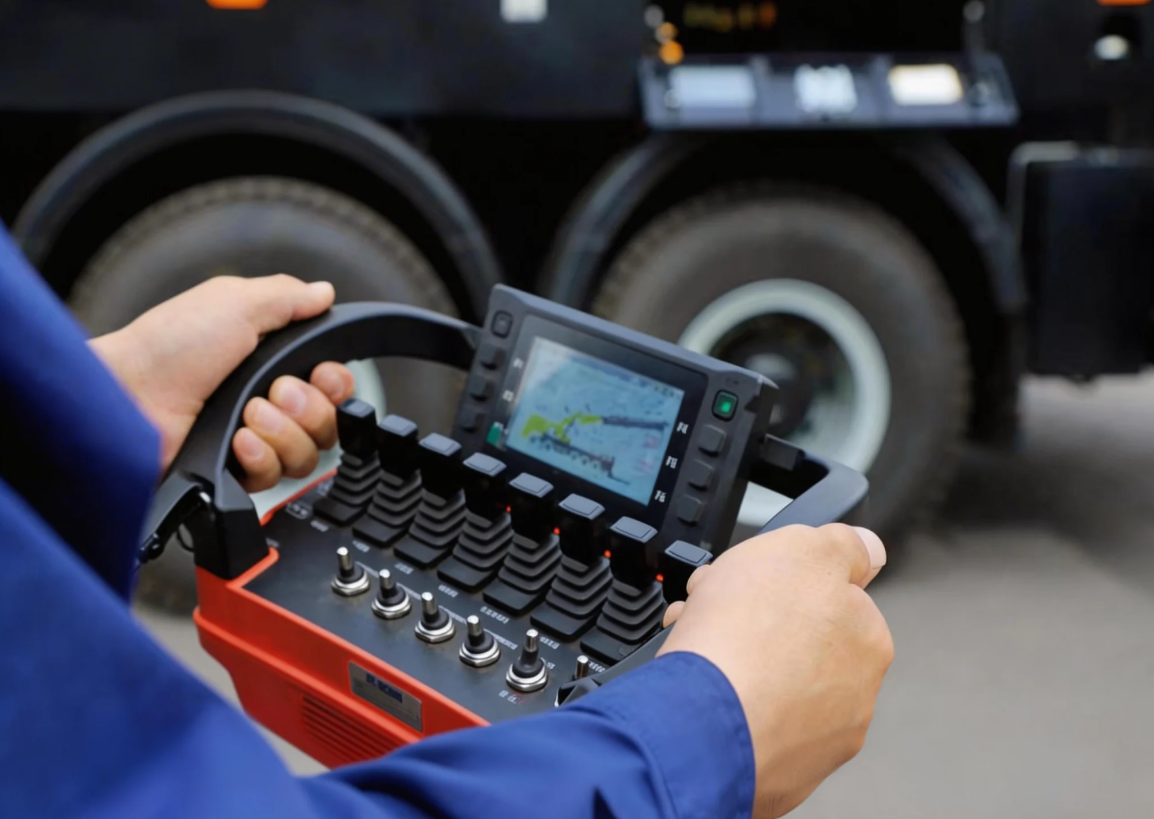
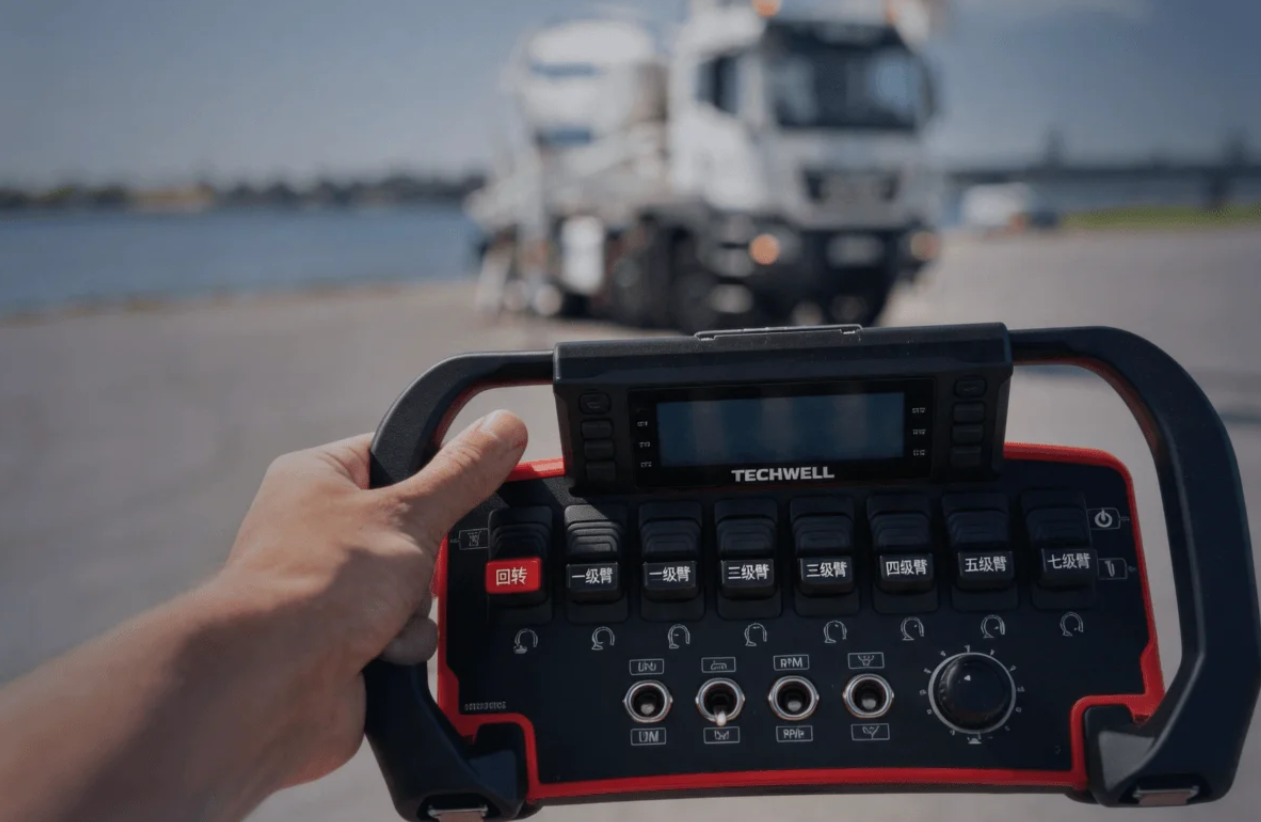
When we discuss remote operation strategies, we focus on how control systems interact with industrial equipment. Factors such as signal reliability, response performance, and environmental protection are important during project evaluation.
Evaluating Control System Features for Equipment Projects
For OEM customers, the control system needs to fit the machine instead of working as an isolated component. Communication methods, control layouts, and installation requirements should be reviewed during the early design stage.
Industrial wireless systems are often selected for applications that require flexible operation. Customers usually consider anti-interference capability, protection levels, and continuous working performance when reviewing solutions.
As an industrial control supplier, Techwell Remote Control works with partners that need customized remote solutions for different equipment requirements. The cooperation process can involve product selection, technical communication, and application discussions.
Applying Remote Controls Across Different Industries
Different industries have different expectations for remote operation systems. In construction machinery, operators may need flexible control options for equipment working in changing environments. In crane applications, stable communication and safety functions are important considerations.
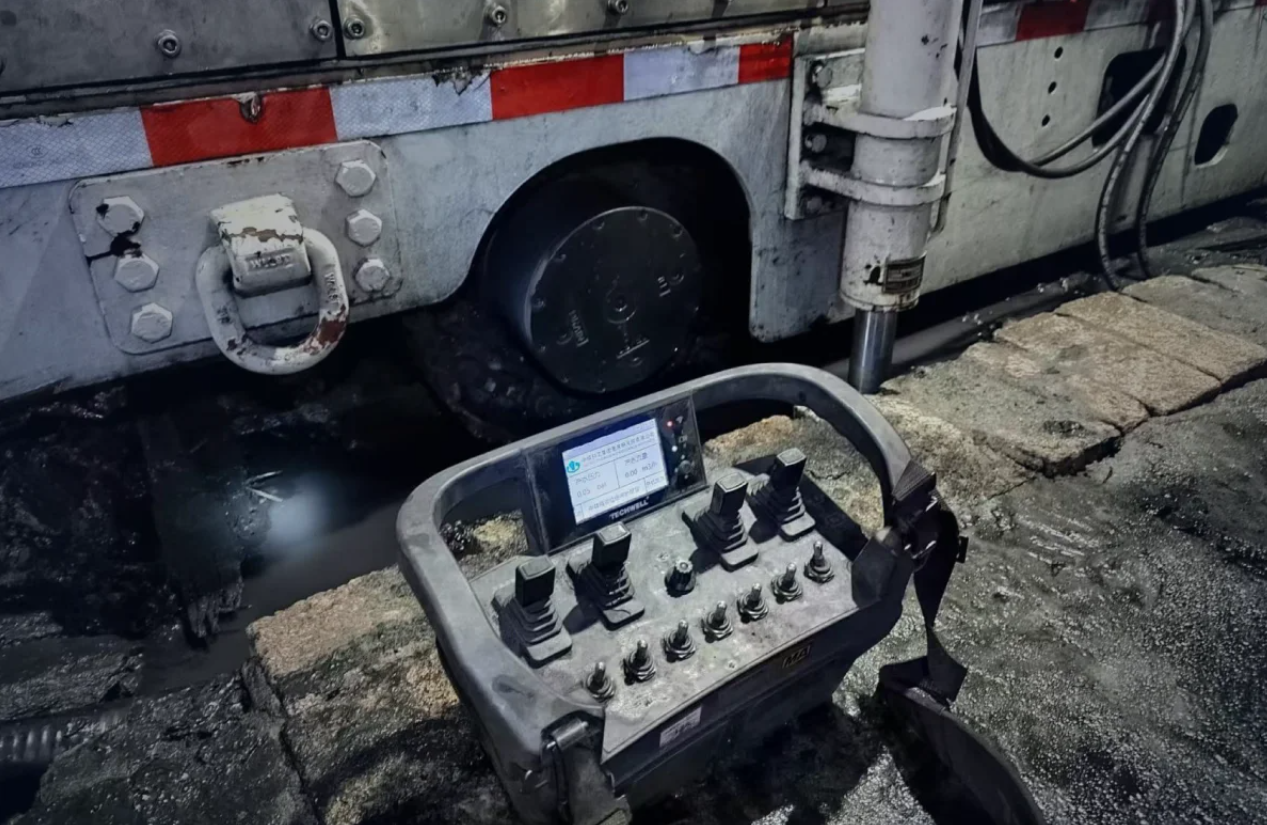
Mining equipment and special vehicles may require control systems designed for demanding conditions. Protection against dust and moisture, together with reliable signal transmission, helps support equipment operation in these fields.
Manufacturers evaluating Techwell remote access controls often review how the system can connect with their equipment design. The focus is usually on application matching rather than only individual product functions.
Who Is Responsible for Multi-Machine System Integration?
Large-scale wireless control projects should begin with an equipment register. The document must identify each machine, its assigned transmitter and receiver, required control actions, permitted operating areas, and responsible operators. Project teams should also record how many machines need to operate simultaneously and whether control authority can be transferred between operators.
The OEM engineering team should define machine interfaces, permitted movements, interlocks, and safety requirements. At Techwell Remote Control, we can review transmitter-receiver compatibility and the proposed control configuration. Qualified installation personnel are responsible for checking wiring and carrying out assigned commissioning tests.
Before installation, the approved documentation should include an I/O mapping table, wiring diagrams, equipment identification records, and configuration files. Hardware revisions, firmware versions, and control parameters must be recorded for each installed system. These records help teams identify configuration differences when machines are serviced or modified.
How Should Control Handover and Commissioning Be Managed?
When control passes between operators or workstations, the current machine movement must stop before the handover begins. The outgoing operator should release control authority through the approved procedure. The incoming operator must confirm the machine identity, control selection, and authorization before issuing commands. The system’s actual selection feedback and interlock behavior require verification.
Configuration changes also need formal control. Engineers should document the reason for each change, the affected equipment, the previous and revised software or firmware versions, and the required retesting. Updated parameter files and wiring records must be approved before the modified configuration enters service.
Before full deployment, the OEM team, installation personnel, and site operations representatives should complete a pilot acceptance test. This should cover simultaneous machine operation, control handover, conflicting commands, communication loss, emergency-stop behavior, and radio coverage. Final handover should include signed test records, approved configuration versions, operator instructions, and maintenance documentation.
Considering Safety and Maintenance During Selection
Safety is a major factor when companies select remote control systems. Emergency stop functions, fault detection, and secure communication design are important features for industrial applications.
Maintenance planning is also important for long-term operation. Equipment manufacturers and end users need solutions that are practical to install, inspect, and service throughout the equipment lifecycle.
When evaluating Techwell industrial radio remote control systems, equipment manufacturers should verify transmitter-receiver compatibility, machine control interfaces, radio coverage, and communication-loss responses. For multi-machine projects, they should also review control authority, equipment identification, operator handover procedures, and commissioning records before approving the configuration.
Planning Integration Before Project Implementation
Wireless control integration should begin with requirements confirmation. The OEM engineering team defines machine functions, electrical interfaces, operating conditions, installation space, and required safety functions. These details should be recorded in an approved requirements specification and preliminary I/O list before the control configuration is selected.
During configuration freeze, OEM engineers and the wireless control supplier confirm the transmitter layout, receiver outputs, command assignments, and interlock requirements. Approved wiring diagrams, configuration files, and hardware and firmware version records establish the design baseline. Supplier technicians and OEM control engineers then conduct bench verification, documenting command responses, mode changes, conflicting inputs, and communication-loss behavior in test reports.
Site verification is carried out by qualified commissioning personnel and the OEM engineering team. Tests should cover actual machine movements, protective stopping behavior, wireless coverage, and restart conditions. The results must be recorded against agreed acceptance criteria, with unresolved issues addressed before operational approval.
The final stage involves operator training and technical handover. Site operations personnel and responsible technical staff should confirm operating procedures, control handover rules, and maintenance requirements. Training records, approved instructions, final configuration files, and commissioning reports form the handover package. For overseas projects, the parties responsible for reviewing and approving these documents should be identified in advance.
What Should Be Prepared Before Project Implementation?
Before starting an OEM wireless control project, manufacturers should prepare the equipment model, electrical drawings, control function list, I/O requirements, and existing safety circuit information. Site documentation should identify operating positions, installation conditions, potential radio obstructions, and the number of machines requiring wireless control.
The engineering review should confirm transmitter-receiver compatibility, command assignments, interface connections, and required interlocks. Its deliverables should include an approved I/O mapping table, wiring diagrams, configuration version records, and agreed acceptance criteria. Unresolved technical issues should be addressed before the configuration is approved for installation.
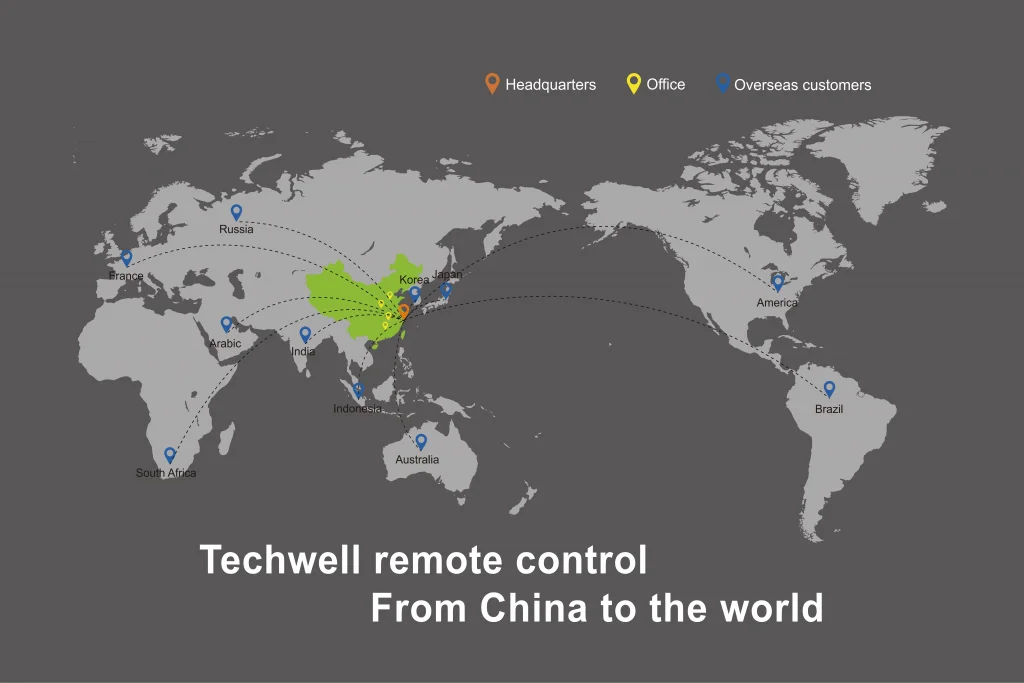
For project-specific evaluation, manufacturers can submit these documents, along with expected order quantities, to Techwell Remote Control. We can review the proposed configuration and integration requirements. Buyers can also contact our team for an engineering assessment before requesting a detailed quotation.