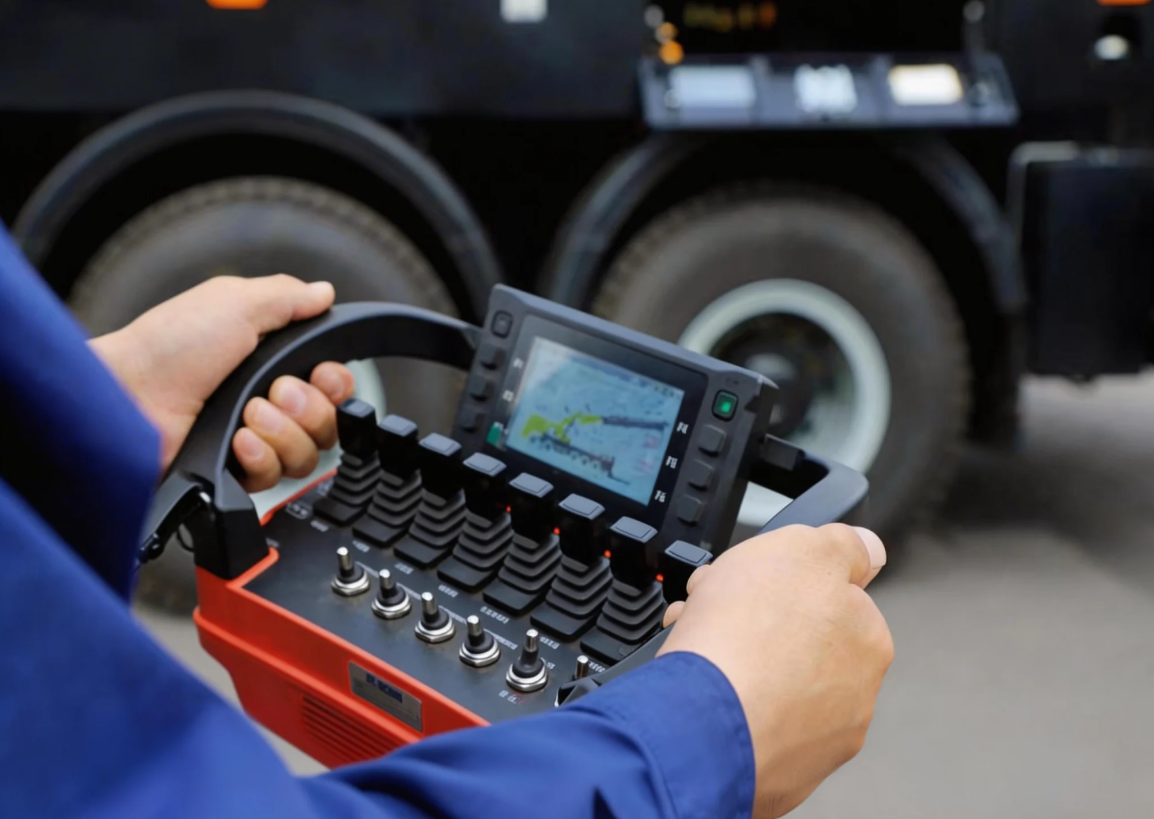
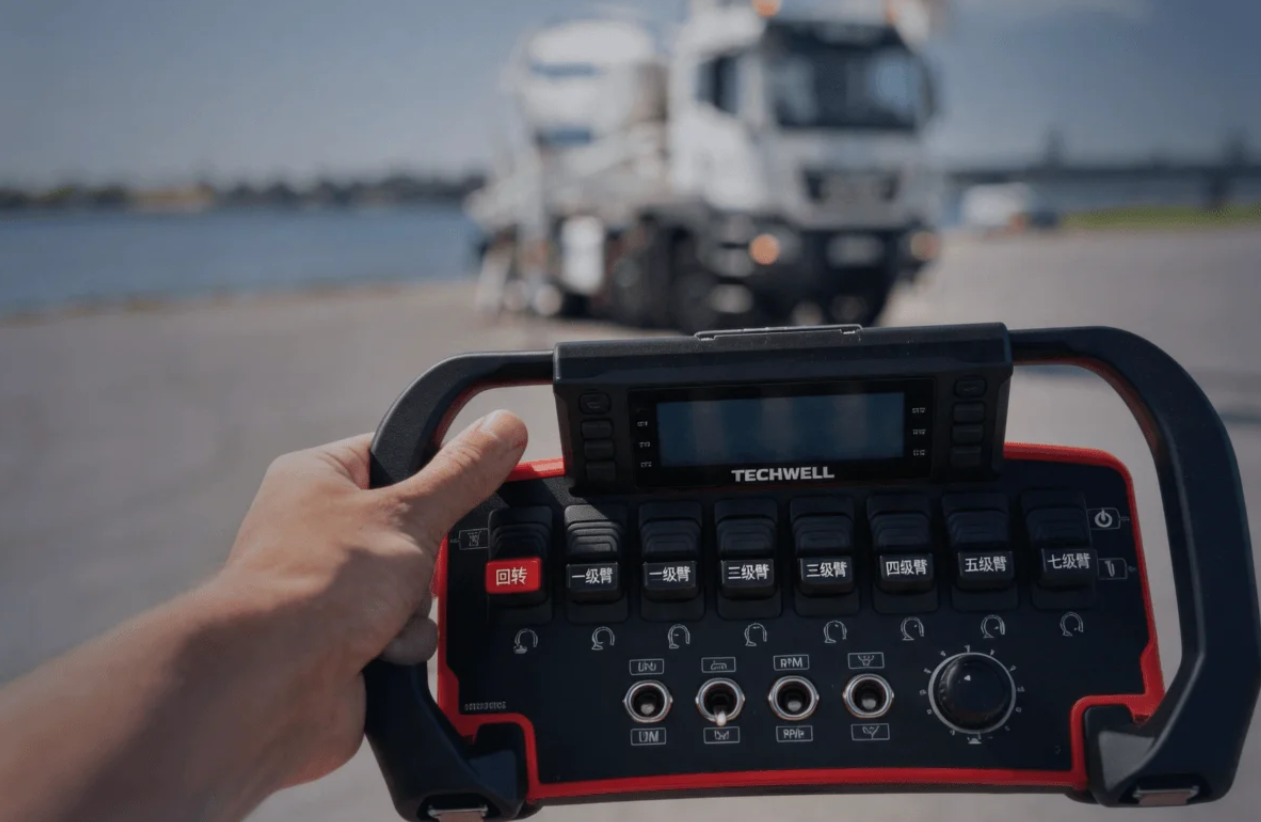
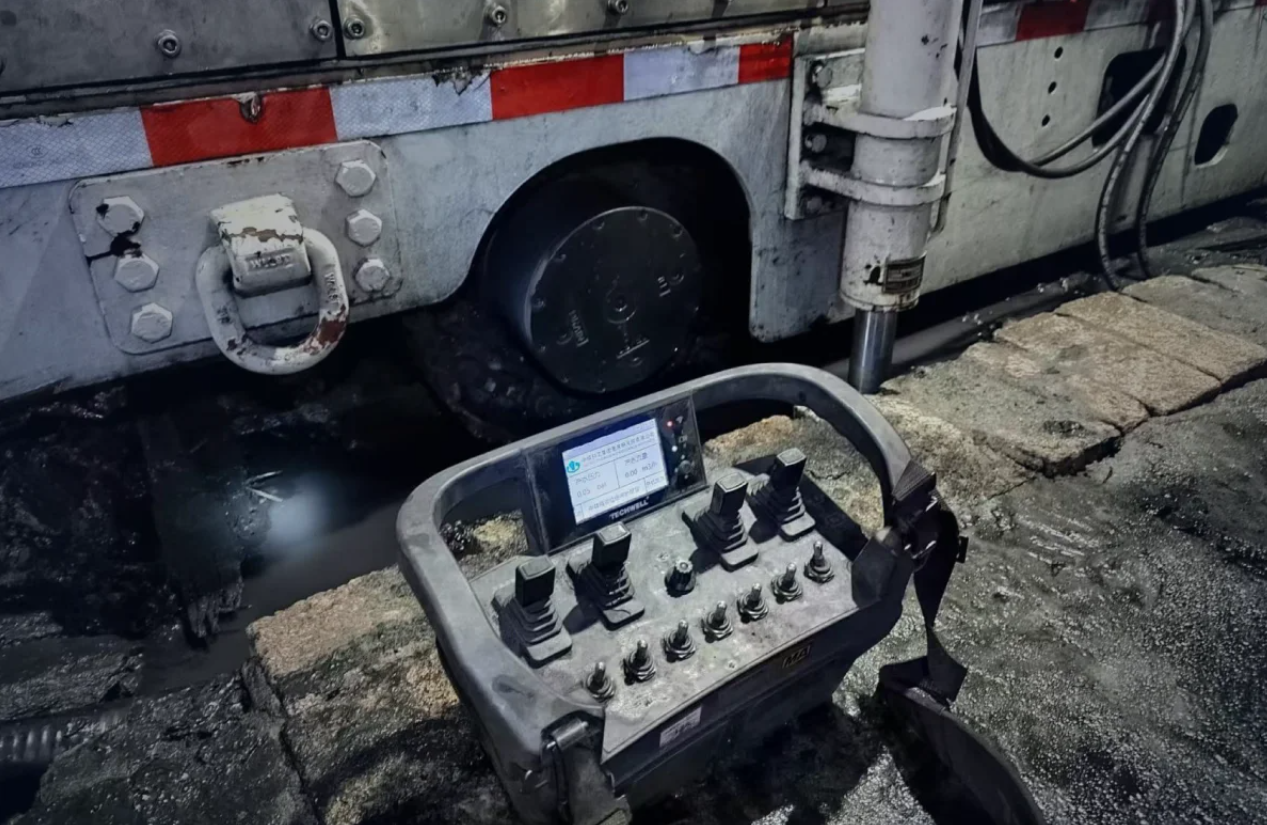
Multi-function equipment presents three distinct control design tasks: organizing multiple commands, helping operators identify and manage active functions, and verifying wireless communication under actual operating conditions. Command layouts and operating modes should be reviewed for clarity, while control feedback and ergonomics require practical operator testing. Radio performance must be assessed against identified interference sources, receiver placement, metal structures, and cable routing. Wireless control alone does not resolve these issues. Each task requires separate design review and validation.
For machinery manufacturers and system integrators, control selection is closely related to equipment design, operating conditions, and future application needs. We focus on understanding these requirements and exploring how wireless technology can support more flexible equipment structures while maintaining stable communication and safe operation.

Understanding Multi-Function Equipment Control Requirements
Multi-function equipment requires control systems that can manage different commands within one operating process. For example, lifting equipment may involve movement control, lifting actions, and emergency responses, while construction machinery may require coordinated operation of different machine functions.
Traditional wired control methods can create certain limitations when equipment structures become more complex. Cable arrangement, operator position, and working distance may influence equipment layout and daily operation. Manufacturers often need to review whether the control method matches the overall machine design.
When developing industrial equipment, OEM customers usually consider several factors before selecting a control solution. These factors include machine type, working environment, operation frequency, and integration requirements. A suitable control system should fit the equipment instead of requiring major changes to the original structure.
We provide industrial control solutions based on different application needs. Industrial wireless control systems allow equipment manufacturers to explore wireless operation methods that can support flexible machine designs and different functional requirements.
Key Functions That Influence Wireless Control Selection
Communication performance is one of the main points considered by industrial customers. Equipment may operate in environments with metal structures, electrical equipment, or other factors that can influence wireless communication. Stable signal transmission helps maintain consistent interaction between the control device and the machine.
The design of transmitters and receivers also affects the overall control experience. Different projects may require button layouts, joystick configurations, or control interfaces that match specific machine functions. These details are often discussed during OEM and ODM cooperation.
Safety functions are another important consideration for industrial applications. Emergency stop functions, fault diagnosis, and alarm mechanisms can support safer operation processes. For equipment manufacturers, these functions are part of the overall machine safety planning.
Environmental protection is also related to product selection. Industrial equipment may operate outdoors or in areas with dust, moisture, and vibration. Reviewing protection requirements helps businesses select control systems that are suitable for their application conditions.
How Different Industries Apply Wireless Control Solutions
Different equipment industries have their own control requirements. In crane applications, operators may need to manage lifting and movement functions while maintaining a suitable distance from the working area. Wireless operation can provide more flexibility for equipment arrangement.
For construction machinery manufacturers, control systems need to match machine functions and operating habits. Excavators, loaders, and other special vehicles may require different control methods based on their structures and application scenarios.
Mining equipment and industrial vehicles often work under demanding conditions. Manufacturers need to evaluate communication reliability, safety requirements, and maintenance plans when developing equipment for these environments.
Port machinery and logistics equipment also require stable control solutions for continuous operation. The control system should support efficient communication between operators and machines while fitting the requirements of the overall equipment system.
Our products include industrial remote control transmitters and receivers designed for industrial applications. Techwell Remote Control works with equipment manufacturers to discuss application requirements and provide suitable configurations for different machine projects.
How Should Multiple Controls Be Arranged?
Consider an overhead crane with hoisting, trolley travel, and bridge travel functions. The transmitter layout should group related commands and make opposing directions easy to distinguish. Engineers must document which movements can operate simultaneously, which commands require mutual exclusion, and how operating modes are selected.
For OEM development, the approved control design should include a transmitter panel drawing, button or joystick assignments, an I/O mapping list, and mode and interlock specifications. Each command must correspond to a defined receiver output and machine response. These documents provide a reference for wiring, software configuration, and functional testing.
What Evidence Is Needed From Operator Testing?
Control layout should be evaluated through practical trials rather than appearance alone. Operators can test the proposed arrangement while wearing their normal work gloves and using the equipment from approved operating positions. The evaluation should examine control identification, reach, accidental input risks, and clarity when switching between operating modes.
Where status feedback is provided, testers should check whether the selected mode, active machine, and relevant warnings are displayed clearly. The available feedback depends on the approved system configuration. OEM teams should record operator observations, identified problems, design revisions, and final acceptance results before releasing the layout for production.
How Should EMC and Radio Performance Be Verified?
Radio performance depends on the actual installation environment, not simply the number of electrical systems installed on the machine. Engineers should identify potential interference sources, including variable-frequency drives, motor cables, and nearby electrical equipment. Receiver placement, antenna arrangements, metal obstructions, and cable routing also require review.
When evaluating an industrial wireless remote control system, manufacturers should define test positions and operating conditions before commissioning. Site testing should examine communication coverage, command response, interference-related interruptions, and machine behavior following signal loss. Applicable EMC compliance evidence should be checked for the proposed equipment configuration.
For OEM approval, Techwell Remote Control can review the agreed technical requirements with the equipment manufacturer. The final documentation package should include approved panel drawings, I/O lists, wiring diagrams, hardware and software version records, configuration files, EMC documentation where applicable, and commissioning reports. Subsequent changes to controls, firmware, or receiver interfaces should follow a documented change-review and retesting process.