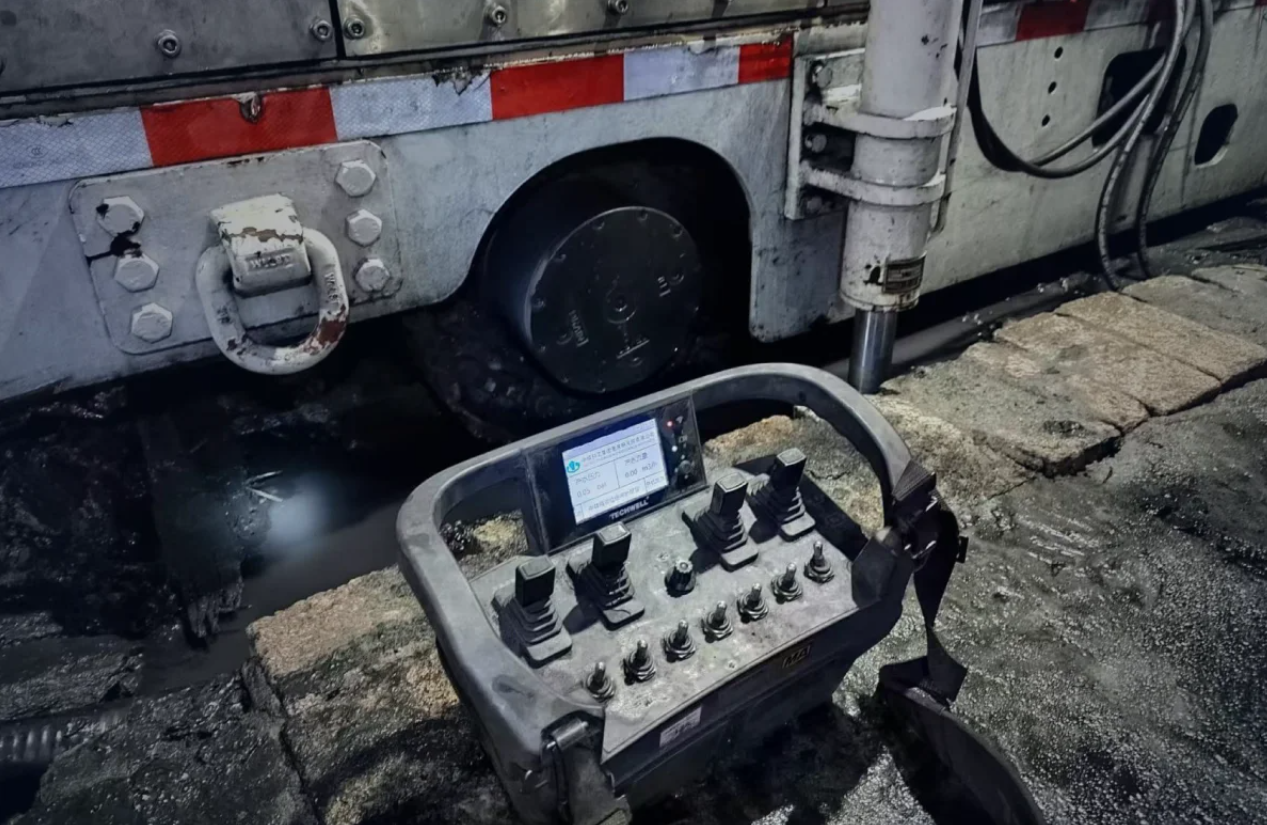
The business case for wireless equipment control begins with the costs of the existing operating arrangement. OEM manufacturers should examine operator movement time, cable maintenance expenses, equipment downtime, and actual machine utilization. These figures provide a baseline for estimating whether wireless operation could deliver measurable improvements in a specific application.
Project investment includes transmitters, receivers, electrical integration, installation, safety verification, operator training, and future maintenance. Potential benefits may include reduced cable repairs, shorter operating delays, and improved equipment utilization. However, these savings should be calculated using actual operating records rather than assumed performance improvements.
Before approving an investment, manufacturers should compare the current system with a proposed wireless configuration under similar working conditions. The evaluation should estimate annual savings, recurring expenses, initial investment, and expected payback period. Radio coverage, operator visibility, operating frequency, and installation downtime should be recorded as assumptions or uncertainties that could affect the financial outcome.
Understanding the Value of Flexible Control Systems
Industrial machinery is used in different conditions, including construction sites, factories, ports, and other demanding environments. A flexible control method allows equipment designs to adapt to various operation requirements. It can support manufacturers when they develop machines with different structures and working processes.
Traditional wired systems may require operators to stay close to equipment control points. Wireless solutions provide another option by allowing remote operation within a suitable working range. This design can help equipment manufacturers consider new layouts while maintaining communication between operators and machines.
When companies evaluate wireless solutions, they usually review signal reliability, control response, and environmental protection features. These factors influence how a system performs during regular operation. For machine builders, the control system should match the overall equipment design and application purpose.
Key Factors for Industrial Equipment Projects
Industrial projects often have different requirements based on equipment type and working environment. A crane manufacturer may focus on safe lifting operations, while a special vehicle producer may pay more attention to mobility and control flexibility. The evaluation process should connect control functions with actual application needs.
Safety functions are also important during system selection. Emergency stop functions, communication protection, and fault feedback mechanisms can support safer equipment operation. These functions allow manufacturers to consider how operators interact with machines in changing conditions.
System compatibility also affects the financial evaluation of an OEM project. Manufacturers should record the engineering hours required for electrical interface design, I/O mapping, software configuration, wiring modifications, and functional testing. One-time integration costs should include engineering labor, additional components, prototype adjustments, and commissioning expenses. By comparing these figures across existing and proposed control configurations, manufacturers can assess potential differences in development costs. Cost savings should only be reported when supported by documented project records.
What Costs Should Be Included in the Business Case?
The cost of wireless control extends beyond purchasing transmitters and receivers. Equipment manufacturers should calculate hardware expenses, receiver installation, electrical modifications, interface development, and system commissioning. Existing control circuits may also require additional engineering work before wireless commands can be integrated.
One-time project costs should include engineering hours for I/O mapping, wiring diagrams, software configuration, safety verification, and operator training. Installation downtime must also be considered, particularly when an existing machine needs to be removed from production during the retrofit.
Recurring expenses may include battery replacement, equipment inspections, spare parts, and maintenance support. Manufacturers should compare these costs with those of the existing control arrangement over the same evaluation period. At Techwell Remote Control, we can discuss proposed hardware configurations against the documented machine requirements.
How Can Wireless Control Benefits Be Measured?
Potential benefits should be evaluated using operating records rather than general efficiency claims. For equipment currently using wired pendant controls, maintenance teams can record cable replacement costs, repair frequency, and downtime caused by control cable problems. These figures establish a baseline for comparison.
Operator movement and equipment waiting time can also be measured. Project teams should observe comparable work cycles before and after implementation, recording completed tasks, operating time, and interruptions. Changes in productivity should only be attributed to wireless control when other operational differences have been considered.
Financial evaluation should compare the initial investment and recurring expenses with documented annual savings. The estimated payback period can then be calculated from the project’s net annual benefit. Where evidence is incomplete, manufacturers should use clearly identified assumptions and examine how different operating conditions affect the result.
When Is Wireless Control Financially Justified?
Wireless control may offer measurable value when existing pendant cables require frequent maintenance or when fixed operating positions contribute to documented delays. The proposed arrangement must still provide adequate operator visibility, radio coverage, and compatibility with the machine’s electrical and safety systems.
The investment may be less attractive for equipment with short operating cycles, limited movement requirements, and low existing maintenance costs. Extensive electrical modifications can also increase project expenses. Where radio coverage, operator visibility, or required safety functions cannot be verified, the proposed arrangement should not proceed without further engineering assessment.
For OEM projects, manufacturers should compare one-time integration costs with expected production volumes and per-unit system expenses. Buyers can submit equipment models, electrical drawings, current maintenance costs, operating records, and estimated project quantities to Techwell Remote Control for a configuration discussion. The investment decision should remain based on documented costs, measurable benefits, and verified technical feasibility.
How to Calculate the Business Value of Wireless Control
The financial value of wireless control should be calculated using documented project costs and operating records. One-time investment includes transmitter and receiver purchases, electrical integration, engineering hours, installation downtime, training, and commissioning. Buyers should also identify additional operating costs, such as batteries, inspections, and maintenance.
Net annual benefit equals verified efficiency gains plus reduced downtime and maintenance costs, minus additional annual operating expenses. If the result is positive, simple payback period equals total one-time investment divided by net annual benefit. Efficiency gains should be valued using measured operating improvements and justified cost assumptions, rather than estimated percentages without supporting records.
The calculation should account for uncertainty. Equipment utilization, cable repair frequency, integration hours, installation downtime, and future maintenance expenses may affect the outcome. Manufacturers should compare conservative and expected scenarios before approving an investment. Safety requirements must be verified separately, and potential safety benefits should not be assigned financial values without defensible evidence.
For OEM projects involving Techwell wireless remote controls, we can review the proposed machine configuration and integration requirements. Buyers can submit their project requirements for an engineering assessment, including integration quotations, estimated engineering hours, existing maintenance expenses, downtime records, equipment models, and planned order quantities. These inputs provide a basis for configuration review and project-specific cost evaluation.
Making an Informed Investment Decision
Wireless control investment should be evaluated through documented costs and measurable benefits. Net annual benefit can be calculated by adding verified efficiency gains and reduced downtime or maintenance costs, then subtracting additional operating expenses. When this result is positive, dividing the one-time investment by net annual benefit gives the simple payback period. Manufacturers should also consider changes in equipment utilization, integration costs, and maintenance needs without assigning unsupported financial values to safety benefits.
For OEM projects, we help manufacturers review machine requirements and integration options for Techwell wireless remote controls. Buyers can submit project requirements, including equipment specifications, integration quotations, estimated engineering hours, and existing maintenance and downtime records, to support a project-specific configuration and cost assessment.