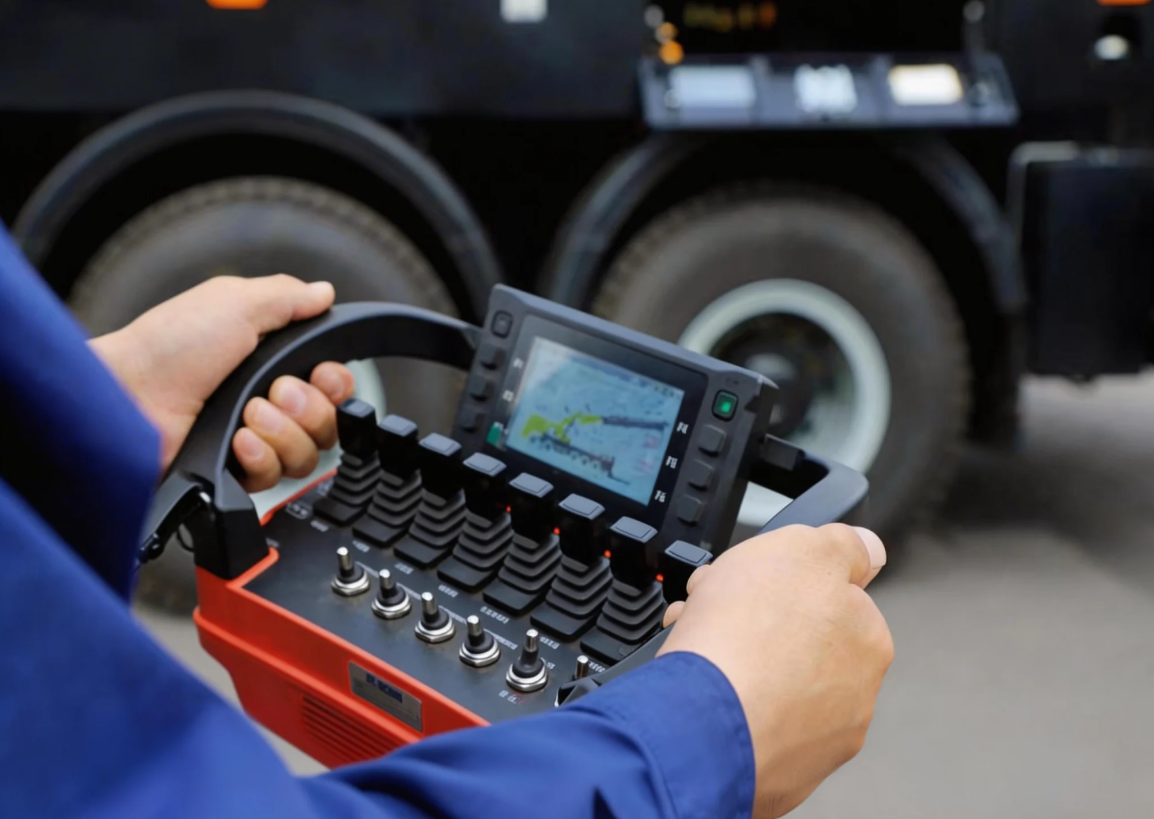
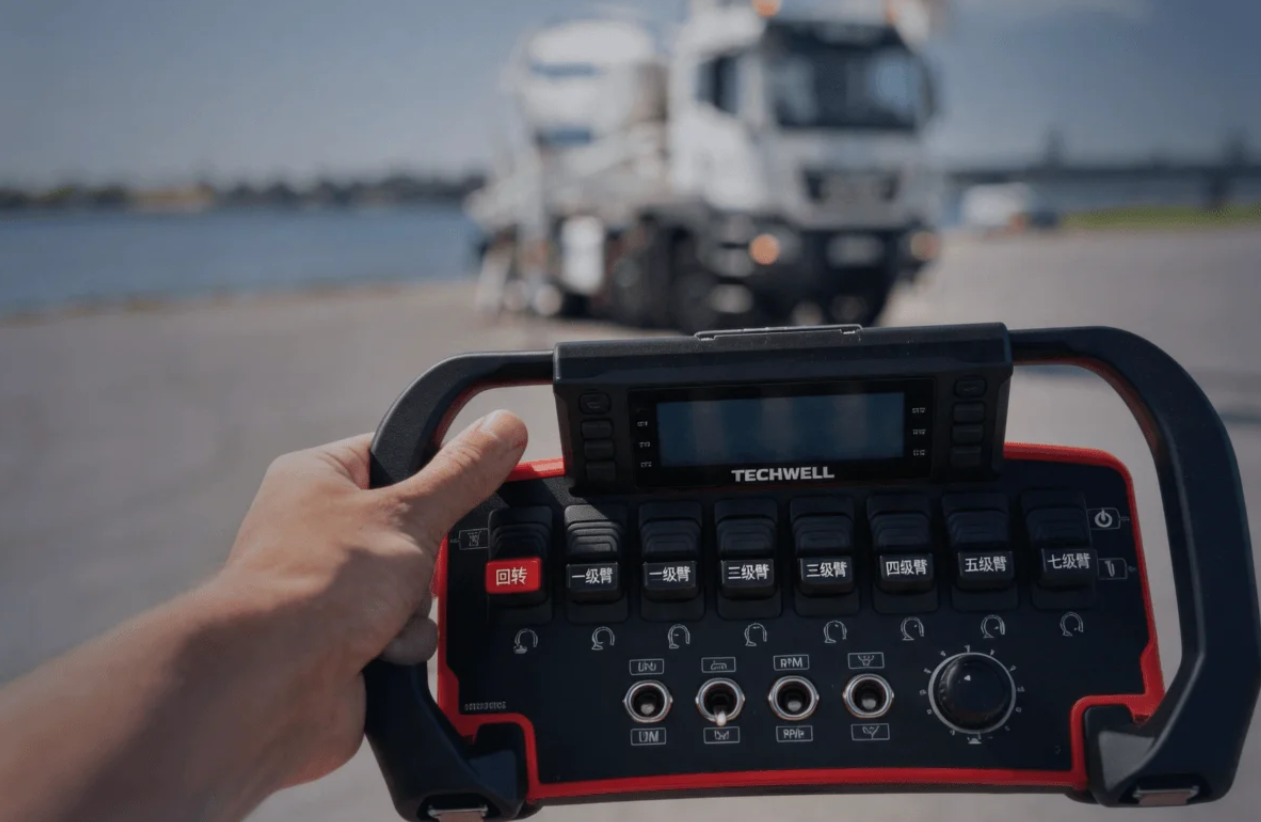
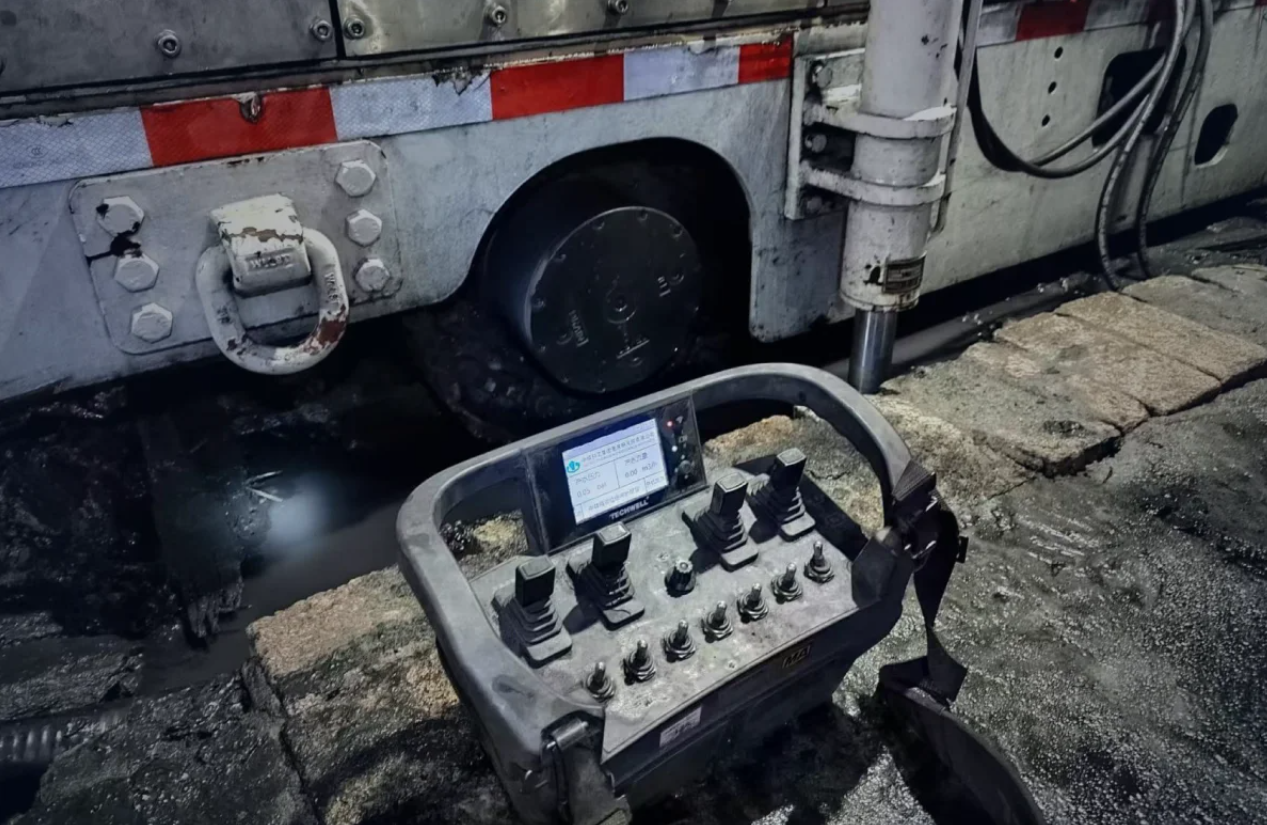
Industrial equipment is becoming more flexible as manufacturers add more functions to machines. From lifting equipment to construction machinery, operators need control solutions that match different working conditions. A suitable wireless controller can help equipment manufacturers improve operation planning, reduce wiring complexity, and create more adaptable machine designs.
For OEMs and equipment integrators, selecting control components requires attention to communication stability, safety functions, and system compatibility. Understanding the key factors behind wireless control selection helps businesses develop reliable equipment solutions for different industrial applications.
Understanding Control Requirements in Multi-Function Equipment
Multi-function equipment requires more than a list of control buttons. Engineers should prepare an action and operating-mode matrix before selecting a transmitter. For an overhead crane, this matrix may cover hoisting, trolley travel, bridge travel, and fine positioning. Each function should be linked to its operating mode, input method, required receiver output, and permitted combinations with other commands.
For example, hoist up and down commands must be mutually exclusive. The same applies to opposing trolley and bridge travel directions. Simultaneous hoisting and trolley movement should only be enabled where the machine design, interlocks, and operating procedures permit it. Engineers must document these permissions rather than assuming that multiple available controls can operate together.
Fine positioning introduces another requirement. Some machines use discrete single-speed or two-speed commands, while others require continuously variable movement through a compatible joystick, receiver output, and drive system. Proportional control should only be specified when the machine supports it. The matrix should also identify operating-mode changes, command priorities, and conditions that prevent movement.
When evaluating industrial wireless control systems, manufacturers should use the completed matrix to confirm transmitter controls, receiver I/O, electrical interfaces, and interlock logic. The final configuration should be supported by an I/O mapping table, wiring diagrams, and functional test records. Command combinations, speed settings, and response requirements must be entered according to the actual machine specifications.
Reviewing Key Features for Industrial Applications
Communication performance should be evaluated under actual operating conditions. Electrical equipment, metal structures, and physical obstacles may affect radio transmission. Engineers should test signal coverage at planned operating positions and confirm how the connected machine responds when communication is interrupted.
Required safety functions must be defined through the machine’s risk assessment rather than treated as optional product features. Depending on the equipment, these may include emergency-stop functions, movement interlocks, and protective stopping measures. Engineers must specify the required stopping behavior, reset conditions, and prevention of unexpected restart. The complete transmitter, receiver, and machine control system must be verified against these requirements.
An industrial wireless controller must also match the machine’s control interface. Buttons, joysticks, and switches should be selected according to the required movements and operating modes. Manufacturers need to confirm command assignments, receiver outputs, and electrical compatibility before finalizing the configuration.
Environmental protection requires separate evaluation. Outdoor equipment may be exposed to rain, dust, and temperature changes, while factory installations may face oil mist or cleaning processes. Buyers should verify the specified enclosure protection, operating temperature limits, cable connections, and maintenance requirements for the intended installation.
Defining Control Requirements for Multi-Function OEM Equipment
OEM integration begins with a detailed I/O matrix. Equipment manufacturers should identify each machine function, its corresponding transmitter input, required receiver output, and connection to the machine controller. The matrix must also distinguish commands that may operate simultaneously, opposing movements that require interlocks, and functions requiring continuous proportional control.
Operating modes need a separate logic review. Engineers should define how modes are selected, which commands remain available in each mode, and what conditions must be met before switching. Emergency-stop behavior, communication-loss responses, and restart conditions must be verified against the complete machine’s safety requirements.
For customized industrial wireless controller projects, we work with OEM engineering teams to review the proposed transmitter layout, receiver interfaces, and control logic. Techwell Remote Control can use the agreed requirements to discuss available configurations. The technical review should produce an I/O mapping table, wiring diagrams, mode and interlock specifications, and configuration records.
Before approving the design, manufacturers should test the proposed configuration on the actual equipment. The acceptance plan should cover command assignments, permitted movement combinations, mode transitions, protective stopping behavior, and radio coverage. Approved drawings, parameter files, and commissioning records should be retained for future production and maintenance.
How to Verify Control System Compatibility
Before selecting a wireless control system, OEM engineers should prepare a compatibility checklist covering the receiver’s supply voltage, current requirements, wiring polarity, and connector pin assignments. They must also confirm the number of required inputs and outputs, signal types, electrical ratings, and connections to the existing machine controller.
For equipment using industrial communication interfaces, the review should identify the supported protocol, protocol version, device configuration, and firmware compatibility. The supplier should confirm these details against the proposed receiver model and provide interface documentation. Protocol support must not be assumed across different product configurations.
Control logic requires its own verification. The checklist should identify permitted movements, mutually exclusive commands, operating modes, and required interlocks. Where feedback is supported, engineers should confirm the available data fields, such as machine status, alarms, or operating parameters, together with their source, update behavior, and display requirements.
Compatibility testing should involve the equipment manufacturer’s control engineers, the wireless system supplier, and qualified installation personnel. The OEM team defines machine requirements, the supplier confirms supported interfaces, and installation personnel verify wiring and actual responses during commissioning. For industrial wireless control systems, final acceptance should be documented through an I/O mapping table, pin assignment records, approved configuration files, and functional test reports.
Final Checklist for Multi-Function Controller Selection
Before approving a wireless controller, manufacturers should confirm the machine’s required movements, operating modes, and control input types. The review must identify which commands can operate simultaneously, which require mutual exclusion, and whether continuous proportional control is necessary. These requirements should be recorded in an action and mode matrix.
Electrical compatibility must also be verified. Engineers should check receiver power requirements, I/O quantities and ratings, connector pin assignments, supported communication protocols and versions, and available feedback data. The proposed configuration should be reviewed against wiring diagrams and the machine’s existing control system.
Before production approval, the OEM team and wireless control supplier should complete functional testing, including mode switching, interlocks, emergency-stop behavior, communication loss, and restart conditions. For technical evaluation and quotation, manufacturers can submit their machine model, I/O matrix, electrical drawings, operating environment, and required interfaces to Techwell Remote Control. Final handover should include approved configuration files, interface documentation, and test records.