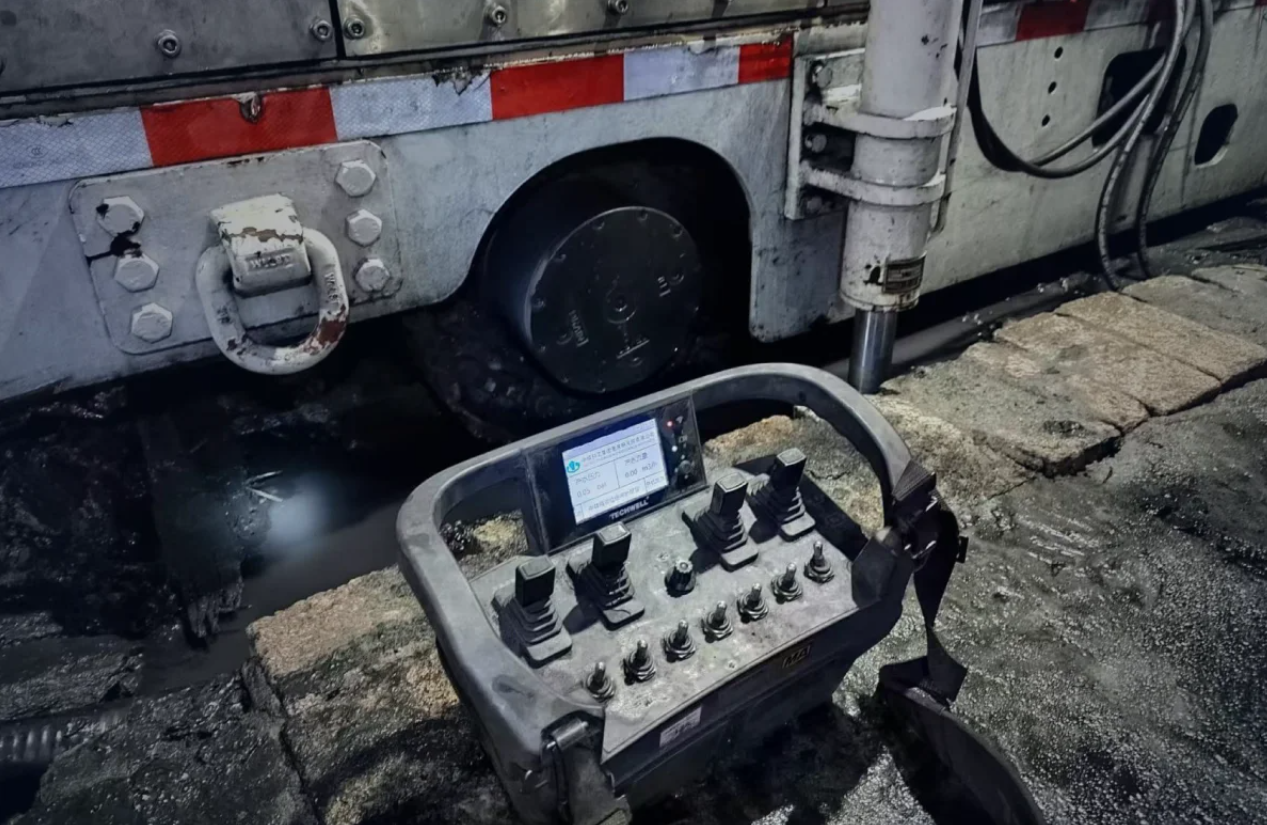
Industrial equipment often operates in areas where direct access is limited or where operator distance is required for safer management. In these situations, wireless control technology can help companies improve operation methods while keeping operators away from certain working zones.
For equipment manufacturers and system integrators, selecting a suitable control solution requires attention to communication reliability, safety functions, and system compatibility. Understanding these factors helps businesses develop equipment with practical control capabilities.

Understanding Control Requirements in Limited Access Areas
Restricted operating areas can appear in many industrial environments, including construction sites, lifting zones, mining areas, and specialized machinery applications. Operators may need to control equipment from a safer position while maintaining accurate communication with the machine.
The design of industrial wireless control systems needs to consider signal stability, working conditions, and equipment integration requirements. A reliable communication link helps operators manage machines with clearer control processes during different tasks.
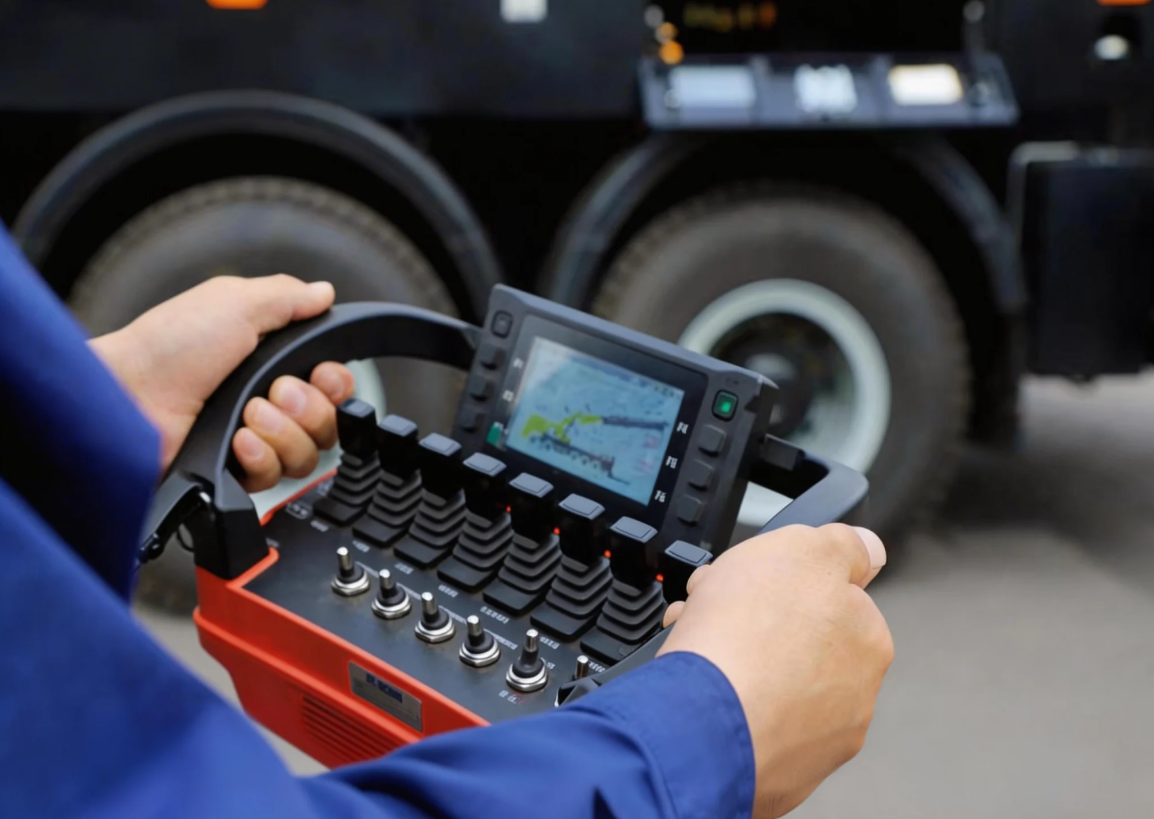
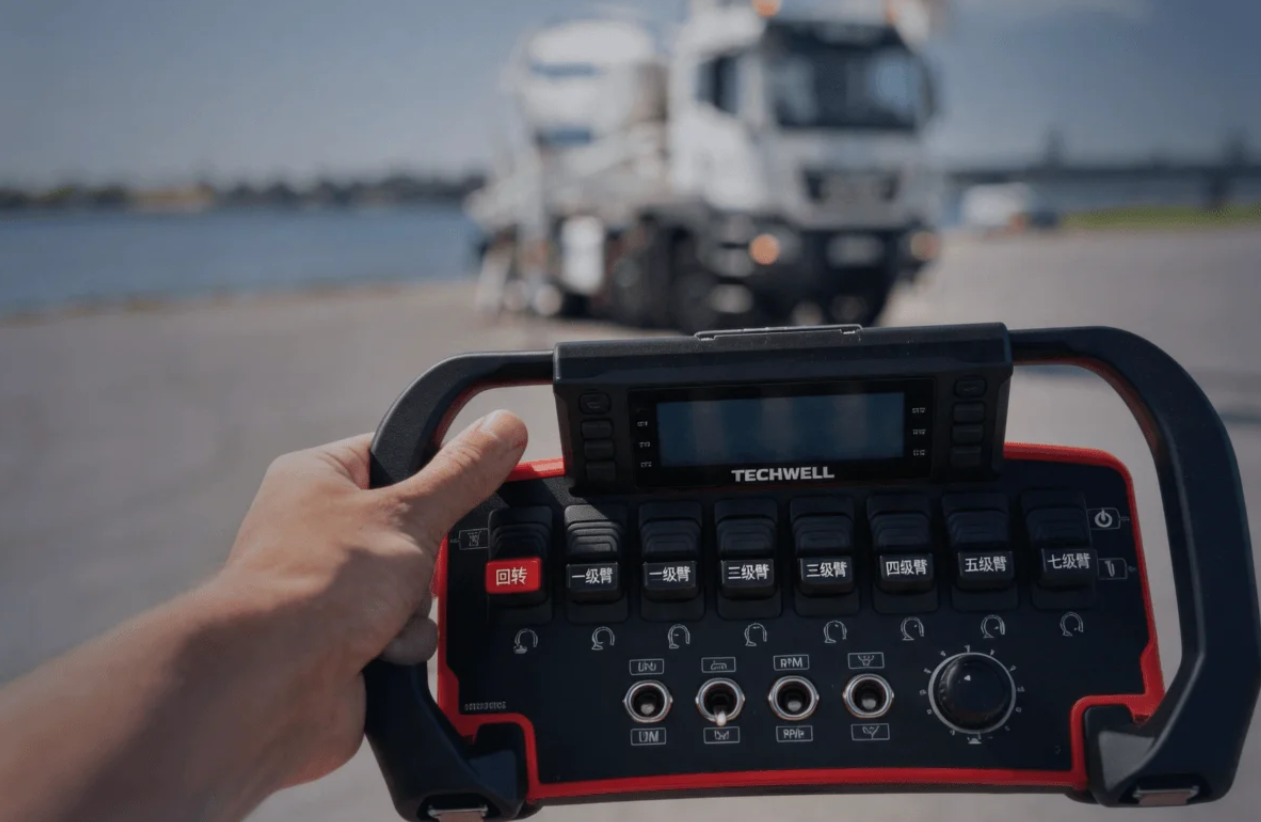
Different machines have different control structures. A crane, engineering vehicle, or automated equipment platform may require different buttons, joysticks, or control layouts. OEM partners usually need solutions that match their machine design rather than a standard consumer product.
How Should Safety Functions Be Verified?
Wireless machine control from outside restricted work areas may reduce the need for operators to remain near moving equipment. However, the selected operating position must provide adequate visibility of machine movements and nearby hazards. Operators must also follow site access restrictions and established communication procedures.
Before installation, engineers should review the required emergency-stop functions, movement interlocks, and responses to radio communication loss. They should verify whether the selected transmitter-receiver configuration provides the necessary status indications and fault responses. Restoring communication must not cause unexpected machine movement.
Manufacturers should document the applicable machine safety requirements, supported control functions, and regional standards. Where a functional safety performance level is claimed, the relevant certificate or assessment must identify the covered function and approved configuration. Site commissioning should verify these functions on the connected machine rather than relying solely on component specifications.
What Information Is Needed for a Restricted Work Area?
Consider an overhead crane operating beside a restricted material transfer aisle in a manufacturing facility. Structural columns and stored materials may obstruct the operator’s view of the lifting route. The project team must identify permitted operating positions, personnel exclusion zones, and locations where the suspended load cannot be observed directly.
Before selecting a wireless control system, engineers should document the crane model, lifting capacity, movement commands, and speed-control method. Electrical drawings must identify the control voltage, existing pendant functions, emergency-stop circuit, and travel-limit connections. The site layout should also show the proposed receiver location and possible radio obstructions.
Where Does the Wireless Control System Connect?
When evaluating industrial secure remote access control for restricted work areas, buyers should first define the control method and system boundaries. In this crane application, the transmitter sends radio commands to a compatible receiver connected to the existing machine control system. This arrangement concerns wireless machine operation rather than remote network access. Engineers should verify control authority, receiver outputs, movement interlocks, and communication-loss responses before commissioning.
System documentation should identify the command-to-output mapping, movement interlocks, and expected responses to emergency-stop activation or communication loss. Operators must not be able to restart movement unexpectedly when the radio connection returns. Qualified technicians should verify these behaviors against the complete machine design.
Wireless control does not remove site access restrictions. Operators must maintain the required view of the load and travel path or follow established procedures involving a designated signaler. The proposed operating positions must remain outside defined exclusion zones.
What Must Be Confirmed During Site Acceptance?
Commissioning tests should check each lifting and travel command, movement direction, speed selection, and stopping response. Engineers should also test conflicting commands, travel limits, emergency-stop operation, communication loss, and restart conditions. Results must be recorded against defined acceptance criteria rather than assumed from product specifications.
Radio coverage should be measured at planned operating positions, including areas near structural columns and metal equipment. The project team should document locations with inadequate coverage and resolve them before approving the operating arrangement. Operator visibility and signaler communication procedures also require practical verification.
For OEM integration or retrofit inquiries, customers can provide their crane model, electrical drawings, control functions, site layout, and required receiver interfaces. Techwell Remote Control can review these inputs and discuss available configurations. The final handover should include updated wiring diagrams, an I/O mapping table, configuration records, and completed commissioning reports.