Crane operation depends on accurate movement, clear communication, and suitable working arrangements. In many industrial environments, operators need to manage lifting tasks while considering visibility, distance, and surrounding equipment. The position where operators control cranes can influence workflow organization and daily operation efficiency.
Remote control technology provides another approach for companies that need more flexibility during lifting processes. Industrial crane remote control solutions allow users to review different operating conditions and control requirements before selecting a suitable method. By understanding working environments and equipment needs, industrial users can improve their crane management plans.
The Importance of Operator Position in Crane Applications
Cab-based crane operation provides a fixed observation position, while wired pendant controls allow operators to move within the limits of cable length and routing. Both methods can be suitable for different crane layouts. Visibility may become restricted when large loads, structural columns, or nearby machinery obstruct the operator’s view.
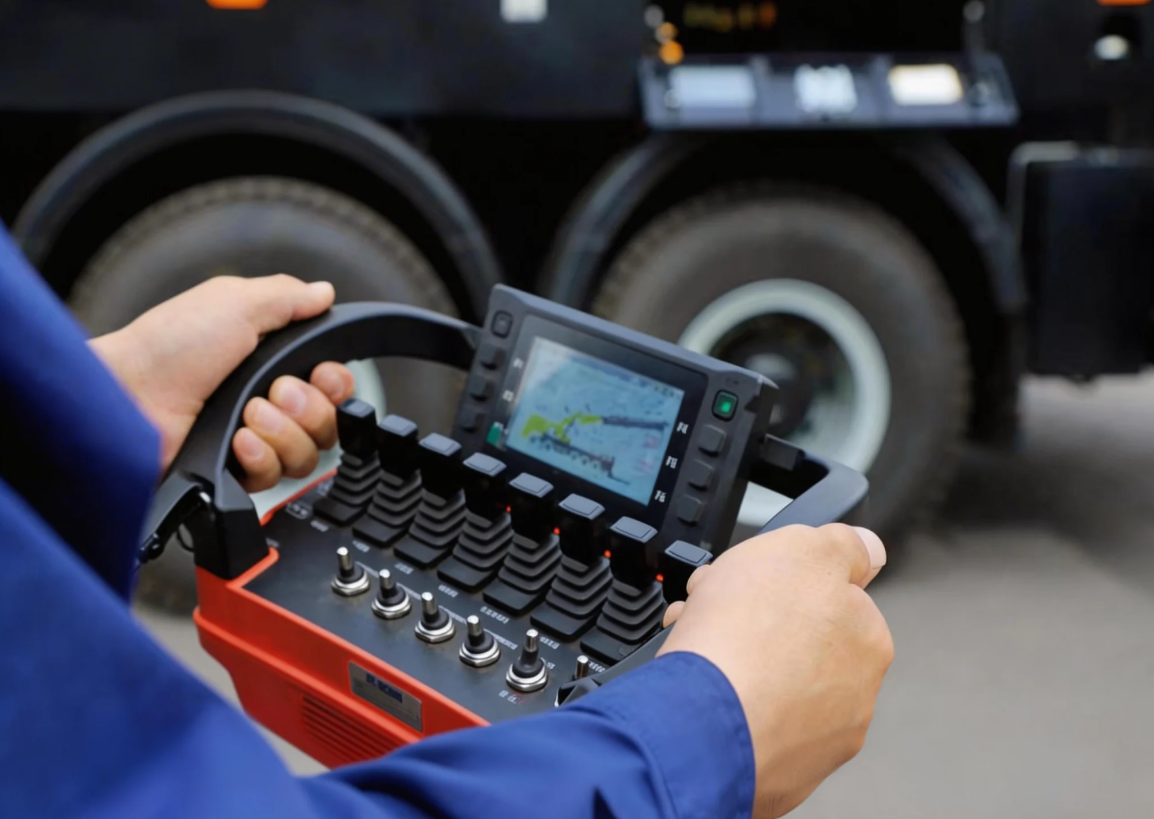
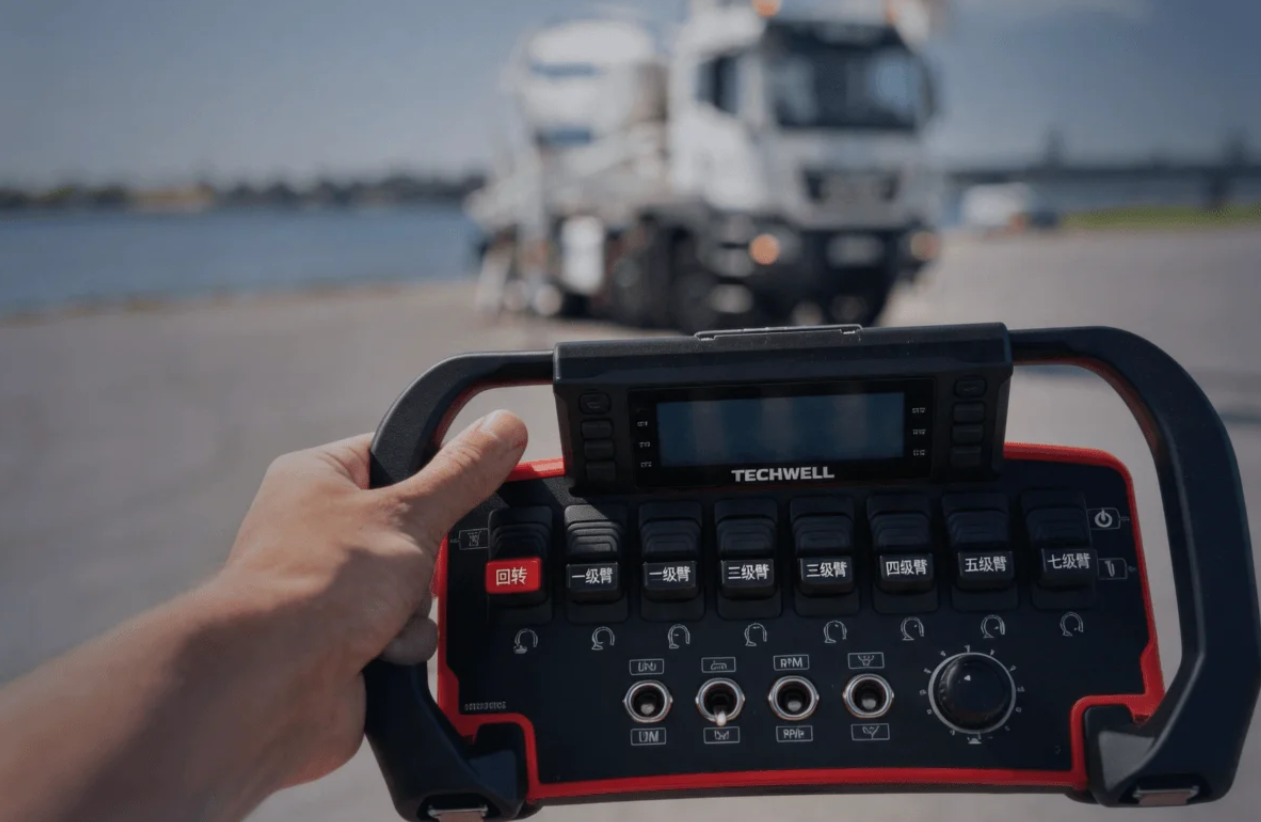
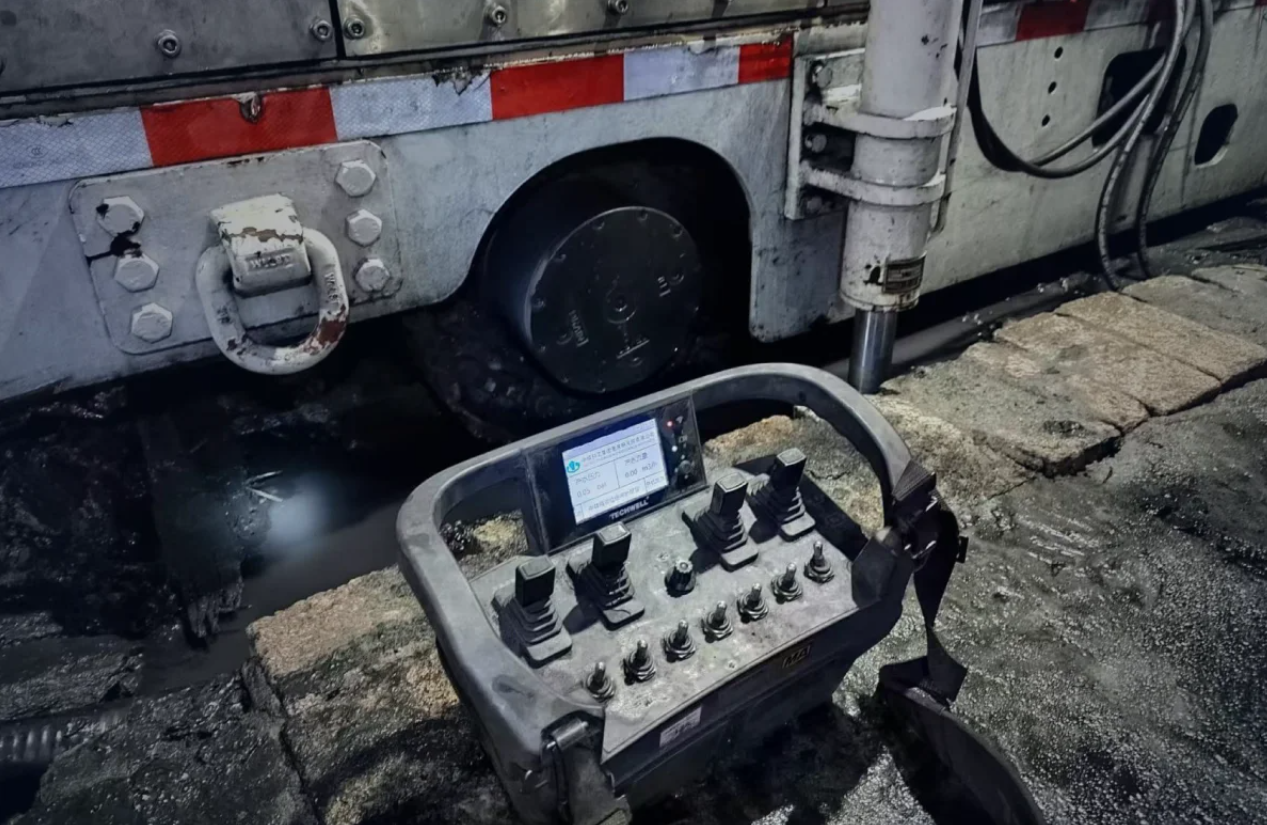
An industrial crane remote control may allow operators to select positions with a clearer view of the suspended load and its travel path. However, they must remain outside exclusion zones and never stand beneath suspended loads. When the operator needs to change position, crane movement should be stopped first. Obstructed lifting operations must follow site procedures for designated signalers.
Wireless operation also depends on radio coverage. Metal structures, building layouts, and moving equipment may affect communication between the transmitter and receiver. Engineers should test signal coverage at planned operating positions and verify the crane’s response to communication loss. The specified transmission distance alone cannot determine whether an operating position is suitable.
Before choosing a control method, project teams should compare operator visibility, available walking space, cable restrictions, and wireless coverage at the actual site. The assessment should also include emergency-stop functions, lifting routes, and communication procedures between operators and signalers. These checks help determine whether wireless control offers a practical advantage for the specific crane arrangement.
How Remote Control Supports Industrial Workflows
Remote control changes the interaction between operators and lifting equipment. Instead of depending only on fixed control stations, workers can manage crane movements from a more suitable position.
For industrial applications, industrial wireless control systems provide a flexible way to connect operators with machines. These systems usually involve wireless communication technology, transmitters, receivers, and control functions designed for specific equipment needs.
Before selecting a control system, businesses should review crane types, operating distance, installation conditions, and maintenance requirements. These details help users understand whether the system matches their application environment.
Remote operation also supports different working processes. Companies can organize tasks according to site conditions while allowing operators to focus on equipment movement and material handling procedures.
Communication Requirements in Complex Industrial Environments
Communication stability is an important consideration for crane remote control. Industrial areas may contain motors, electrical devices, and other equipment that can influence signal conditions during operation.
System selection requires attention to application details. Frequency design, anti-interference performance, and equipment compatibility are factors that may affect remote operation quality in different environments.
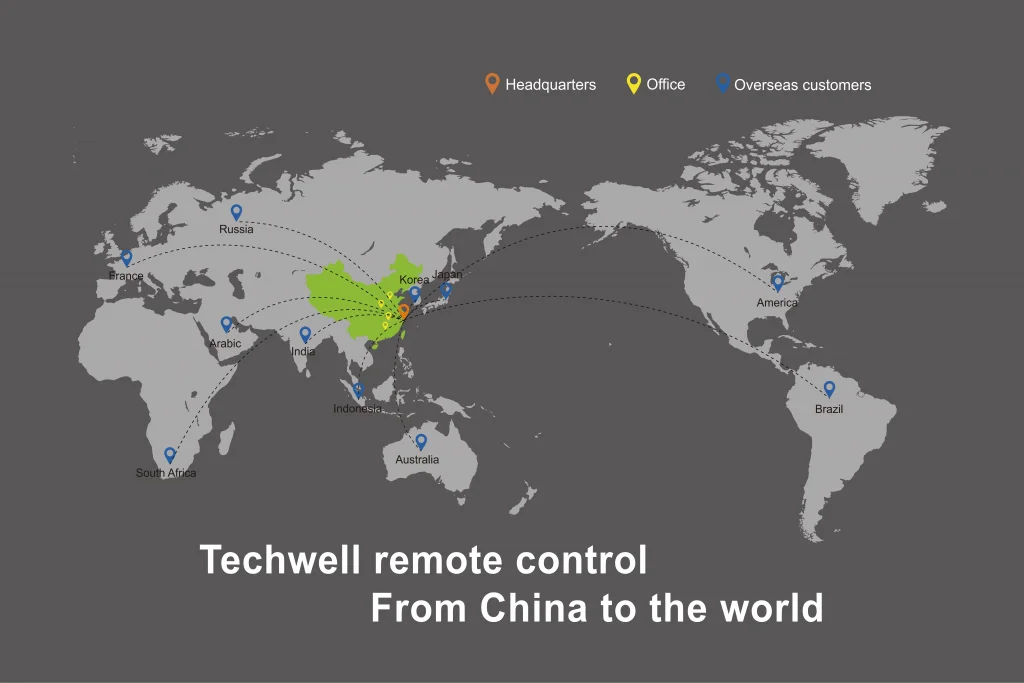
Techwell Remote Control develops wireless control products for industrial applications, including crane and material handling fields. We focus on practical requirements from users and provide solutions based on different operating conditions.
Product Design and Daily Operation Considerations
Product design plays an important role in daily crane operation. Operators need equipment with clear functions, stable response, and suitable handling methods for repeated tasks.
Control layout is one factor that affects user experience. Simple button arrangements and practical operation methods help workers understand commands during lifting processes.
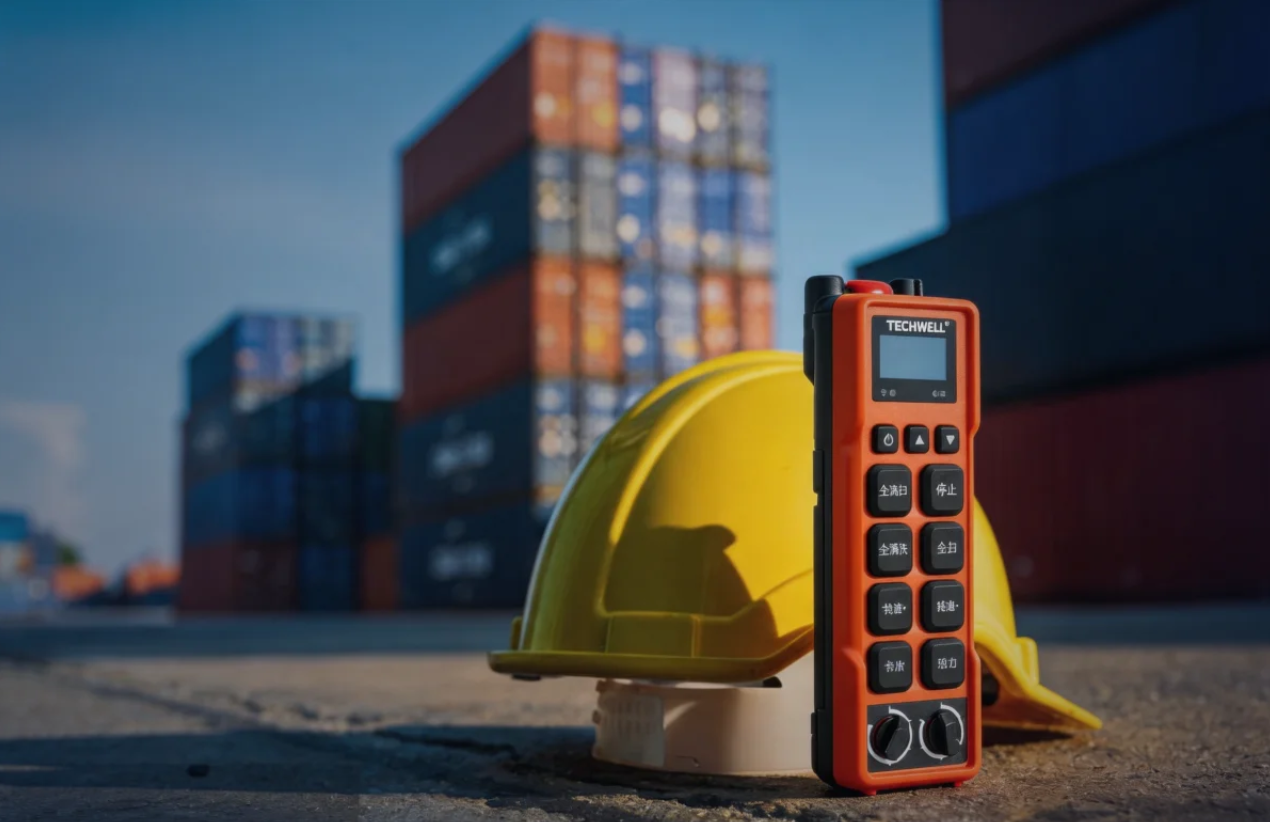
Industrial environments may include dust, vibration, or electrical interference. Companies need to review product design according to actual working conditions instead of focusing only on basic control functions.
Remote control equipment should also match existing crane systems. Compatibility with current equipment can influence installation planning, training arrangements, and future maintenance work.
Flexible Crane Management with Remote Technology
Modern industrial projects often require more flexible equipment management methods. Remote crane operation allows companies to consider operator location as part of their overall workflow planning.
Industrial crane remote control helps users manage lifting tasks from positions that may provide better observation and coordination. However, system performance also depends on correct installation, suitable operation methods, and regular equipment review.
We work with industrial partners to understand different application requirements and develop control solutions for various crane scenarios. Techwell Remote Control supports users with wireless remote control products designed for industrial environments.
The development of remote operation technology gives companies more choices when improving crane workflows. By evaluating site conditions, operator needs, and equipment features together, businesses can create more organized operation processes.
Practical Decisions for Remote Crane Applications
Selecting a crane remote control method requires consideration of both technical details and working conditions. Businesses need to review communication requirements, equipment structure, and operator habits before planning implementation.
Industrial wireless control systems offer another option for companies that need remote equipment management in industrial environments. We continue to focus on practical product development and application needs to support different operation scenarios.
Crane remote control from the operator’s preferred working position shows how technology can connect with real workplace requirements. Through careful evaluation of equipment and workflows, industrial users can develop control methods that match their projects and future operation plans.