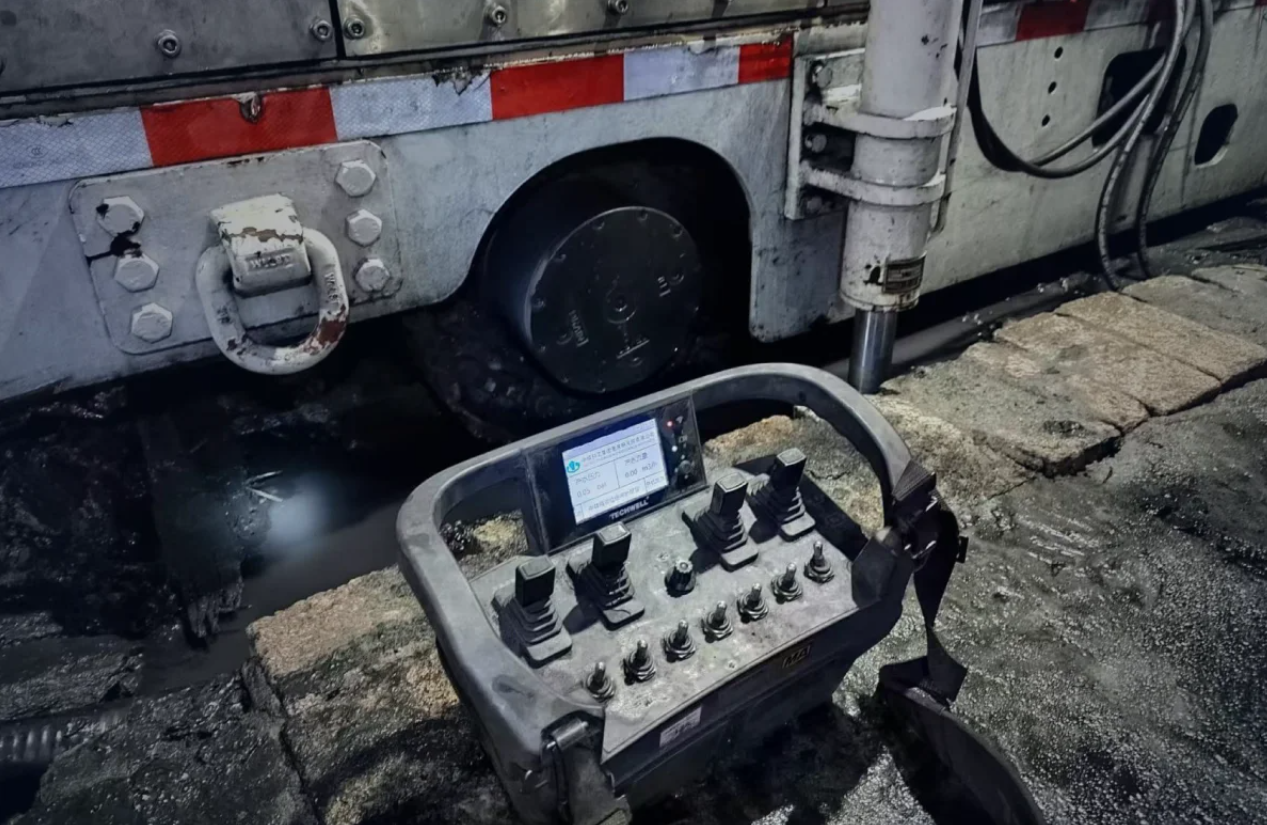
Crane operation in industrial environments depends on accurate control, clear communication, and stable equipment response. With the development of modern manufacturing, warehouses, and heavy industrial production, operators are facing more complex working conditions. Traditional wired control methods may create limitations in movement, visibility, and workplace organization.
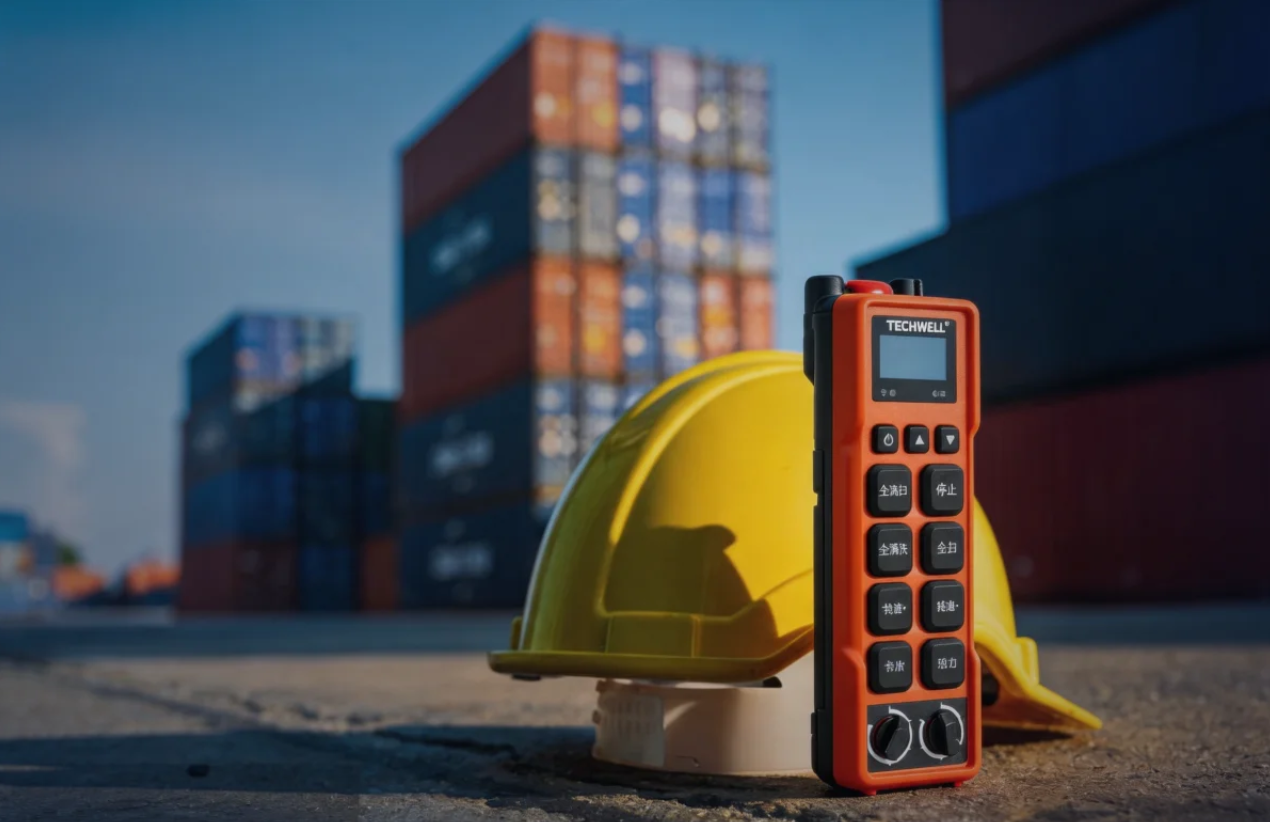
Wireless technology is changing the way crane operators complete daily tasks. It allows users to control equipment with fewer physical restrictions and provides more flexible operation methods. For industrial customers, understanding how an industrial crane remote control system works and how it matches different applications can help improve equipment planning and operational management.
Wireless Communication and Operator Flexibility
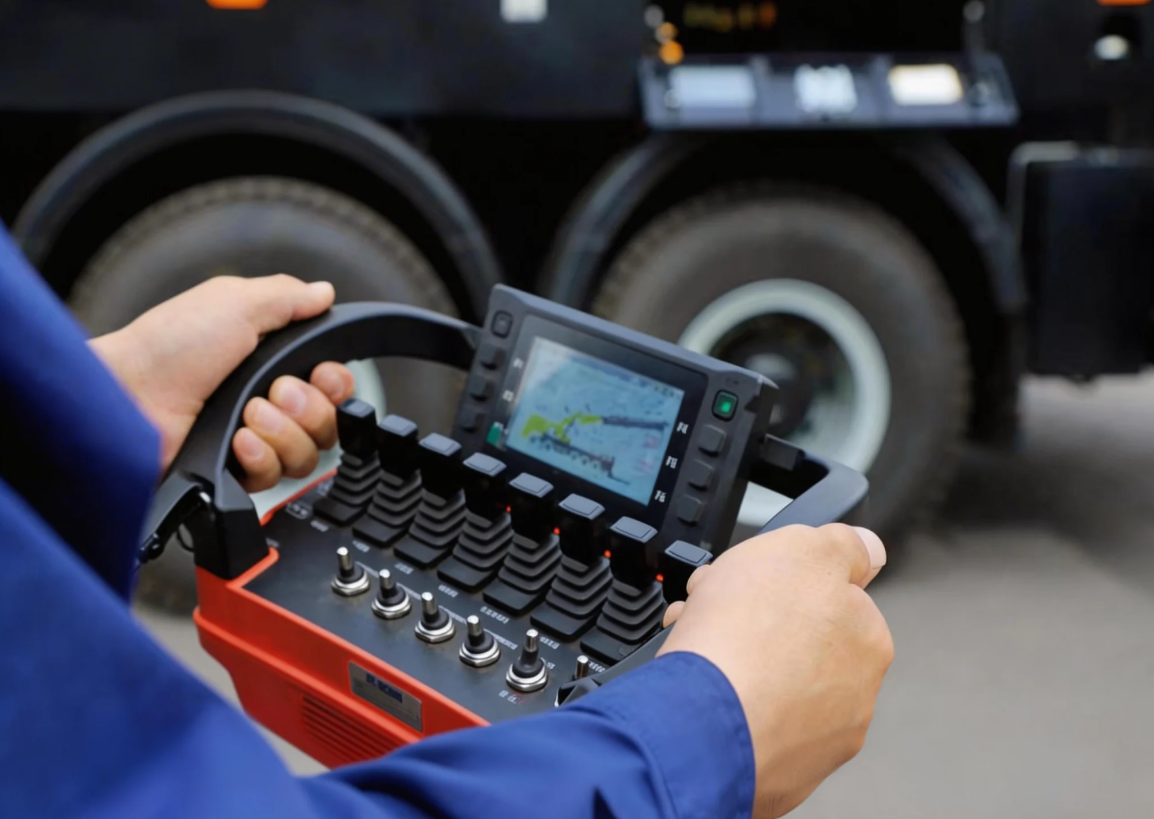
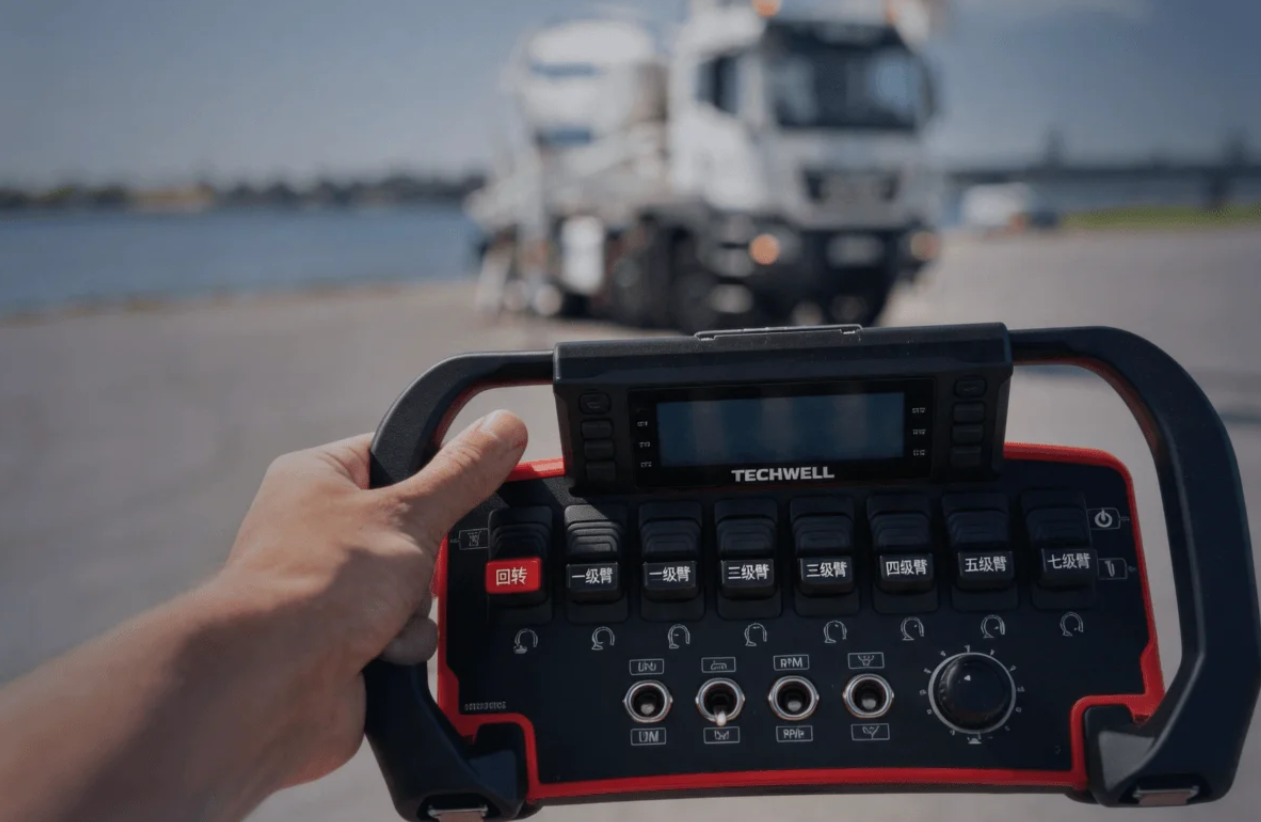
Cab-based or fixed-station crane operation can limit visibility in certain layouts, particularly when large loads, structural columns, or nearby equipment obstruct the operator’s view. Wired pendant controls offer more freedom of movement, but their operating range remains limited by cable length and routing. Wireless control may allow operators to choose positions with clearer views of the suspended load and its travel path. The actual benefit depends on the crane layout, available operating space, and site safety procedures.
We understand that crane operators need reliable communication during lifting processes. A practical wireless system should provide stable control while allowing users to focus on equipment movement, material handling, and workplace conditions.
For companies evaluating industrial wireless control systems, flexibility is an important factor during project planning. Different factories have different layouts, production processes, and safety requirements. A control solution should be selected based on actual operation conditions rather than only general specifications.
Wireless communication also changes the way teams cooperate during crane operation. Operators can communicate with other production staff more effectively, while managers can organize workflows based on real site conditions. This creates a more connected approach to industrial equipment management.
Factors to Consider in Complex Industrial Environments
Industrial workplaces often include demanding conditions such as high temperatures, dust, electromagnetic interference, and limited operating space. Crane control equipment needs to consider these factors to maintain stable communication and support continuous operation.
Different industries also have different application requirements. For example, warehouses may focus on flexible equipment management, while metal production facilities may require systems designed for more challenging environments. Understanding these differences helps businesses select suitable control methods.
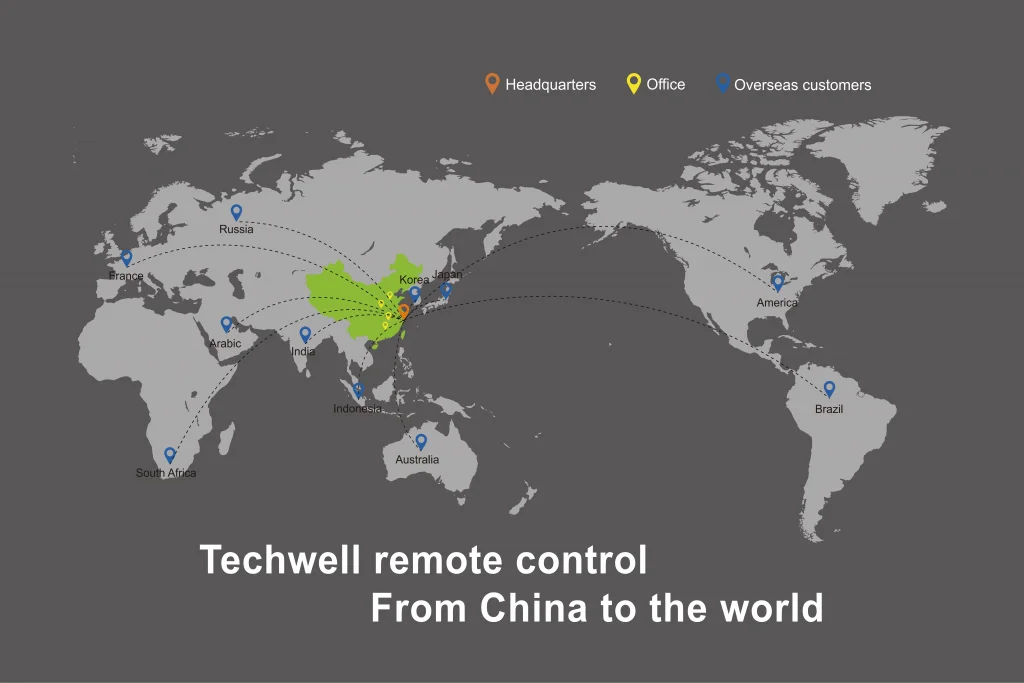
We at Techwell Remote Control develop wireless control solutions based on industrial operation needs. Our products focus on connecting operators with equipment through reliable communication technology while considering practical requirements from different application scenarios.
A suitable wireless system can reduce unnecessary movement around machinery and improve the operator’s working experience. When operators can manage equipment from a clearer position, they can better observe lifting conditions and respond to changes during operation.
How Wireless Control Supports Crane Management
Wireless technology changes not only the way operators control cranes but also how companies manage production processes. In large factories and industrial areas, multiple pieces of equipment may operate at the same time, creating higher requirements for communication and coordination.
Cab-based or fixed-station crane operation can limit visibility in certain layouts, particularly when large loads, structural columns, or nearby equipment obstruct the operator’s view. Wired pendant controls offer more freedom of movement, but their operating range remains limited by cable length and routing. Wireless control may allow operators to choose positions with clearer views of the suspended load and its travel path. The actual benefit depends on the crane layout, available operating space, and site safety procedures.
For systems supporting multiple transmitters, the control arrangement must define how each operator requests, obtains, and releases control authority. The active transmitter and selected machine should be clearly identified, with confirmation before control commands are accepted. Interlocks must prevent conflicting commands from different transmitters. Control transfer should occur only after the current movement has stopped, and the handover procedure must be verified during commissioning.
Sequential control of different cranes should not be confused with synchronized operation. Simultaneous lifting requires separate engineering assessment of movement coordination, load distribution, emergency-stop behavior, and communication-loss responses. Buyers should request control-authority diagrams, selection feedback details, interlock logic, and test records. Support for multiple transmitters or receivers alone does not establish safe coordinated lifting capability.
When businesses review crane control solutions, they usually consider several factors, including working environment, equipment arrangement, and future expansion possibilities. A flexible control structure can provide more options when production requirements change.
Key Points for Selecting a Suitable System
Selecting a wireless crane control solution requires a clear understanding of actual operating conditions. Companies need to review factors such as equipment type, workplace layout, operator habits, and maintenance requirements before choosing a suitable system.
Signal stability is an important part of industrial wireless communication. Surrounding machinery, factory structures, and electromagnetic conditions may influence system performance. A proper design should consider these factors during the selection process.
We continue to focus on practical industrial applications and customer requirements when developing control solutions. For businesses considering industrial wireless control systems, reviewing technical functions together with site conditions can help create a more organized equipment evaluation process.
Maintenance planning is also an important consideration for industrial users. A system that matches operational needs can help companies manage inspections, adjustments, and future upgrades more efficiently. This approach supports long-term equipment management without adding unnecessary complexity.
Future Changes in Crane Operation
Wireless technology is gradually influencing modern crane operation by changing how users interact with industrial equipment. From improving operator flexibility to supporting complex production environments, wireless communication provides new methods for equipment management.
With experience in industrial remote control applications, Techwell Remote Control works with business partners to develop solutions that connect communication technology with practical operation requirements. We focus on understanding application conditions and helping customers evaluate suitable control approaches.
As industrial environments continue to evolve, crane operators will need systems that support flexible operation and stable communication. By reviewing technology functions, workplace conditions, and future requirements, businesses can make clearer decisions for crane control planning and equipment upgrades.