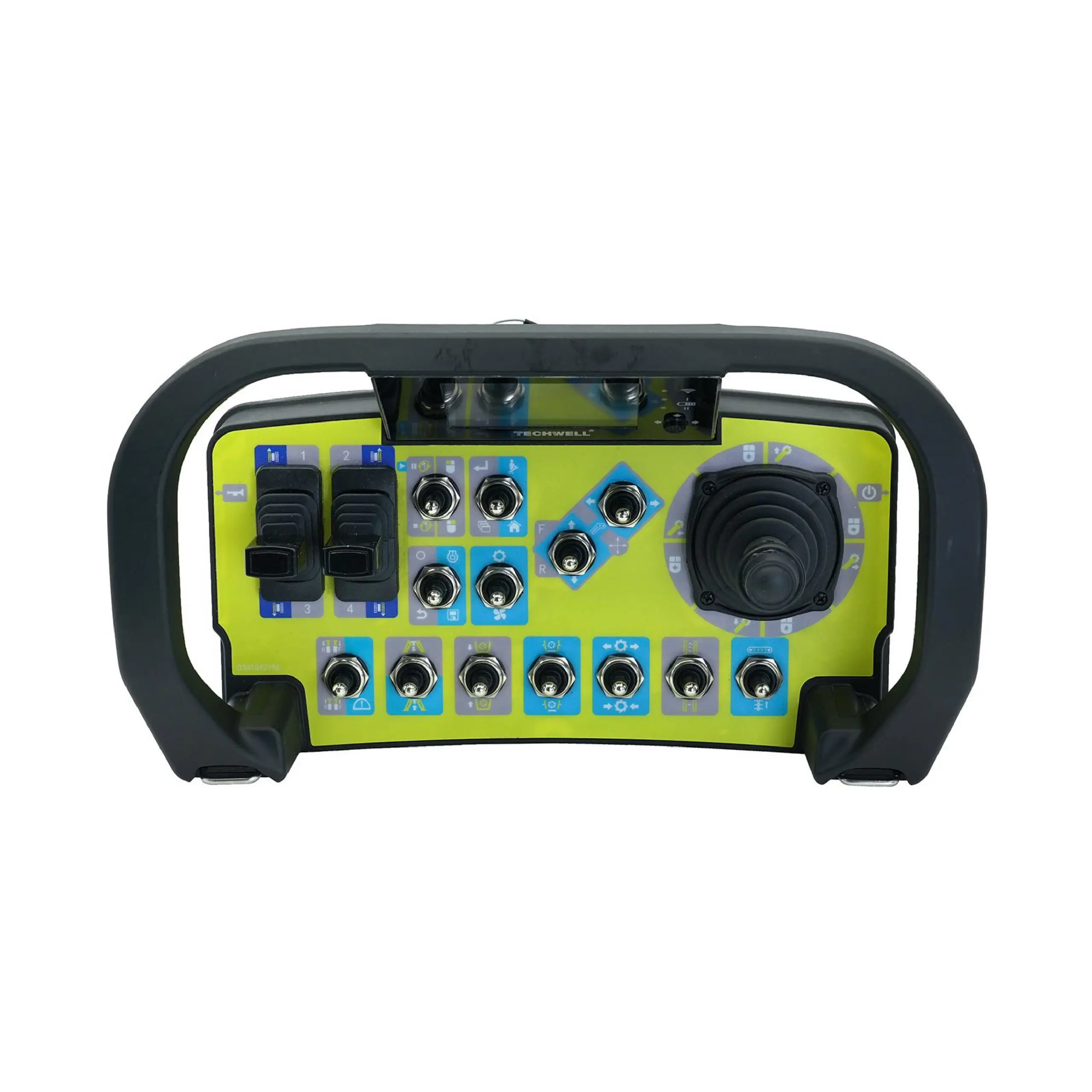
insight
Mining sites may present different operating restrictions. This article examines three practical scenarios rather than treating them as a fixed industry classification: physically constrained locations,

Mining sites may present different operating restrictions. This article examines three practical scenarios rather than treating them as a fixed industry classification: physically constrained locations,
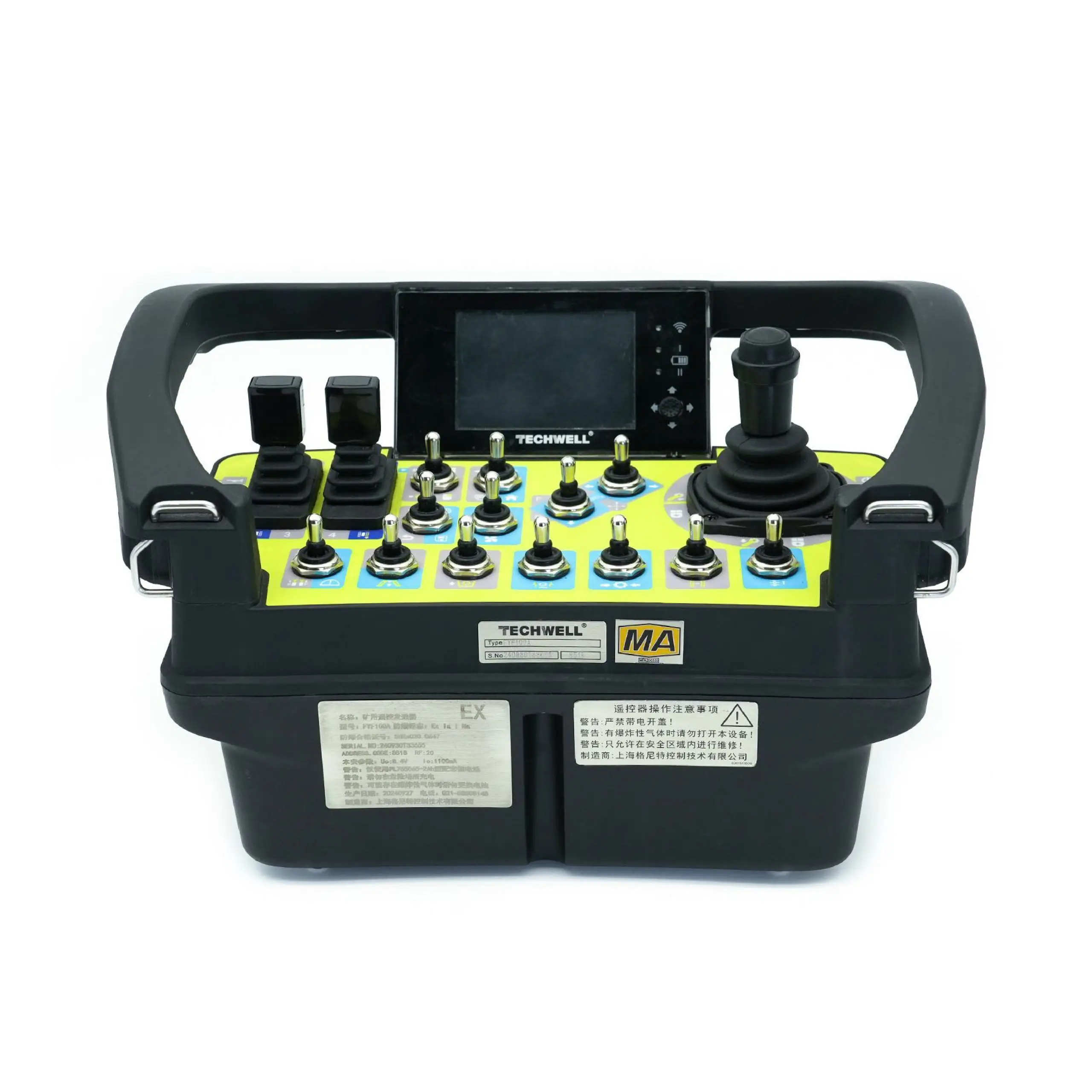
Mining operations often take place in challenging conditions where dust, moisture, vibration, and hazardous gases may affect equipment performance. Control systems used in these environments
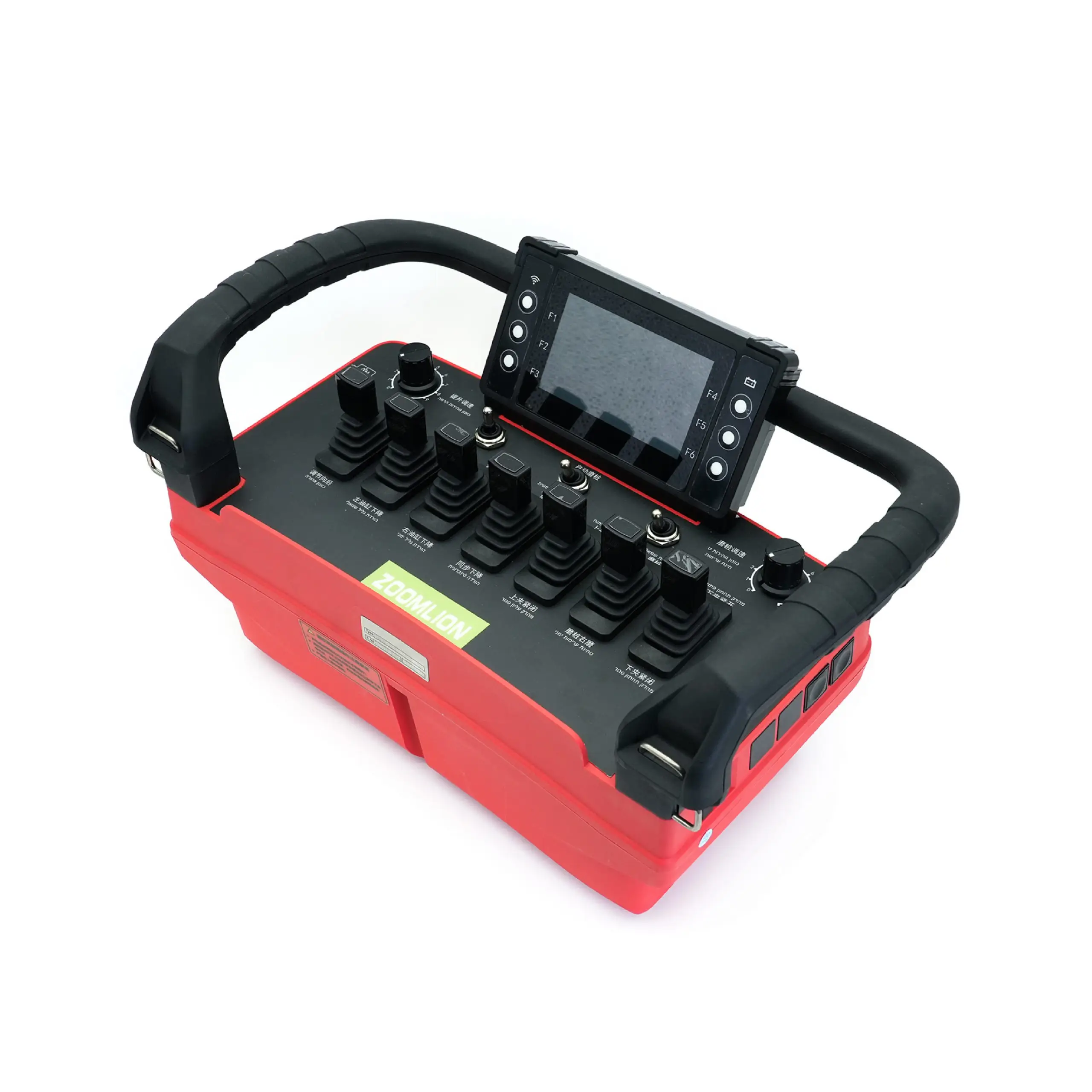
Material handling operations are becoming more flexible as industries improve equipment management and workplace efficiency. In many lifting applications, operators need better visibility and more
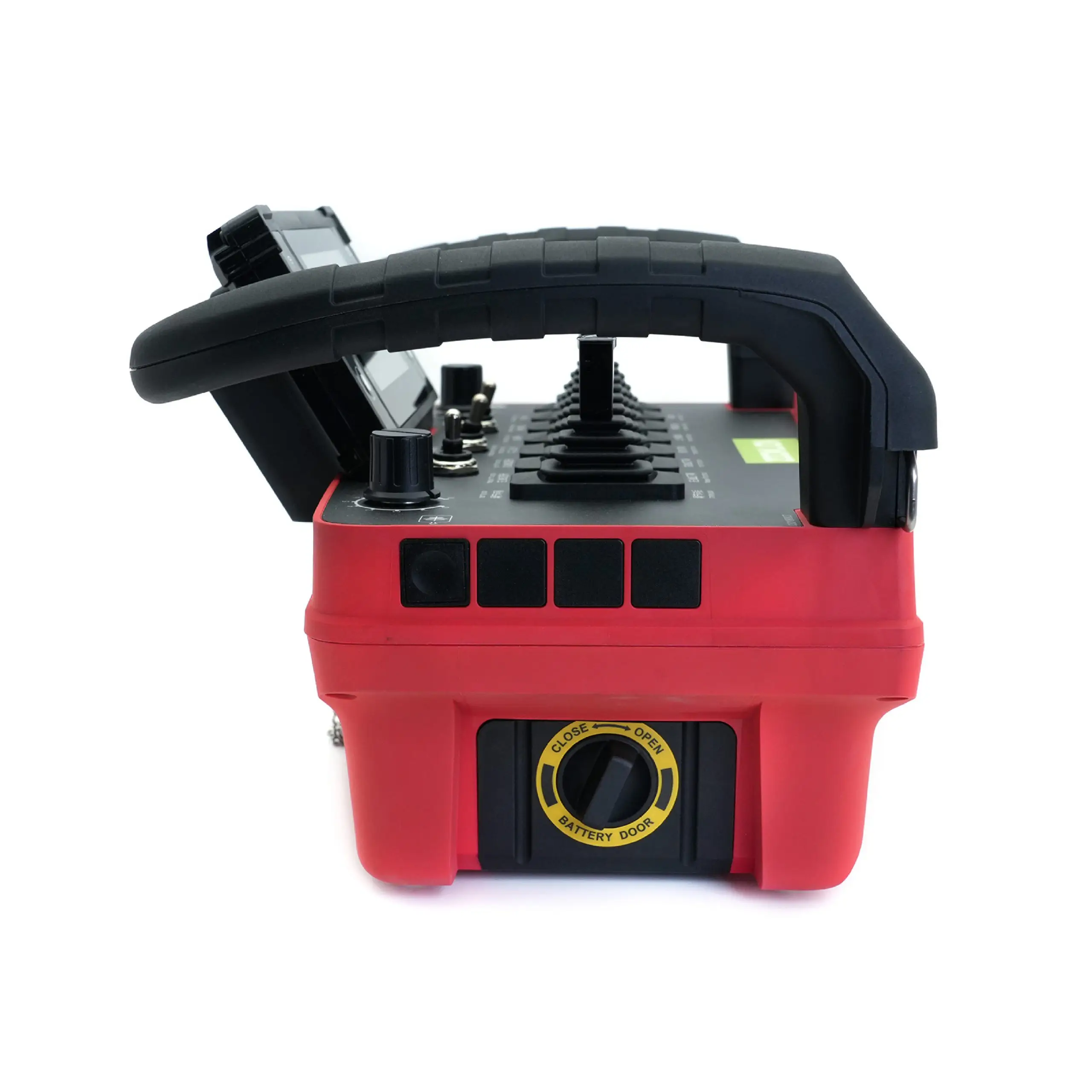
Industrial lifting and material-handling equipment may require controlled adjustments to movement direction, speed, and position. Through a joystick transmitter, operators can send directional commands or
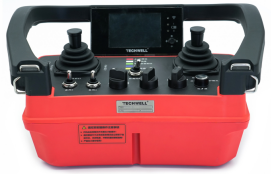
A belly box controller offers a body-worn alternative to handheld transmitters and fixed control panels. Its design must balance weight, access to controls, and freedom

Industrial equipment operation is changing as workplaces require more flexible control methods. Fixed control stations may limit operator movement when machines are used in large

Construction-site lifting often involves moving materials between loading areas, storage points, and designated landing zones. Operators must coordinate equipment movements while dealing with temporary structures,

The handheld controller is one part of the machine that the operator actually holds throughout the working process. It may be exposed to drops, dust, repeated
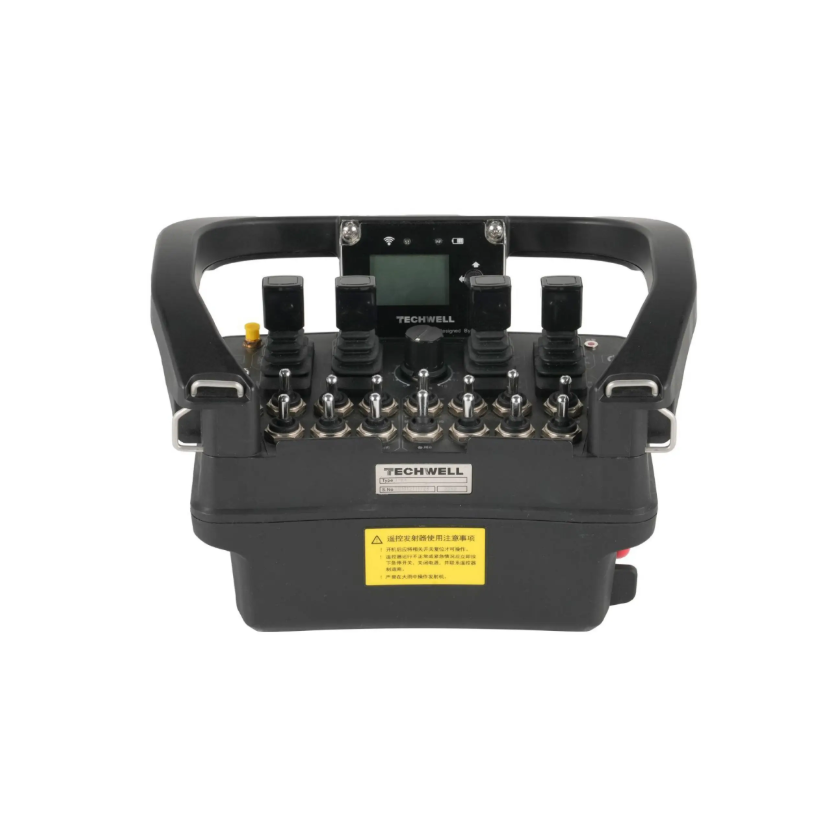
Heavy equipment operating in mining, construction, and industrial environments often faces strict requirements for safety and control performance. When machines work in areas with dust,

Industrial lifting operations in hazardous environments require careful control solutions. Facilities such as petrochemical plants, chemical works, and tank farms may contain explosive gases, which