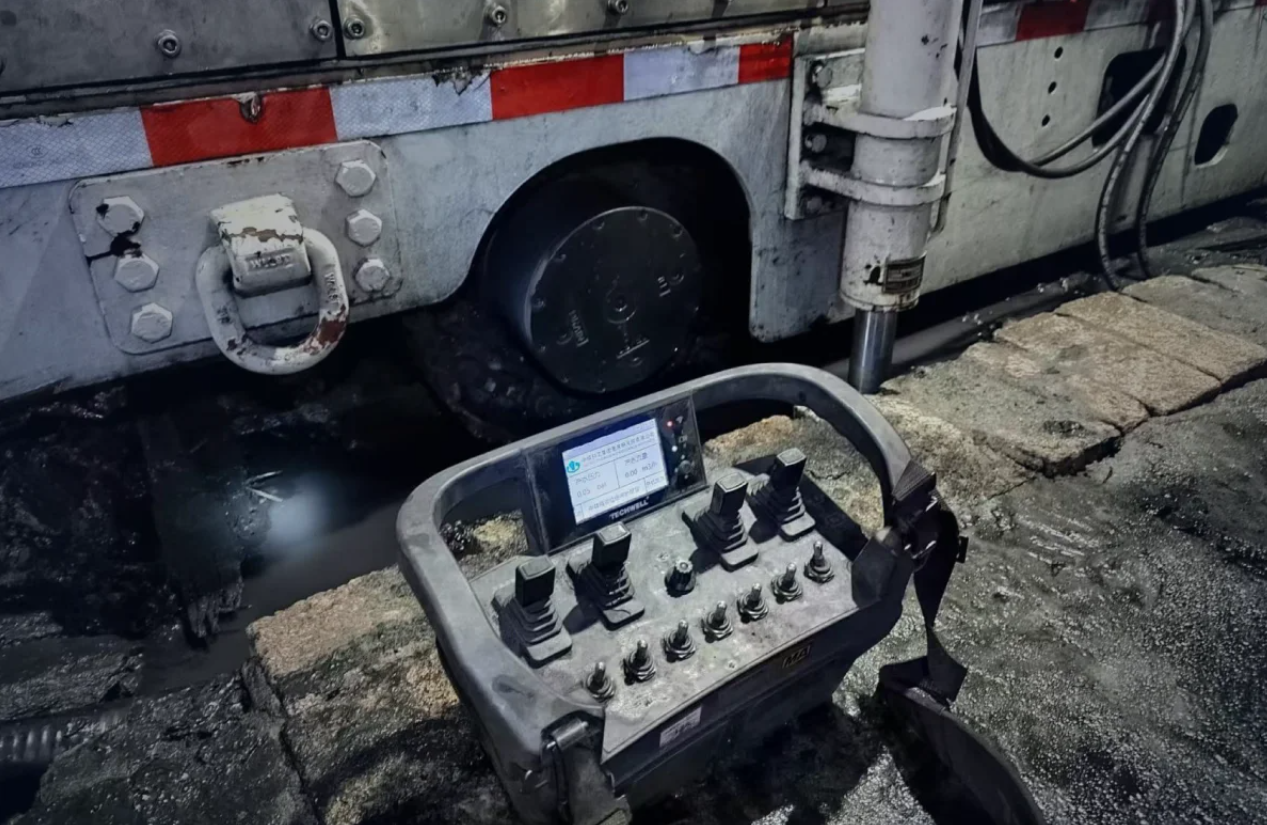
Industrial equipment operation is changing as workplaces require more flexible control methods. Fixed control stations may limit operator movement when machines are used in large areas, outdoor sites, or complex working environments. Wireless transmitters provide another option by allowing operators to control equipment from suitable positions.
For equipment manufacturers and industrial users, selecting a remote control solution requires attention to operating distance, environmental protection, and how frequently the equipment is operated. Frequent use may place greater demands on grip comfort, button accessibility, and battery maintenance. Daily working procedures and changing site conditions should also be considered when selecting a suitable control method.
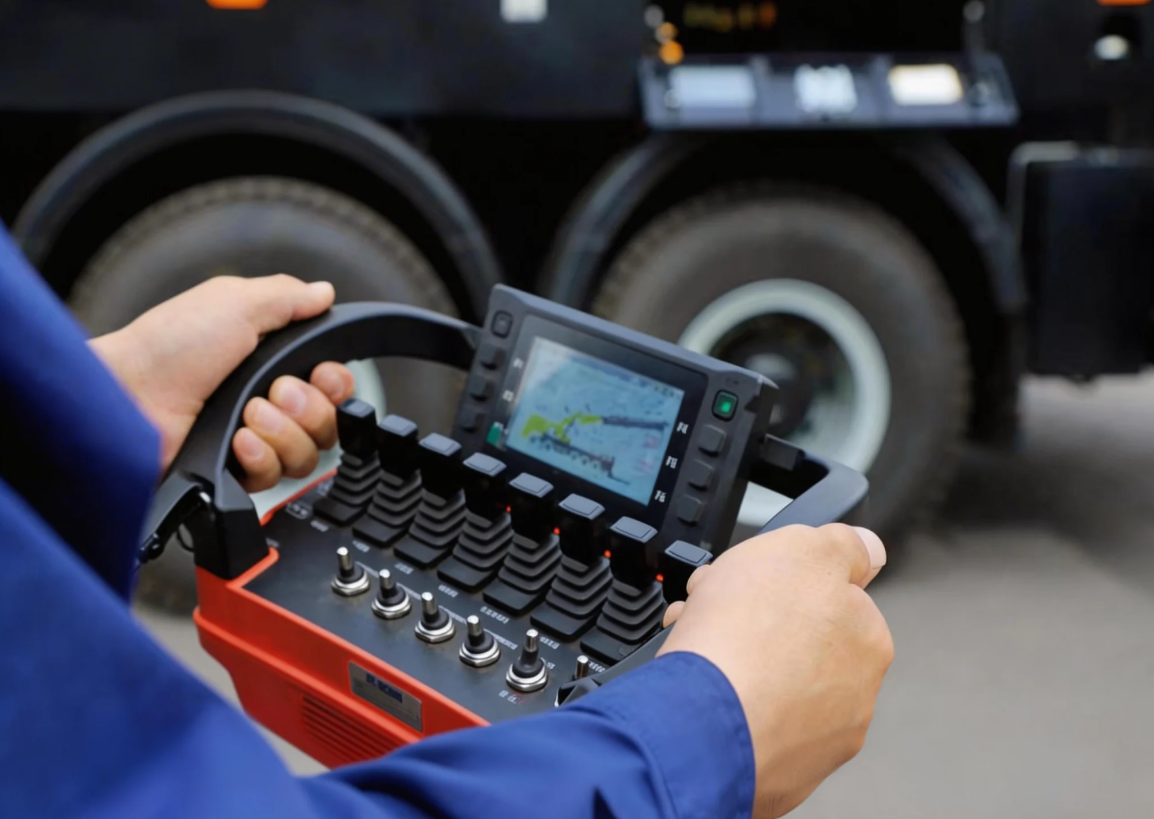
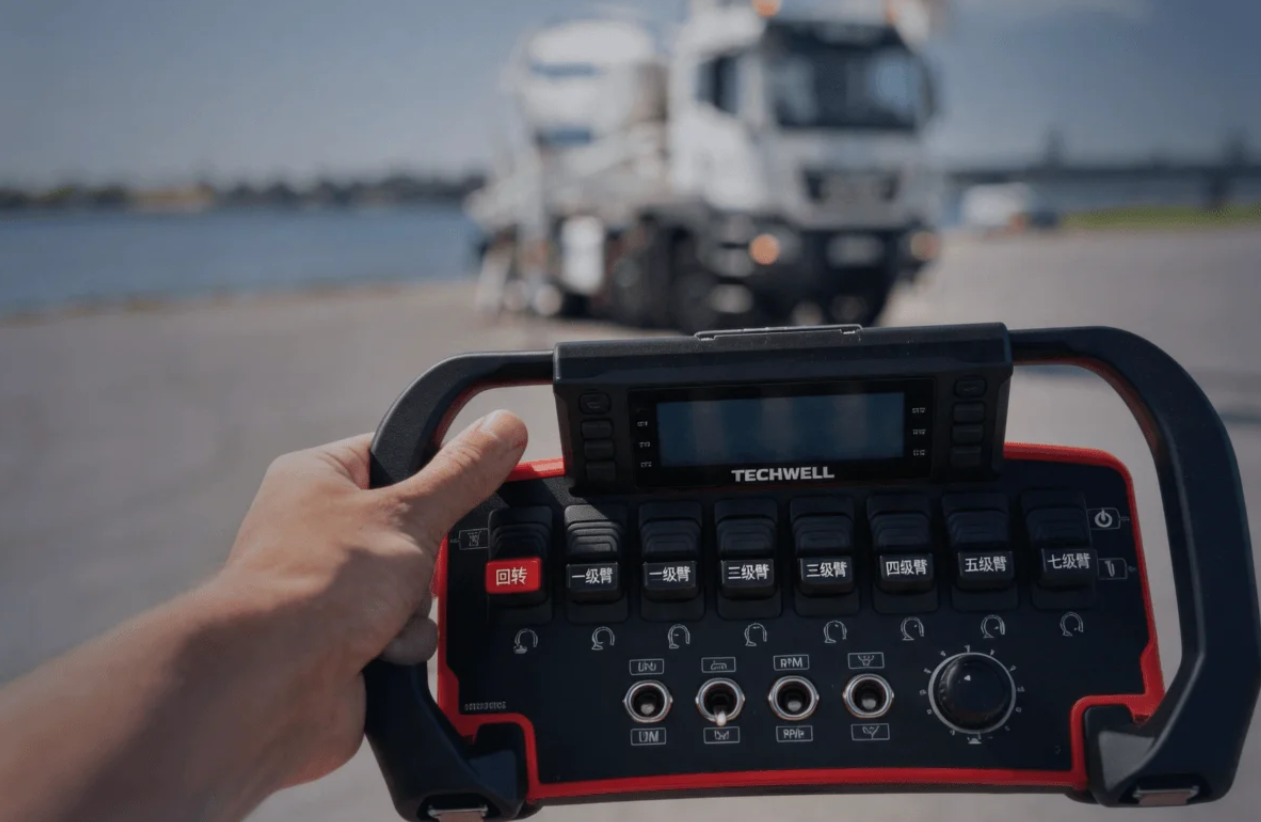
For crane and hoist applications, handheld industrial remote controls allow operators to issue movement commands from suitable working positions. Clear button labels and a practical control layout help operators identify the required functions without repeatedly looking down at the transmitter.
Industrial Factors Affecting Operator Access
Different industrial environments create different requirements for machine operation. Cranes, hoists, and lifting equipment often require operators to observe the working area while controlling movement. A portable transmitter can help improve operation flexibility during these tasks.
The working distance between operators and machines is an important consideration. Businesses need to evaluate site layout, equipment structure, and possible obstacles before selecting a wireless control system. These factors influence the required communication range and product design.
For projects involving heavy equipment, handheld industrial remote controls can provide a practical way to separate the operator position from the machine location. The control method should match the equipment functions and workplace conditions.
Wireless Control Features for Equipment Management
Wireless control systems usually need to balance convenience and reliability. Battery life, button response, housing protection, and operating temperature can affect product performance during daily use. These details are important for companies managing industrial equipment over long working periods.
Protection ratings are also related to application environments. Dust, moisture, and outdoor conditions may influence transmitter durability. A suitable housing structure helps the equipment adapt to different workplaces and reduces concerns during regular operation.
When evaluating handheld radio controls for machinery, buyers should consider the required machine movements, button layout, and receiver compatibility. For crane and hoist applications that use basic On/Off commands, a single-speed push-button transmitter may be suitable, provided its control functions match the machine’s operating requirements.
Product Design and Application Considerations
Compact transmitters are often preferred in applications where operators need mobility. Weight, size, and button arrangement influence whether a device can be carried and used comfortably during a shift. These design elements also affect operator familiarity and daily efficiency.
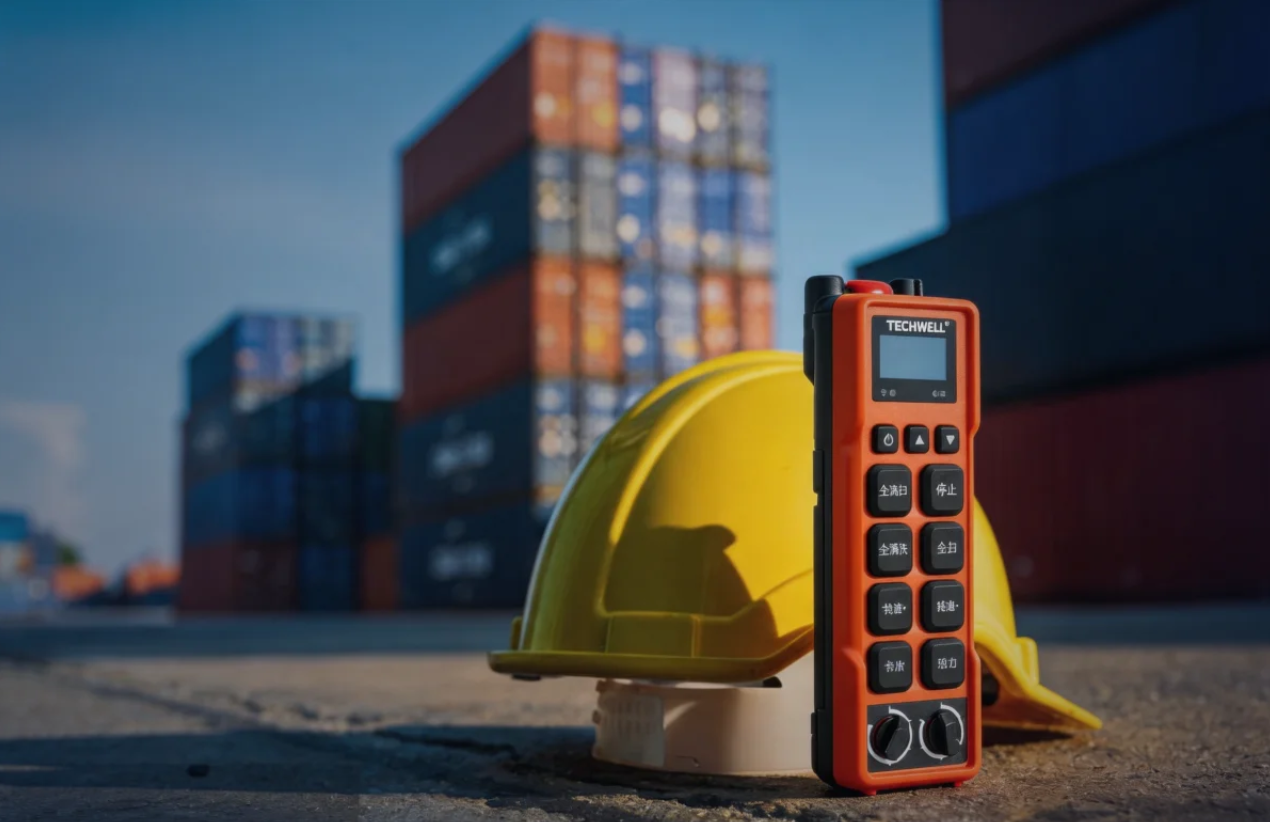
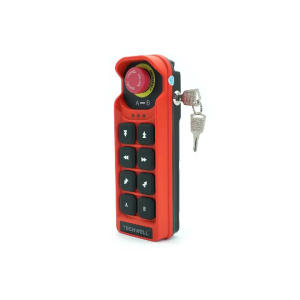
Our solutions include the BES08 industrial remote control transmitter, which is designed for straightforward crane and hoist operation. It features 8 self-resetting pushbuttons in a lightweight 0.2kg housing. With an IP66 rating, the transmitter is suitable for environments where dust and moisture protection are required.
During crane and hoist operations, operators may carry the BES08 between approved viewing positions while crane movement is stopped. Its compact design is intended to support convenient handheld operation, but one-handed button access should be verified through practical handling tests, particularly when wearing work gloves. The specified wireless range of ≥150 m applies under the manufacturer’s test conditions with a compatible receiver. Actual coverage may vary with obstacles and radio interference, so planned operating positions should be tested on site.
Product selection should also consider the type of machine being controlled. Different equipment may require different button functions, operating distances, and installation approaches. Reviewing these requirements before purchasing helps businesses avoid unsuitable configurations.
What Should Operators Check During Daily Handheld Use?
During crane and hoist operations, operators may carry the BES08 between approved working positions when equipment movement is stopped. Its compact design is intended to support convenient handling, but grip comfort, button reach, and operation while wearing work gloves should be checked under actual working conditions.
The BES08 from Techwell Remote Control uses two standard AA batteries. For frequently operated equipment, maintenance teams should establish a battery replacement routine based on actual usage and the manufacturer’s instructions. Batteries should be replaced with the equipment in a safe state, and the battery compartment cover should be checked before operation resumes.
Daily visual inspections should cover the housing, pushbuttons, labels, and battery compartment. Operators should look for cracks, damaged controls, loose covers, or signs of moisture. Equipment showing abnormal conditions should be removed from service and referred to qualified personnel for further inspection.
When evaluating handheld industrial remote controls, buyers should consider how frequently the equipment is operated, how often the transmitter must be carried, and whether battery replacement and routine inspections fit the work schedule. Contact Techwell Remote Control to request BES08 product documentation and confirm the recommended handling and maintenance requirements.