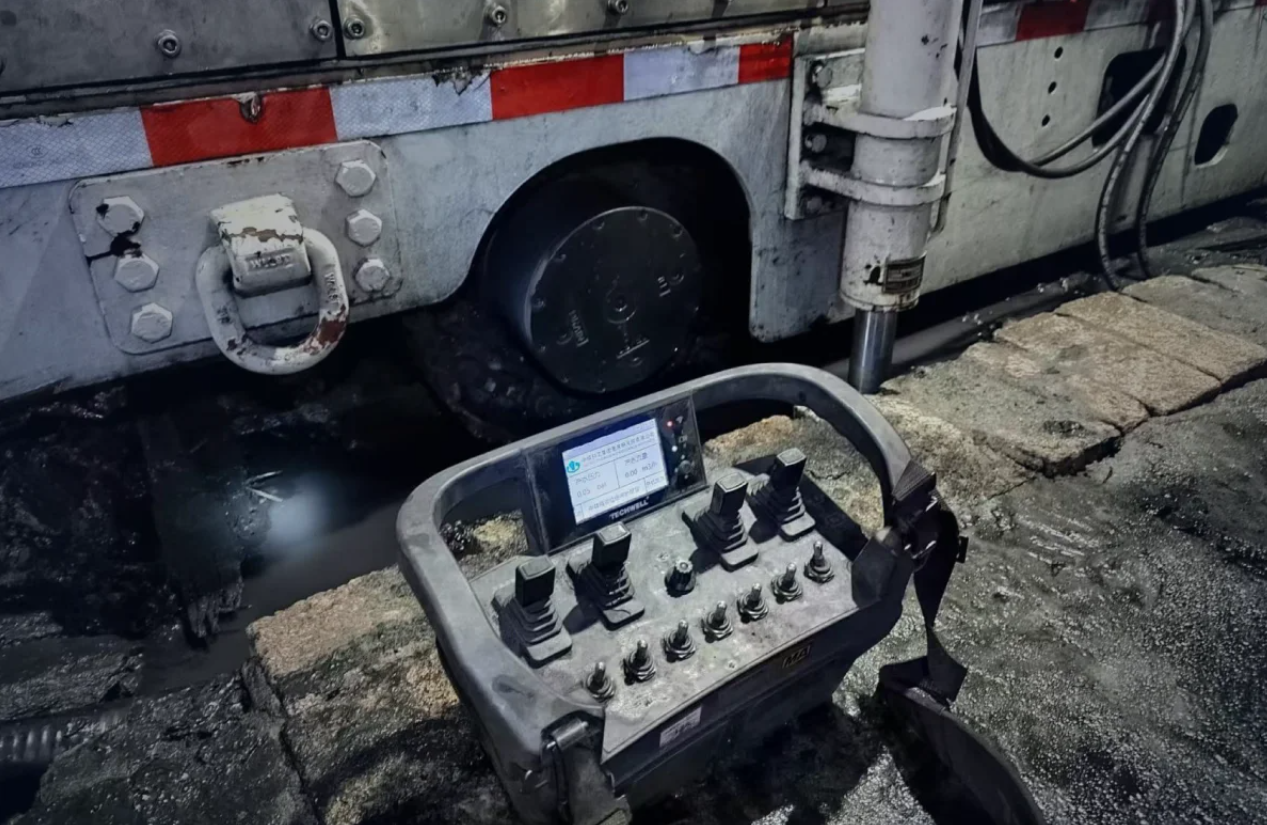
Industrial lifting and material-handling equipment may require controlled adjustments to movement direction, speed, and position. Through a joystick transmitter, operators can send directional commands or proportional control requests when supported by the system. However, movement precision depends on input sensing, signal resolution, wireless communication, control algorithms, actuator response, load conditions, and machine feedback. Manufacturers should evaluate these factors together under actual operating conditions.
For industrial equipment manufacturers and system developers, understanding how joystick transmitters work helps with better control planning. Signal stability, input accuracy, safety requirements, and machine compatibility are important factors when selecting suitable control methods for different applications. Reviewing these elements allows businesses to develop control systems that match equipment functions, operational environments, and long-term usage requirements.
Key Factors in Precision Machine Control
Machine operation often involves different speeds, directions, and working conditions. Operators need devices that can respond smoothly to commands while reducing unnecessary operation steps during daily tasks.
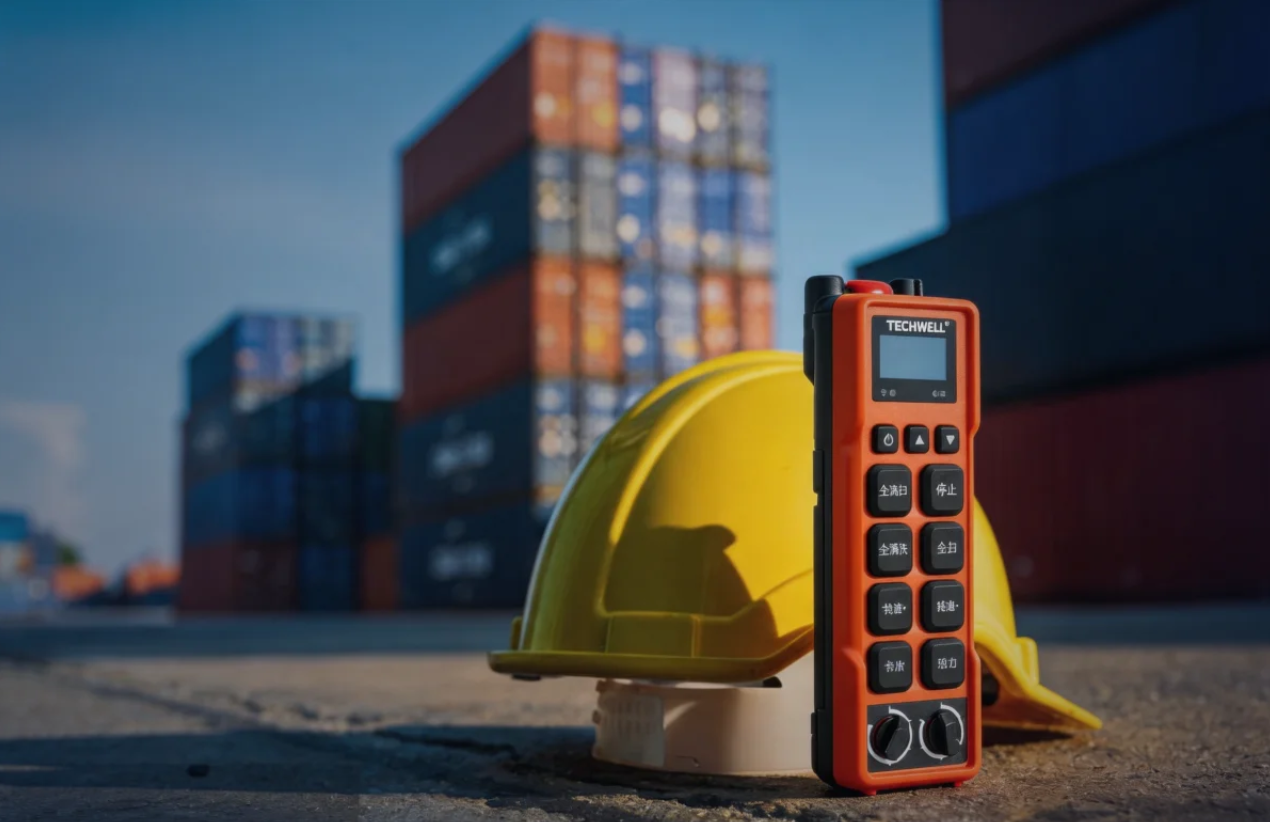
Wireless control technology allows operators to manage equipment from suitable positions. An industrial radio remote control system combines wireless communication with physical controls such as joysticks, buttons, and switches to transfer commands between users and machines.
Proportional joysticks can provide variable control inputs, but this does not automatically translate into precise machine movement. Engineers should evaluate joystick dead zones, input resolution, return-to-center behavior, and output response curves. These characteristics must be matched with the receiver, machine controller, and actuator requirements. During controlled testing, engineers should check response to small input changes, movement consistency, and neutral-position behavior under representative loads. Positioning accuracy should only be stated when supported by measured test results.
The structure of a joystick transmitter also affects operation efficiency. A clear layout and suitable control arrangement help operators manage complex tasks with better consistency during different working processes.
Control Design for Different Industrial Applications
Different machines require different control methods. Cranes, hoisting systems, and other industrial equipment may need various joystick numbers, switch layouts, or display functions based on their operation requirements.
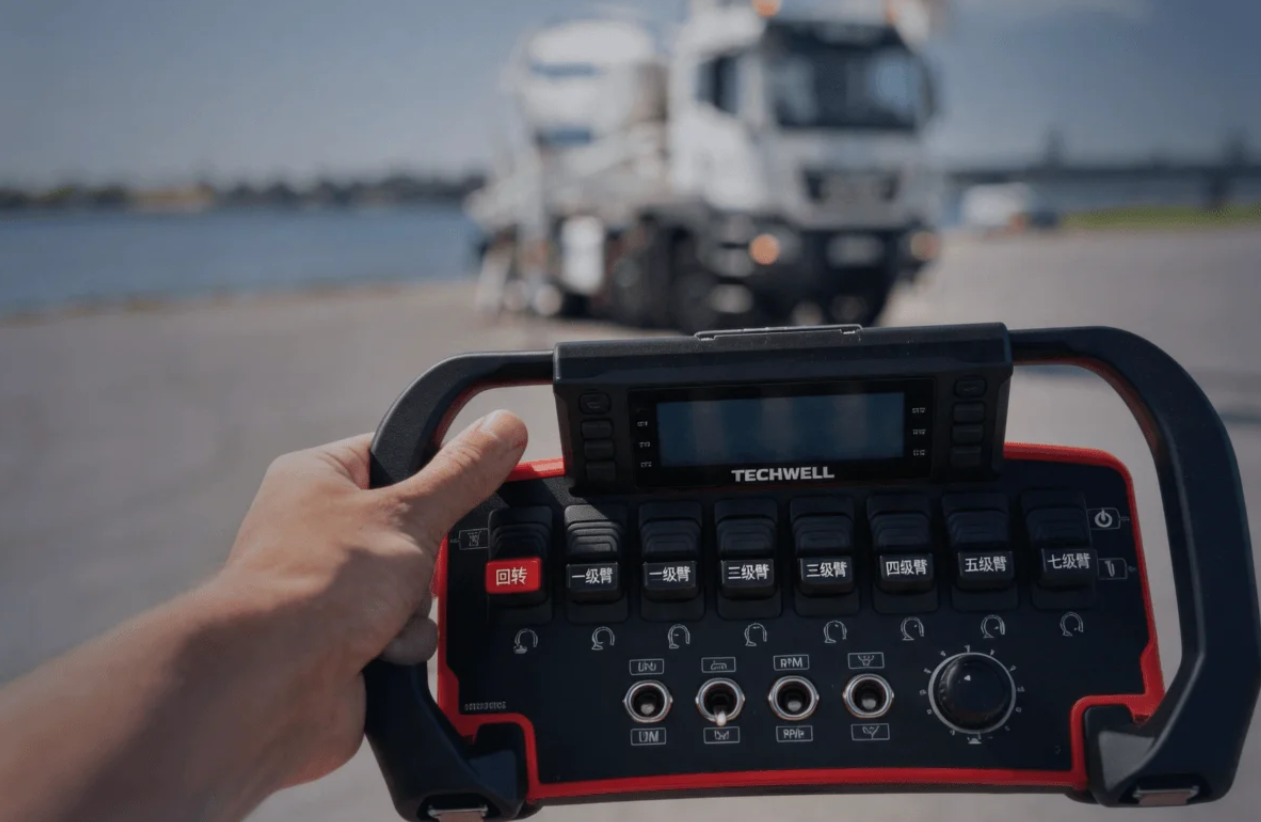
Single-axis levers provide control input along one axis and may support variable speed adjustment when configured for proportional output. Smooth starting and stopping also depend on the machine’s control system and actuator response. The dual-axis joystick arrangement described for the BLJ10 represents a different control configuration. Its axis functions, output characteristics, and availability should be confirmed for the selected model rather than assumed to be standard features.
Visual information can also support equipment management. Optional displays and video feedback allow users to check additional information while controlling machines in industrial environments.
We develop remote control solutions based on practical application needs. Our designs include configurable functions, allowing partners to select layouts that match machine structures and operation methods.
BLJ10 Supports Flexible Machine Operation
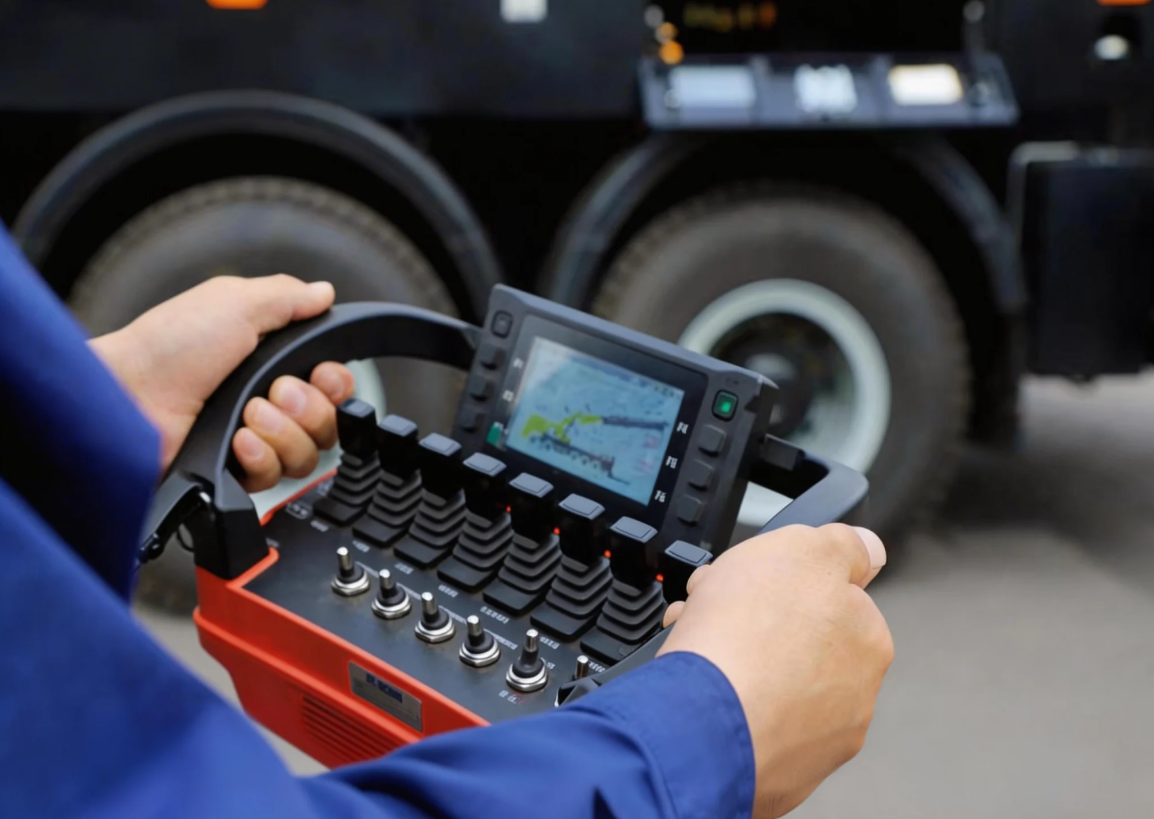
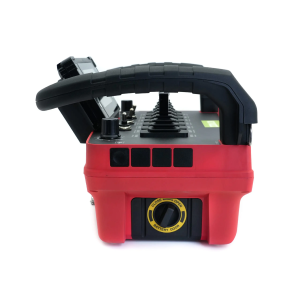
The BLJ10 is a body-worn industrial remote control transmitter designed for joystick-based equipment operation. For applications requiring precise movement adjustments, engineers should evaluate joystick dead zones, input resolution, return-to-center behavior, and output response curves. These characteristics must be assessed together with receiver performance, machine control logic, and actuator response. Actual movement accuracy should be verified through controlled testing under representative operating conditions.
As an industrial radio remote control solution, the BLJ10 includes a customizable dual-axis joystick, programmable buttons, and rotary switches. These functions support different crane and hoisting equipment configurations.
The BLJ10 offers optional 3-inch, 4.3-inch, or 7-inch display configurations, with resolution to be confirmed for each option. Available features may also include ID card recognition, a 3-axis sensor, and video feedback, depending on the selected configuration. Engineers should verify the source of displayed machine data, camera compatibility, video transmission method, and actual latency. ID card recognition and 3-axis sensing do not, by themselves, establish higher positioning accuracy or a certified safety performance level.
Improving Operator Interaction Through Ergonomic Design
Control devices need to match the way operators work. For large industrial machines, comfortable grips and practical layouts can reduce operation difficulty during extended working periods.
Large panels and grip designs help operators access important functions more easily. Main and auxiliary control zones allow users to separate frequently used commands from secondary operations.
A suitable joystick transmitter should consider both machine functions and user habits. The position of switches, joystick response, and button arrangement can influence how operators adapt to the control system.
We support equipment partners by considering machine requirements, operating conditions, and user feedback during product development. This approach helps create control options that fit different industrial applications.
How Should Joystick Control Performance Be Verified?
Joystick control performance should be evaluated through measurable tests rather than assumptions about proportional input. Before testing, engineers should define the required machine movements, control response, and acceptance criteria according to the actual equipment configuration.
- Joystick Input Response: Measure the dead zone, input resolution, return-to-center behavior, and response curve at different joystick positions. Check whether repeated movements produce consistent input signals and whether the neutral position returns to the specified state.
- Receiver Output Verification: Compare joystick inputs with the corresponding receiver outputs. Engineers should check output signal types, command mapping, response timing, and proportional output behavior where supported. The results should be compared with the machine controller’s input requirements.
- Machine Response Under Load: Test the machine under controlled conditions, including representative operating loads where permitted. Record movement speed, response delay, starting and stopping behavior, and consistency during small control adjustments. These measurements help determine whether the complete system meets the required performance criteria.
- Test Records and Acceptance: Document the transmitter-receiver configuration, machine settings, test conditions, measured results, and deviations from the agreed criteria. Qualified personnel should conduct machine testing according to approved procedures without bypassing interlocks or other safety functions.
For BLJ10 projects, customers can provide their required joystick functions, receiver output specifications, and machine control requirements to Techwell Remote Control for a technical review. Actual movement accuracy should be stated only when supported by measured test results.