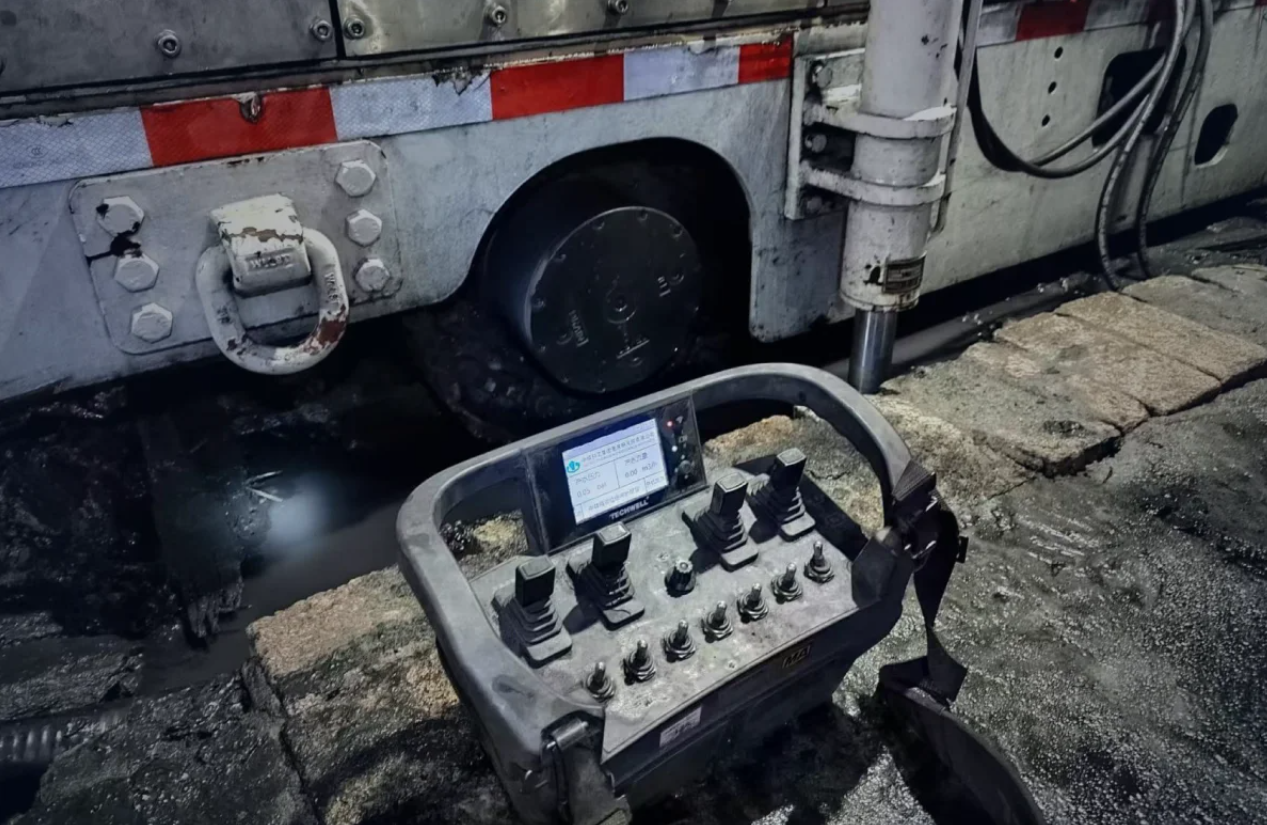
Material handling operations are becoming more flexible as industries improve equipment management and workplace efficiency. In many lifting applications, operators need better visibility and more suitable working positions to control machines. A wireless hoist remote control provides a practical option by reducing the limits caused by fixed control locations.
For equipment manufacturers, system integrators, and industrial users, selecting a remote control solution requires attention to communication stability, operation design, and environmental conditions. Understanding these factors helps businesses evaluate suitable control methods for cranes, hoists, and other lifting equipment.
The Role of Wireless Hoist Technology in Modern Operations
Hoisting operations often take place in complex environments where operators need to monitor loads and machine movement at the same time. A wireless control system allows users to operate equipment from a more flexible position while maintaining direct interaction with machine functions.
Before selecting an industrial radio remote control for an electric hoist, manufacturers should confirm whether the equipment uses single-speed, two-speed, or variable-frequency control. They should also identify the required control actions, receiver output types, power supply requirements, and emergency-stop interface. These details determine how the wireless control system can connect with the existing hoist controls.
For retrofit projects, buyers should provide the hoist model, electrical wiring diagrams, control circuit specifications, and existing pendant button assignments. Qualified technicians should review the receiver connections, interlock requirements, and emergency-stop circuit before installation. The proposed configuration must be verified against the equipment’s electrical and safety requirements.
Different applications may require different operating methods. A crane used in a factory may need multiple switches and proportional control, while another lifting system may focus on simple movement commands. Therefore, control design needs to match the actual machine structure and working process.
Important Factors for Remote Control Selection
Communication performance is an important part of remote operation. Industrial environments may contain metal structures, electrical equipment, or other sources of interference. Reviewing frequency design and signal stability helps users understand how a control system may perform during daily operation.
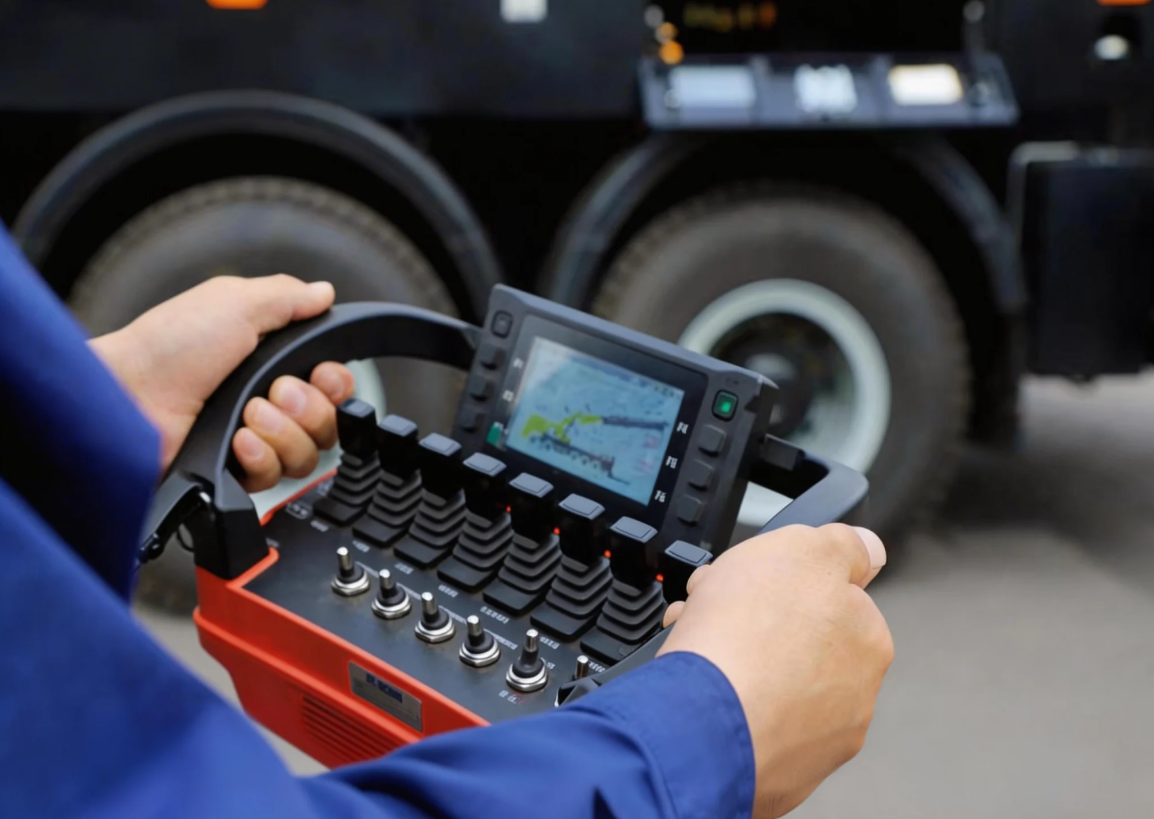
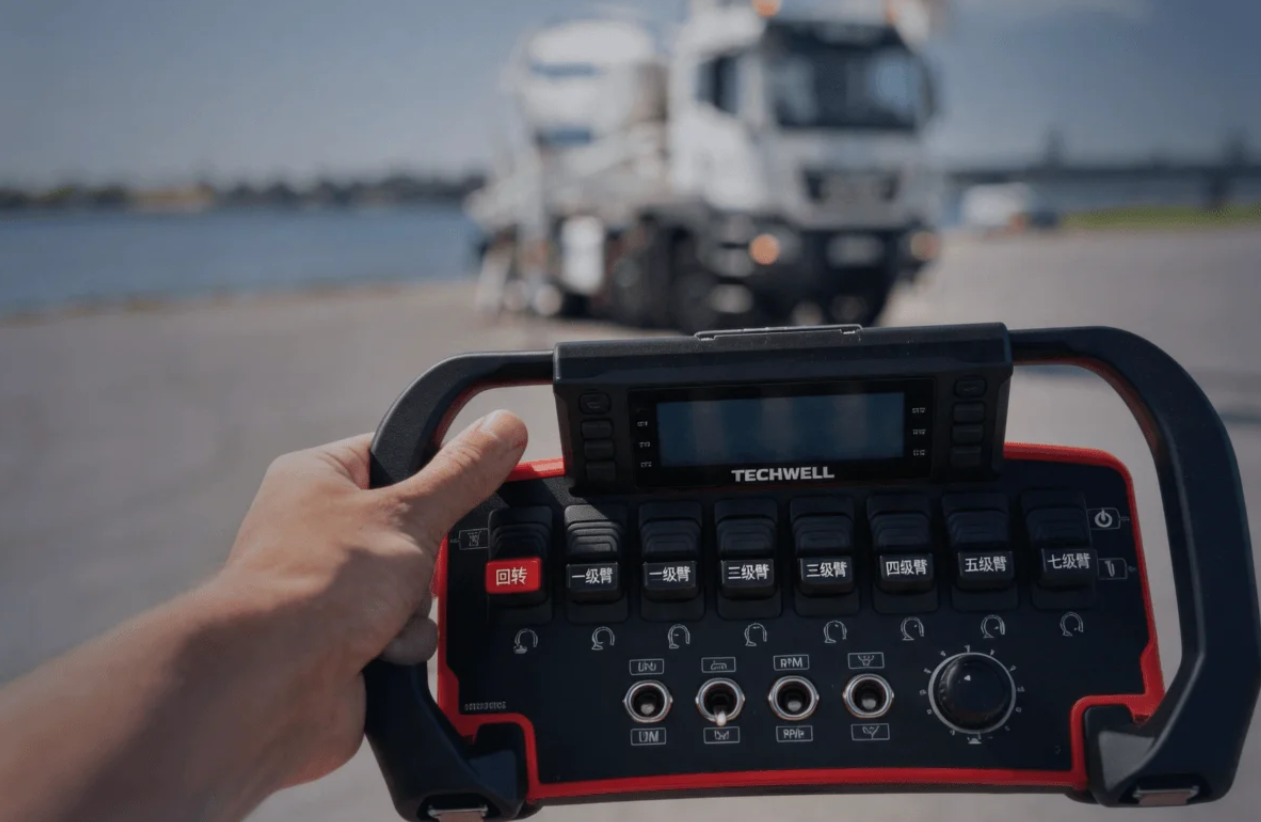
Operator comfort is also related to productivity. Joystick design, button arrangement, and display options can affect how easily users manage equipment functions. A clear interface helps operators complete tasks with fewer unnecessary adjustments.
Environmental protection should also be considered during equipment planning. Dust, moisture, and temperature changes are common conditions in industrial locations. Protection ratings and operating temperature ranges provide useful references when comparing different control systems.
Customized Designs for Flexible Material Handling
Modern material handling projects often require more than standard control functions. Equipment builders may need specific joystick numbers, switch layouts, or additional feedback features based on machine requirements. Custom configurations allow the control system to better fit different operating scenarios.
In this field, wireless hoist remote control solutions are becoming an option for companies that need flexible operation methods. The selection process usually includes reviewing machine functions, safety requirements, and future upgrade possibilities before final installation.
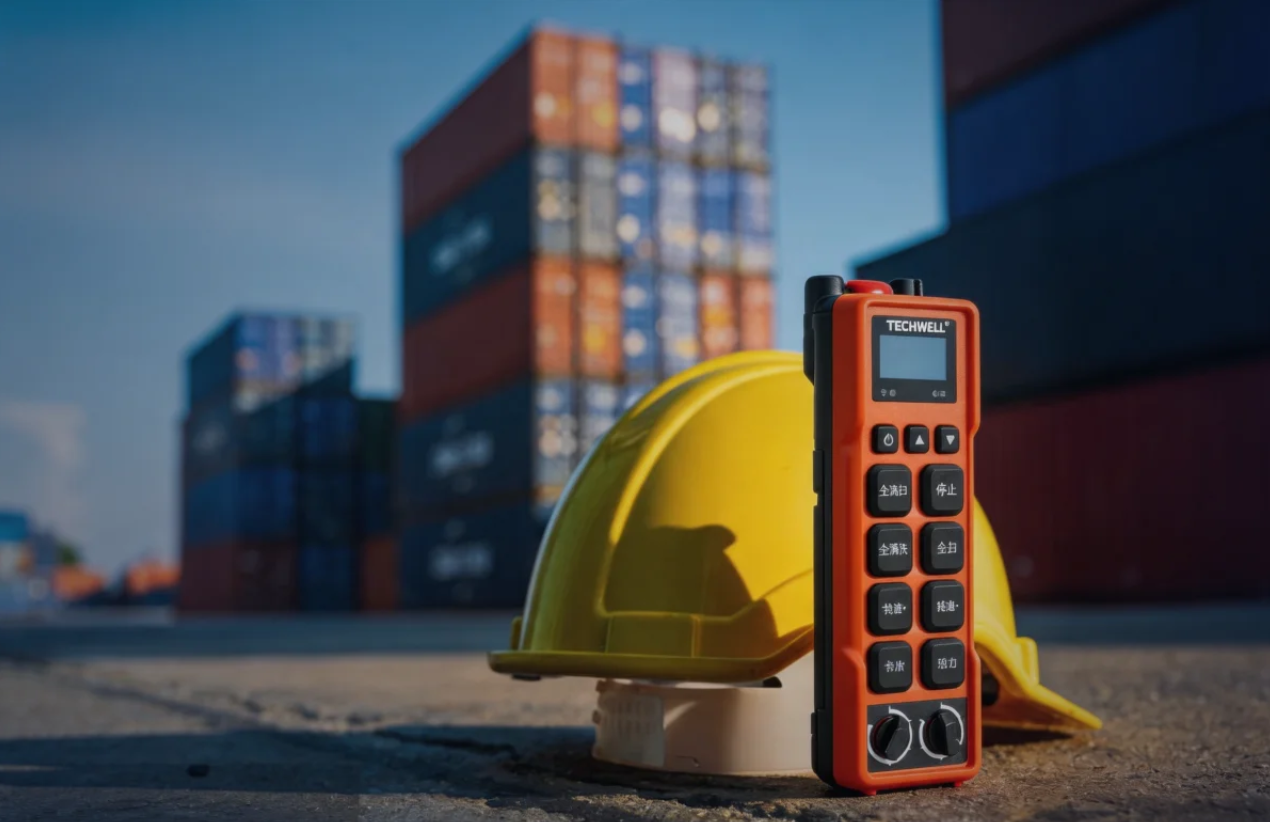
For a basic electric hoist with a limited number of lifting and travel functions, a compact push-button transmitter is generally a more practical option to evaluate than a shoulder-mounted controller. Buyers should first confirm whether the hoist uses single-speed, two-speed, or variable-frequency control. The button assignments, receiver outputs, and electrical interfaces must also match the existing machine control system.
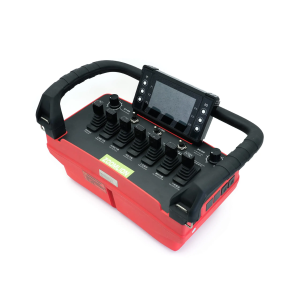
The BLJ10 may be considered for more complex lifting equipment requiring additional control functions or joystick inputs, subject to confirmation of the available configuration. It should not be treated as the standard choice for a simple hoist. Display options, sensors, and video feedback should only be specified when supported by the documentation for the selected model.
Wireless performance must be verified using the specified transmitter-receiver combination under documented test conditions. Actual coverage may vary with obstacles and radio interference. Frequency versions, display resolution, and optional functions require separate confirmation. The transmitter’s enclosure protection and operating temperature ratings do not establish the performance of the complete lifting system.
Product Functions in Industrial Applications
When planning a lifting system, companies need to consider both current requirements and future operating changes. Features such as proportional joysticks, switch arrays, and linear speed control can influence how smoothly machines respond during operation.
With experience in industrial remote control development, Techwell Remote Control works with partners to create solutions based on equipment requirements. Our approach focuses on combining practical functions with flexible configurations for different industrial applications.
For large machines, the BLJ10 provides main and auxiliary control zones through its joystick and switch design. Optional display functions and video feedback can support operators who need additional information during equipment operation. RFID card functions and 3-axis sensors are also available for specific project requirements.
What Should Be Verified Before a Hoist Remote Control Retrofit?
Before retrofitting an electric hoist with an industrial radio remote control, manufacturers should confirm its single-speed, two-speed, or variable-frequency operation and required movement commands. The technical documents should include the hoist model, electrical drawings, existing pendant button assignments, control voltage, receiver power requirements, output specifications, and emergency-stop circuit details.
Safety verification must cover the complete hoist control system. If a BLJ10 configuration is proposed with SIL 2 certification, buyers should obtain the relevant certificate and confirm the covered safety functions, compatible receiver, and approved hardware and software versions. The retrofit must still undergo machine-level verification of emergency-stop behavior, interlocks, communication-loss response, and restart conditions.
For a wireless hoist remote control configuration review and quotation, customers can submit their hoist type, required movements, speed-control method, receiver signal outputs, electrical drawings, and order quantity. Contact Techwell Remote Control to request the applicable product documentation and discuss the proposed transmitter-receiver arrangement.