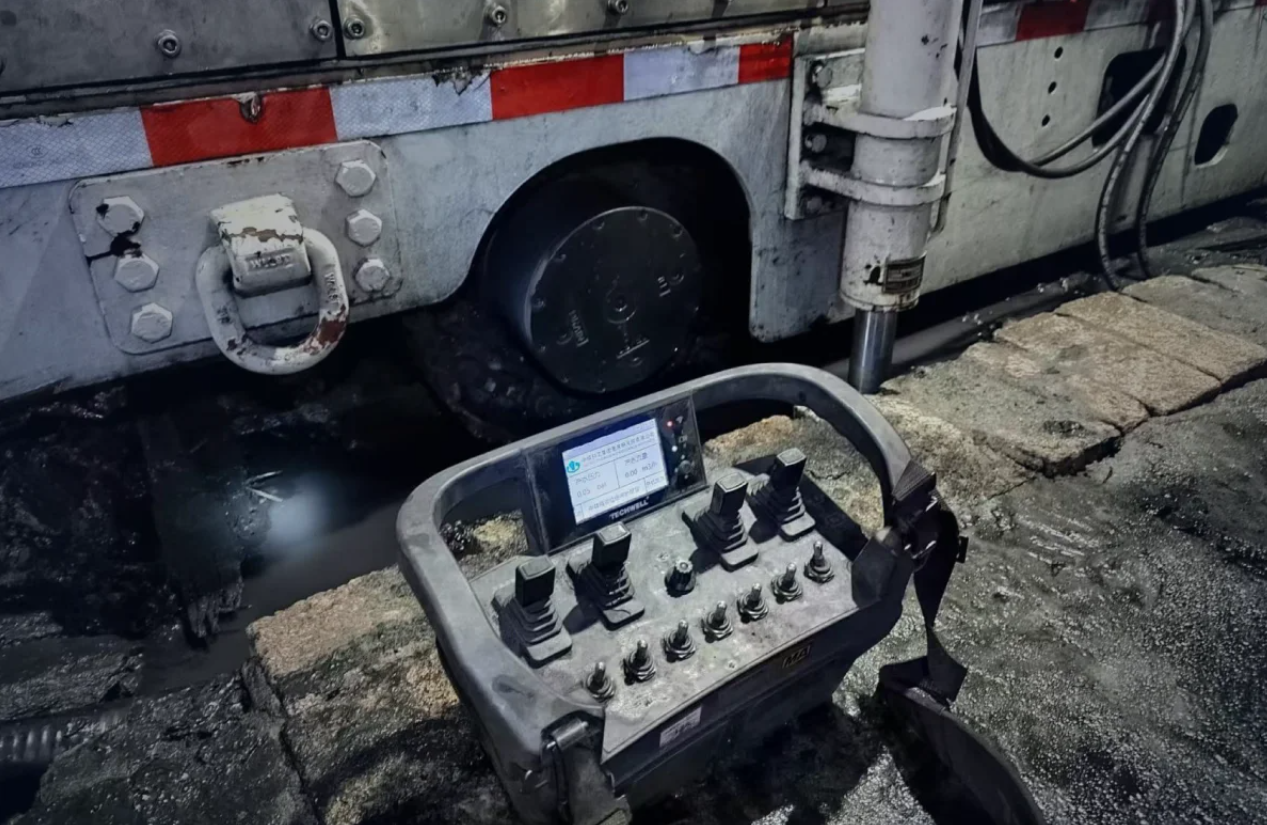
Mining operations often take place in challenging conditions where dust, moisture, vibration, and hazardous gases may affect equipment performance. Control systems used in these environments need to balance safety requirements with practical operation needs.
Wireless technology provides new options for machinery control by allowing operators to manage equipment with more flexibility. These systems can also support clearer workflows in areas where traditional control methods may face limitations.
For industrial users, choosing the right control method requires attention to working conditions, protection standards, communication distance, and daily operation habits. We explore how explosion-proof handheld controls support mining applications and what factors businesses should review before selecting a suitable solution. A suitable remote control for mining equipment can help users improve operational flexibility while matching the requirements of different machinery environments.
Mining Safety Requirements for Hazardous Applications
Mining sites may contain areas where combustible materials create higher safety requirements for electronic equipment. Control devices used in these locations need proper protection structures and certification support to match the environment. Equipment selection should consider both operational efficiency and the conditions around the machinery.
Selecting an explosion proof handheld remote control for mining-related applications requires identifying the mine type and operating location. Open-pit mines, surface processing facilities, and underground mines may have different hazards. Surface areas may involve explosive gases or combustible dust, while underground coal mines may require equipment specifically approved for methane and coal dust hazards.
Buyers should confirm the hazardous substances, area classification, required equipment group, and certification conditions before selecting a controller. The FYF100A’s stated Ex ia IIC T4 Ga marking relates to explosive gas atmospheres and does not, by itself, establish suitability for combustible dust or underground mining. The complete certificate, permitted operating conditions, and installation requirements must be verified for the intended application.
Operators also need stable communication during equipment operation. Wireless control systems can help create more flexible working methods while allowing users to manage machinery from a practical distance.
Control Functions for Heavy Machinery Operations
Heavy machinery requires control solutions that match different operating tasks. In mining environments, operators may need to adjust movement, monitor equipment status, or complete tasks in areas where direct access is inconvenient. Control layouts and response accuracy become important considerations during equipment selection.
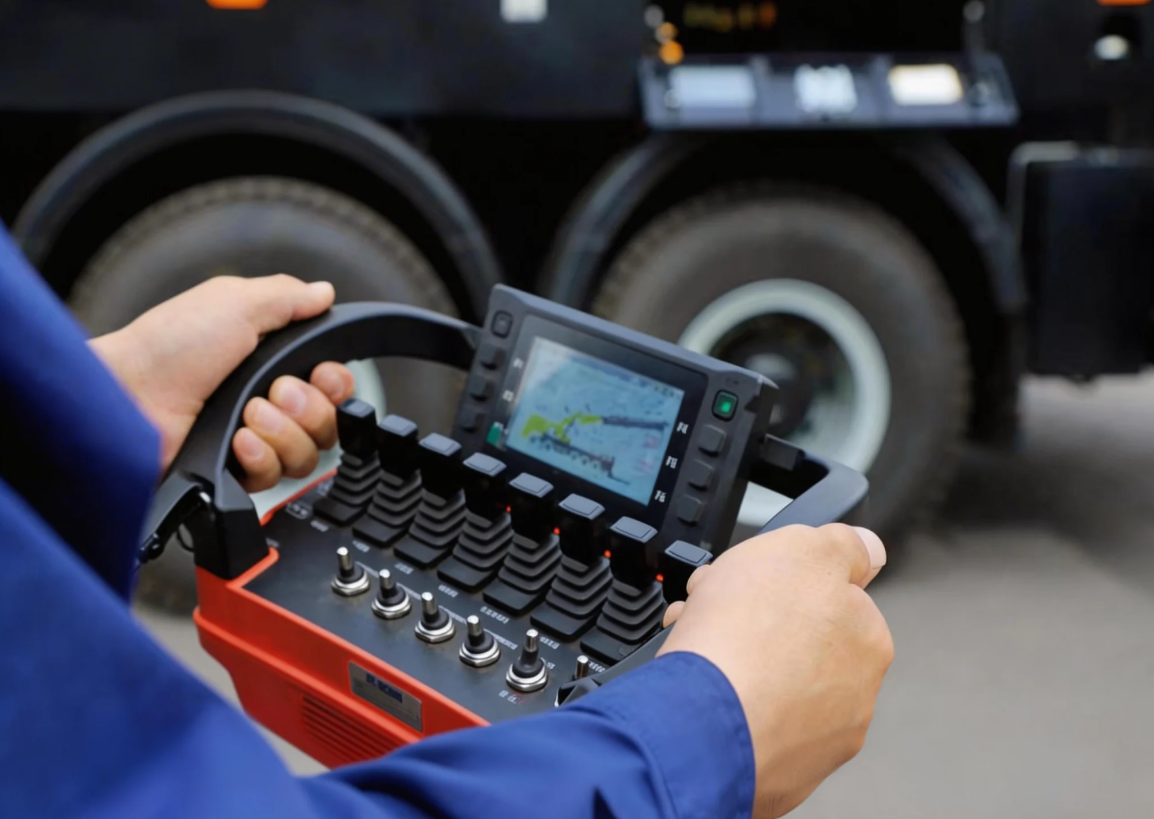
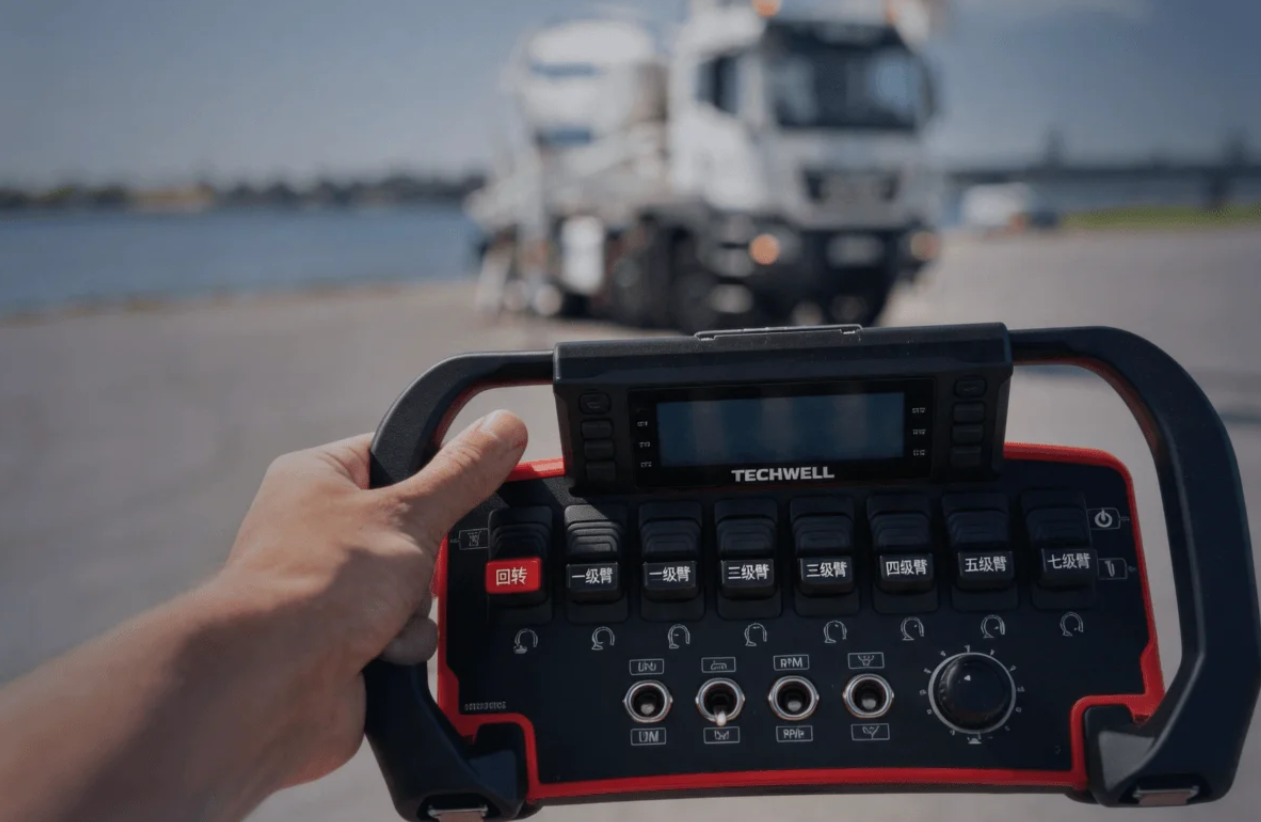
A remote control for mining equipment should provide reliable communication and convenient handling. Joystick design, switch configuration, and additional functions can influence the overall user experience during regular operations.
Environmental protection is another factor that affects long-term use. Dust and moisture resistance can help control devices adapt to outdoor locations, processing areas, and other industrial spaces with changing conditions.
FYF100A Controller Design and Key Functions
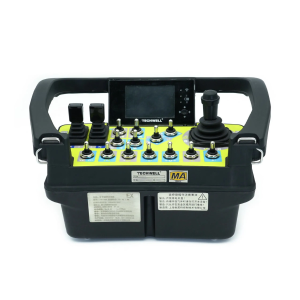
For hazardous environment applications, we offer the FYF100A Explosion-proof Radio Remote Controller to support industrial machinery control requirements. The product is designed for Zone 1 and Zone 2 hazardous factory environments, including applications involving heavy equipment operation.
The FYF100A is an explosion-protected industrial radio remote control transmitter with a stated Ex ia IIC T4 Ga marking for explosive gas atmospheres. Its control configuration may include joysticks and different types of switches, subject to the approved product configuration. Buyers should verify the complete explosion-protection certificate, permitted operating conditions, and manufacturer-defined carrying method before selection. The stated gas protection marking does not establish suitability for Group I underground mining applications.
The controller features an IP66-rated enclosure and measures 265 × 171 × 172 mm, with a specified weight of 1.2 kg excluding the battery. Actual carrying weight depends on the approved battery pack and installed accessories. Buyers should confirm whether handheld or strap-supported operation is permitted, including the approved strap arrangement and wearing conditions. The specified wireless range of ≥150 m applies under the manufacturer’s test conditions with a compatible receiver. Actual coverage may vary with metal structures, obstacles, and interference. This distance should not be assumed achievable around underground tunnel corners without site-specific testing.
Factors to Consider Before System Integration
Before introducing wireless controls into industrial projects, users should review machinery requirements, communication conditions, and operator needs. Different equipment types may require different control configurations to achieve suitable operation methods. Project conditions, working distances, and maintenance considerations should also be evaluated during the planning stage.
The FYF100A uses a 7.4 V rechargeable battery pack, with the manufacturer-approved part number and replacement conditions to be confirmed in the product documentation. Optional 3-inch or 4.3-inch displays, ID card recognition, and a 3-axis sensor must be checked against the certified configuration and approved accessory list. Battery charging, replacement, and accessory installation must follow the manufacturer’s safety instructions. Batteries with the same voltage cannot be treated as interchangeable without approval.
Techwell Remote Control develops radio remote control solutions based on industrial application needs. We focus on practical design, control flexibility, and compatibility with different types of machinery used in demanding environments. Our approach combines application understanding with product development to support various industrial control scenarios.
Which Mining Environments Does the Certification Cover?
Mining environments must be assessed according to the mine type, operating location, and hazardous substances present. Open-pit operations, surface processing facilities, and underground coal mines have different equipment requirements. Even within the same mining project, hazardous-area classifications may vary between operating locations.
The FYF100A carries a stated Ex ia IIC T4 Ga marking for explosive gas atmospheres. This marking does not establish suitability for combustible dust or Group I underground coal mining applications. For underground coal mining, the FYF20(C) is a more relevant model to evaluate, with a published Ex ia I Ma marking and mining safety certification number MFH220058. The actual permitted applications must be confirmed against valid certificates.
Receiver installation also requires separate verification. An explosion-protected transmitter does not make its paired receiver suitable for hazardous areas. Receivers without the required hazardous-area approval should be installed in designated non-hazardous locations, with electrical connections following the applicable installation requirements.
What Should Buyers Verify Before Selecting Mining Remote Controls?
Before purchasing a remote control for mining equipment, buyers should obtain the complete explosion-protection certificate for the proposed model. The documents should confirm the certificate number, equipment group, protection marking, permitted hazardous substances, ambient temperature limits, and special conditions for use. Certification validity and regional acceptance must also be checked.
Battery packs, displays, switches, and optional sensors should be reviewed against the approved configuration. Buyers also need to confirm the compatible receiver, installation location, required control outputs, and machine safety functions. Underground communication coverage should be verified under actual site conditions rather than relying on published transmission distances.
For a project-specific technical review, contact Techwell Remote Control with your mine type, operating location, hazardous-area classification, equipment model, and required control functions. Request the applicable certification documents, approved accessory list, and installation instructions before confirming the proposed configuration.