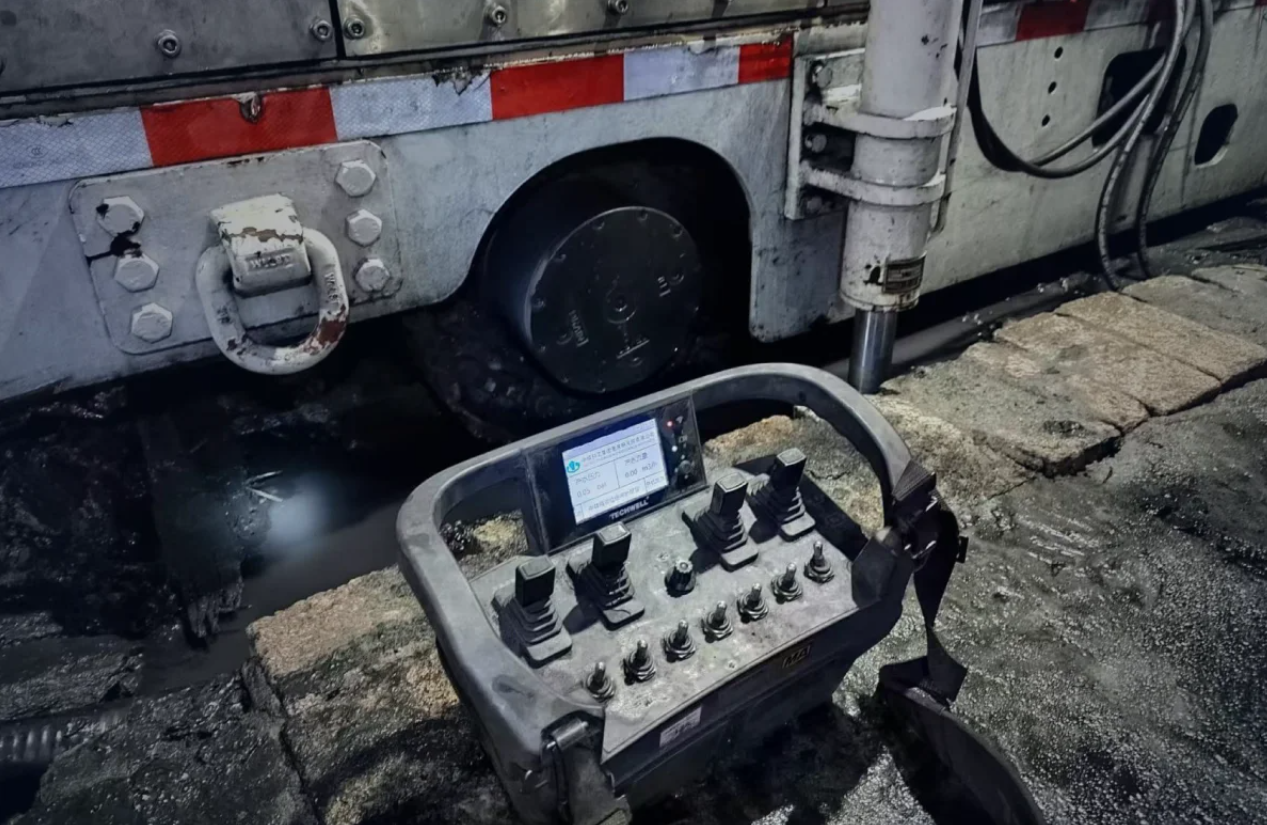
Mining sites may present different operating restrictions. This article examines three practical scenarios rather than treating them as a fixed industry classification: physically constrained locations, areas with potentially explosive atmospheres, and zones restricted by site safety procedures.
In narrow tunnels or areas obstructed by rock structures, radio coverage and direct visibility may be limited. Engineers should verify communication at planned operating positions and determine whether machine status feedback or a designated signaler is needed when the equipment cannot be observed directly.
Where explosive gases or combustible dust may be present, buyers must identify the hazardous substances, applicable area classification, equipment group, and certification conditions. For procedurally restricted zones, site rules should define who may enter, where operators can stand, and when work must stop. Remote control does not replace personnel access restrictions or establish explosion-protection suitability.
Remote Operation Requirements in Mining Areas
Restricted operating areas require equipment that can support stable operation without frequent direct contact. Mining companies usually evaluate factors such as communication distance, signal stability, and environmental protection before selecting a remote control system.
For applications involving remote controlled mining equipment, control accuracy and operation flexibility are important considerations. Operators need equipment that can respond to commands clearly while adapting to different machinery types and working environments.
Remote solutions are used in various industrial fields where traditional control methods may not be suitable. They help connect operators with machines and provide more flexible management options for equipment in complex areas.
Key Features for Industrial Remote Control Selection
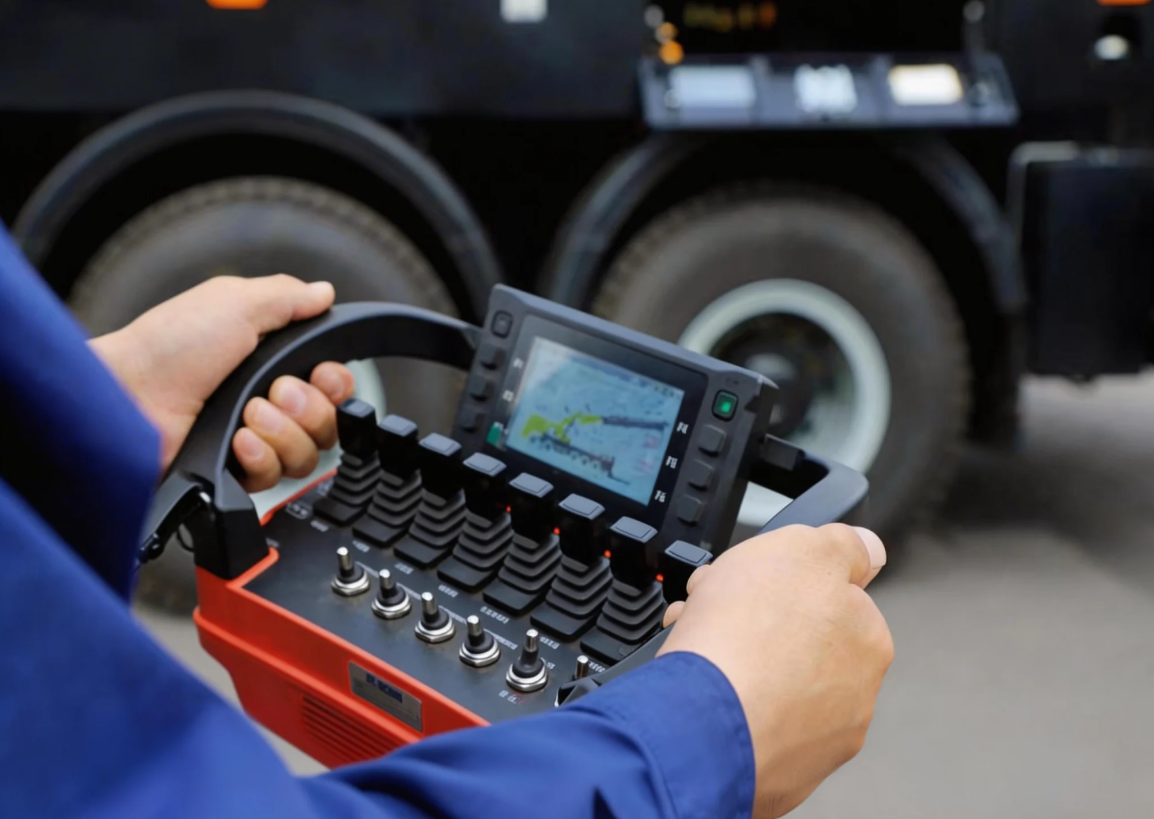
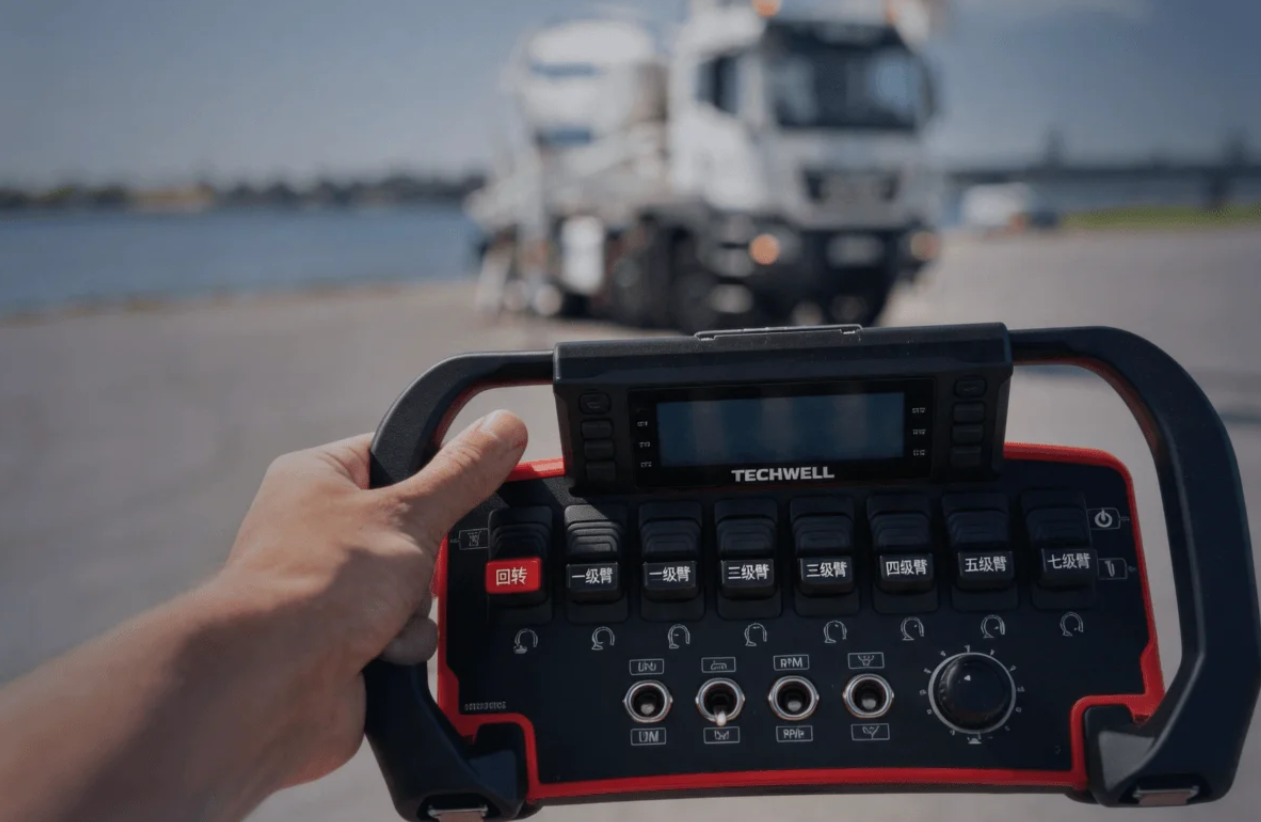
Control design affects the daily operation experience of industrial users. Joysticks, switches, displays, and sensors should match practical requirements so operators can manage equipment with clear and convenient control methods.
Wireless communication distance is another factor that requires evaluation. A stable connection helps maintain command transmission during operation and supports better coordination between users and machinery.
Protection performance also plays an important role in industrial applications. Dust resistance, moisture protection, and structural design influence whether control equipment can adapt to different site conditions.
Safety Considerations in Hazardous Environments
Hazardous locations require remote control equipment that follows related safety standards. Before selecting a system, companies need to review certification information, application areas, and equipment requirements.
When evaluating an explosion proof handheld remote control, buyers should examine the specific explosion-protection marking and certification documents. The FYF100A carries a stated Ex ia IIC T4 Ga marking for explosive gas atmospheres. Its suitability for gas Zones 1 and 2 must be confirmed against the valid certificate, approved configuration, and conditions of use. Combustible dust environments use different hazardous-area classifications, such as Zones 20, 21, and 22. The stated gas protection marking does not establish approval for dust hazards or Group I underground coal mining applications.
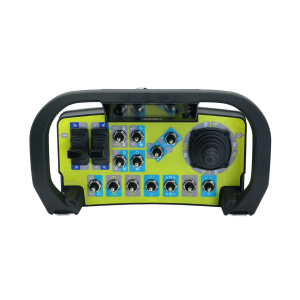
We developed the FYF100A Explosion-proof Radio Remote Controller for heavy machinery applications in challenging environments. The device is certified Ex ia IIC T4 Ga under GB/T 3836.1-2021 and GB/T 3836.4-2021 standards.
The FYF100A offers configurable joystick and switch options, subject to the approved product configuration. Its stated wireless range of ≥150 m is based on specified test conditions and should not be treated as guaranteed coverage in restricted operating areas. Tunnel bends, metal equipment, and rock structures may affect signal transmission. Engineers should test communication coverage at the intended operating positions using the proposed transmitter and receiver combination.
Before commissioning, qualified personnel should verify how the connected machine responds to signal loss, including the required stop behavior, status indications, and conditions for restarting operation. Restoration of communication must not cause unexpected machine movement. The controller’s IP66 enclosure rating does not replace site-specific radio testing or hazardous-area certification. Its stated gas explosion-protection marking also does not establish approval for underground coal mining.
Product Functions for Mining Applications
The FYF100A offers optional 3-inch or 4.3-inch displays, ID card recognition, and a 3-axis sensor, subject to the manufacturer’s approved configurations. The display may present equipment status or operating information when supported by the connected control system. ID card recognition can support operator identification, while the 3-axis sensor may provide movement or orientation data for specific functions. Buyers should confirm the intended use, system compatibility, and certification coverage of each option. These features do not independently improve positioning accuracy or establish certified safety functions.
The FYF100A uses a 7.4 V rechargeable battery pack, subject to the manufacturer’s approved part number and charging and replacement instructions. Its suitability must be verified against the explosion-protection certificate, approved configuration, and site classification. The stated Ex ia IIC T4 Ga marking relates to explosive gas atmospheres and does not establish approval for combustible dust or underground coal mining. Mining applications requiring separate approvals should use equipment with the corresponding verified certification.
When evaluating remote controlled mining equipment, users should review operating distance, control functions, and equipment compatibility together. A complete assessment helps businesses select systems that fit their existing workflows.
How Should Remote Controls Work in Narrow Tunnels?
Narrow tunnels, rock structures, and large metal equipment can interfere with radio communication. The stated transmission range of a controller should not be treated as guaranteed coverage throughout a mining site. Engineers need to test the proposed transmitter and receiver at actual operating positions, including tunnel bends and obstructed areas.
Restricted visibility creates another concern. Operators must be able to assess equipment movement, nearby obstacles, and personnel positions. Where direct observation is not possible, the operating procedure should specify whether an approved camera system or designated signaler is required. Video feedback should not be assumed available or suitable without system verification.
Communication-loss behavior also needs testing before commissioning. Qualified personnel should confirm the machine’s response to signal interruption, the required stop conditions, and the procedure for restarting. Restored communication must not trigger unexpected movement.
Which Hazardous Areas Are Covered by the Certification?
Mining facilities may contain explosive gases, combustible dust, or other hazardous substances. These conditions require different equipment classifications and approval documents. Buyers should identify the mine type, operating location, hazardous-area classification, and applicable equipment group before selecting an explosion proof handheld remote control.
The FYF100A has a stated Ex ia IIC T4 Ga marking for explosive gas atmospheres. This marking does not establish approval for combustible dust environments or Group I underground coal mining. Equipment intended for these locations must have the corresponding valid certification and meet its stated conditions of use.
Approved accessories and installation arrangements also matter. Battery packs, displays, switches, and sensors must fall within the certified configuration. The receiver requires separate assessment and must be installed outside the hazardous area unless it has the necessary approval. Buyers should request the complete certificates, accessory list, and installation instructions.
Who May Operate Equipment in Restricted Zones?
Procedurally restricted areas depend on site rules as well as equipment design. Exclusion zones around moving machinery, lifting operations, and maintenance activities should have defined access conditions. Remote operation does not automatically permit personnel to enter these areas or operate equipment from an unsuitable position.
Site managers should establish authorized operating locations, personnel responsibilities, and communication procedures. Operators need training in equipment functions, emergency-stop procedures, communication-loss indications, and situations that require work to stop. Where signalers are involved, their instructions and communication methods should be agreed upon before operation.
For project evaluation, buyers can provide the mine type, hazardous-area classification, equipment model, control functions, site layout, and proposed operating positions. Techwell Remote Control can review these details and provide relevant product documentation for further technical assessment. Final equipment selection and safety verification must follow the requirements of the specific site and machine.