Crane operation is an important part of many industrial activities, including mining, manufacturing, logistics, and material handling. Traditional crane cabins allow operators to control lifting equipment directly, but some working environments require more flexible operation methods. Ground-based control provides another option by allowing operators to manage equipment while staying in a more suitable position.
Wireless radio technology has changed how operators interact with cranes. By using remote controllers, workers can observe lifting conditions more clearly and adjust their positions during operation. An industrial crane remote control system provides a practical way to connect operators with lifting equipment while supporting different working layouts. Understanding the role of radio controls helps businesses evaluate suitable equipment solutions for different industrial environments.
How Ground-Based Crane Control Works
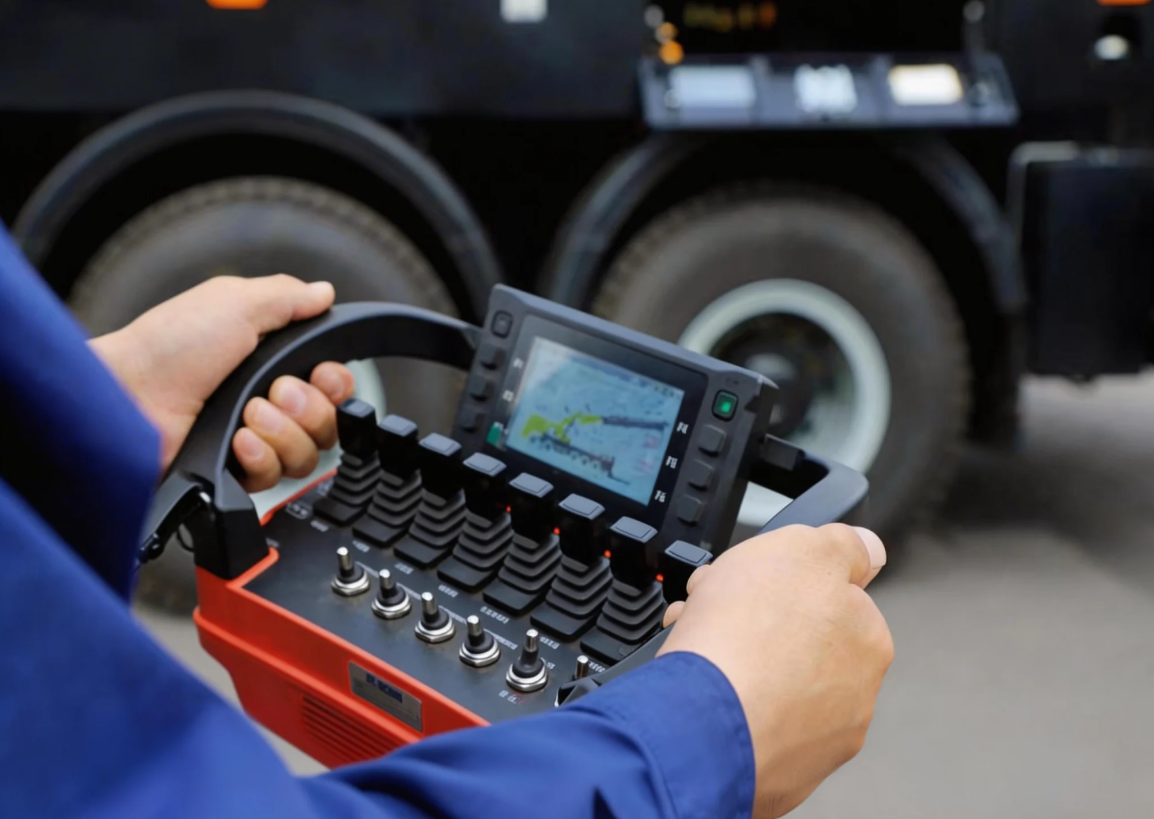
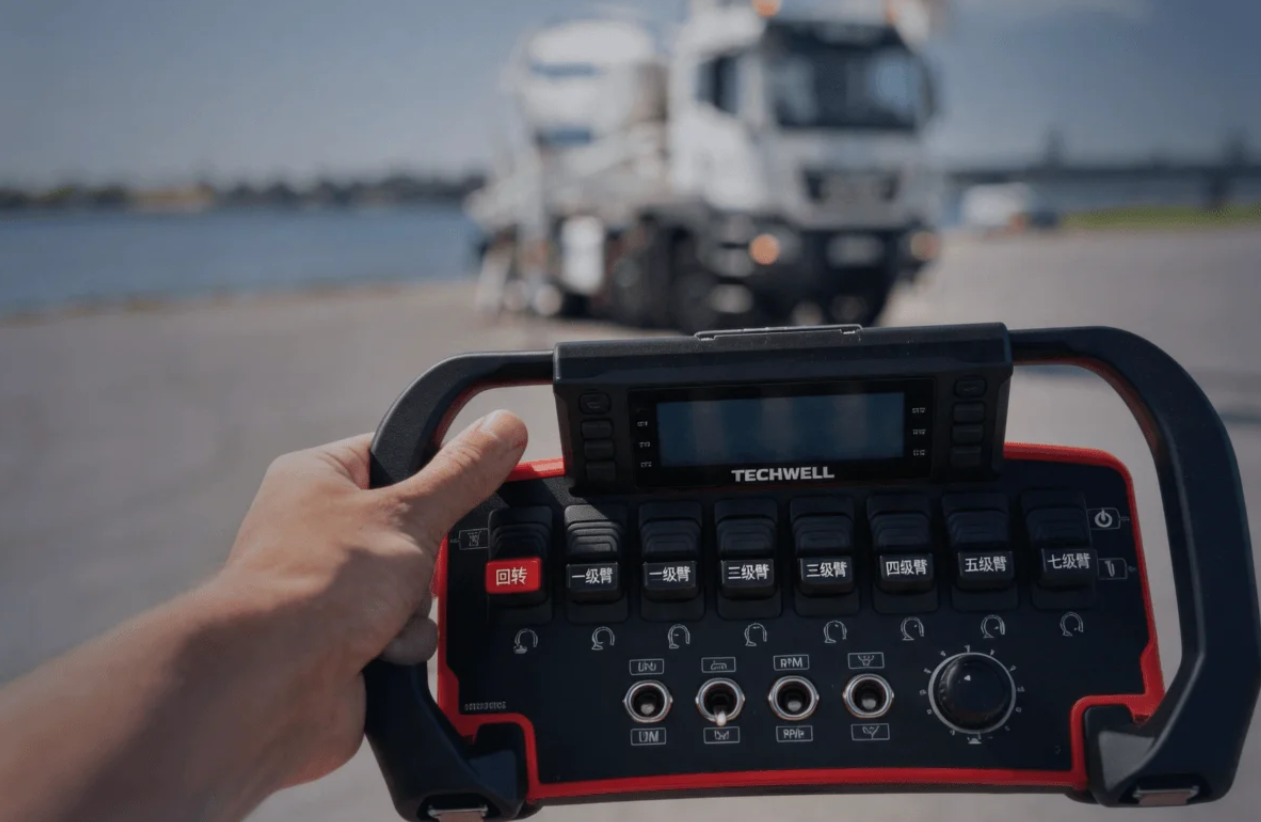
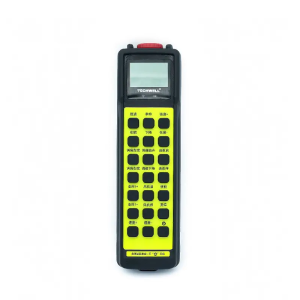
Ground-based crane control separates the operator position from the crane cabin. The operator uses a wireless transmitter to send commands to a receiver installed on the equipment. This structure allows workers to control lifting, movement, and other functions without remaining beside a fixed control panel.
Different industries have different requirements for crane operation. Indoor factories may focus on production efficiency and space management, while outdoor or mining environments may require stronger protection and communication stability. The working conditions usually influence the selection of control equipment.
For businesses reviewing an industrial crane remote control system, important considerations include communication distance, operating environment, equipment compatibility, and maintenance planning. These factors help users understand whether a control method matches their daily operation needs.
Radio control systems may allow operators to choose positions with better visibility during lifting activities. However, operators must follow site rules when selecting a safe location and maintain a clear view of the suspended load, its travel path, and nearby hazards. They must remain outside exclusion zones and never stand or pass beneath suspended loads. Where direct visibility is obstructed, lifting operations should follow established procedures involving a designated signaler and agreed communication methods. Wireless control provides greater positioning flexibility, but it does not make every operating position safe.
Safety Requirements in Hazardous Areas
Some industrial locations require additional protection because of possible risks from dust, gas, or other environmental factors. Underground coal mining is one example where equipment must meet specific safety requirements before entering operation areas.
We develop wireless control products based on different industrial applications and environmental conditions. Techwell Remote Control focuses on remote control technology for scenarios where stable communication and protective design are important parts of equipment selection.
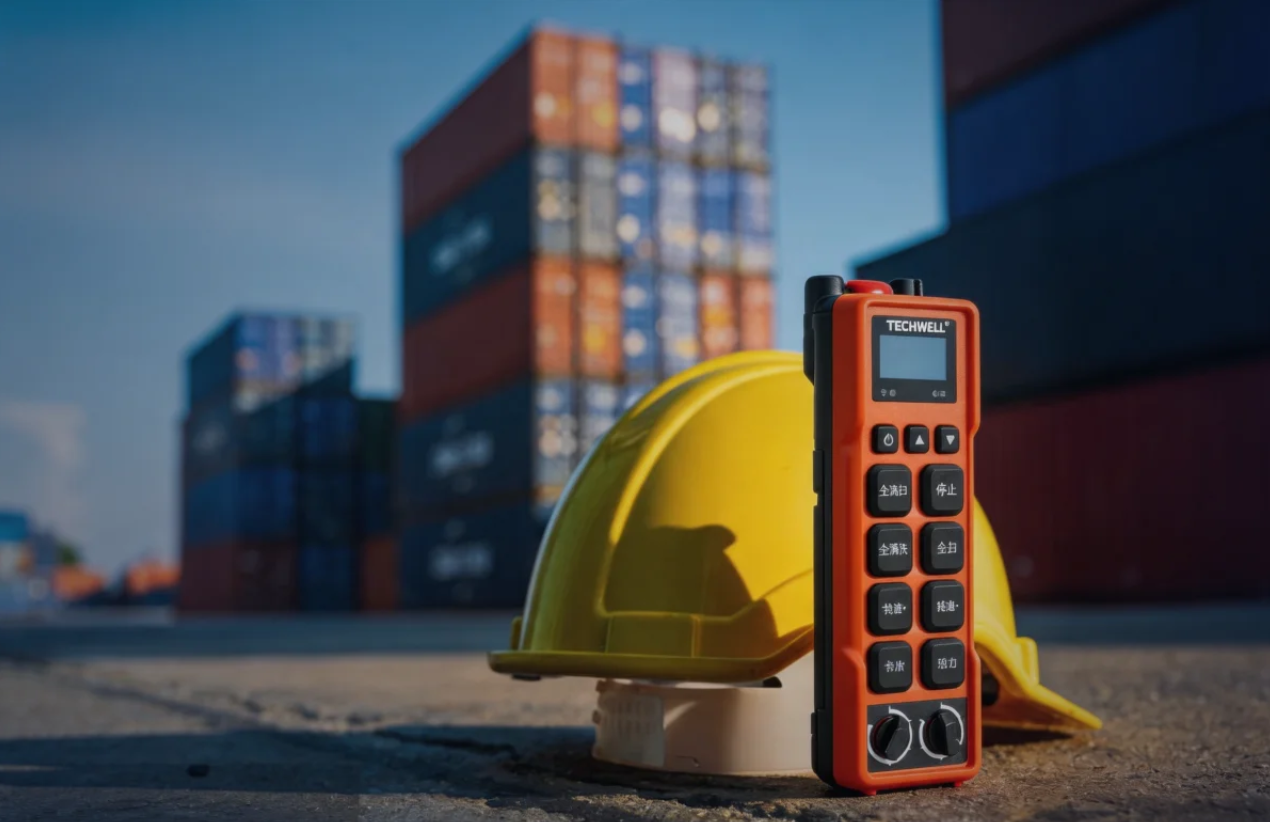
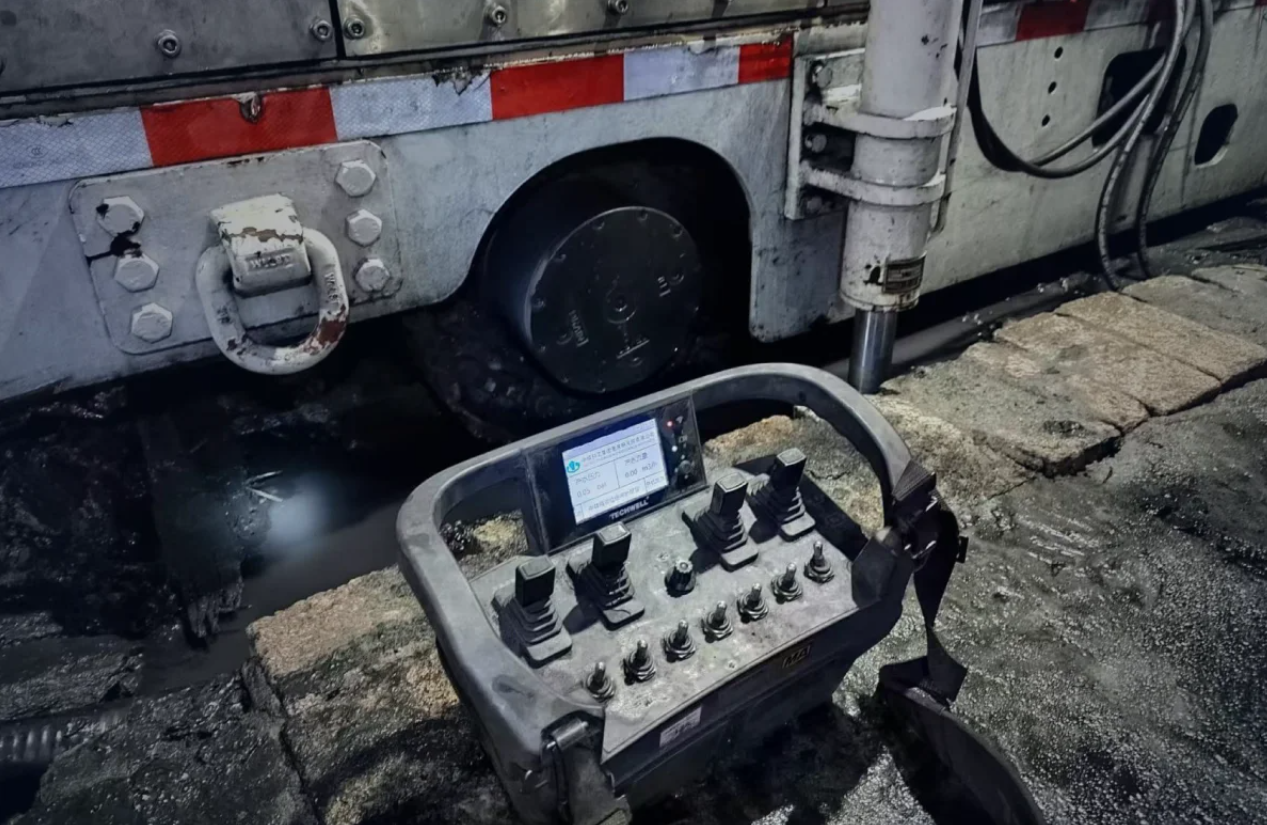
The FYF20(C) Explosion-proof Radio Remote Controller is designed for underground coal mining operations. It is an explosion proof radio remote control product with intrinsically safe certification (Ex ia I Ma) and MA certification under China’s mining safety standards (MFH220058).
The controller meets GB/T 3836.1-2021, GB/T 3836.4-2021, and MT/T 1137-2011 requirements. It uses an IP67-rated housing with a compact structure and weighs 0.35kg. These features support operation in underground environments where equipment protection and portability are considered.
Key Features That Support Practical Operation
Industrial users usually review control functions according to their application needs. The FYF20(C) includes button-operated control, a 2.5″ display, optional ID card recognition, and a 3-axis sensor. These functions are designed to support operators working in underground mining conditions.
The display may show machine status, operating parameters, or alarm messages when the connected equipment supports the necessary data feedback. The actual information available must be confirmed through the system interface documentation. Control buttons issue assigned commands according to the configured control functions.
Optional ID card recognition may identify individual operators, but buyers should verify how cards are registered, permissions are assigned, and unauthorized access is handled before treating it as an access-control function. The 3-axis sensor’s measured parameters and intended functions must also be confirmed in the manufacturer’s documentation. Without this information, the sensor should not be described as improving operating precision or safety.Wireless control technology is not limited to mining applications. Cranes, hoists, and material handling equipment in other industries can also use remote operation methods. Each application requires evaluation of working conditions, equipment structure, and operational goals.
When selecting an industrial crane remote control solution, companies often review the relationship between control functions and equipment requirements. A suitable system should match the crane type, workplace conditions, and future maintenance plans.
What Information Is Required Before a Crane Retrofit?
Before converting a crane to ground-based radio control, buyers should document the crane type, model, and existing control arrangement. The assessment should identify whether the hoist, trolley, and bridge movements use single-speed, two-speed, or variable-frequency control. Existing pendant button assignments, electrical drawings, and control cabinet specifications are also needed.
Receiver selection depends on the crane’s electrical interface. Engineers should confirm the control voltage, receiver power supply, required command channels, and output types. Relay outputs may suit conventional switching circuits, while other systems may require proportional outputs or a compatible PLC interface. The proposed transmitter and receiver must be checked against the actual machine requirements.
Safety functions require a separate review. Qualified personnel should examine the emergency-stop circuit, movement interlocks, travel limits, and existing protective devices before installation. The retrofit documentation should include updated wiring diagrams, an input/output mapping table, approved configuration records, and a commissioning checklist.
How Should the Modified Crane Be Tested?
Commissioning should verify every assigned control action, including movement direction, speed selection, and stopping behavior. Tests must also cover conflicting commands, travel-limit responses, emergency-stop operation, and the machine’s response to radio communication loss. Restoring the wireless connection must not cause unexpected movement.
Radio coverage should be checked from the planned ground operating positions and along the lifting route. Metal structures, equipment arrangements, and obstructed locations may affect communication. Operators must maintain the required view of the suspended load and its travel path, remain outside exclusion zones, and follow site procedures for working with designated signalers.
For a retrofit assessment and quotation, customers can provide the crane model, movement requirements, electrical drawings, control voltage, receiver output requirements, and proposed operating layout. Techwell Remote Control can review these details to discuss a suitable transmitter-receiver configuration and provide the relevant technical documentation for project evaluation.