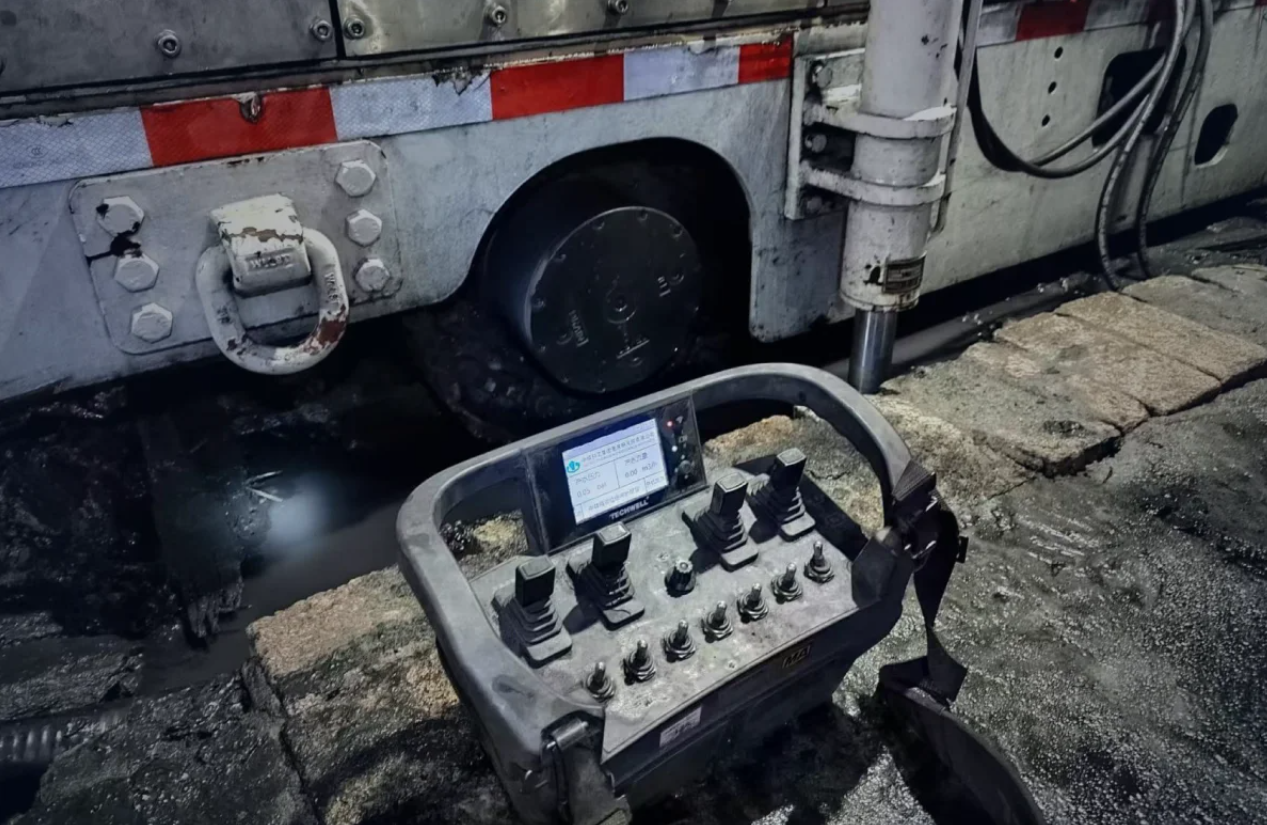
Heavy equipment operating in mining, construction, and industrial environments often faces strict requirements for safety and control performance. When machines work in areas with dust, moisture, vibration, or special operating conditions, the control system needs to match the equipment design and application environment.
For machinery manufacturers, selecting a suitable wireless control method involves more than basic operation. Communication stability, protective performance, and system compatibility all influence how a control solution fits into different industrial projects.
Key Requirements for Hazardous Working Environments
Industrial equipment used in hazardous areas needs control components that can adapt to demanding conditions. Factors such as dust protection, water resistance, and communication reliability are often reviewed during the equipment development process. An explosion proof industrial remote control solution is designed for applications where safety and stable operation are important considerations.
Different industries may have different requirements. Mining machines, lifting equipment, and special vehicles often operate in environments where operators need better positioning flexibility. Wireless control systems can provide another option for equipment manufacturers when designing machines for these scenarios.
The selection process usually includes reviewing protection class, operating distance, power supply, and compatibility with existing equipment systems. These details help manufacturers evaluate whether a control solution fits their project requirements.
Factors to Evaluate in Industrial Radio Systems
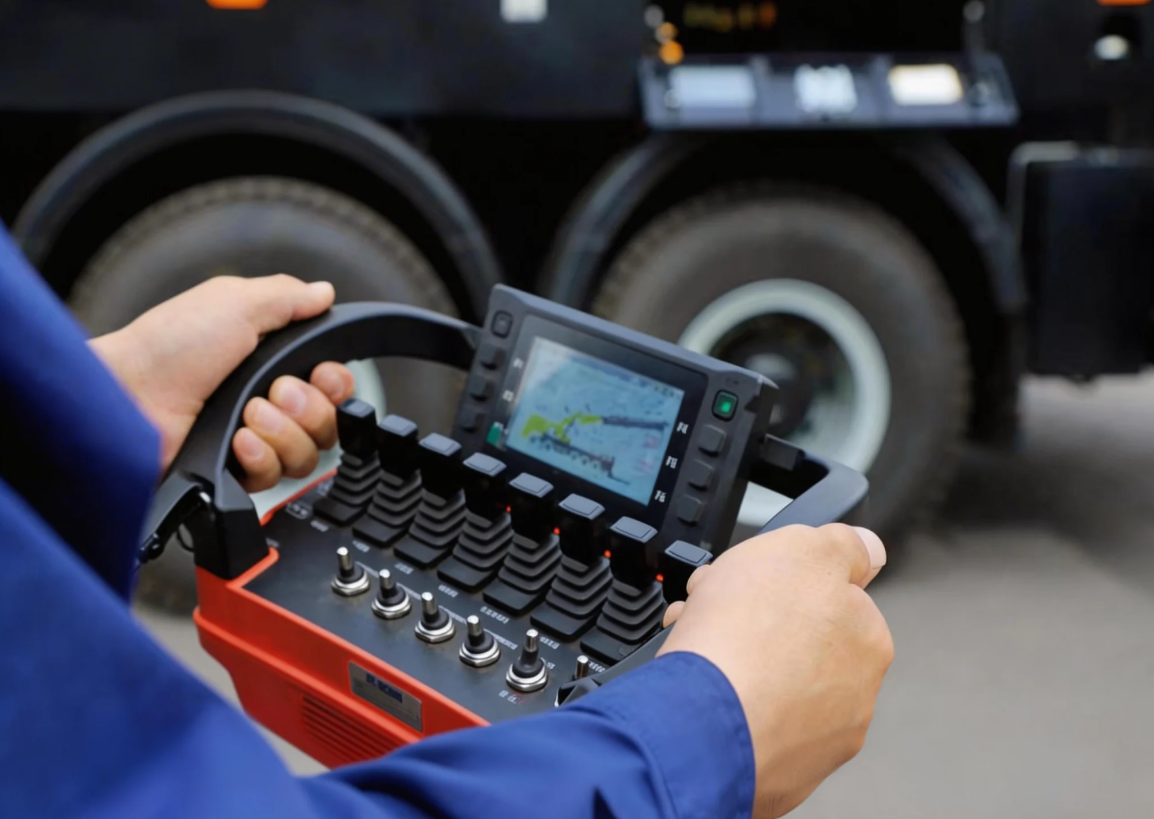
Communication performance is a key part of industrial control applications. An industrial radio remote system allows operators to control equipment without being restricted by traditional wired connections. Signal stability and anti-interference capability are important factors when applying wireless technology to heavy machinery.
Safety functions also affect system selection. Emergency stop features, fault detection, and secure communication mechanisms help manufacturers consider operational risks during machine development. These functions are especially relevant for equipment used in lifting, construction, and industrial environments.
Protection design should also match actual working conditions. Equipment exposed to outdoor environments or industrial sites may require stronger resistance against dust and water. Reviewing these technical factors helps companies select control components based on practical needs.
T-F4 Supports Explosion-Proof Equipment Applications
For projects involving special operating environments, we provide industrial wireless control options designed around equipment requirements. Techwell Remote Control works with OEM and ODM partners that need customized control solutions for different machinery applications.
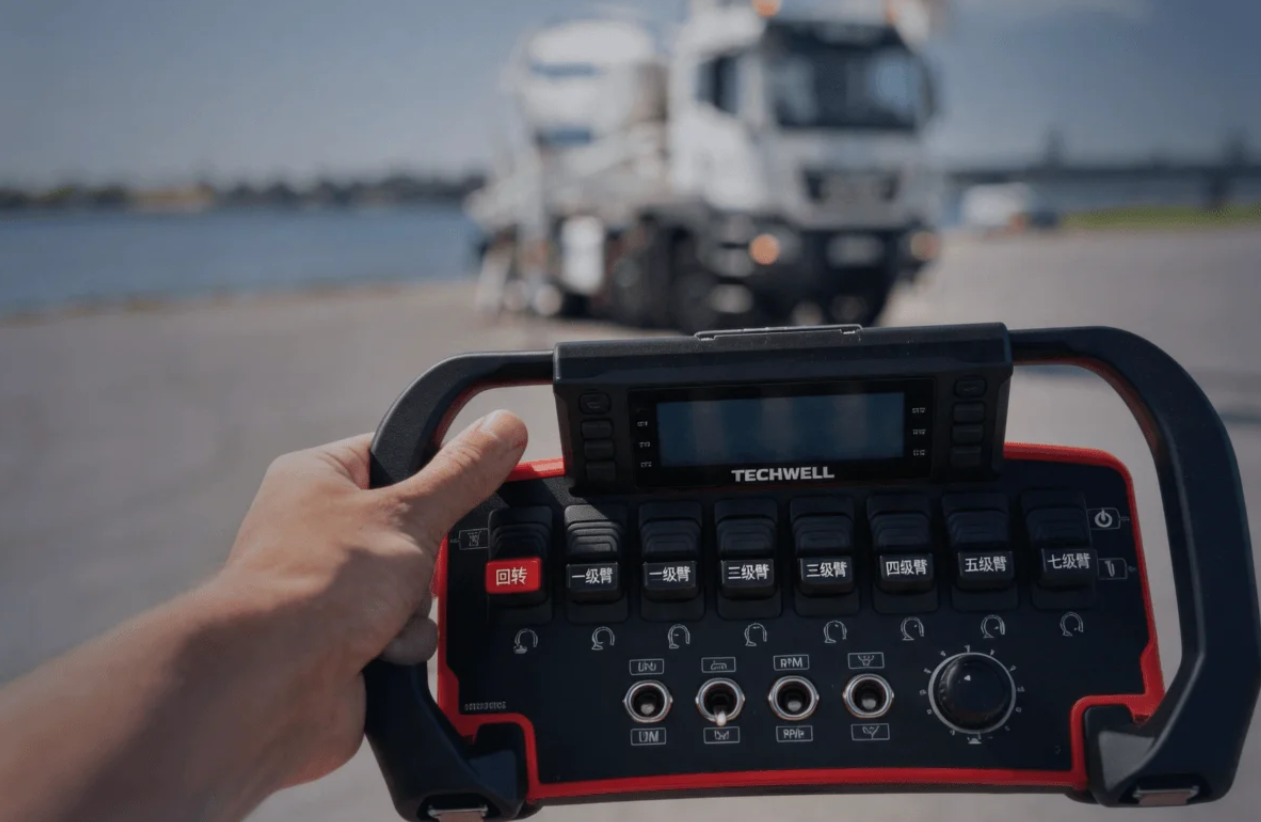
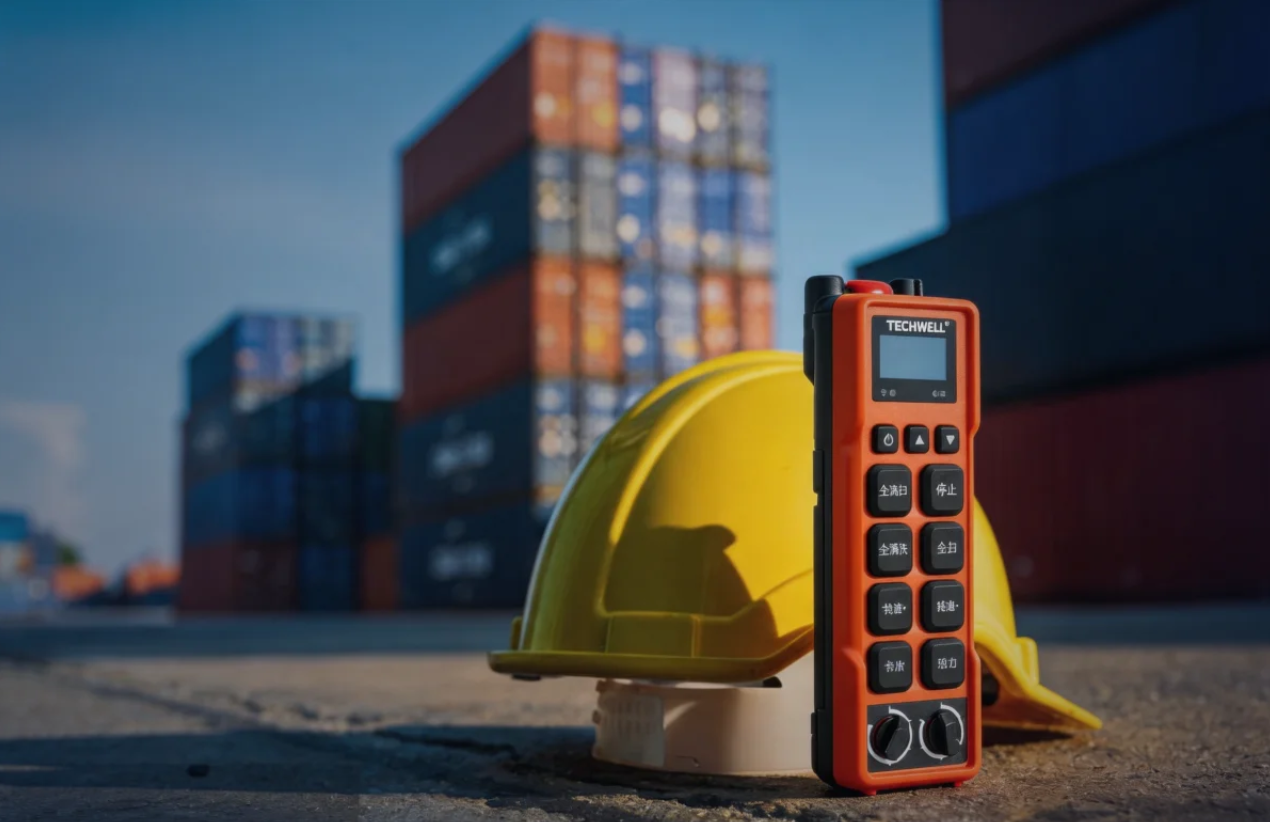
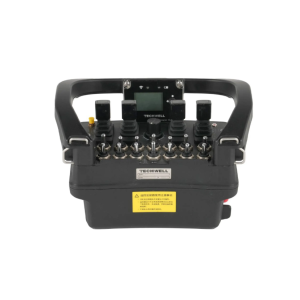
The T-F4 Intrinsically Safe Explosion-Proof Shoulder Transmitter is developed for industrial environments where explosion-proof performance is required. It uses flame-retardant conductive engineering plastics and features an IP66 protection class. The transmitter is powered by a 7.4VDC/2000mAh battery and provides a wireless range of ≥150m.
For equipment manufacturers, transmitter structure and technical specifications are important when integrating control systems into machines. The shoulder transmitter design of T-F4 supports practical operation needs while allowing partners to evaluate its suitability according to equipment functions and project conditions.
OEM and ODM Cooperation Requires Technical Alignment
Industrial equipment projects often involve different control requirements. A standard product may not always match every machine structure or application environment. Early communication between manufacturers and suppliers helps identify suitable configurations and technical expectations.
OEM and ODM cooperation usually requires attention to product integration, communication methods, and application details. Suppliers need to understand equipment functions and operating conditions before providing suitable control options.
For distributors and system integrators, cooperation also involves product consistency and technical support. Techwell Remote Control focuses on industrial applications and provides control solutions that support different equipment manufacturers and market requirements.
Wireless Control Helps Improve Equipment Design Flexibility
The development of wireless technology has changed how industrial machines are designed and operated. Compared with traditional wired control methods, wireless systems can provide more flexibility in operator positioning and equipment layout.
An industrial radio remote system can be considered during the design stage of construction machinery, lifting equipment, and other industrial applications. Manufacturers can review factors such as communication distance, control functions, and environmental requirements before implementation.
A suitable control system is not only related to operation convenience. It is also connected with equipment structure, maintenance planning, and long-term application needs. Careful evaluation helps companies create more practical machine designs.
Reviewing Project Conditions Before System Integration
Remote control selection should begin with the actual operating environment and machine safety requirements rather than equipment categories alone. Both lifting and mining machinery require evaluation of control functions, emergency-stop behavior, interlocks, and communication-loss responses. These requirements should be assessed according to the machine’s operating conditions and potential hazards.
For indoor lifting operations, structural obstructions may affect operator visibility and wireless coverage. Outdoor open-pit equipment may face dust, rain, uneven terrain, and signal interference. Surface facilities with explosive gas or combustible dust hazards require additional checks of hazardous-area classification, equipment certification, and installation restrictions.
Underground mining applications involving methane or coal dust hazards require mining-specific explosion-protection approval and verification of permitted operating conditions. Equipment manufacturers should confirm the relevant hazardous substances, equipment classification, and certification documents before integration. Dust resistance and reliable communication alone do not establish suitability for hazardous mining environments.
Developing Reliable Control Approaches for Future Equipment
Heavy equipment manufacturers need control systems that match both current applications and future development plans. Evaluating protection features, communication performance, and customization possibilities helps companies make more suitable decisions.
We continue to support industrial partners through OEM and ODM cooperation, focusing on wireless control requirements for different machinery fields. By understanding application conditions and technical needs, we work with partners to develop practical control approaches.
Explosion-proof radio control technology provides an option for improving equipment operation in demanding environments. When manufacturers consider safety, compatibility, and project requirements together, they can build control systems that better support industrial applications.