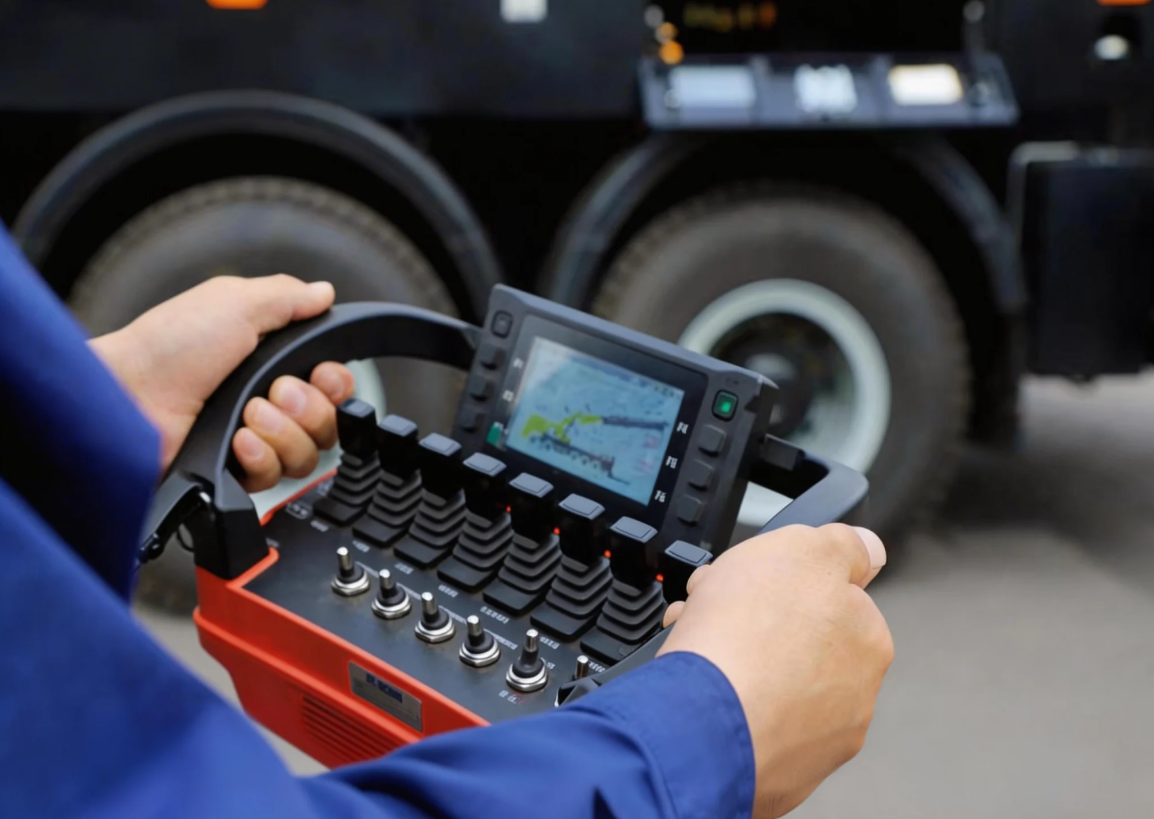
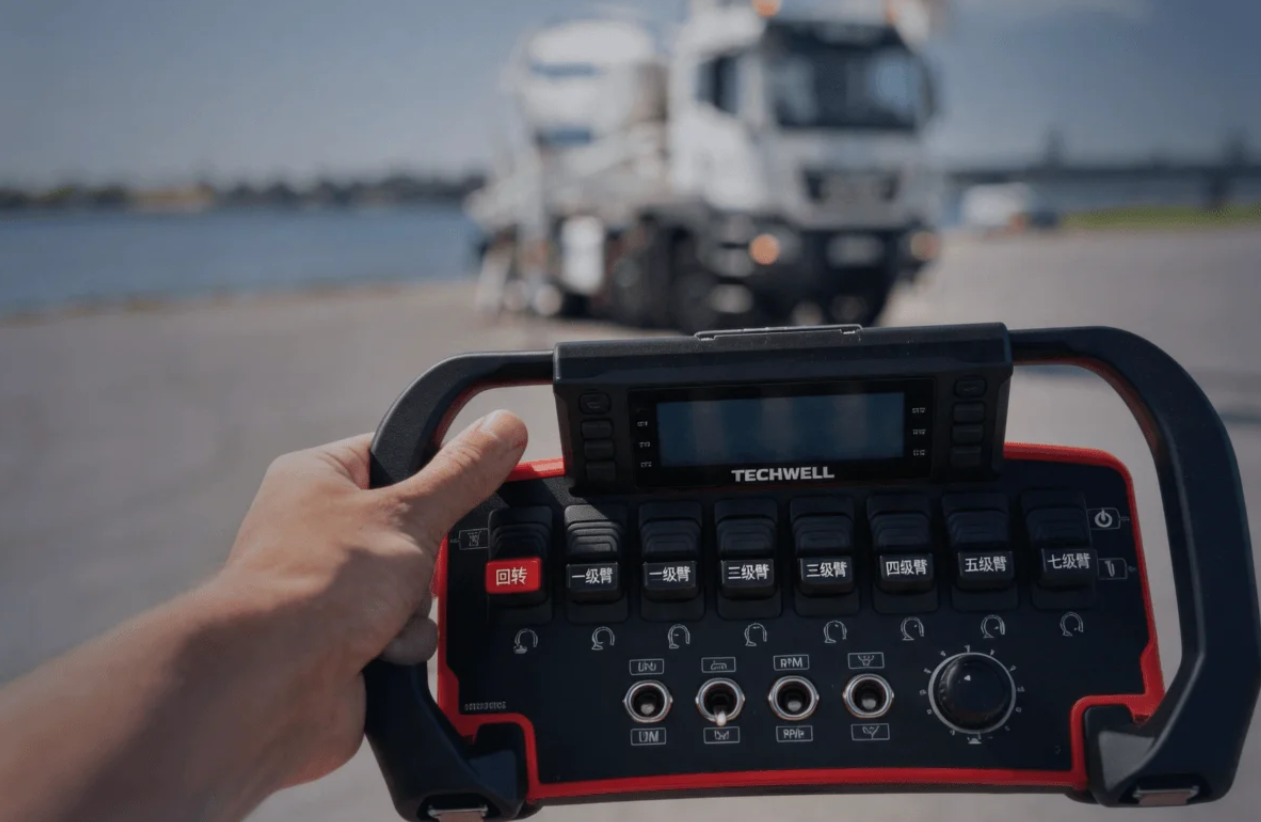
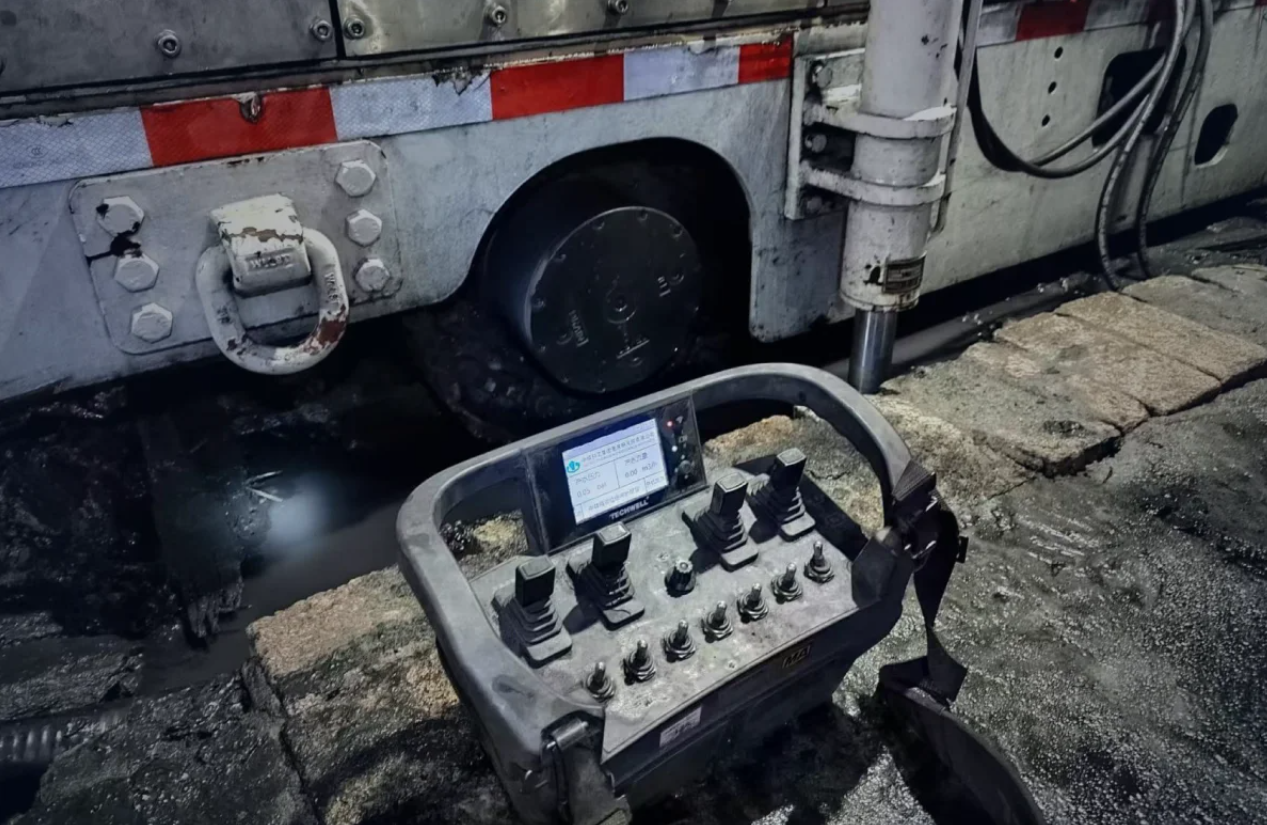
The handheld controller is one part of the machine that the operator actually holds throughout the working process. It may be exposed to drops, dust, repeated button presses, vibration, and frequent movement between work areas. At the same time, the controller needs to remain light enough for extended use without creating unnecessary fatigue.
These two requirements often create a design challenge. Increasing structural protection can add weight, while reducing weight too far may affect housing strength or component protection. For equipment manufacturers, balancing durability, handling comfort, button layout, and internal structure is therefore an important part of handheld controller development. The final design needs to reflect both the working environment and the operator’s daily control habits.
Key Factors in Heavy Machinery Controller Selection
Heavy machinery often operates in outdoor areas, factories, ports, and construction sites. Dust, moisture, vibration, and temperature changes can affect equipment performance. Therefore, control devices need designs that fit different industrial conditions.
For OEM customers, controller selection is closely related to equipment structure and application needs. Button layout, communication methods, and installation requirements should be considered during machine development.
When manufacturers evaluate handheld industrial remote controls, they usually review signal reliability, operating convenience, and environmental protection. These factors help create control solutions that match different types of machinery.
Protection Design for Industrial Environments
Protection capability is an important part of industrial controller design. A suitable housing structure helps protect internal components from dust and moisture during daily operation. For equipment used in workshops, construction sites, or outdoor areas, proper protection design can support stable performance under different working conditions.
Temperature range is also a consideration for outdoor equipment. Machines used in different regions may face changing climate conditions, so suppliers need to understand application environments before selecting suitable control components. This evaluation helps manufacturers match control systems with specific operating requirements.
Communication performance is another key factor. A stable connection allows operators to control equipment more smoothly, especially when machinery requires accurate movement and repeated operation. Signal reliability and response performance are also important for improving overall control experience in industrial applications.
How Control Functions Match Equipment Applications
Different machines have different control requirements. A crane may require simple pushbutton operation, while other equipment may need customized functions based on movement systems and working processes.
We work with industrial partners to understand equipment requirements and provide suitable wireless control options. Techwell Remote Control focuses on OEM and ODM cooperation, supporting manufacturers that need customized control solutions for different machinery applications.
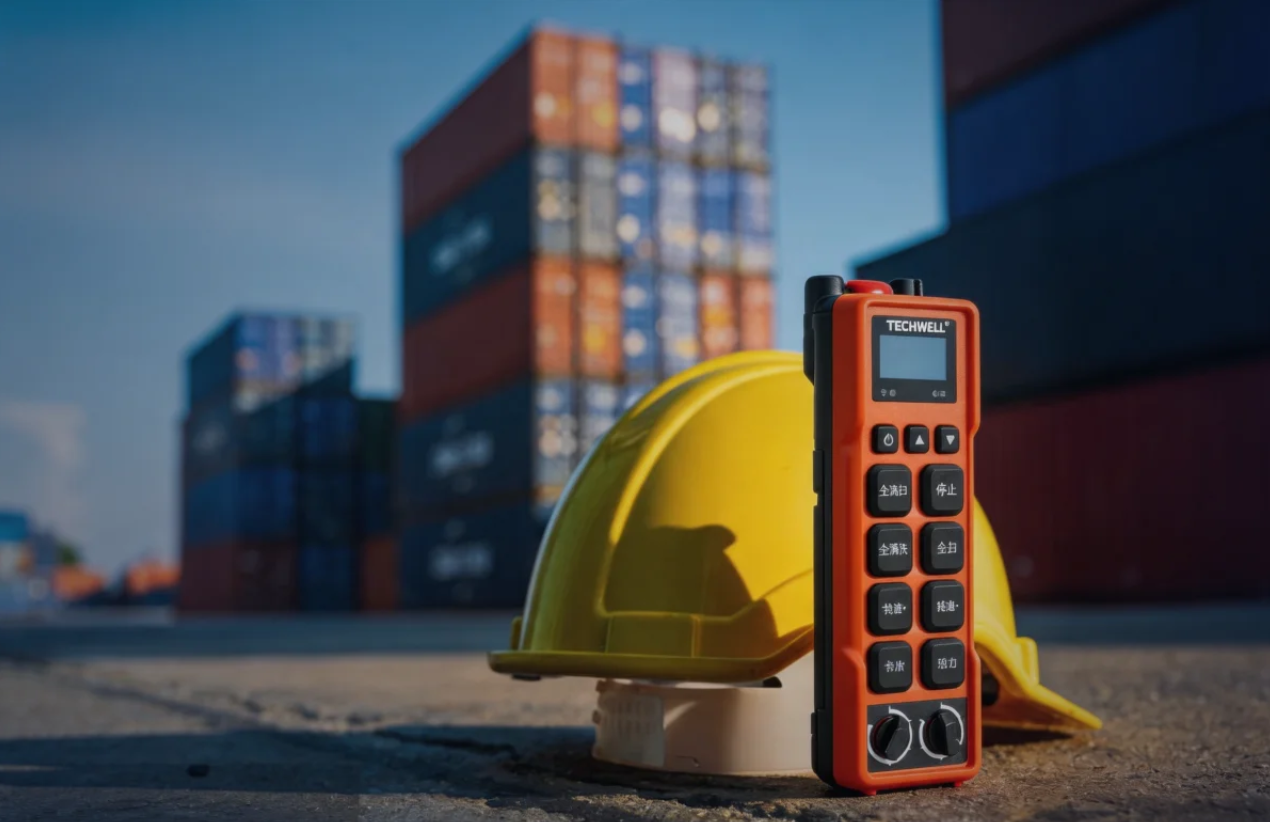
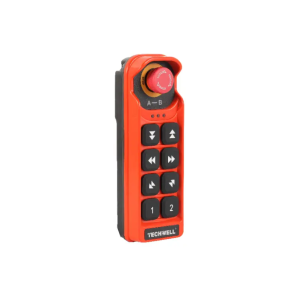
At 0.2kg with an IP66 rating, the BES08 addresses the weight-durability tension directly. The 190×63×45mm body is compact enough for one-handed use, while the IP66 housing protects against the dust and moisture typical of outdoor job sites.
Safety Requirements in Wireless Control Systems
Safety functions are an important consideration when integrating wireless controls into heavy machinery. Emergency stop functions, communication protection, and fault diagnosis features can support safer equipment operation.
For equipment manufacturers, safety design should be considered together with machine structure and operating processes. A control system needs to provide suitable functions without adding unnecessary complexity to daily use.
An industrial remote controller should also support stable maintenance and management. Clear functions, practical design, and suitable protection features can help companies plan equipment solutions more effectively.
How Should Handheld Controller Ergonomics Be Tested?
Ergonomic evaluation should reflect how operators handle the controller during actual equipment tasks. Testing should cover grip comfort, button reach, control identification, and hand fatigue during repeated use. Operators should also test the controller while wearing the gloves normally required at the worksite.
Control layout can be assessed through representative operating sequences. Test participants can check whether frequently used buttons are easy to locate without repeatedly looking down and whether adjacent controls create a risk of unintended input. Movement response and safety-related functions should be verified separately by qualified personnel under controlled conditions, without using suspended loads for fault testing.
Where Do Ergonomic Design Benefits Have Limits?
Compact size and low weight may improve handling, but they do not automatically make a controller suitable for every machine. When evaluating a handheld controller for heavy machinery, manufacturers should consider the number of required commands, operating duration, control layout, and whether the equipment needs single-speed, multi-speed, or proportional inputs.
Environmental and machine safety requirements also affect suitability. Operators may work in wet, dusty, or vibration-prone environments, while machine movements may require specific interlocks and emergency-stop functions. Ergonomic advantages cannot replace verification of electrical interfaces, radio coverage, or the required safety functions.
What Should Buyers Check Before Selecting a Controller?
Before selecting handheld industrial remote controls, buyers should confirm the required machine movements, button arrangement, controller dimensions, weight, and operating conditions. Grip comfort, glove compatibility, and the ability to identify controls without frequent visual attention should be evaluated through practical handling tests.
The technical review should also cover transmitter-receiver compatibility, output signals, enclosure protection, and applicable safety requirements. For project-specific recommendations, customers can provide their equipment type, required control actions, operating environment, and receiver interface details. Techwell Remote Control can use this information to discuss suitable control configurations and customization requirements.