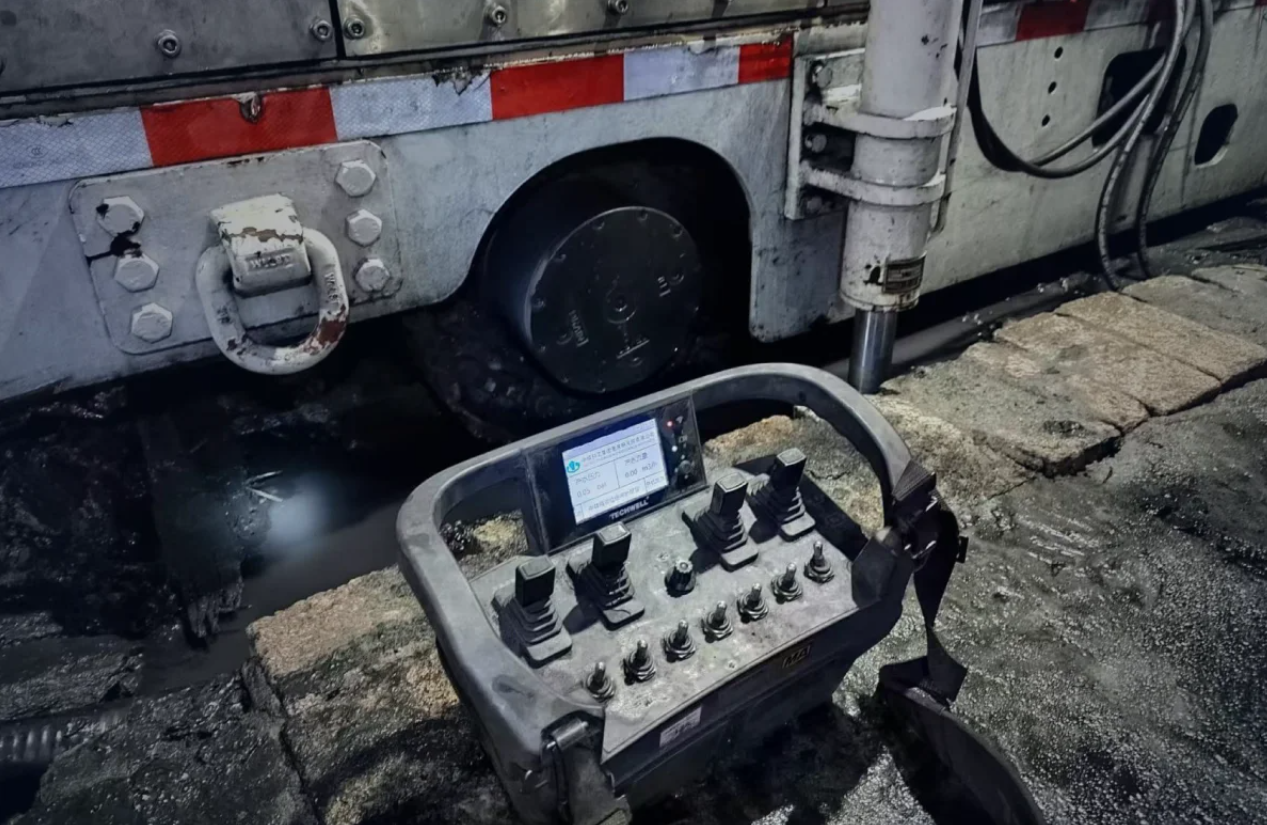
Industrial lifting operations in hazardous environments require careful control solutions. Facilities such as petrochemical plants, chemical works, and tank farms may contain explosive gases, which creates higher requirements for equipment selection. Understanding explosion protection, communication safety, and equipment compatibility helps engineering teams choose suitable control systems for demanding crane applications.
For manufacturers and project partners, remote control selection is not only about operating distance. Safety design, certification requirements, and system integration also influence long-term equipment performance. We focus on explaining these factors to help industrial partners evaluate suitable solutions for different working environments.
Understanding Explosion Risks in Crane Operations
Crane systems used in hazardous locations often operate near flammable gases, vapors, or dust. In these areas, control equipment needs to match the required protection level. A standard remote control may not meet the conditions of classified zones because electrical components can create potential ignition risks.
When companies evaluate an explosion proof industrial remote control, they usually review certification, enclosure protection, battery design, and communication safety. These factors help determine whether the system can support operations in areas with strict safety requirements.
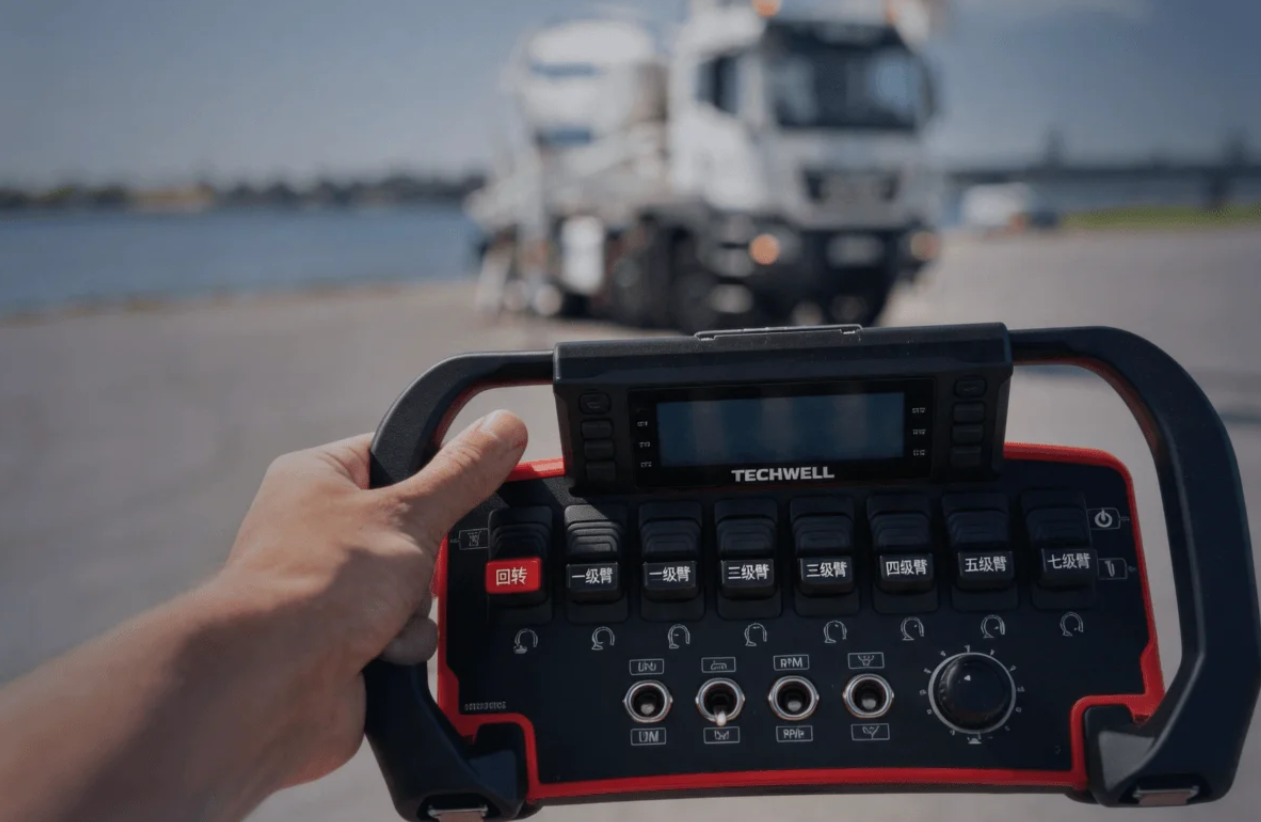
Industrial projects also require coordination between the remote control system and the crane structure. Button layouts, receiver installation, and output configurations should match the equipment design. This approach allows operators to control machinery with a solution developed around specific project conditions.
Evaluating Safety Features for Hazardous Areas
Explosion protection involves more than external protection. Internal electrical design, power supply management, and communication methods are also important parts of a safe control system. Engineers usually consider whether the equipment meets relevant standards for the intended hazardous environment.
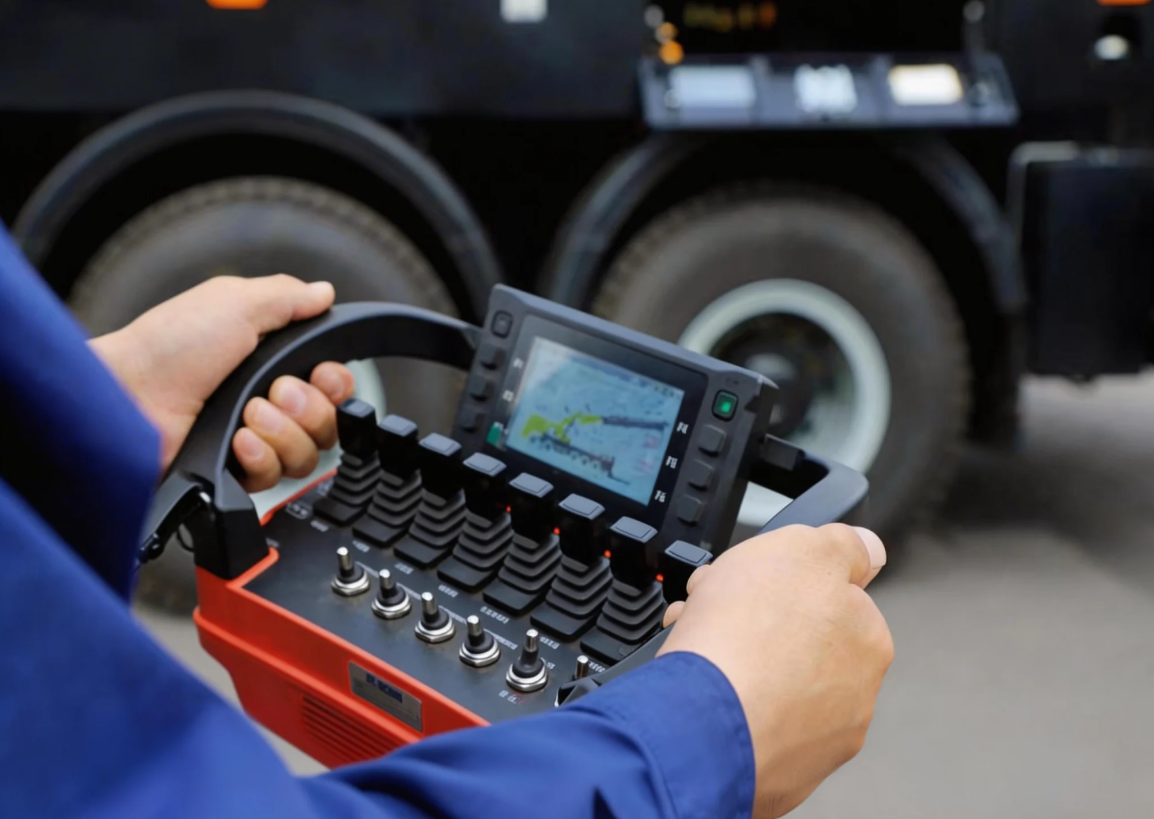
An industrial crane remote control used in these applications should provide stable communication and practical safety functions. Emergency stop functions, fault handling, and reliable signal transmission are important elements during crane operation because they support safer equipment management.
We work with industrial partners who need customized control solutions for different applications. Techwell Remote Control develops wireless control products for industrial equipment manufacturers and system integrators, with attention to OEM and ODM project requirements.
The Role of Intrinsically Safe Design
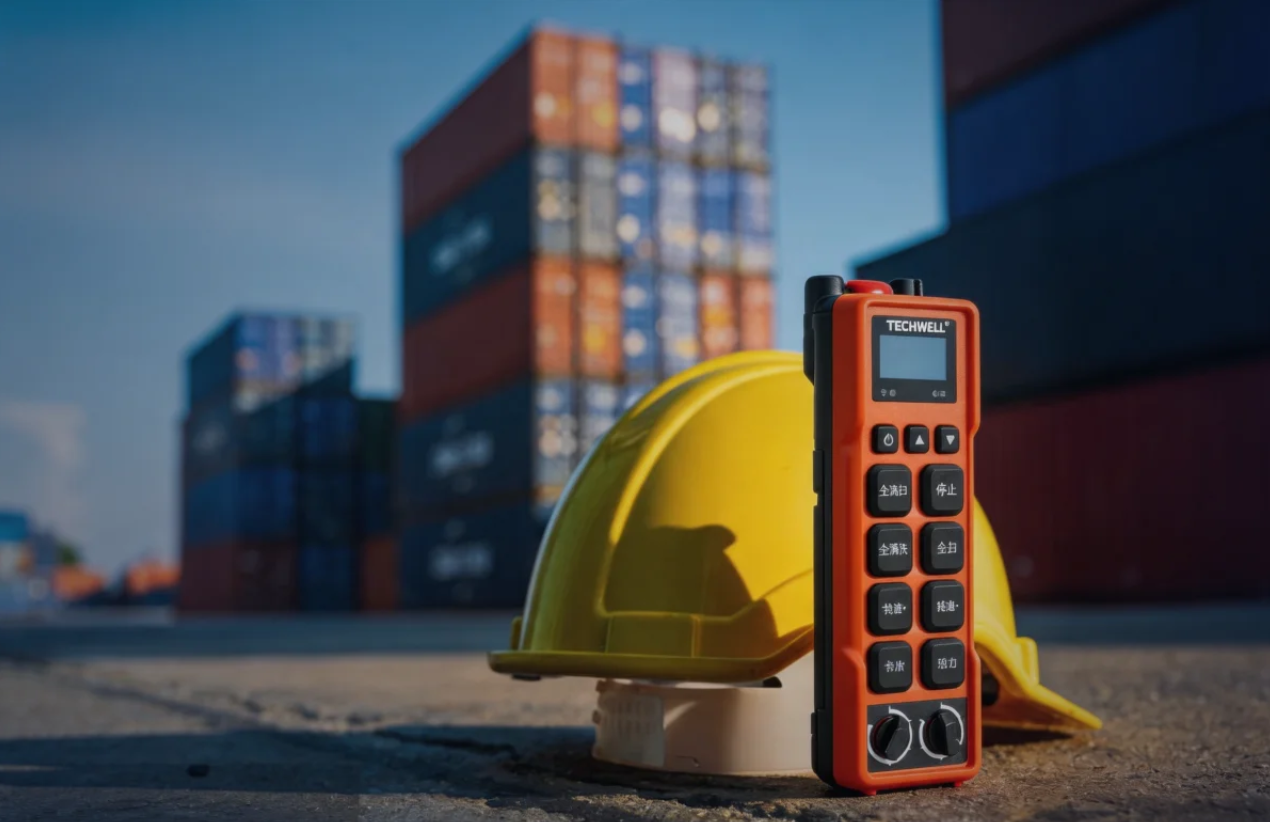
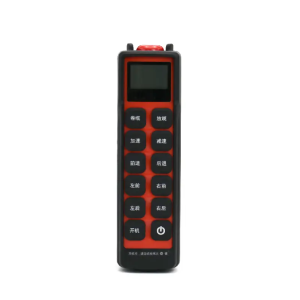
The T-F3 is designed for applications where explosion protection is required. It is built on the Bull 12-button platform and follows intrinsically safe design principles. The unit holds an Ex ia IIC T6 Ga explosion-proof certificate and is suitable for Zone 0 hazardous gas areas.
The product features an IP66-rated enclosure and uses a dedicated Ex lithium battery pack for hazardous-area applications. Buyers should verify the manufacturer-approved battery pack part number, certified configuration, and permitted operating conditions against the specific product documentation. Battery charging and replacement must follow the manufacturer’s safety instructions. Individual battery cells should not be substituted for the approved pack, as matching cell specifications do not establish equivalent explosion protection.
The T-F3 offers customization options for button functions, panel labels, and display configurations. Button assignments and labels may be adjusted only within the manufacturer’s approved configuration. The permitted changes should be confirmed against the specific model’s certification documents and technical instructions.
Changes involving display hardware, switches, enclosure components, or other certified parts require further review. The proposed 2-inch dot-matrix display must be confirmed as an approved option. Modifications outside the certified scope may require additional assessment or approval before production.
The receiver’s installation location and electrical interfaces must also be confirmed. Unless the receiver has separate approval for the intended hazardous area, it should be installed in a non-hazardous area. Receiver output types, channel counts, wiring connections, and interfaces with the machine controller should be verified against the selected receiver model and electrical drawings.
How Are Hazardous-Area Transmitters Connected to Safe-Area Receivers?
In hazardous-area crane applications, an explosion-protected transmitter may be used within its certified operating zone, while the compatible receiver is installed in a designated non-hazardous area. The receiver does not acquire explosion-protection approval simply because it communicates with a certified transmitter. Its installation location must be checked against the site’s hazardous-area classification.
The receiver processes accepted wireless commands and sends the configured output signals to the machine controller. Depending on the system design, these connections may use relay contacts or other supported interfaces. The required operating permissions, interlocks, and safety-related functions must be defined within the complete machine control architecture. Wiring that crosses hazardous-area boundaries must also meet the applicable installation requirements.
For project-specific configuration reviews, Techwell Remote Control can assess the proposed transmitter-receiver arrangement. Customers can provide the hazardous-area classification, equipment model, receiver mounting location, required control functions, and electrical drawings to support an engineering review.
Final Verification Before Hazardous-Area Crane Installation
Before selecting an explosion proof industrial remote control, project teams should confirm four items: the site’s explosive gas classification, the exact model’s valid explosion-protection certificate and permitted operating conditions, the approved battery and accessory configurations, and the receiver’s designated installation location. The certificate should match the intended gas environment, while optional components must remain within the approved configuration.
For an industrial crane remote control project, the receiver should be installed in a non-hazardous area unless it has separate approval for the intended hazardous location. Engineers should also verify the receiver’s electrical interfaces against the machine control system. These documented checks provide a basis for confirming the proposed equipment arrangement before installation.