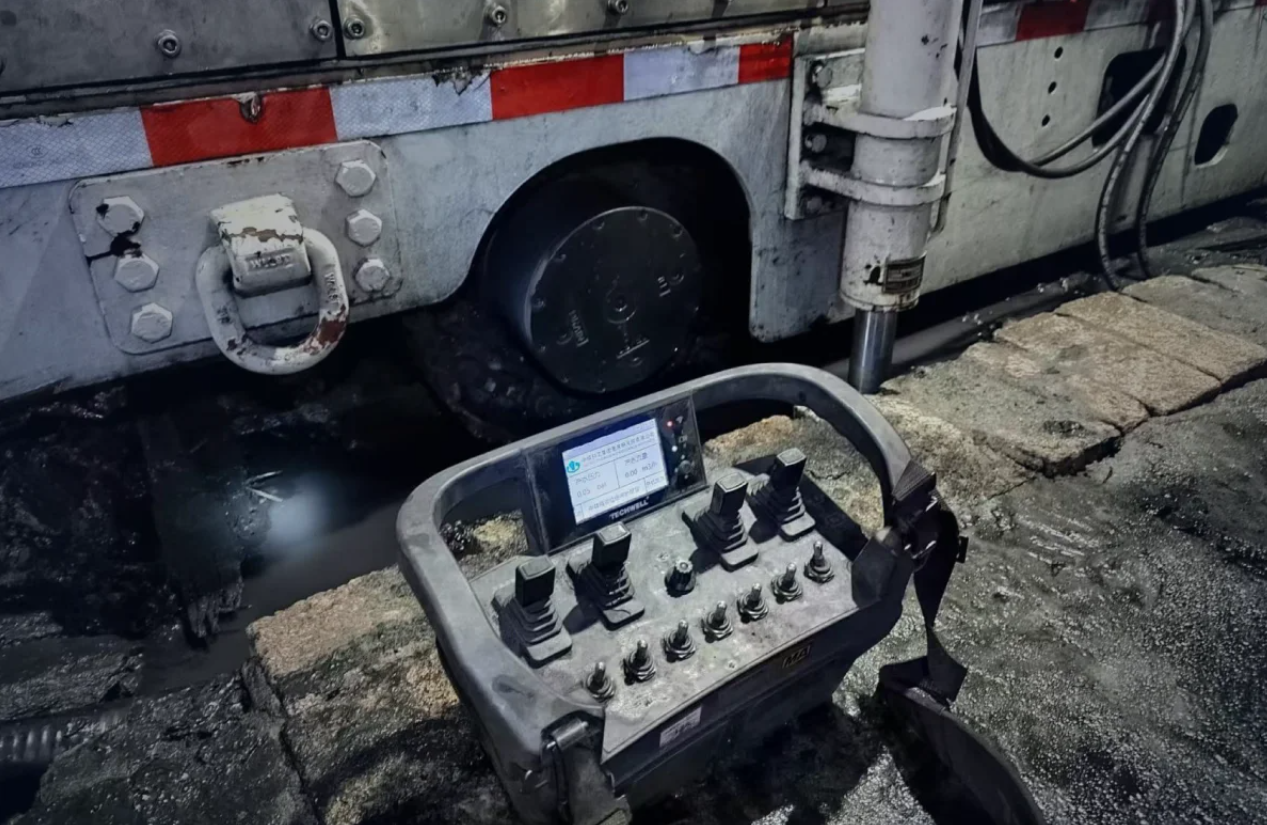
Industrial environments with flammable gases, dust, or chemicals require careful equipment selection. Control systems used in these areas need to support safe operation while maintaining reliable communication. Understanding the design requirements of hazardous environments helps equipment manufacturers and integrators evaluate suitable solutions for their projects.
Remote control systems for mining, factories, and heavy equipment are different from standard industrial products. Protection levels, communication stability, and safety functions all influence whether a system can match specific working conditions.
Why Hazardous Areas Require Special Control Systems
Explosive atmospheres can appear in factories, mines, and processing facilities where combustible materials are present. Equipment used in these locations needs designs that reduce possible ignition risks and support stable operation during daily tasks.
The explosion proof industrial remote control category usually focuses on protective structures, safe electrical design, and compliance with relevant requirements. These factors help manufacturers select control equipment that fits hazardous area classifications and operational needs.
Industrial buyers also review environmental protection features. Dust, moisture, vibration, and temperature changes may affect equipment performance. The selected control system should have a structure that supports continuous industrial use under demanding conditions.
Safety Features That Support Hazardous Applications
Intrinsic safety is a protection concept that limits electrical energy and thermal effects to prevent ignition of specified explosive atmospheres under the normal operating and fault conditions covered by the applicable standards. Its effectiveness depends on the approved equipment configuration, hazardous atmosphere, and operating conditions. It does not imply protection against every possible fault or suitability for all explosive environments.
Communication reliability and fault response are separate considerations. Stable signal transmission and communication monitoring can support normal operation, while a detected communication loss may trigger a predefined stop response, depending on the system design. Emergency-stop functions require separate safety verification, including the required output states and reset conditions. These features do not establish explosion protection or cybersecurity capabilities such as authentication and encryption.
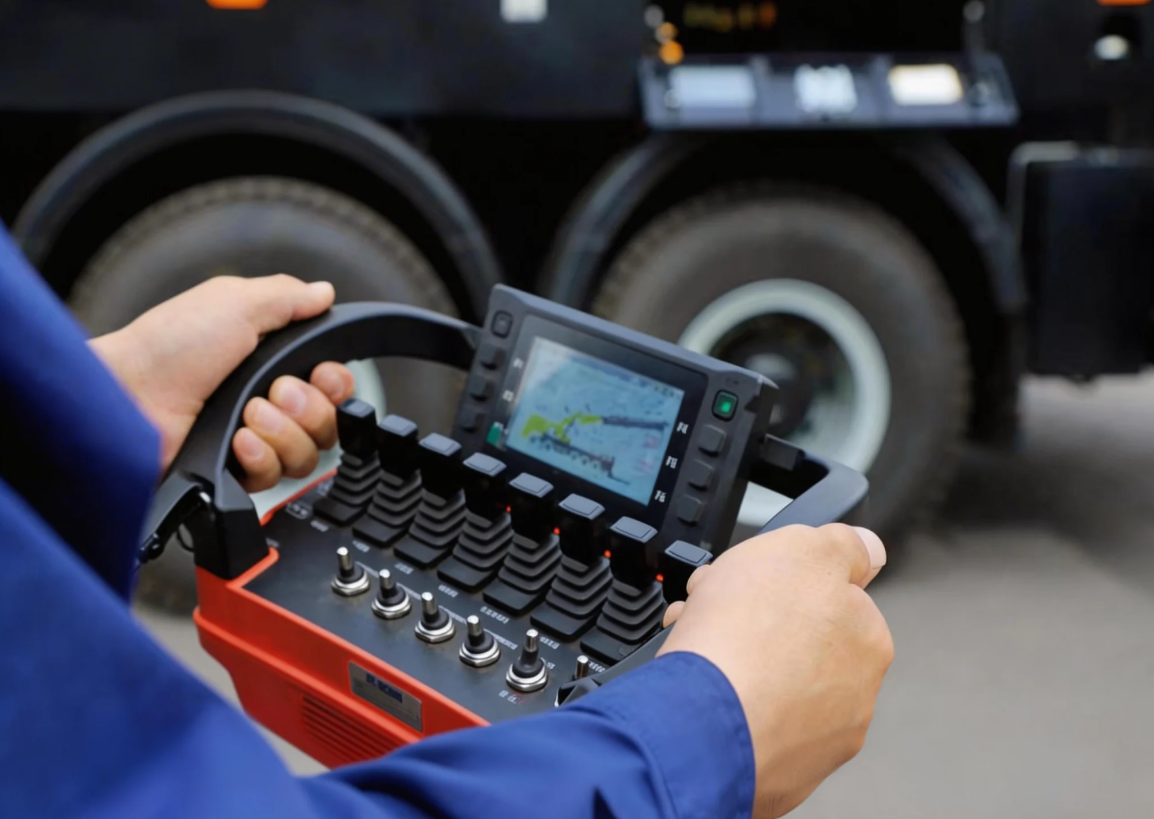
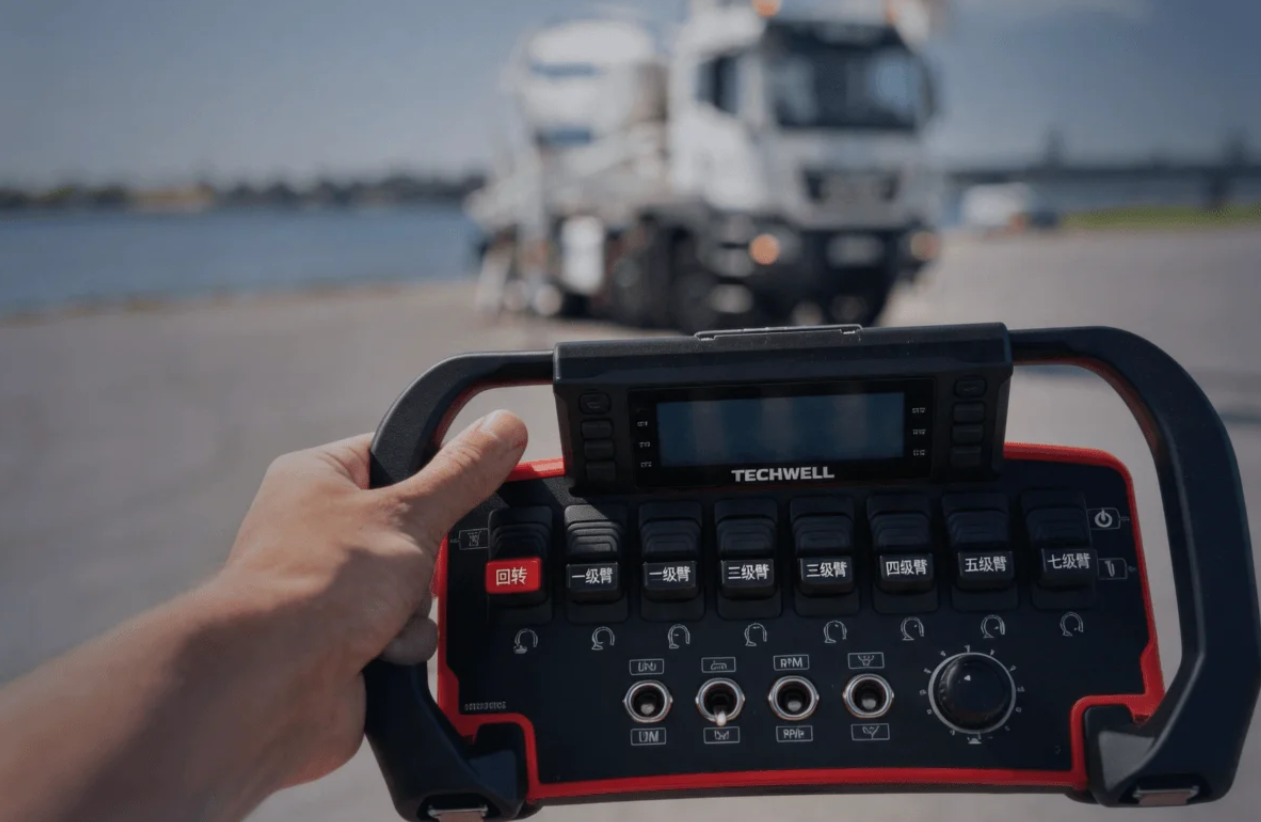
Different projects may require different control layouts. Joysticks, switches, displays, and sensors can be selected according to machine functions. This flexibility allows equipment manufacturers to match control systems with their own product designs.
How Wireless Design Influences Industrial Performance
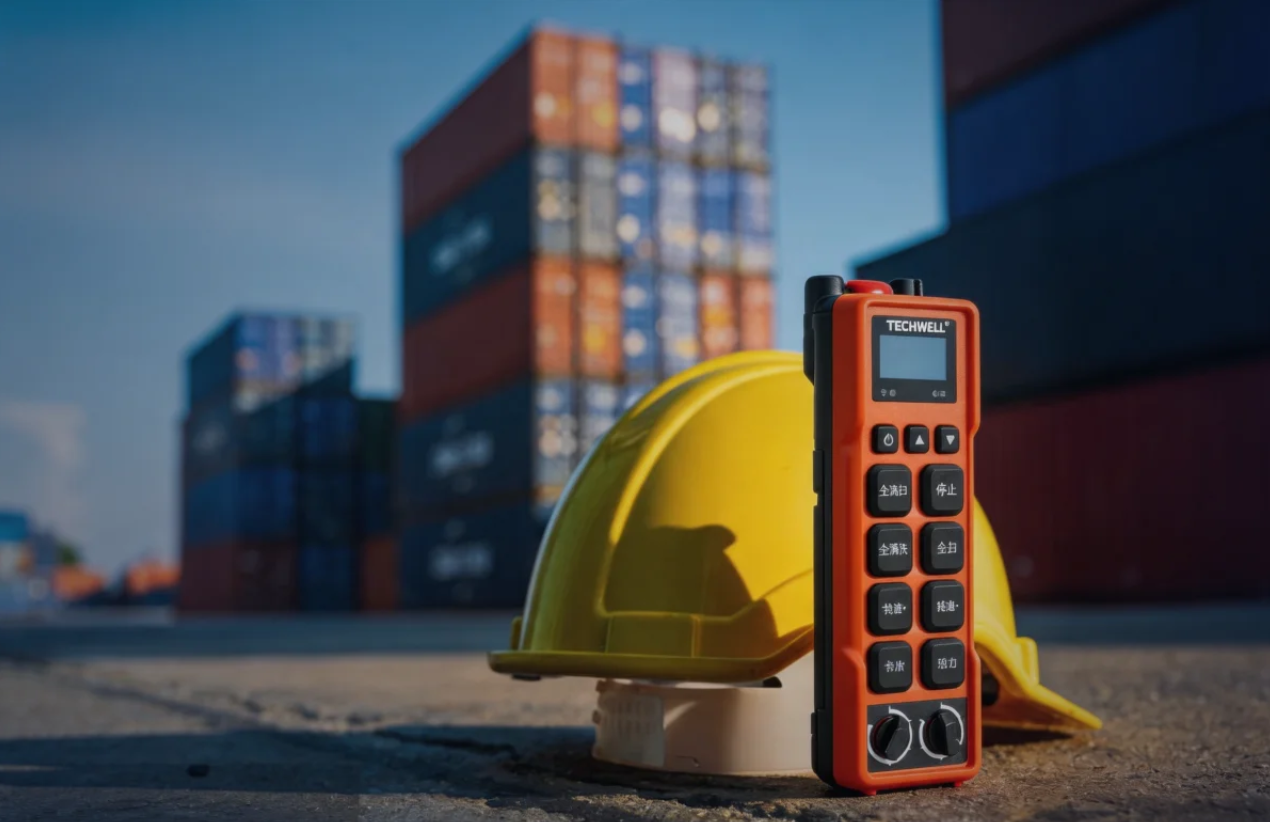
Wireless communication provides more flexibility for equipment operation. Compared with traditional wired controls, industrial wireless remote controls can support operation from a safer distance and reduce cable management challenges in complex working environments.
Range stability is an important evaluation point during supplier selection. Signal performance can be affected by obstacles, surrounding equipment, and site conditions. Industrial projects often require communication systems that maintain consistent performance throughout the working area.
Battery design also affects practical use. Rechargeable power systems, efficient energy management, and suitable operating time help reduce interruptions during equipment operation. These details are often considered during the design stage of OEM projects.
Techwell Remote Control and Hazardous Environment Solutions
When developing control solutions for mining and industrial equipment, we focus on matching product design with application requirements. Techwell Remote Control provides OEM and ODM support for partners that need customized industrial wireless control solutions.
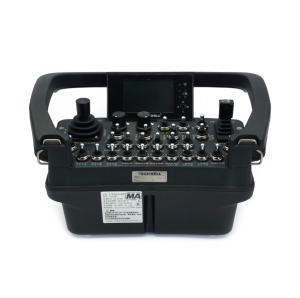
One example is the FYF20A Intrinsically Safe Mining Shoulder Transmitter. This model is designed with Ex ia IIC T4 Ga intrinsically safe protection and supports Zone 1 and Zone 2 hazardous factory environments. It uses joystick and mixed switch controls for different operation requirements.
The transmitter features an IP66-rated enclosure, measures 265 × 171 × 172 mm, and weighs 1.2 kg. When paired with the specified compatible receiver, the wireless system has a specified operating range of at least 150 m under the manufacturer’s test conditions. The rated distance should be checked against the stated line-of-sight conditions, as metal structures, obstacles, and radio interference may affect actual coverage. On-site testing is recommended to verify the operating range.
The transmitter offers configuration options that may include a 3-inch or 4.3-inch display for operating information, ID card recognition for operator identification, and a 3-axis sensor for motion or tilt detection, depending on the system design. For hazardous-area applications, buyers must verify which options and accessory combinations are covered by the specific model’s explosion-protection certification. Installation, replacement, and operation must follow the approved configuration and specified conditions. These optional features should not be treated as independently certified safety functions.
Important Factors for OEM and ODM Selection
For machinery manufacturers, choosing a remote control supplier involves more than checking basic specifications. Compatibility with equipment structure, communication requirements, and future customization needs should also be considered.
Technical cooperation is valuable during product development. Suppliers with OEM and ODM experience can communicate with engineering teams, review application conditions, and adjust configurations according to project requirements.
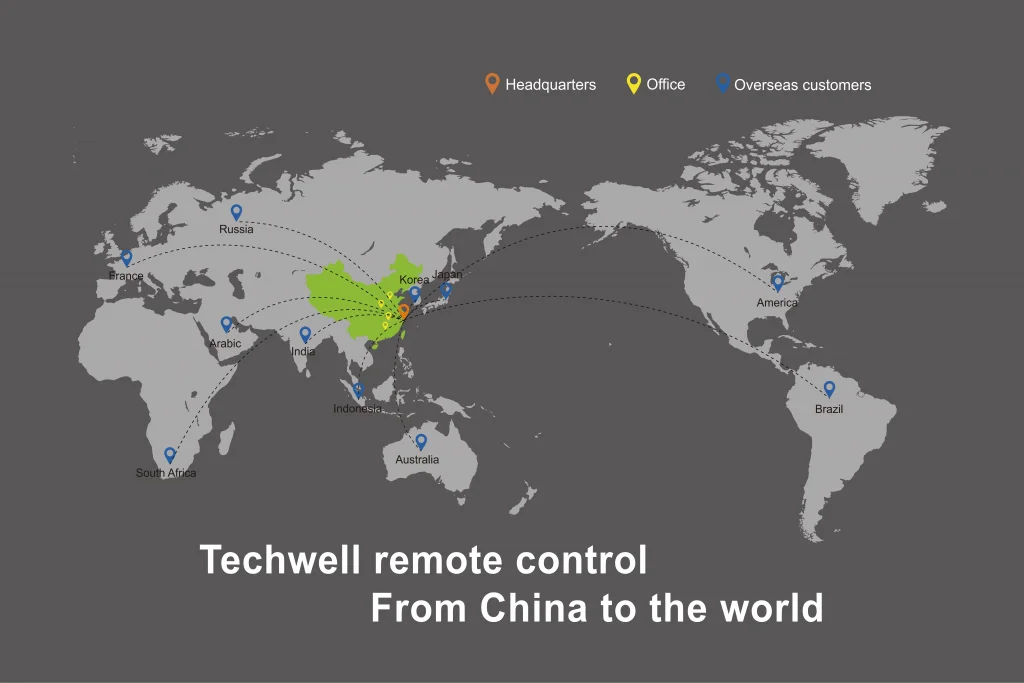
Certification and quality management are also important parts of supplier evaluation. Overseas customers often review compliance documents, product testing information, and support capabilities before establishing long-term cooperation.
Industrial safety requirements continue to influence the development of remote control systems. Selecting suitable solutions requires attention to protection design, communication reliability, and equipment compatibility.
Project requirements can vary between equipment categories and regions. Manufacturers may need different control interfaces, installation methods, or operating functions based on their machines. Early communication between equipment builders and control suppliers helps identify suitable configurations before production. This process is useful for OEM and ODM cooperation because it connects technical planning with actual application conditions. It also helps reduce unnecessary adjustments during later stages of equipment development and supports smoother project coordination across international markets.
Building Safer Industrial Control Partnerships
Our experience with industrial applications allows us to support different project needs through customized control options. Techwell Remote Control works with global partners to develop solutions for hazardous and demanding environments.
By understanding the requirements behind explosion proof industrial remote control and reviewing technical factors carefully, manufacturers can create safer and more practical equipment designs. The right approach helps businesses build reliable control systems for future industrial applications.
For equipment suppliers, industrial wireless remote controls should be evaluated based on application conditions, safety requirements, and integration needs. Careful planning during the early development stage helps create control systems that match project goals and support long-term industrial operations.