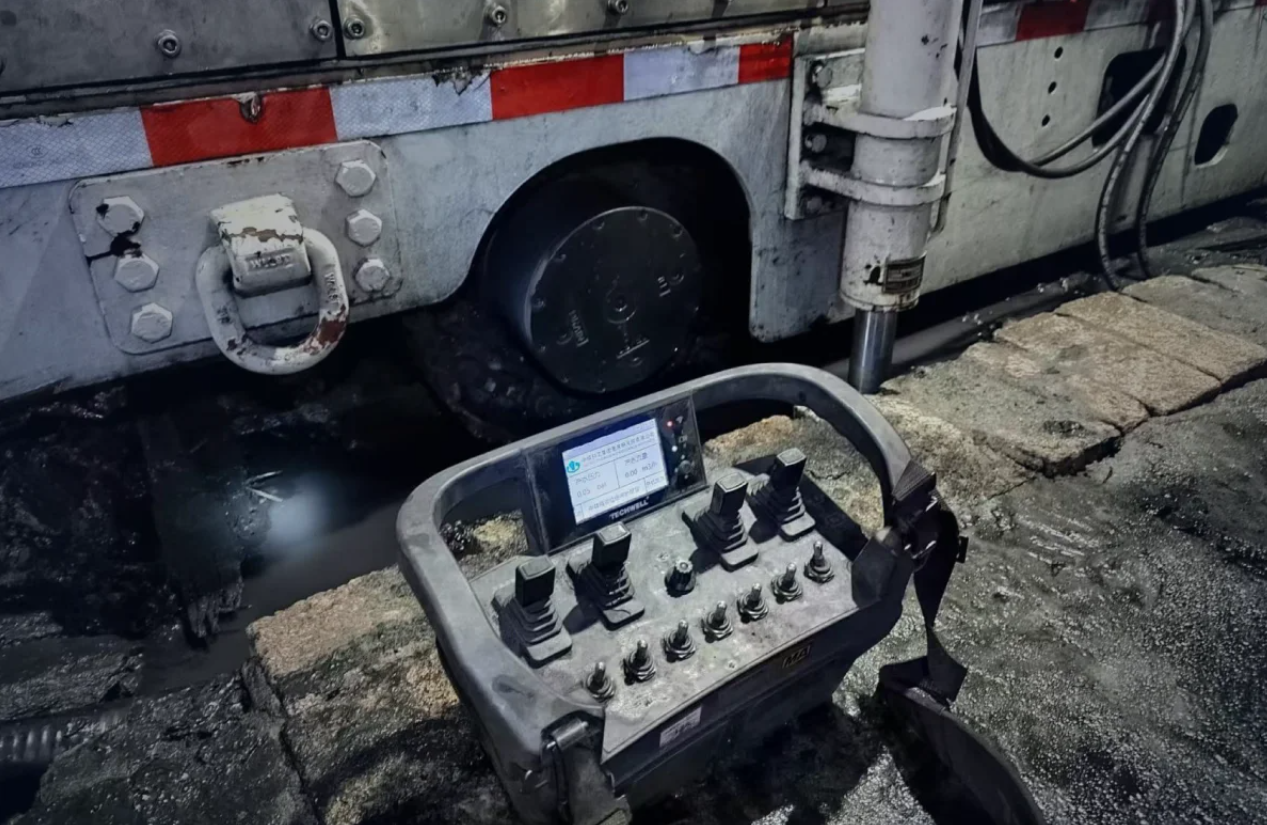
Industrial equipment operating in hazardous environments requires control systems that match safety and operation requirements. In mining, lifting, and heavy machinery applications, the choice of control method can affect how operators interact with equipment and how manufacturers design machine interfaces.
Push buttons and joysticks are two common control methods used in industrial remote control systems. Their different structures make them suitable for different tasks. Understanding their functions helps equipment manufacturers evaluate control solutions according to machine conditions and project requirements.
Different Control Methods for Industrial Applications
Push button controls are designed for operations that require clear and fixed commands. Operators can quickly identify specific functions such as start, stop, switching, or mode selection. This type of layout is often considered for machines with simple control sequences and defined operating steps.
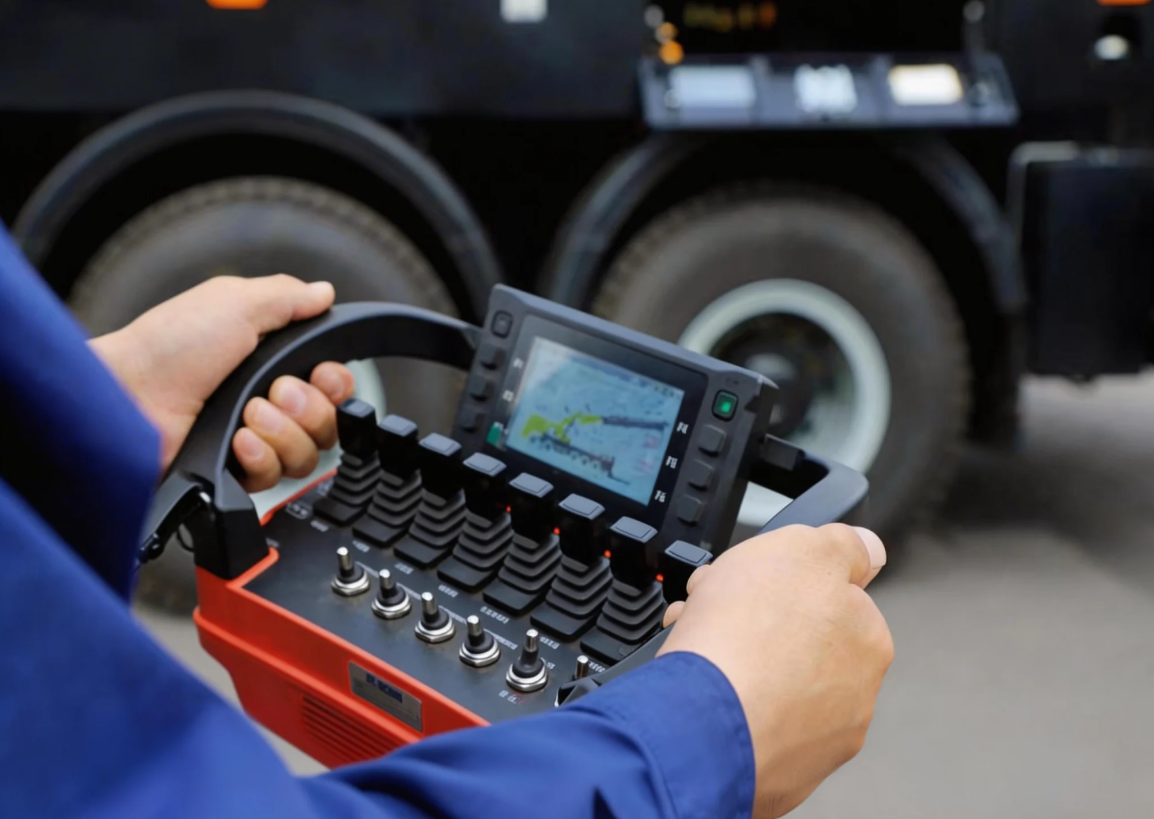
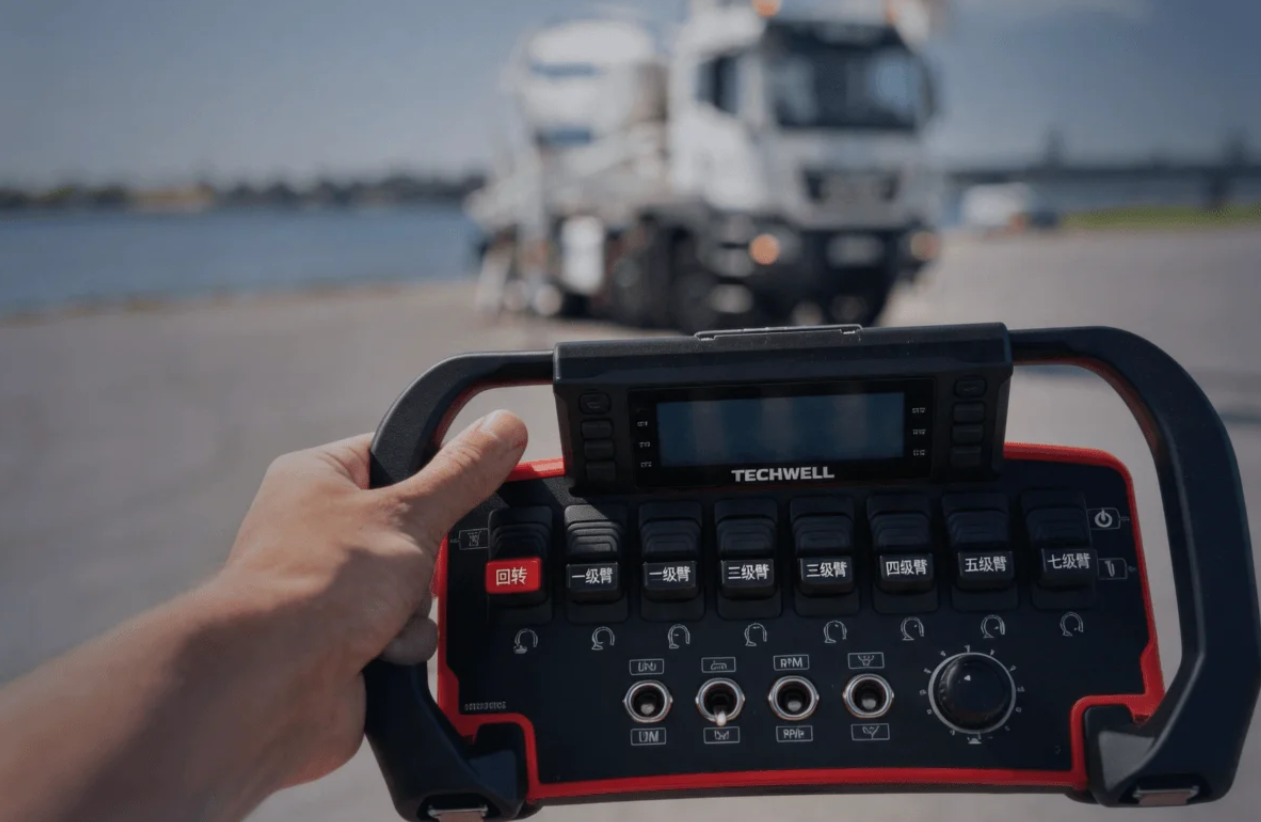
Proportional joysticks can provide variable speed or directional control when supported by the receiver and machine control system. In comparison, the BES08 uses eight single-speed, self-resetting pushbuttons for discrete movement commands. For the same lifting or travel functions, the choice depends on whether the machine requires continuous adjustment or basic On/Off control. Some joysticks use fixed positions, while other pushbutton models may support multi-speed operation.
The choice between buttons and joysticks depends on equipment structure, operation process, and working environment. Manufacturers usually review machine functions before selecting a control layout because the control method needs to match actual application needs.
How Safety Requirements Affect Hazardous Area Control
Hazardous industrial environments require additional attention to equipment protection and communication reliability. Dust, moisture, and potentially explosive conditions may influence the design requirements of remote control systems used in underground or special working areas.
An explosion proof industrial remote control system needs to consider factors such as protective housing, emergency stop functions, signal stability, and certification requirements. These elements help manufacturers evaluate whether a control solution is suitable for specific industrial environments.
Proportional joysticks can provide variable speed or directional control when supported by the receiver and machine control system. In comparison, the BES08 uses eight single-speed, self-resetting pushbuttons for discrete movement commands. For the same lifting or travel functions, the choice depends on whether continuous adjustment or basic On/Off control is required. Some joysticks have fixed positions, while certain pushbutton models support multiple speed levels.
For hazardous-area applications, an explosion proof push button control requires separate verification of its certification and approved configuration. The input type alone does not establish explosion protection.
Product Design Considerations for Mining Environments
Underground mining operations require control equipment that can handle demanding conditions. Remote control systems used in these areas need suitable protection levels, stable communication, and safety features that support daily equipment operation.
We work with industrial partners to develop remote control solutions for different machinery applications. Techwell Remote Control provides OEM and ODM support for equipment manufacturers that require customized control configurations based on their machine designs and project requirements.
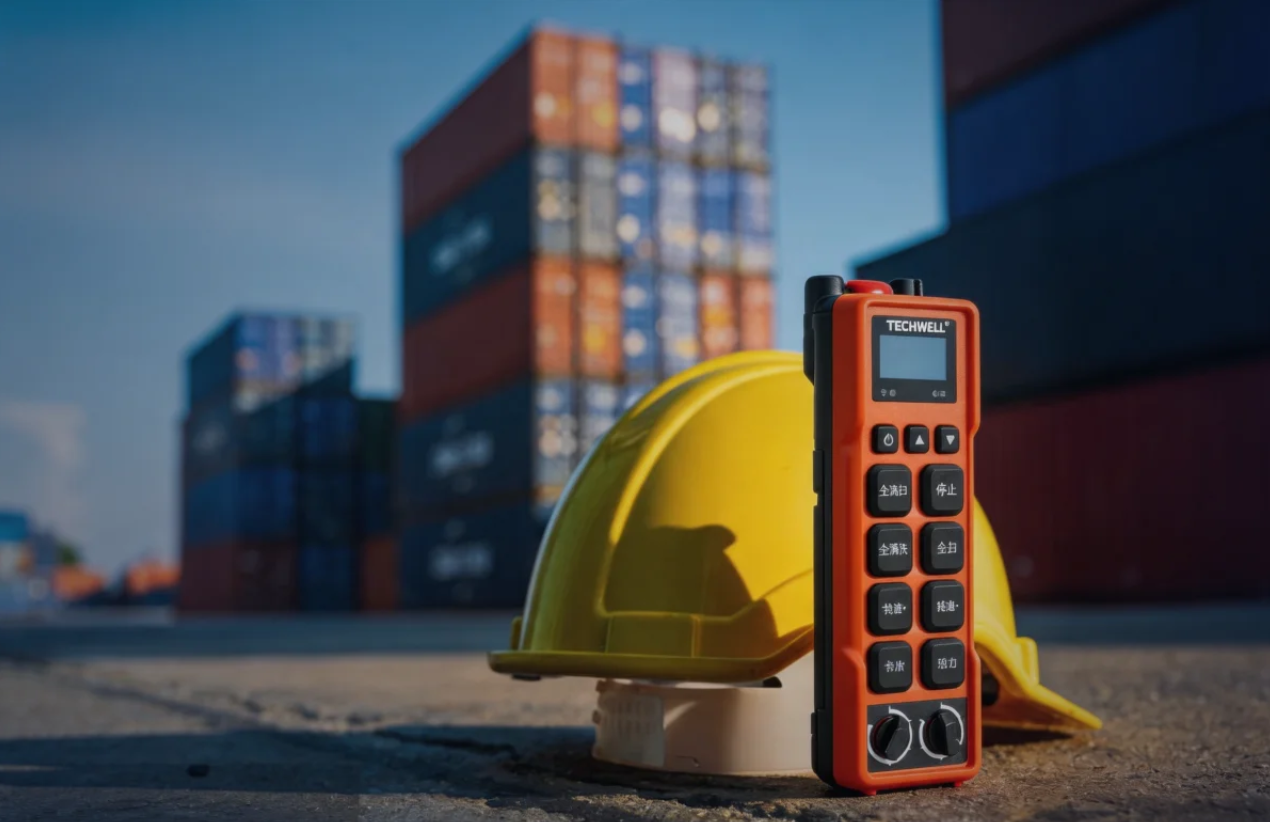
The FYF20(C) Explosion-proof Radio Remote Controller is designed for underground coal mining applications. It is intrinsically safe certified (Ex ia I Ma), and meets GB/T 3836.1-2021, GB/T 3836.4-2021, and MT/T 1137-2011 requirements.
The FYF20(C) is a button-operated mining remote controller with an IP67-rated housing, a weight of approximately 0.35 kg excluding the battery, and a 2.5-inch display for configured operating information. Optional ID card recognition may support operator identification or authorization, while a 3-axis sensor may detect movement or tilt, depending on the system configuration. These features should not be treated as validated safety functions without supporting technical evidence.
IP67 indicates protection against dust and water ingress but does not establish explosion-proof suitability. The FYF20(C)’s intended underground use must be verified against its mining explosion-protection certification, approved accessory configurations, and specified operating conditions.
How Should Push Buttons and Joysticks Be Compared for the Same Task?
For the same crane lifting task, push buttons and joysticks should be compared based on movement control, speed adjustment, and operator handling. The BES08 uses eight single-speed, self-resetting pushbuttons for discrete commands. Proportional joysticks can support variable speed adjustment when the receiver and machine control system are configured for proportional control. However, some joysticks have fixed positions, while certain pushbutton systems offer multiple speed levels.
Control layout also affects operator interaction. Push buttons provide separate positions for commands such as hoisting, lowering, and trolley travel. Joysticks may combine directional inputs within one control device. Manufacturers should compare how easily operators can identify commands, maintain attention on the load, and avoid unintended input during the same task.
The final comparison should consider the machine’s available speed-control functions, receiver output signals, and required positioning accuracy. If the crane uses basic On/Off control, a proportional joystick does not automatically provide smoother movement. Engineers should confirm whether the machine supports proportional signals before selecting the control method.
Choosing Controls Based on Tasks and Approved Configurations
The choice between push buttons and joysticks should depend on the machine’s required movements and control methods. Push buttons can provide discrete commands, while proportional joysticks may support variable speed adjustment when the machine control system allows it. Neither control type is inherently safer. The final selection should consider operating modes, control interfaces, interlocks, and operator requirements.
For hazardous environments, an explosion proof industrial remote control must also match the site’s hazardous-area classification and the product’s approved configuration. Buyers should verify the relevant certification, permitted control components, and operating restrictions before making a decision. Techwell Remote Control can review the required machine functions and application conditions to help customers evaluate suitable control configurations.