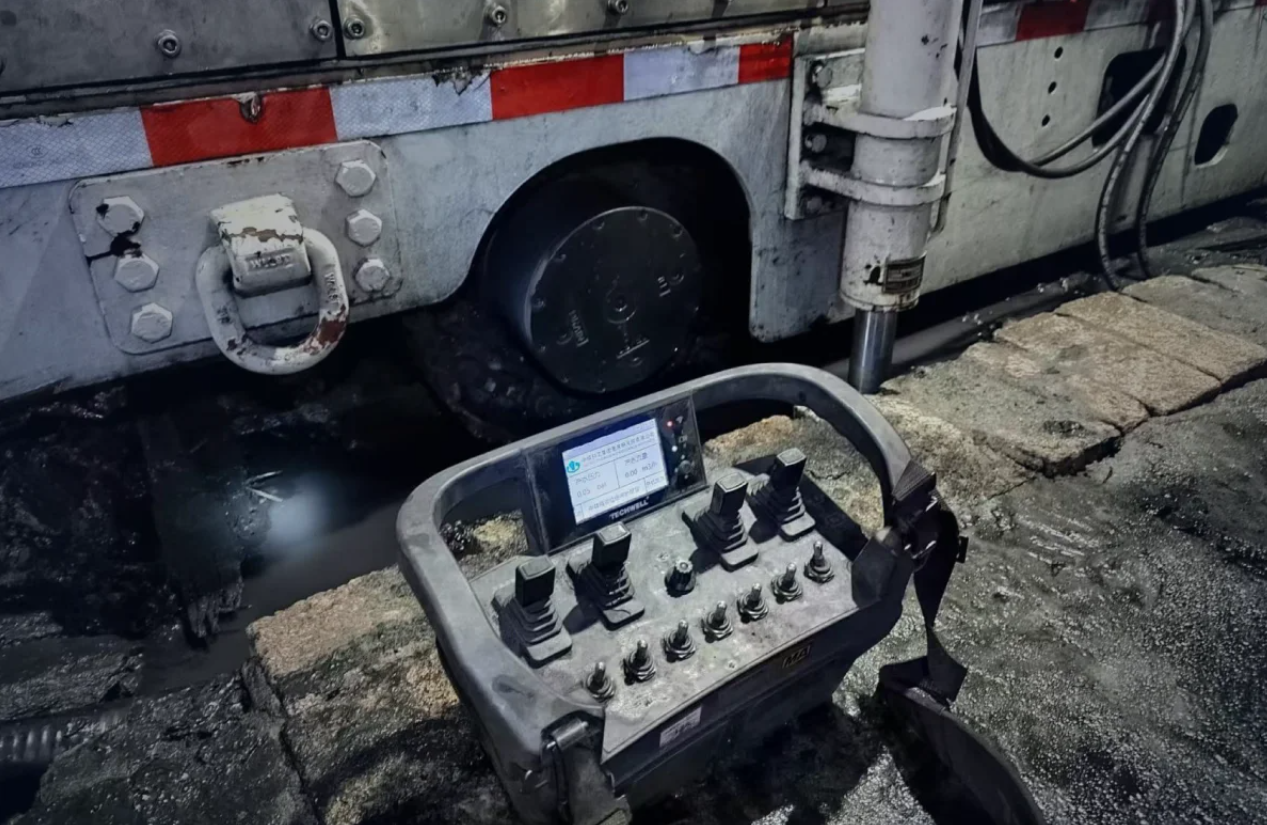
An explosion-proof remote control is not a standalone safety measure. It sits within a broader strategy that includes zone classification, equipment certification, and operator training. Understanding where the remote control fits helps manufacturers evaluate what it can and cannot do.
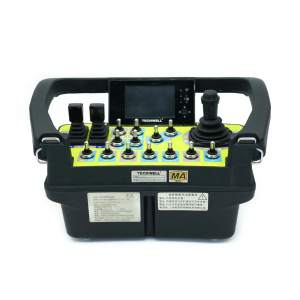
Industrial Safety Needs in Hazardous Environments
Mining sites, heavy machinery areas, and industrial plants often include challenging operating conditions. Dust, moisture, and potential gas risks require equipment components to meet specific protection requirements during daily operation. These environments also require control systems that can maintain stable performance during long working periods and changing site conditions.
A remote control system used in these environments needs to support stable signal transmission and reliable machine response. These functions help operators manage equipment while reducing unnecessary exposure to dangerous working areas. Clear control feedback and suitable protection designs can also support smoother equipment operation.
When we develop industrial control solutions, we consider how different machines operate in real working conditions. Application environments, equipment structures, and safety requirements all influence the design approach. We also review customer equipment features and project conditions to create control solutions that better match industrial applications.
What Determines Explosion Protection Suitability?
An explosion proof industrial remote control must be evaluated against the hazardous-area conditions where it will operate. Emergency-stop buttons, alarms, and interference resistance do not establish explosion protection. Buyers should check the applicable explosion-protection certificates, equipment markings, and technical documentation for the specific model.
The documentation should identify the permitted hazardous-area classification, gas or dust group, temperature class or maximum surface temperature, and ambient temperature limits, as applicable. These details help determine whether the equipment’s certified protection scope matches the intended installation environment.
The supplier is responsible for providing accurate product certification information and installation instructions. The site operator and equipment integrator must confirm the area’s classification and install the equipment within its approved conditions. Certification for one model or environment should not be assumed to cover other configurations.
How Is Machine Functional Safety Verified?
Machine functional safety addresses the control system’s response to hazardous operating conditions. Emergency-stop functions, fault detection, and communication-loss responses must be evaluated according to the machine’s risk assessment. Anti-interference features may support communication reliability, but they do not establish a certified safety performance level.
Relevant evidence includes the machine risk assessment, safety function specifications, control circuit diagrams, and validation records. Engineers should identify the required stopping behavior, safety-related output states, and reset conditions. Restoring communication or resetting an emergency-stop device must not automatically restart hazardous movement.
The remote control supplier should identify the supported safety-related functions and provide available technical evidence. The machinery manufacturer or system integrator is responsible for incorporating these functions into the machine’s safety design and validating the complete control system. Explosion-protection certification does not replace this functional-safety assessment.
How Explosion-Proof Systems Support Heavy Equipment
Heavy machinery used in mining and industrial environments often requires remote operation solutions that can adapt to demanding conditions. Operators may need to control equipment from a suitable distance while maintaining effective machine management.
The FYF100A Explosion-proof Radio Remote Controller is designed for industrial environments where explosive gas atmospheres may be present. Its stated Ex ia IIC T4 Ga marking relates to intrinsic safety protection for gas atmospheres. Suitability for specific hazardous locations, including gas Zone 1 and Zone 2, must be verified against the model’s certification documents and permitted operating conditions. This marking does not establish suitability for combustible dust atmospheres or underground mining applications.
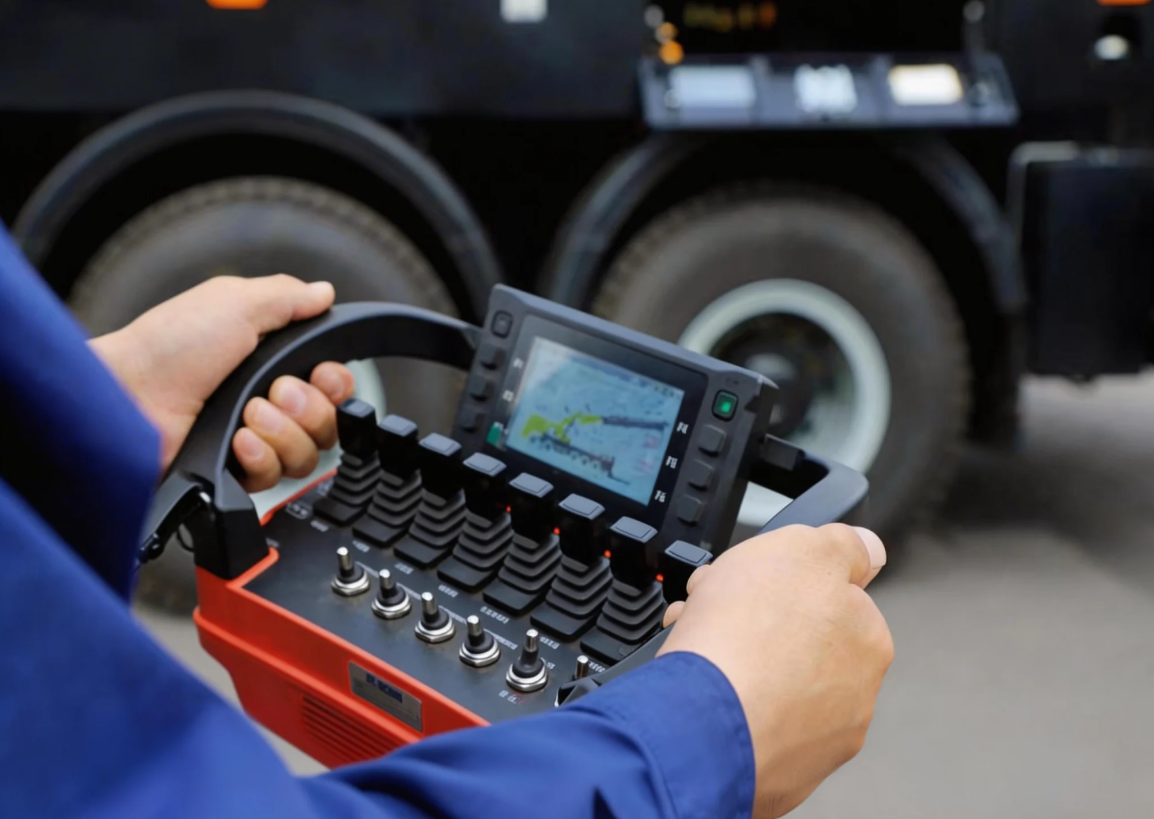
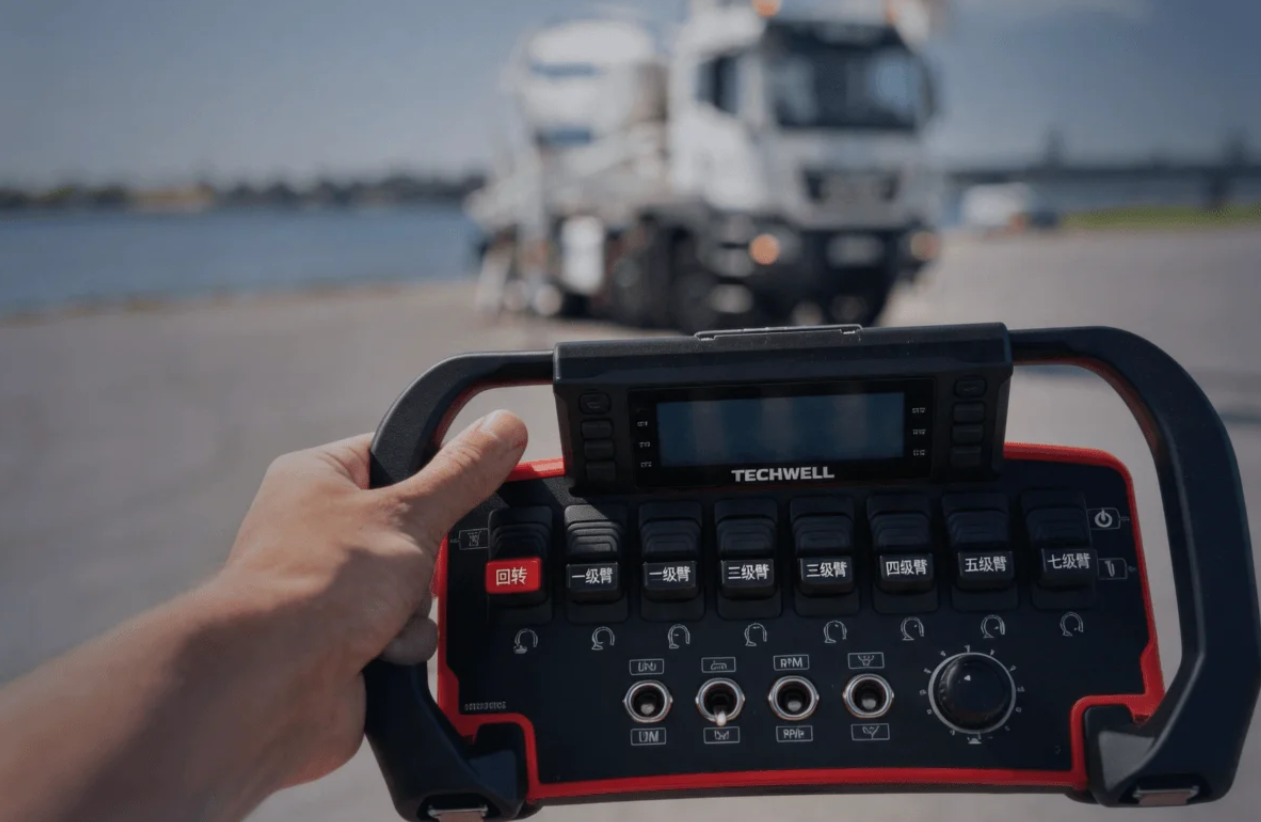
The FYF100A uses a customizable joystick with mixed switch controls and provides a wireless range of ≥150m. It also features IP66-rated protection against dust and moisture, supporting applications where environmental protection is required.
OEM Considerations for Customized Control Solutions
Equipment manufacturers usually have different control requirements based on machine design and application scenarios. A standard control layout may not always match specific operating processes, so customization becomes an important part of equipment development.
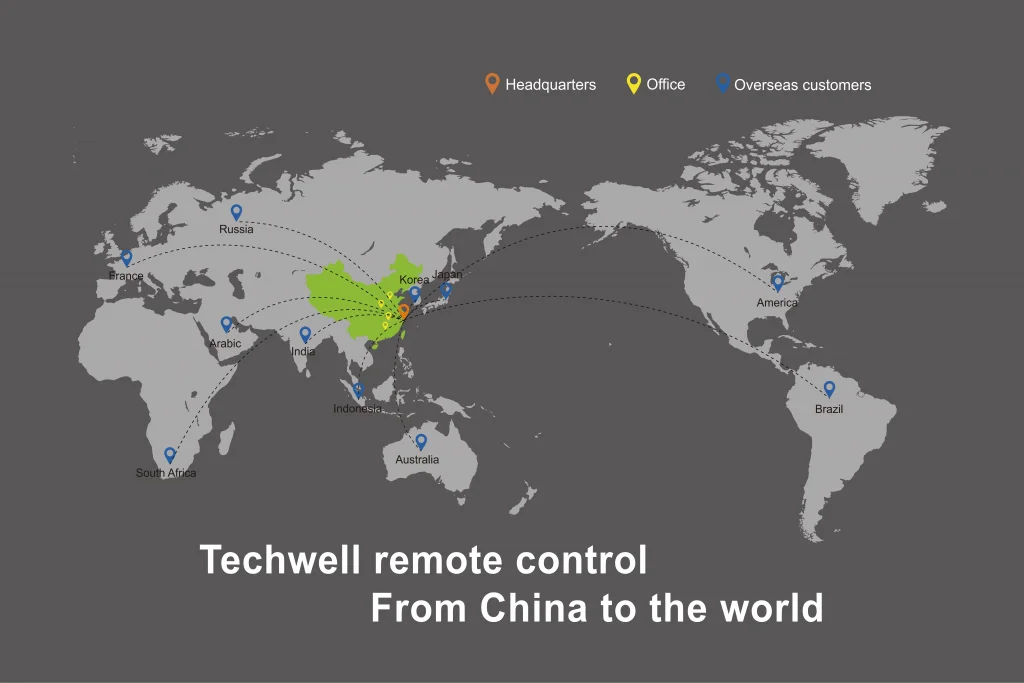
We provide OEM and ODM cooperation for industrial partners that need customized remote control solutions. Techwell Remote Control focuses on supporting equipment manufacturers with communication, configuration, and application discussions during project development.
The FYF100A is specified with a 7.4 V rechargeable battery, while proposed options may include a 3-inch or 4.3-inch display, ID card recognition, and a 3-axis sensor. The battery type, display options, sensors, and customized switches must be verified against the approved configuration and certification documents for the specific model variant. Buyers should confirm the permitted accessory combinations and operating conditions before customization, as these components cannot be freely added or replaced without considering explosion-protection requirements.
Certification Factors in Industrial Applications
Certification is an important consideration for equipment suppliers entering international markets. Different regions and industries may have specific requirements for products used in hazardous environments.
The FYF100A is described with an Ex ia IIC T4 Ga explosion-protection marking, with GB/T 3836.1-2021 and GB/T 3836.4-2021 listed as applicable standards. However, references to these standards alone do not establish the product’s certified application scope. Buyers should verify the certificate number, complete explosion-protection marking, permitted ambient temperature range, approved accessories, and any special conditions for use against the certificate for the exact model configuration. Suitability for gas Zones 1 and 2, or any proposed Zone 0 application, must be determined from the valid certification documents and installation requirements.
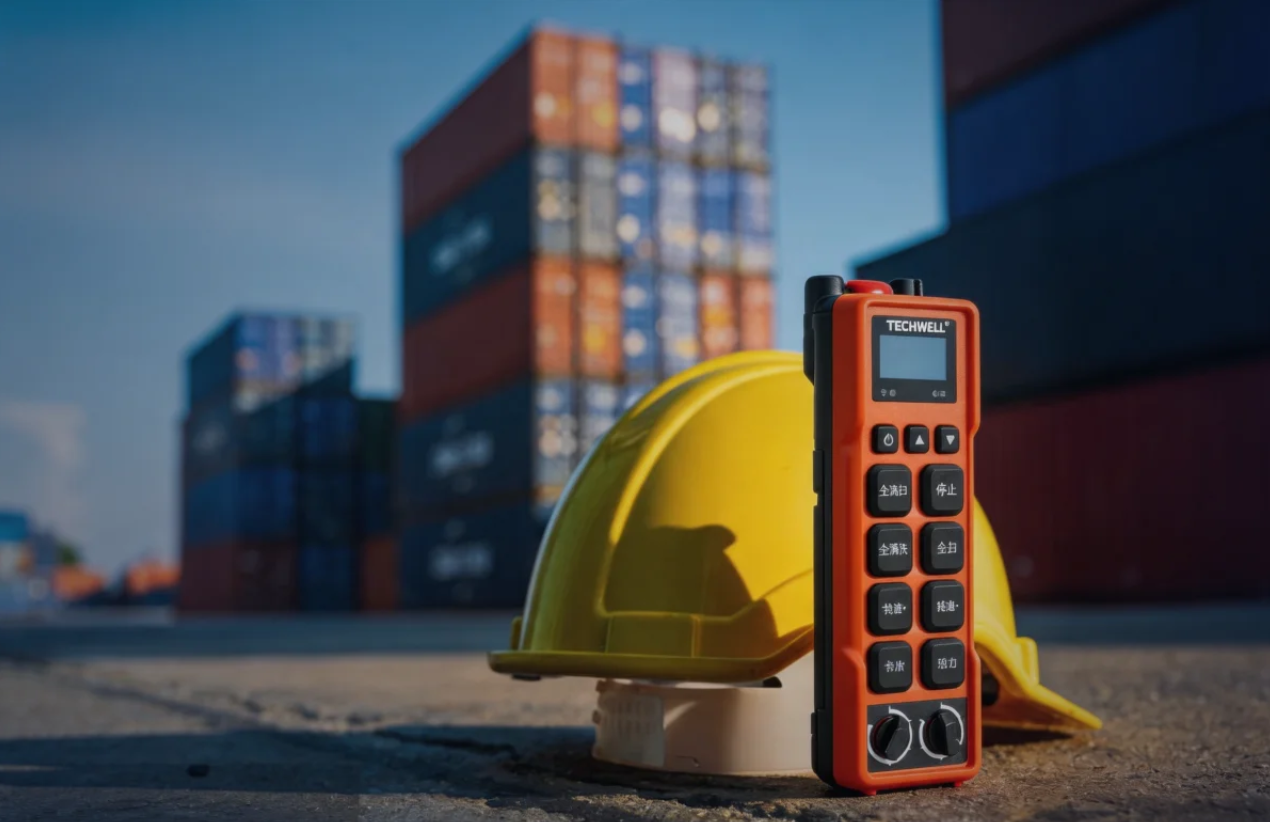
An explosion proof transmitter should be reviewed together with protection level, communication performance, and application environment. This evaluation process helps OEM partners make more practical decisions during equipment development.
What Explosion-Proof Documents Should Buyers Review?
Before selecting an explosion proof industrial remote control, buyers should request the explosion-protection certificate for the exact product model and configuration. The documents should identify the certificate number, complete Ex marking, permitted hazardous-area conditions, ambient temperature range, and any special conditions for use. References to technical standards alone cannot replace the actual certificate.
The approved accessory list also requires attention. Batteries, displays, ID card readers, sensors, and customized switches must fall within the certified configuration. Buyers should compare the proposed components with the certificate and supporting technical documentation rather than assuming that all optional features can be combined.
Installation instructions are equally important. The equipment manufacturer or system integrator should verify that the intended hazardous-area classification, operating environment, and installation method comply with the product’s approved conditions.
How Should Customized Configurations Be Approved?
Configuration approval should begin with the customer’s hazardous-area classification, required control functions, and proposed accessories. The supplier should review these details against the relevant certification documents and identify which components and combinations are permitted.
If the proposed configuration includes changes to batteries, displays, switches, or other certified components, the modifications should be reviewed before production. Changes outside the approved scope may require additional assessment or certification. Customization should not proceed until the necessary approvals have been confirmed.
At Techwell Remote Control, we work with industrial partners on project-specific control requirements. Customers can submit their equipment type, hazardous-area classification, required functions, and accessory preferences to request a configuration review and the applicable certification documents. Final integration must follow the approved configuration and installation requirements.
Matching Remote Controls with Machine Integration
Industrial equipment projects often require careful coordination between mechanical systems and electronic controls. Before integrating a remote solution, manufacturers need to review control interfaces, operating methods, and installation conditions.
We communicate with partners to understand their equipment requirements and application goals. This process helps identify suitable control configurations for different machines, including heavy-duty equipment and specialized industrial systems.
For overseas distributors and system integrators, flexible cooperation models are also important. Technical support and customization discussions can help create smoother project cooperation.