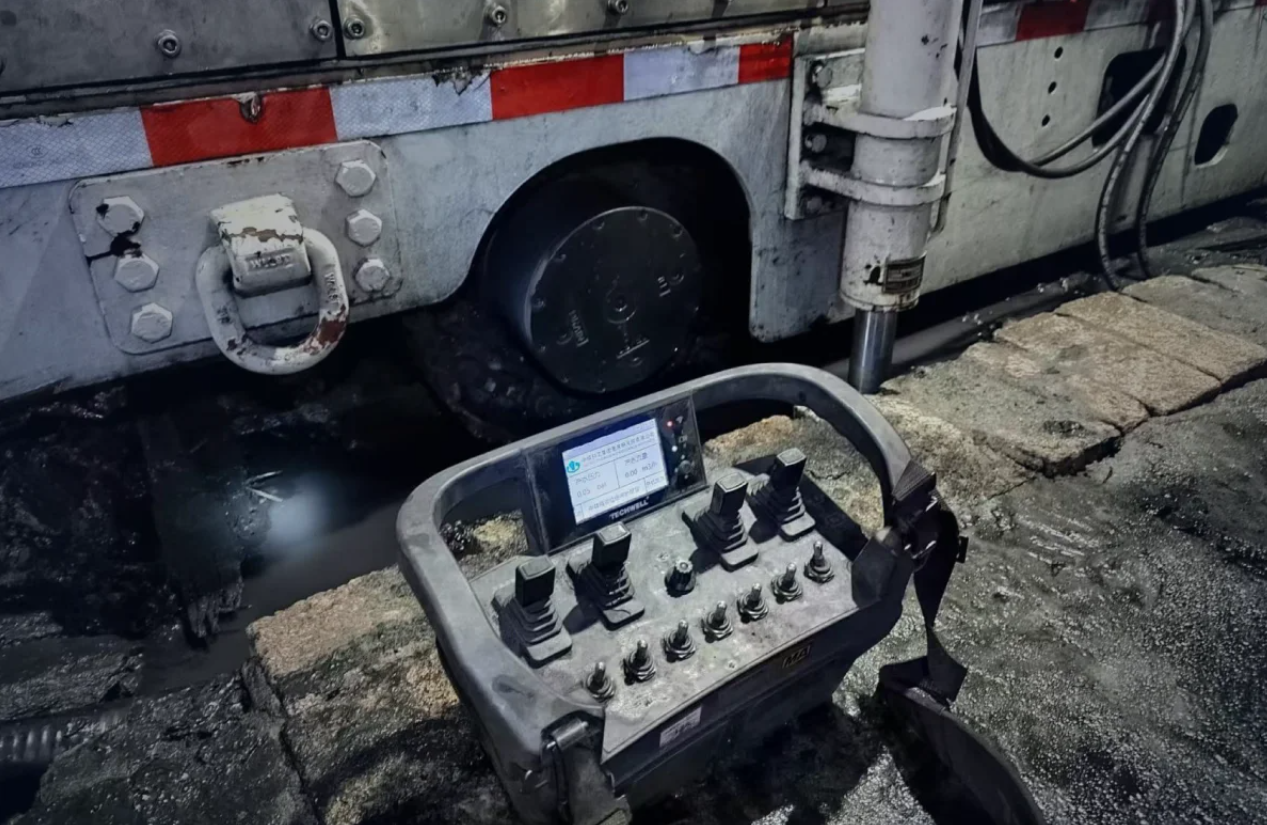
Industrial equipment manufacturers are paying more attention to flexible control methods as machine structures become more complex. Wireless control systems can help operators manage equipment from a suitable distance while reducing limitations caused by traditional wired connections.
For OEM projects, the connection between transmitters and receivers is an important part of system design. Understanding communication structure, safety functions, and application requirements helps manufacturers evaluate suitable control solutions for different industrial equipment.
The Role of Receiver and Transmitter Systems in Industrial Control
A wireless remote control architecture involves more than a transmitter sending commands and a receiver accepting them. In a typical system, the transmitter issues a coded command, the receiver checks pairing or address validity, and the machine interface determines whether the command can be passed to the control system under the required operating conditions.
Depending on the system design, the architecture may also include status feedback, such as communication condition or configured machine information, and a defined response when communication is lost. These functions should be shown in the system block diagram as general control principles unless they are confirmed for the specific product configuration.
This architecture allows equipment manufacturers to create more flexible control methods for different applications. It is often used in construction machinery, lifting equipment, mining machines, and other industrial fields where remote operation is required.
When selecting industrial remote control receivers, manufacturers usually consider communication stability, protection level, connection compatibility, and working conditions. These factors influence whether the control system can match the equipment design.
The receiver is also an important part of machine integration. It needs to connect with the equipment control system and support the required operation functions based on different project specifications.
Key Factors in Communication and Safety Requirements
Reliable communication is a major consideration for industrial remote control applications. Equipment often works in environments with electrical interference, physical vibration, or changing conditions, so stable signal transmission is important.
Emergency-stop and communication-loss responses serve different purposes in industrial remote control systems. An emergency-stop function is intended to stop hazardous machine movement when activated, while a communication timeout may trigger a predefined stop response when valid wireless commands are no longer received. The required output states and stop behavior must be defined according to the machine’s control architecture and risk assessment.
Reset conditions also need separate verification. Releasing an emergency-stop device or restoring communication should not automatically restart hazardous movement. The system should require the appropriate reset and a new operating command before restarting. General communication protection does not establish a certified safety performance level. Safety-related outputs and functions must be evaluated against the applicable safety requirements.
A matched transmitter–receiver system connects operator commands with the machine control interface. Before integration, manufacturers should confirm pairing compatibility, command assignments, and the receiver’s supported output functions. These checks help identify potential mismatches during system design.
Environmental protection is another factor during product selection. Industrial equipment may operate outdoors or in demanding workplaces, so dust resistance, water protection, and structural durability are important considerations during development.
Applying Receiver-Transmitter Design in OEM Projects
Different machines have different control requirements. A crane manufacturer may focus on lifting operation, while construction equipment manufacturers may need control layouts that match specific machine functions.
We work with industrial partners to discuss control requirements and application conditions during project development. OEM and ODM cooperation requires communication between the supplier and equipment manufacturer to create suitable configurations.
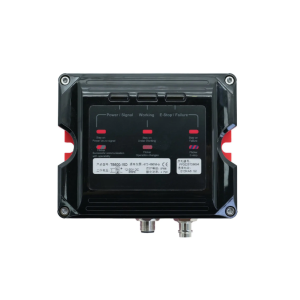
Our MPP00 is an industrial wireless remote control receiver that processes commands from a compatible transmitter and provides configured output signals to the machine control system. Joystick and mixed-switch controls, where applicable, are located on the paired transmitter rather than the receiver. The supported transmitter models, output interfaces, enclosure protection rating, and rated communication range should be confirmed against the specific product documentation before integration.
During the development process, we review factors such as control layout, machine requirements, and usage conditions. This helps connect the receiver and transmitter structure with the actual equipment design.
Product Design Considerations for Industrial Applications
Industrial control projects require attention to both current operation needs and future maintenance plans. A practical system design should consider installation, adjustment, and long-term use during the early development stage.
Techwell Remote Control focuses on industrial wireless control solutions for equipment manufacturers and system partners. We provide OEM and ODM cooperation options based on different application requirements and project conditions.
Different industries may require different control approaches. For example, lifting equipment may need precise operation functions, while mining equipment may require stronger environmental adaptability.
Technical communication is an important part of cooperation. By reviewing machine structures and application goals together, manufacturers can develop control systems that better match their equipment requirements.
Future Trends in Industrial Wireless Control Systems
As industrial automation develops, equipment manufacturers continue to explore more flexible control methods. Wireless technologies are becoming part of many machine designs because they support different operating environments.
Manufacturers evaluating industrial remote control receivers should consider both current applications and possible future adjustments. System flexibility, communication design, and supplier cooperation can affect long-term project planning.
A suitable remote radio-controlled receiver & transmitter solution connects operator commands with machine responses. Reviewing the architecture carefully allows businesses to make clearer decisions during equipment development. Techwell Remote Control continues to cooperate with industrial customers on customized control projects.
Building Practical Control Solutions Through Cooperation
Receiver-transmitter architecture plays an important role in modern industrial remote control systems. A clear understanding of communication, safety, and integration requirements helps manufacturers plan equipment solutions more effectively.
For industrial companies, selecting a control system is not only about product functions. It also involves technical communication, application matching, and long-term cooperation planning. A well-designed control structure can support different machine projects and changing market requirements.
Through careful evaluation of system architecture and project needs, equipment manufacturers can develop wireless control solutions that fit their applications. This approach helps create more practical cooperation between suppliers and industrial partners.