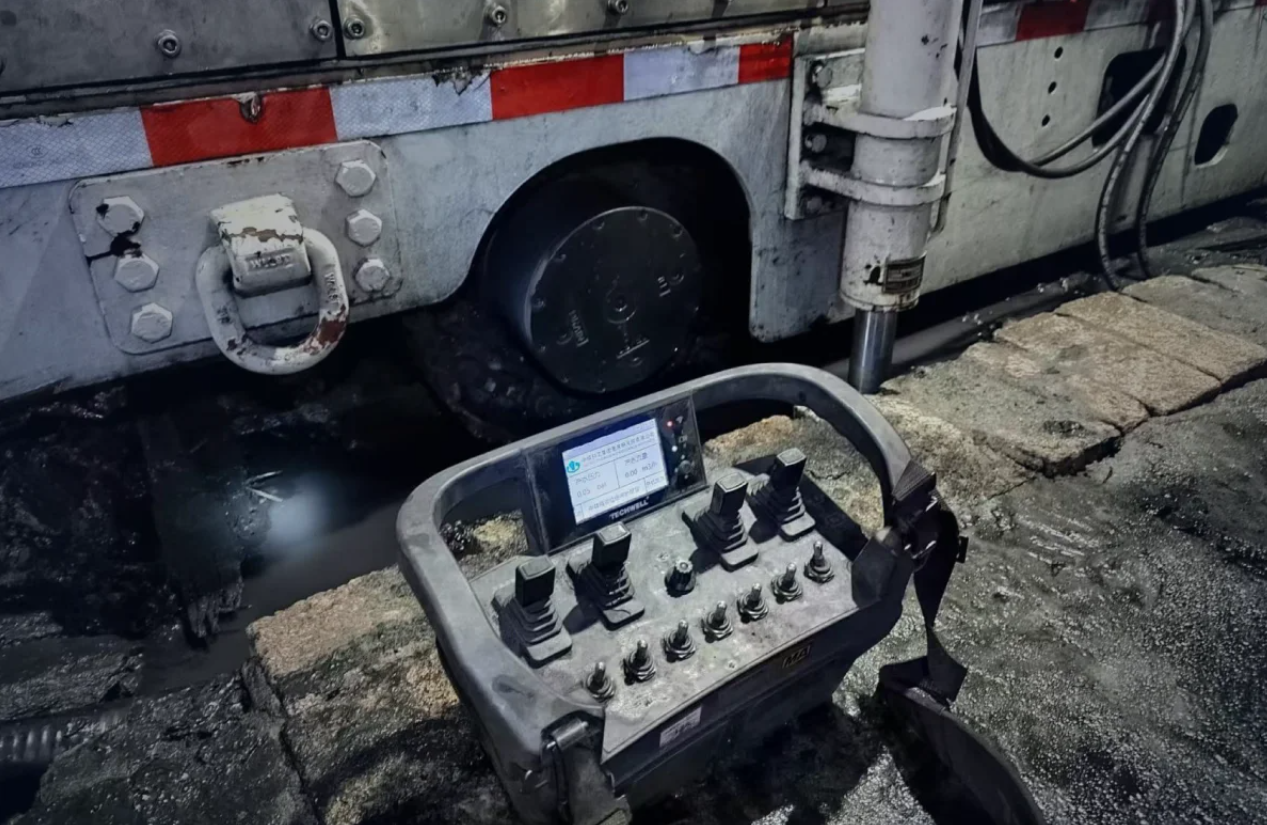
Industrial equipment often works in environments where stable communication is important for safe and efficient operation. Cranes, construction machines, and mobile equipment need control systems that can handle complex working conditions while supporting accurate machine movements.
For equipment manufacturers, radio communication is not only about replacing cables. It also involves signal reliability, safety functions, system compatibility, and future maintenance needs. Understanding these factors helps OEM partners develop more suitable control solutions for different applications.
Key Factors in Heavy Equipment Radio Communication
Heavy equipment usually operates in areas with changing conditions, including construction sites, ports, and industrial facilities. Wireless control systems need to maintain stable communication while facing possible signal interference and environmental challenges.
When selecting a control system, manufacturers often review receiver performance, communication distance, protection level, and integration methods. These factors influence whether the system can match different machine structures and operating requirements.
The design of industrial remote control receivers plays an important role in equipment communication. A suitable receiver needs to process commands accurately and connect with machine systems through proper interfaces.
How Wireless Systems Support Crane Applications
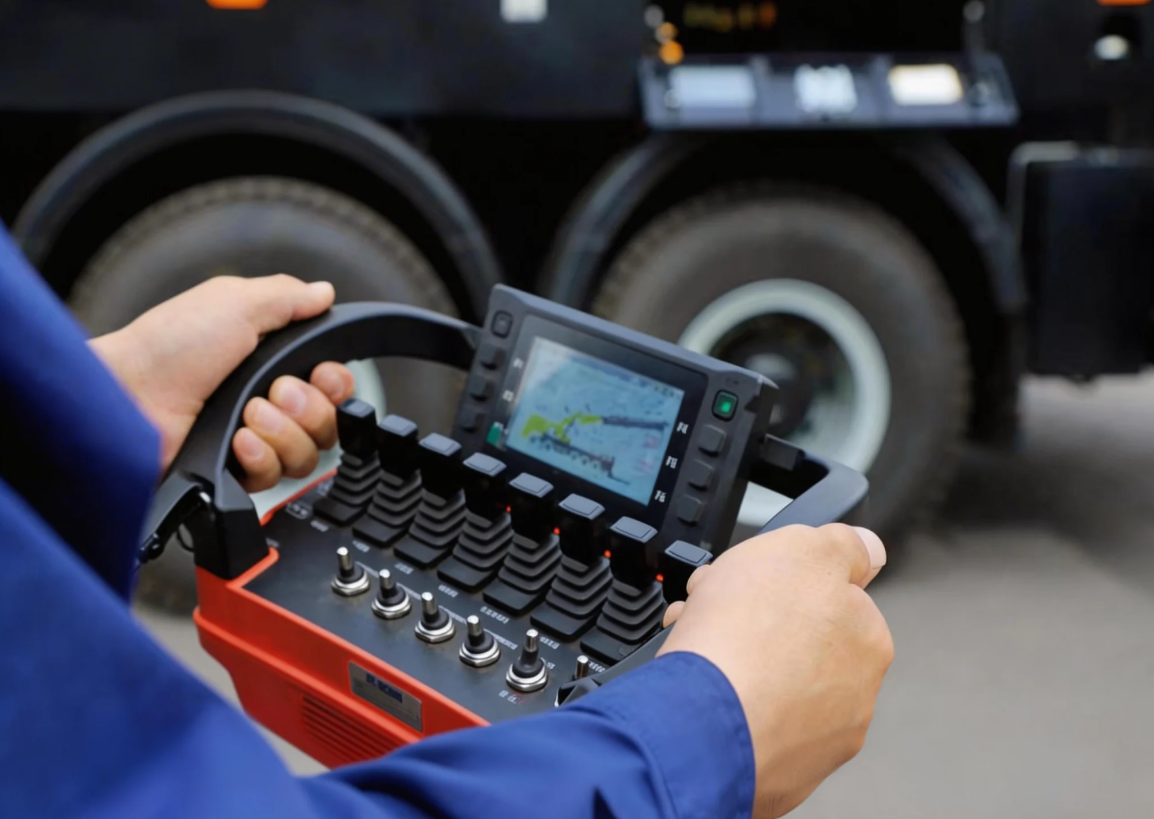
Cranes require precise control because lifting operations involve coordination between movement, load handling, and operator instructions. Radio communication allows operators to control equipment with more flexibility during different working situations.
A reliable system should include safety-related functions, stable signal transmission, and suitable response performance. These features help manufacturers consider how wireless control can fit into crane designs and operation processes.
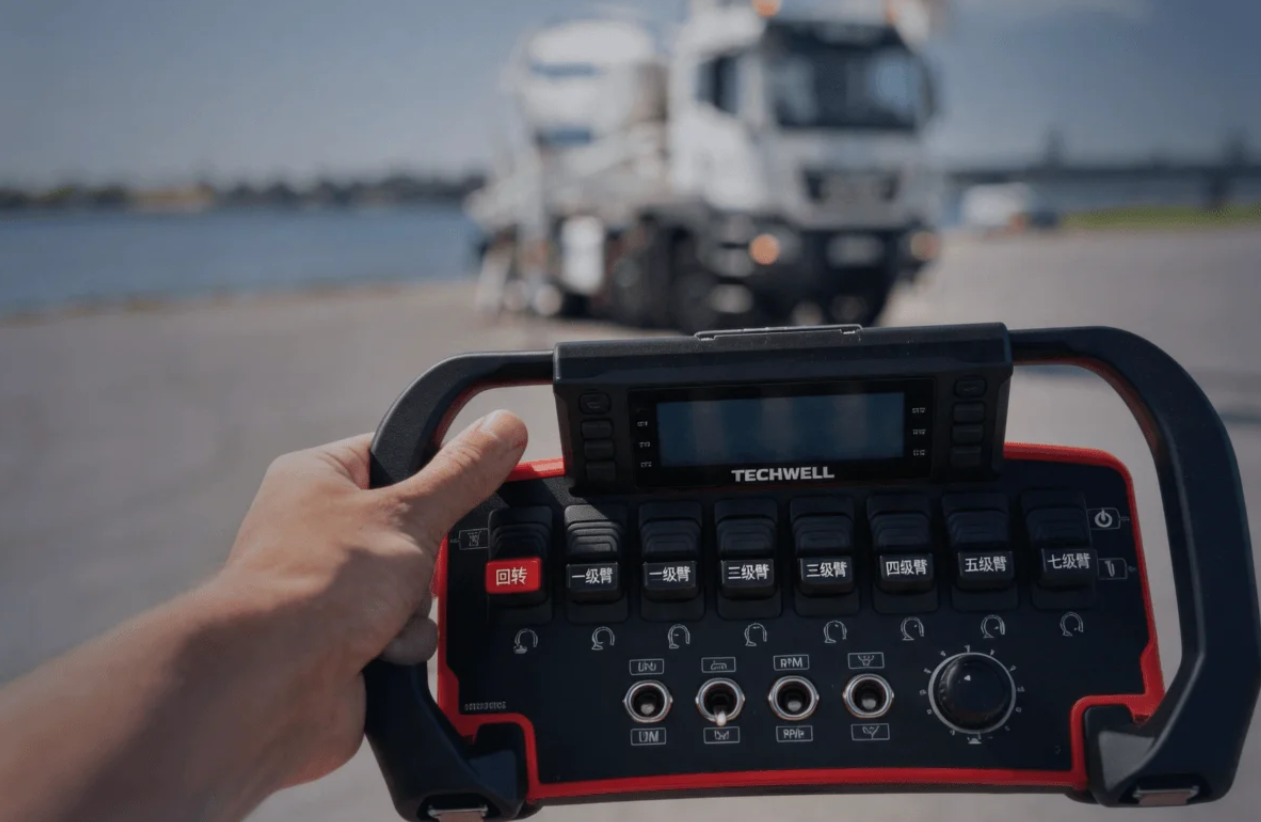
The connection between the remote control radio and receiver also affects the overall control experience. Matching communication components with equipment requirements allows engineers to create more suitable solutions for different crane models.
Industrial Applications Require Flexible Integration
Mobile equipment covers various machines used in construction, logistics, mining, and other industrial sectors. Different machines may require different control layouts, output signals, and communication protocols. These differences mean that control systems need to match specific equipment structures rather than follow a fixed design approach.
For OEM projects, flexibility is an important consideration. Equipment manufacturers usually need suppliers that can discuss application requirements and adjust configurations according to machine design. Factors such as operating environment, control functions, and integration methods should be reviewed before selecting a suitable solution.
We provide industrial wireless control solutions for equipment manufacturers and system partners. Our cooperation focuses on OEM and ODM projects, helping customers review product functions, communication requirements, and application conditions during development. Through technical communication, we work with partners to understand project needs and support the development of suitable control systems for different industrial applications.
MM800 Supports Industrial Control Requirements
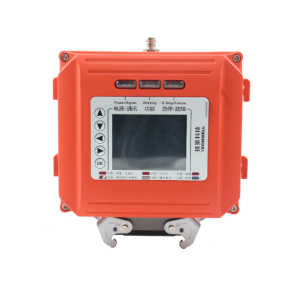
The MM800 is an industrial wireless remote control receiver equipped with an LCD display. It receives wireless commands from a compatible transmitter and provides the configured output signals to the machine control system. Its multi-output design and heavy-duty construction support integration into industrial equipment, with specific output functions depending on the selected configuration.
Depending on the selected configuration, the MM800 receiver may support digital I/O, PWM, and serial communication interfaces. Available communication options may include PROFIBUS DP, an industrial fieldbus protocol, and industrial Ethernet protocols such as PROFINET, EtherNet/IP, and Modbus TCP. Permitted protocol parameters can be adjusted through the on-screen menu, subject to the specific configuration.
Safety functions are also an important part of industrial communication systems. The MM800 is SIL2 safety certified, allowing equipment manufacturers to consider safety requirements during control system planning.
How Should Radio Coverage Be Evaluated on Site?
Radio performance should be evaluated under actual operating conditions rather than relying on the rated communication distance alone. Engineers should identify the transmitter’s expected operating positions, receiver installation location, and obstacles that may affect signal transmission. Steel structures, large machinery, and moving equipment can influence wireless coverage.
Before installation, the site assessment should consider the operating area, nearby wireless equipment, and potential interference sources. Signal performance should be checked at planned control positions, including locations where machinery or structures may block the radio path.
During commissioning, qualified technicians should verify communication response under controlled, safe conditions and record locations where interruptions occur. Test results should be compared with the manufacturer’s installation requirements before the system enters normal operation.
How Can Antenna Placement and Radio Coexistence Be Verified?
Receiver antenna placement affects communication performance. Installing an antenna behind large metal structures or inside unsuitable enclosures may weaken reception. Engineers should follow the manufacturer’s mounting instructions and check antenna orientation, cable routing, connector security, and protection against moisture.
Radio coexistence also requires attention when several wireless control systems operate in the same facility. Technicians should check whether nearby transmitters, industrial communication equipment, or other radio sources affect command reception. Testing should reflect normal operating conditions without bypassing machine safety functions.
For OEM integration projects, Techwell Remote Control can review documented installation conditions and communication requirements. Buyers should provide receiver mounting details, antenna locations, nearby wireless equipment information, and available test records to support technical discussions.
Making Informed Decisions on Radio Communication
Reliable radio communication depends on operating distance, antenna placement, metal obstructions, and interference from nearby wireless equipment. These conditions should be assessed before selecting a remote control radio and receiver. For a project-specific evaluation, contact Techwell Remote Control with your site layout, expected operating distance, antenna locations, nearby wireless equipment details, and required control interfaces to discuss a suitable system configuration.