Outdoor industrial worksites constantly battle unpredictable weather. Unrelenting rain, freezing temperatures, and dense fog present serious challenges for heavy machinery operations. Electronic communication between operators and equipment must remain absolutely stable. When weather conditions deteriorate, standard commercial electronics quickly fail. Implementing a highly durable industrial transmitter ensures that weather-related signal degradation does not halt production. Understanding how specific weather conditions impact wireless performance helps equipment builders design more resilient, reliable machinery globally.
The Impact of Rain and High Humidity
Moisture is a primary enemy of wireless communication. Heavy rainfall and dense humidity cause a phenomenon known as radio frequency attenuation. As water droplets saturate the air, they absorb and scatter radio waves. This physical interference severely degrades signal strength. It limits the effective operating range between the operator and the machine receiver. If a control signal weakens too much, machinery can experience dangerous input lag or trigger unexpected emergency shutdowns.
Scenario 1: Earthmoving During Torrential Downpours
Consider a large-scale civil engineering project operating through the rainy season. Hydraulic excavators and bulldozers must continue carving deep utility trenches despite heavy downpours. A weak control signal could cause an automated grading sequence to stutter. This stuttering leads to uneven foundation cuts and highly costly material rework. By utilizing purpose-built, high-powered wireless interfaces, construction crews maintain a strong, penetrating signal. The operator retains perfectly smooth hydraulic control, regardless of atmospheric moisture levels.
Battling Extreme Temperature Fluctuations
Extreme temperatures drastically affect both battery chemistry and internal circuitry. Freezing outdoor environments slow down chemical reactions within standard batteries. This rapid voltage drop reduces signal transmission power significantly. Conversely, blazing summer heat causes internal components to expand. This thermal stress degrades delicate solder joints and causes circuit boards to warp over time. Professional control hardware must incorporate specialized thermal shielding and high-capacity power sources to maintain consistent voltage year-round.
Ingress Protection and Physical Sealing
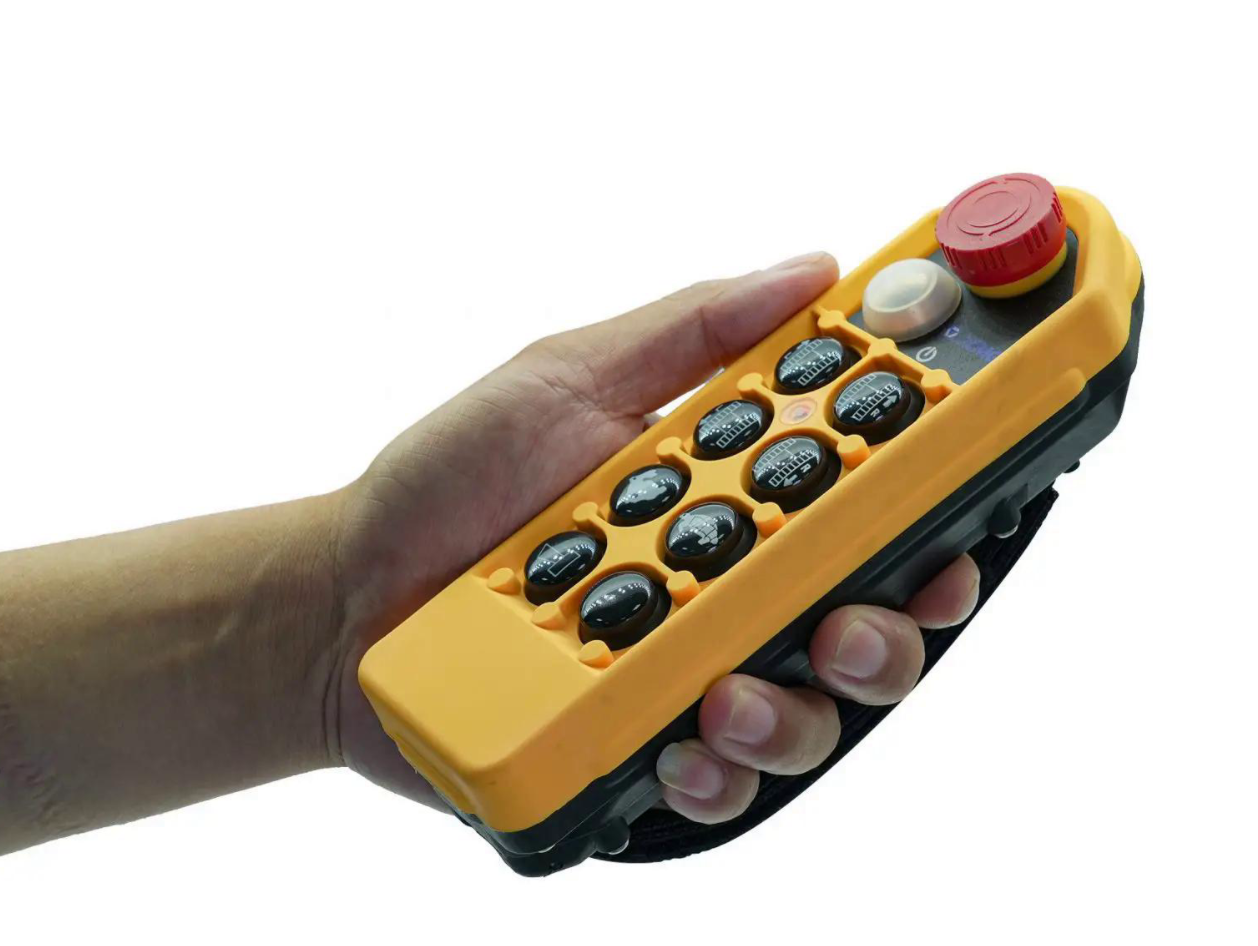
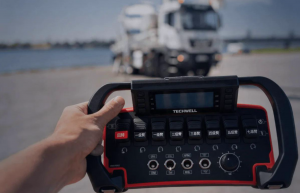
Protecting sensitive electronics from weather requires uncompromising physical enclosures. An advanced outdoor industrial wireless transmitter remote control relies heavily on certified ingress protection ratings. Devices engineered to IP65 standards feature robust rubber bellows and silicone gaskets. This comprehensive sealing physically blocks driving rain, melting snow, and atmospheric moisture from reaching internal circuit boards. Without this vital barrier, condensation quickly corrodes electrical contacts, leading to permanent hardware failure on the demanding worksite.
Scenario 2: Marine Logistics and Coastal Fog
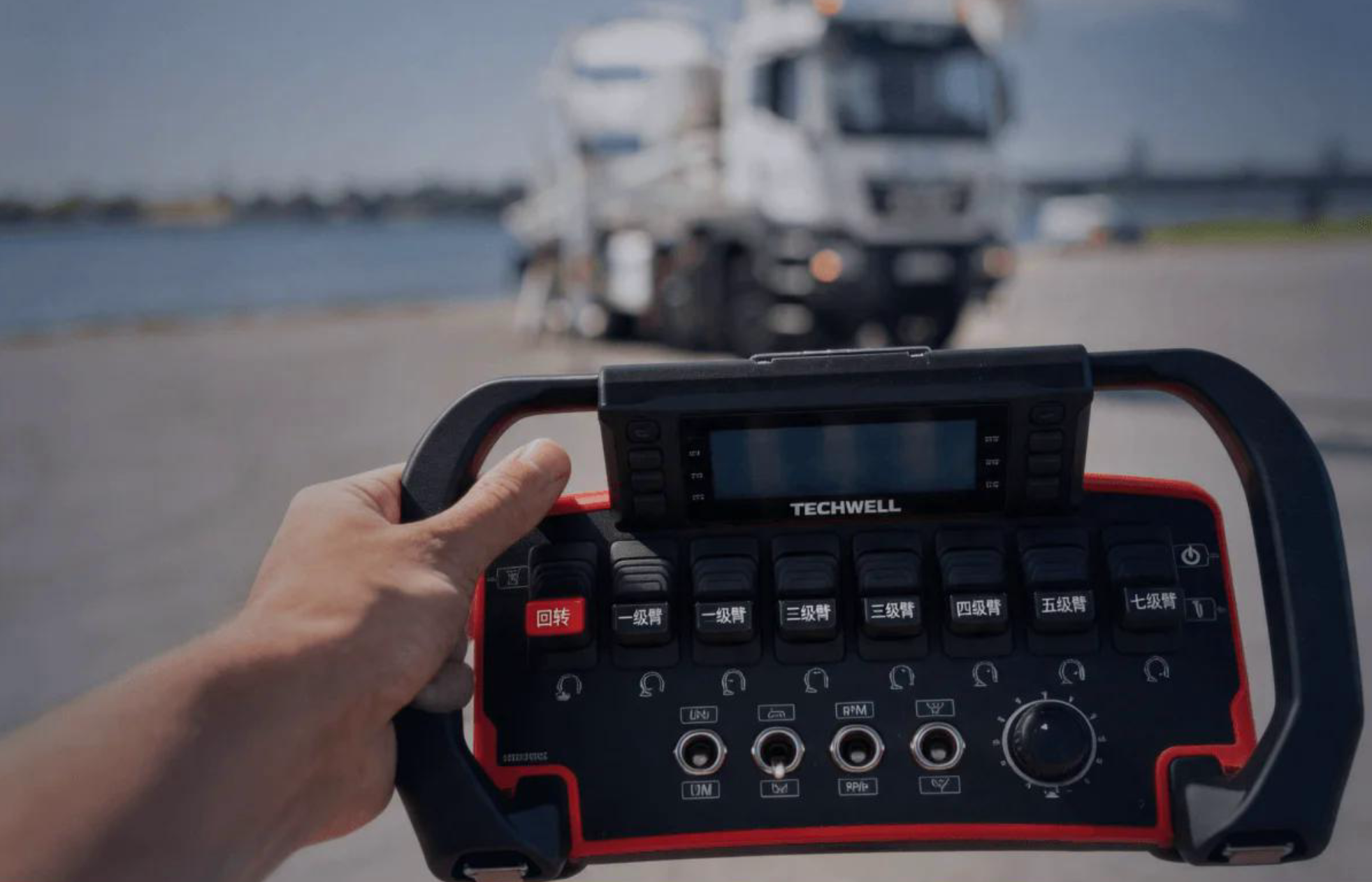
Marine ports and coastal logistics hubs operate in uniquely harsh atmospheric conditions. Dense morning fog combined with highly corrosive saltwater spray constantly assaults electronic equipment. Salt fog not only scatters wireless signals but also aggressively corrodes exposed metal terminals. When managing ship-to-shore gantry cranes, operators absolutely depend on uninterrupted signal clarity. Deploying weather-sealed, corrosion-resistant controllers ensures that moisture cannot short-circuit the transmitter. Cargo loading cycles continue safely without dangerous communication dropouts.
Overcoming Atmospheric Signal Scattering
When weather conditions scatter radio waves, signal reflections can cause multipath interference. These reflections confuse standard receivers, causing them to drop critical command packets. Advanced control systems utilize frequency-hopping spread spectrum technology to combat this specific issue. The transmitter and receiver constantly shift frequencies dozens of times per second. If severe weather or atmospheric interference blocks one specific channel, the system instantly jumps to a clear frequency, preserving perfect signal integrity.
Wind Interference and Physical Stability
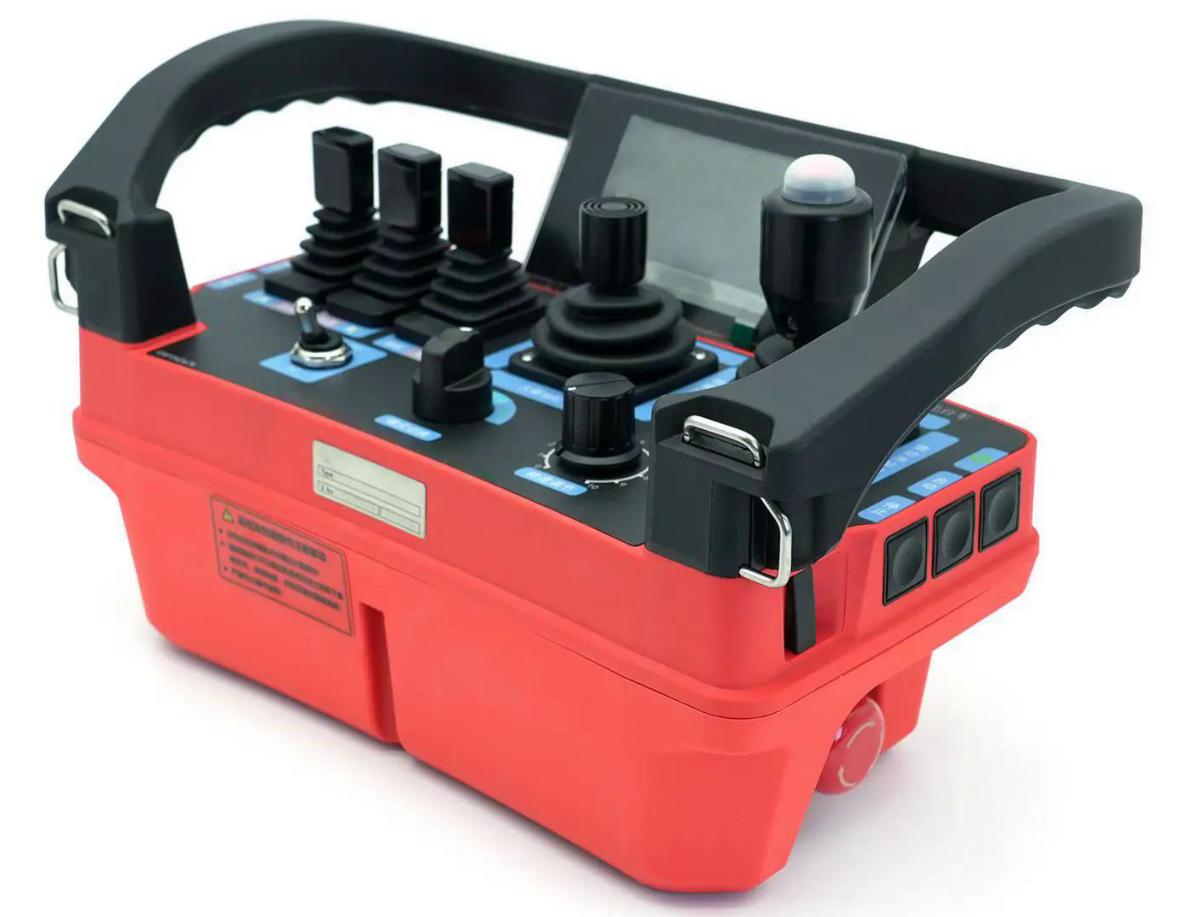
High wind speeds present unique challenges for outdoor wireless operations. While wind itself does not directly attenuate radio frequency signals, it severely impacts the operator’s physical stability. When gale-force winds buffet a worksite, operators struggle to maintain precise hand control over sensitive joysticks. Additionally, high winds can blow abrasive sand and debris directly into the control console. Purpose-built industrial interfaces must feature rigid joystick detents to prevent accidental activation during sudden gusts.
Scenario 3: High-Altitude Wind Turbine Assembly
Assembling renewable energy infrastructure requires lifting heavy turbine blades hundreds of feet into the air. In these high-altitude environments, sudden crosswinds create massive aerodynamic drag on the suspended components. The crane operator must make immediate, micro-millimeter adjustments to counter the wind force. Utilizing a highly responsive wireless interface allows the operator to stand safely at ground level. This optimal positioning provides clear sightlines, ensuring massive blades are aligned perfectly despite unpredictable gusts.
Adaptive Power Output in Changing Weather
Modern wireless systems must intelligently adapt to shifting environmental conditions. When heavy rain suddenly begins, a standard transmitter might lose connection as the moisture absorbs the signal. Advanced industrial controllers combat this by utilizing adaptive signal amplification algorithms. If the system detects an increase in packet loss due to sudden weather changes, it automatically boosts its radio transmission power. This dynamic power adjustment ensures the control link remains unbroken during severe weather shifts.
Custom OEM Engineering for Climate Resilience
Every heavy machinery platform operates in distinct regional climates. Equipment destined for freezing arctic mines requires different thermal management than machinery operating in tropical rainforests. Standard off-the-shelf remote devices cannot accommodate these wildly diverse environmental demands. Original equipment manufacturers require highly customized engineering partnerships. Collaborating with specialized engineering teams allows machinery builders to source bespoke hardware. They can design customized enclosures and battery systems optimized for the specific climates their equipment faces.
Ensuring Reliable Operations in Any Weather
Unpredictable weather should never dictate the safety or productivity of an industrial worksite. As heavy equipment continues to evolve, the wireless tools used to operate them must conquer environmental challenges. B2B equipment manufacturers must prioritize rugged, weather-resistant communication hardware to protect operators. Integrating a meticulously engineered Techwell Remote Control system guarantees exceptional field reliability. Investing in certified, climate-resilient wireless technology ensures your machinery consistently delivers peak performance, rain or shine.