Modern industrial machinery possesses immense power and advanced mechanical capabilities. However, the true efficiency of these machines relies heavily on how quickly they respond to human commands. The physical interface serves as the vital link between human intent and mechanical execution. Deploying an advanced industrial transmitter ensures that complex machinery responds instantly. This immediate responsiveness is crucial for maintaining high productivity and rigorous safety standards.
The design of a control interface directly influences operator reaction times. Rigid or poorly designed controllers create dangerous operational lag. In contrast, purpose-built interfaces streamline communication, allowing operators to execute precise maneuvers effortlessly. Understanding these design principles helps heavy equipment builders maximize performance. Partnering with specialized manufacturers ensures that advanced hardware integrates seamlessly into complex platforms, delivering superior long-term utility to clients.
Ergonomics and Operator Reaction Time
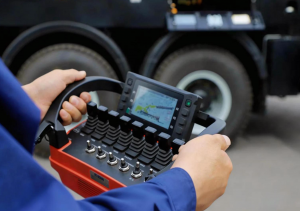
Physical ergonomics play a critical role in industrial machine response times. When a control console is heavy or awkward to hold, operator fatigue sets in rapidly. Fatigue significantly slows down human reflexes and impairs decision-making. If an operator struggles to reach a specific switch, the machine’s mechanical response is inherently delayed. This delay can lead to critical errors during highly sensitive material handling operations on crowded worksites.
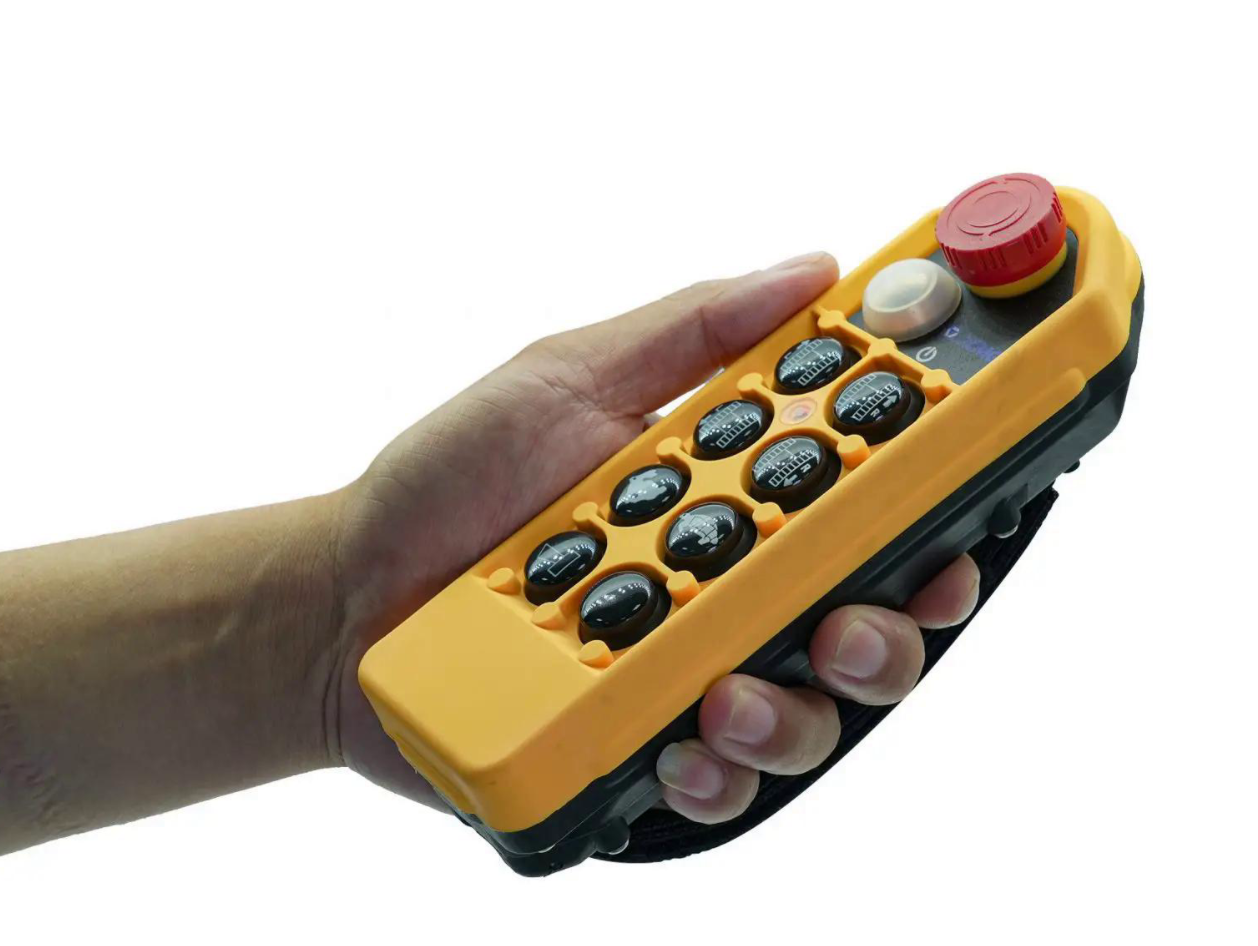
Modern controllers solve this issue by prioritizing human-centered design. Lightweight enclosures and padded harnesses distribute weight evenly across the operator’s torso. Button and joystick layouts are carefully mapped to mimic natural hand movements. This alignment allows operators to trigger commands instinctively without looking down. Consequently, the time between a visual observation on the worksite and the subsequent machine reaction is drastically reduced, ensuring faster operations.
Scenario 1: Precision Hoisting in Manufacturing
Overhead bridge cranes in steel fabrication plants require absolute precision. Transporting heavy steel beams across crowded floors is a high-risk operation. If an operator uses a poorly designed interface, jerky movements cause the load to swing dangerously. A pendulum effect severely threatens nearby ground personnel. Achieving smooth acceleration is impossible if the physical controls are stiff. Fast, predictable machine response is non-negotiable for site safety.
Upgrading to a modern controller equipped with proportional joysticks provides complete mastery over crane kinematics. Ergonomic joysticks allow for fluid, continuous analog deflection. This physical input translates instantly into smooth variable frequency drive adjustments. The crane accelerates and decelerates gently, neutralizing dangerous load swing entirely. This precise responsiveness allows the operator to align heavy components with millimetric accuracy, vastly accelerating daily assembly cycles safely.
Minimizing Latency With Advanced Electronics
Internal electronic architecture dictates how quickly a machine executes a command. Standard commercial electronics process signals sequentially, causing noticeable communication lag. In high-stakes industrial environments, even a fraction of a second delay is dangerous. An industrial remote control transmitter utilizes high-speed microprocessors to eliminate this latency. These processors instantly convert physical hand movements into encrypted digital data packets in fractions of a millisecond.
Specialized transmission protocols ensure these data packets reach the machine without interruption. Advanced controllers utilize dynamic frequency-hopping technology to bypass electromagnetic interference automatically. By actively scanning for clean radio channels, the transmitter guarantees a continuous, lag-free connection. This robust digital handshake ensures that multi-ton machinery reacts instantaneously to the operator’s input, regardless of how congested the surrounding factory environment might become.
Scenario 2: Multi-Function Earthmoving Operations
Complex earthmoving machinery presents a unique control challenge. Multi-attachment excavators manage simultaneous hydraulic functions, including boom elevation and tool rotation. Coordinating these interconnected circuits requires a transmitter capable of processing multiple commands simultaneously. If the hardware cannot multiplex these signals efficiently, the machine’s hydraulic response stutters. This stuttering causes uneven grading, increased mechanical wear, and significant delays on the demanding construction site.
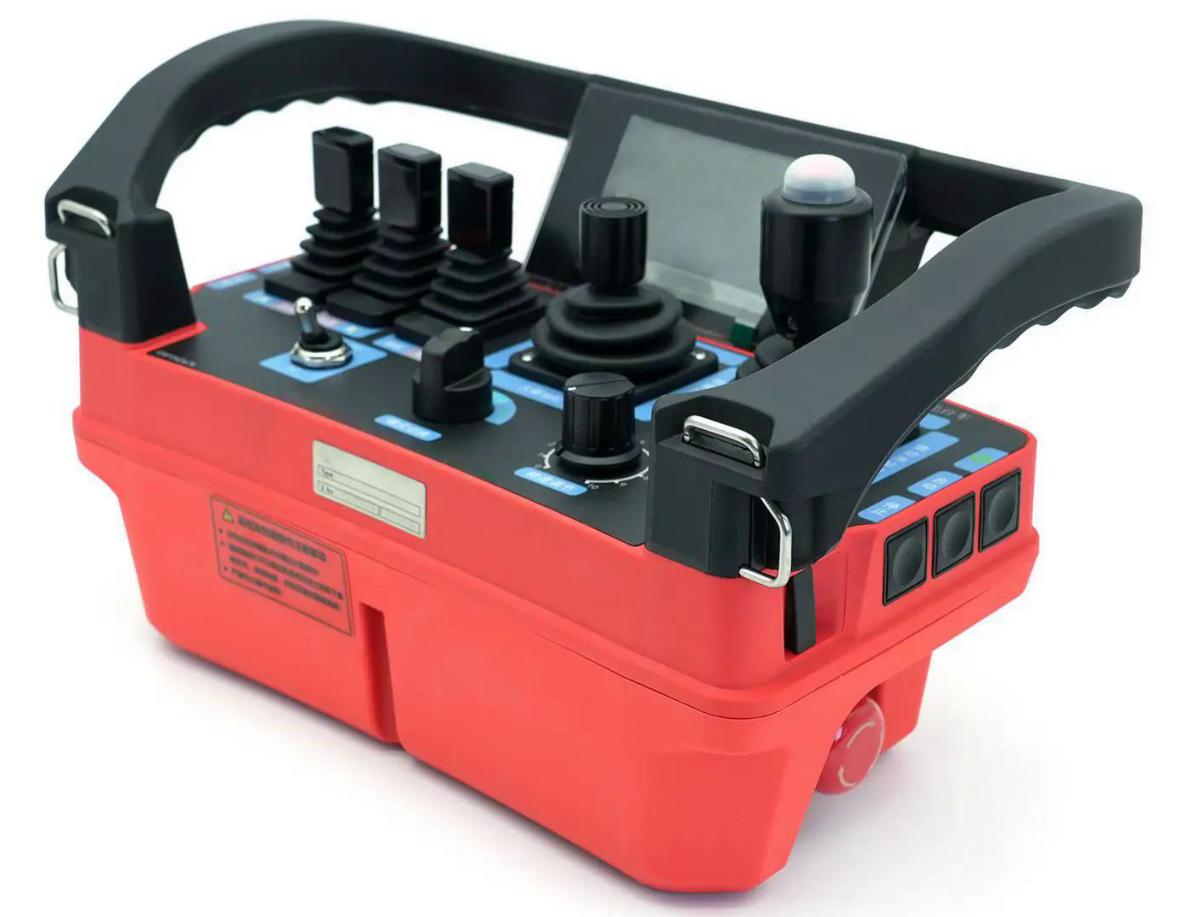
A highly responsive control interface allows the operator to perform compound hydraulic movements seamlessly. Dual multi-axis joysticks enable the operator to feather hydraulic valves with extreme precision. The transmitter processes these simultaneous inputs flawlessly, instructing programmable logic controllers to distribute hydraulic pressure proportionally. This instantaneous, multi-channel response allows operators to carve precise foundation trenches efficiently. The machine moves exactly as envisioned, minimizing material rework.
Environmental Resilience and Signal Integrity
Consistent responsiveness relies on maintaining perfect signal integrity in brutal environments. Heavy industrial sites expose electronic hardware to torrential rainfall, mineral dust, and extreme mechanical vibration daily. If moisture breaches a casing, internal sensors degrade rapidly. This leads to erratic signal transmission and unpredictable machine behavior. Purpose-built industrial hardware must withstand these severe physical conditions to maintain reliable, instant responsiveness continuously.
Professional transmitters feature rugged composite enclosures built to certified IP65 ingress protection standards. High-grade silicone seals protect delicate potentiometers from abrasive airborne contaminants. Internal shock-dampening mounts isolate electronic components from continuous engine vibration and accidental drops. This uncompromising physical protection guarantees that internal sensors remain highly accurate. Consequently, operators enjoy consistent, highly responsive machine control throughout the equipment’s lifecycle.
Tailored Solutions With Techwell Remote Control
Every category of heavy machinery features unique hydraulic architectures and distinct operational profiles. Standard off-the-shelf controllers rarely provide the specialized proportional curves demanded by original equipment manufacturers. Standardized devices cannot maximize the responsiveness of specialized multi-function platforms. Heavy equipment builders require customized engineering partnerships to achieve flawless electrical integration. Customization is the key to unlocking peak mechanical performance and rapid machine response globally.
Collaborating directly with specialized engineers provides B2B equipment builders with comprehensive OEM support. Technical teams customize joystick resistance and program tailored serial communication protocols. Integrating a specialized Techwell Remote Control system ensures perfect mechanical synchronization. This customized approach guarantees the interface matches the machine’s unique specifications. The resulting equipment operates intuitively, delivering exceptionally responsive performance to demanding industrial end-users worldwide.