Modern heavy machinery is increasingly sophisticated and versatile across global worksites. Single-purpose platforms are rapidly giving way to multi-function equipment. These machines integrate complex hydraulic booms, winches, and auxiliary attachments onto a single chassis.
While these multi-function systems maximize operational efficiency, they present unique operational challenges. Coordinating compound mechanical movements requires an intuitive, highly responsive communication interface between human operators and machinery. Traditional control panels tether operators to rigid positions, severely restricting visibility.
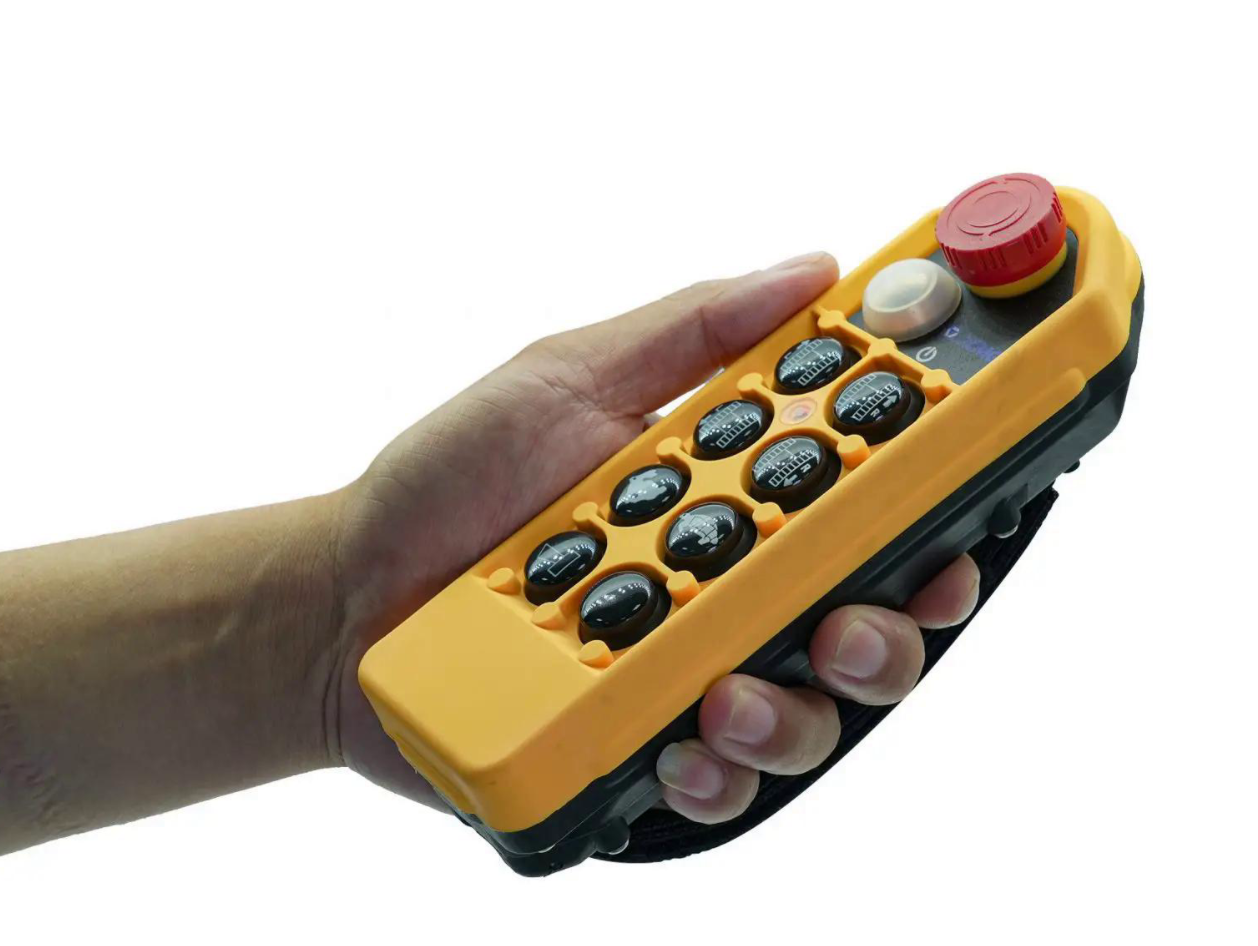
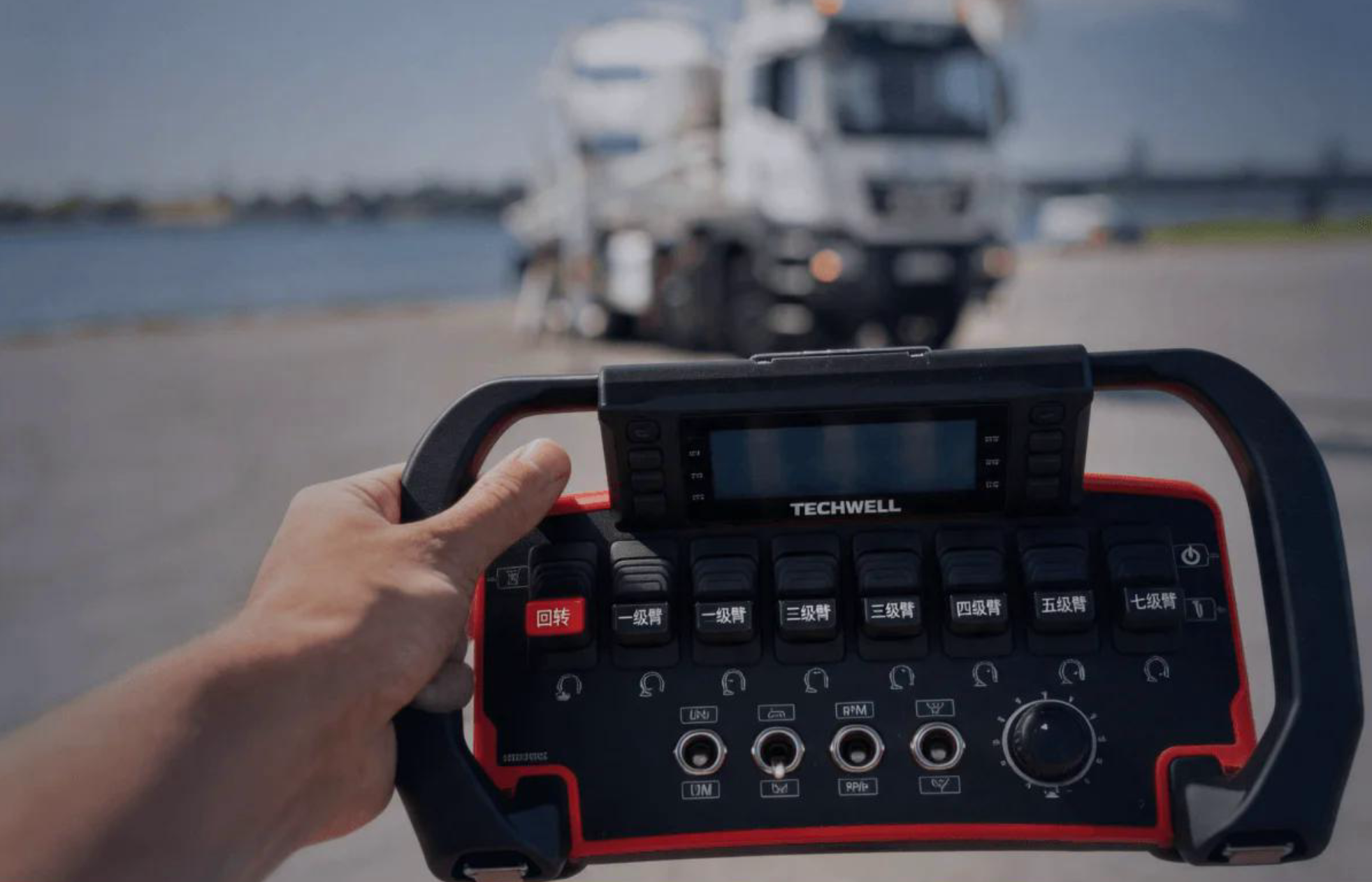
Deploying a purpose-built industrial transmitter bridges this critical operational gap effectively. Wireless interfaces empower operators with complete mobility, enabling precise, multi-axis machine control. This freedom allows workers to maintain a safe distance from high-risk zones while managing multiple active functions effortlessly.
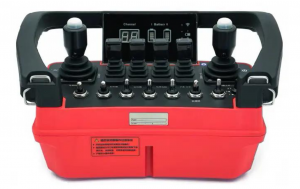
Managing Kinematics with an industrial transmitter
Multi-function machines execute diverse mechanical tasks simultaneously. A single machine might require boom elevation, tool rotation, and stabilizer leveling within the same operating cycle. Operating these complex hydraulic circuits through discrete, stepped pushbuttons often causes abrupt pressure surges.
These sudden mechanical transitions induce unnecessary shock loading on hydraulic hoses and proportional valves over extended periods of daily use. In contrast, proportional wireless interfaces deliver continuous, smooth modulation across every functional axis seamlessly.
Internal sensors detect fine hand inputs, converting physical displacement into high-speed digital data packets. Machine receivers decode these commands instantly, metering hydraulic valves with millimetric precision. This seamless modulation eliminates mechanical vibration and reduces long-term component wear dramatically.
Scenario 1: Hydro-Excavation Trucks
Specialized municipal utility trucks combine high-pressure water pumps, industrial vacuum blowers, and extendable hose booms. Operating these multi-function vehicles requires constant coordination between water pressure, vacuum suction flow, and boom positioning simultaneously throughout the shift.
In traditional operations, workers frequently walked back and forth between the chassis panel and the excavation pit, creating severe operational delays. Equipping the operator with a suitably configured wireless transmitter can simplify the workflow by reducing the need to move between control locations.
The operator can stand directly beside the utility trench, guiding the suction hose with one hand while fine-tuning vacuum velocity with the other. This immediate line of sight prevents trench wall collapses and accelerates excavation cycles significantly.
Scenario 2: Multi-Axis Demolition
Urban demolition projects rely heavily on specialized excavators capable of cycling between hydraulic breakers and sorting shears. Managing these heavy attachments in confined architectural footprints demands simultaneous multi-channel control to ensure ultimate safety.
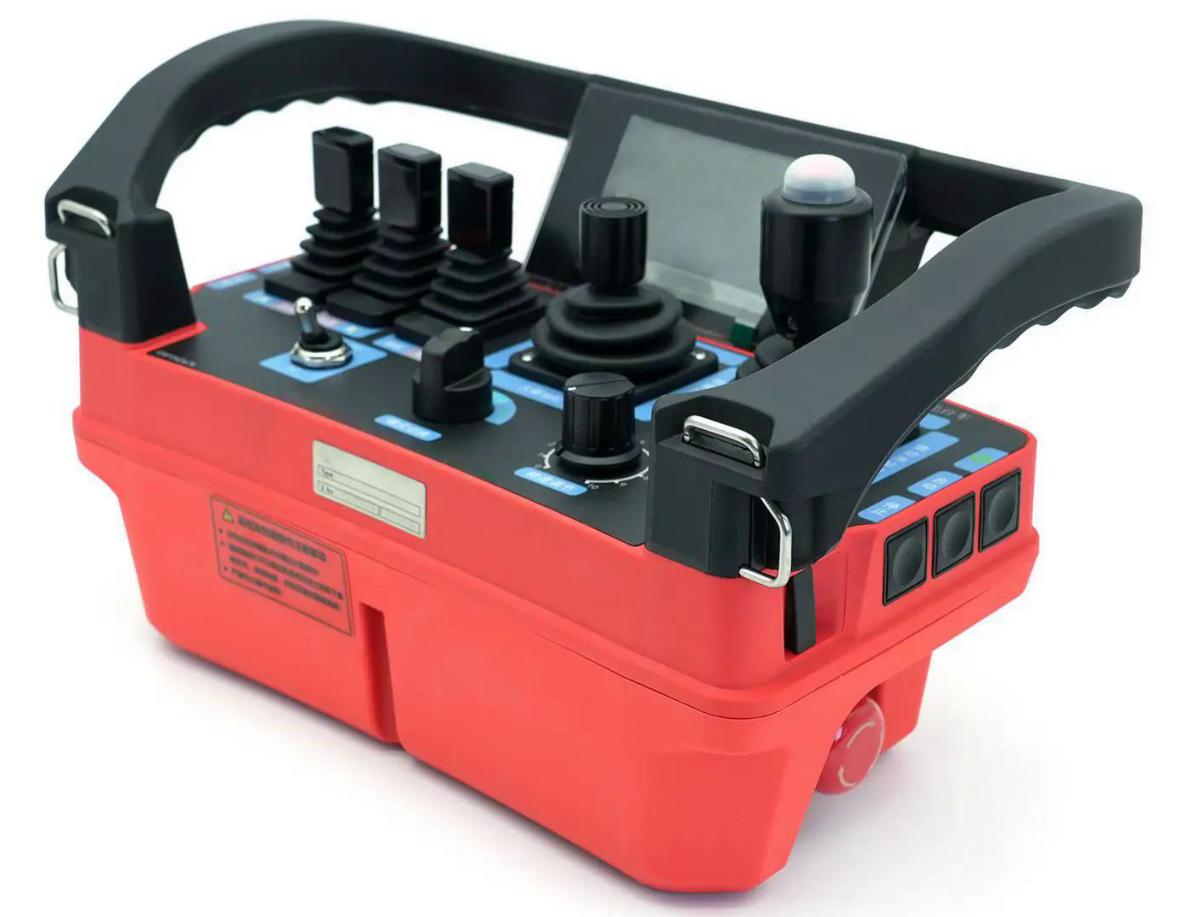
Deploying an advanced industrial remote control transmitter gives operators complete simultaneous authority over multiple hydraulic circuits. Dual multi-axis joysticks allow operators to coordinate boom positioning and tool articulation intuitively without cognitive overload.
Standing safely outside the structural collapse perimeter, the operator maintains an unobstructed view of fracture lines. This positioning can improve visibility during demolition and give operators greater flexibility when controlling attachment movements. The operator can adjust breaker strike frequency on the fly.
This level of fine-tuned control ensures that reinforced steel and concrete are separated cleanly without damaging surrounding foundation walls. The resulting efficiency accelerates site clearance while keeping workers entirely out of hazardous debris zones.
Hardware Integration and Environmental Specifications
Multi-function machinery operates across punishing outdoor environments subject to extreme weather, mud, and severe vibration. Commercial-grade electronic devices quickly degrade and fail under these demanding worksite conditions. Heavy machinery demands purpose-built control hardware engineered specifically for extreme durability.
High-performance controllers feature rugged enclosures with certified IP66 protection ratings. This sealing completely shields internal electronic assemblies from heavy rainfall, washdown jets, and abrasive airborne dust. Internal shock-dampening mounts protect printed circuit boards against continuous engine vibration.
Furthermore, seamless integration into modern equipment requires flexible communication standards. Advanced systems output CANopen, PWM, or analog signals to communicate directly with vehicle PLCs. This direct digital handshake ensures lag-free execution across dozens of simultaneous mechanical commands.
Advanced Safety Architecture
Safety architecture forms an essential pillar of industrial control design. Modern systems incorporate redundant dual-CPU microprocessor circuits that continuously verify signal validity. This cross-diagnostic architecture ensures that every transmitted data packet is accurate and secure from external interference.
If persistent electromagnetic interference or low transmitter battery voltage occurs, the system de-energizes all proportional safety relays immediately. This automated failsafe prevents erratic or uncommanded machine movements on crowded worksites, meeting stringent EN ISO safety standards.
Additionally, specialized transmitters feature prominent, active emergency stop pushbuttons designed for immediate access. When pressed, the receiver halts all mechanical operations in milliseconds, protecting both site personnel and expensive capital equipment from catastrophic accidents.
Tailored OEM and ODM Engineering Solutions
Every multi-function equipment platform features distinct hydraulic layouts, electrical architectures, and functional workflows. Standard off-the-shelf control units rarely provide the specialized proportional curves, custom switch detents, or proprietary protocols demanded by original equipment manufacturers globally.
Heavy machinery builders require tailored engineering partnerships to achieve flawless electrical integration into their proprietary vehicle platforms. Collaborating directly with an engineering specialist provides B2B equipment builders with comprehensive OEM and ODM support tailored to their specific needs.
Dedicated technical teams customize transmitter faceplates, private-label housings, and application-specific software mapping to match exact machine specifications. This dedicated engineering collaboration fosters long-term customer trust and strengthens brand differentiation in highly competitive international markets.
Advancing the Future of Multi-Function Control
The demand for versatile multi-function machinery continues to expand as heavy industries prioritize flexible, high-efficiency equipment platforms. Implementing advanced wireless transmission interfaces bridges the gap between human operators and complex automated systems effectively.
Untethered control allows operators to choose the safest, most productive vantage points across every single work shift. Investing in rugged, high-precision wireless hardware protects worksite personnel, reduces ongoing maintenance costs, and maximizes equipment productivity globally.
By integrating a customized Techwell Remote Control system, heavy equipment manufacturers can deliver the next generation of safe, adaptable machinery. This strategic upgrade provides exceptional long-term utility to the global industrial sector.