Outdoor industrial worksites place brutal physical demands on heavy machinery. Massive earthmoving platforms, mobile cranes, and specialized utility vehicles operate under harsh environmental conditions daily. Whether enduring torrential rainfall, blazing desert heat, or dense airborne dust, outdoor machinery must execute complex commands without interruption. In these unforgiving environments, the communication interface connecting the operator to the machine directly dictates operational safety and throughput.
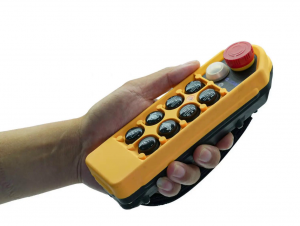
Traditional machine interfaces—such as fixed-panel levers and rigid wired pendants—introduce severe operational constraints. They tether operators directly to vibrating machinery chassis or confine them to elevated cabs with limited visibility. To maximize machine utility and safeguard site personnel, equipment builders are upgrading to wireless systems. Deploying a rugged industrial transmitter bridges this operational gap, providing operators with untethered mobility and direct line-of-sight precision across demanding outdoor worksites.
Uncompromising Ingress Protection and Physical Sealing
Outdoor environments present relentless moisture and particulate hazards. Heavy rainstorms, high-pressure equipment washdowns, and humid coastal fog can quickly penetrate poorly sealed electronic enclosures. Once water or condensation enters a control unit, delicate printed circuit boards short-circuit immediately. This failure leads to sudden equipment shutdowns, expensive project delays, and dangerous worksite conditions.
To survive these hazards, outdoor wireless controllers require certified IP65 or IP66 ingress protection ratings. High-grade synthetic rubber bellows and silicone gaskets form an airtight barrier around toggle switches, joysticks, and battery compartments. This comprehensive physical seal prevents water ingress and completely blocks abrasive silica dust, ensuring the internal electronics remain clean, dry, and fully functional through years of heavy outdoor use.
Structural Impact Resistance and Thermal Stability
Mechanical shock is a daily reality on heavy civil construction and excavation sites. Handheld and belly-pack control consoles frequently endure accidental drops onto hard concrete, compacted rock, or asphalt. Furthermore, continuous mechanical vibration transmitted from diesel engines and hydraulic pumps stresses internal electronic solder joints over time.
Outdoor-ready controllers utilize heavy-duty polymer composite housings reinforced with impact-absorbing rubber corner bumpers. Internally, printed circuit boards are mounted on specialized shock-dampening elastomers that isolate delicate microprocessors from intense vibration. Additionally, thermal management engineering ensures internal electronic components and high-capacity lithium battery packs maintain steady operating voltage across extreme temperature fluctuations from -20°C to +70°C.
Scenario 1: Hydro-Excavation and Utility Maintenance
Municipal utility maintenance relies heavily on specialized hydro-excavation vehicles. These multi-function trucks combine high-pressure water jets, industrial vacuum blowers, and extendable hydraulic hose booms onto a single commercial vehicle chassis. Operating these systems requires continuous, synchronized control between water cutting pressure, vacuum airflow velocity, and boom positioning.
Deploying a specialized outdoor industrial wireless transmitter remote control completely transforms hydro-excavation workflows. The equipment operator stands directly beside the utility trench rather than running back and forth to the truck chassis panel. From this optimal ground-level vantage point, the operator guides the suction hose boom with fingertip precision while monitoring soil stability.
This direct line of sight prevents trench wall collapses and avoids accidental damage to buried fiber-optic cables or gas mains. The operator can instantly adjust water cutting pressure or trigger an emergency shutdown if an obstruction appears. This seamless wireless coordination eliminates communication lag, accelerates utility clearance cycles, and protects municipal crews from hazardous trench cave-ins.
Scenario 2: High-Rise Concrete Boom Pumping
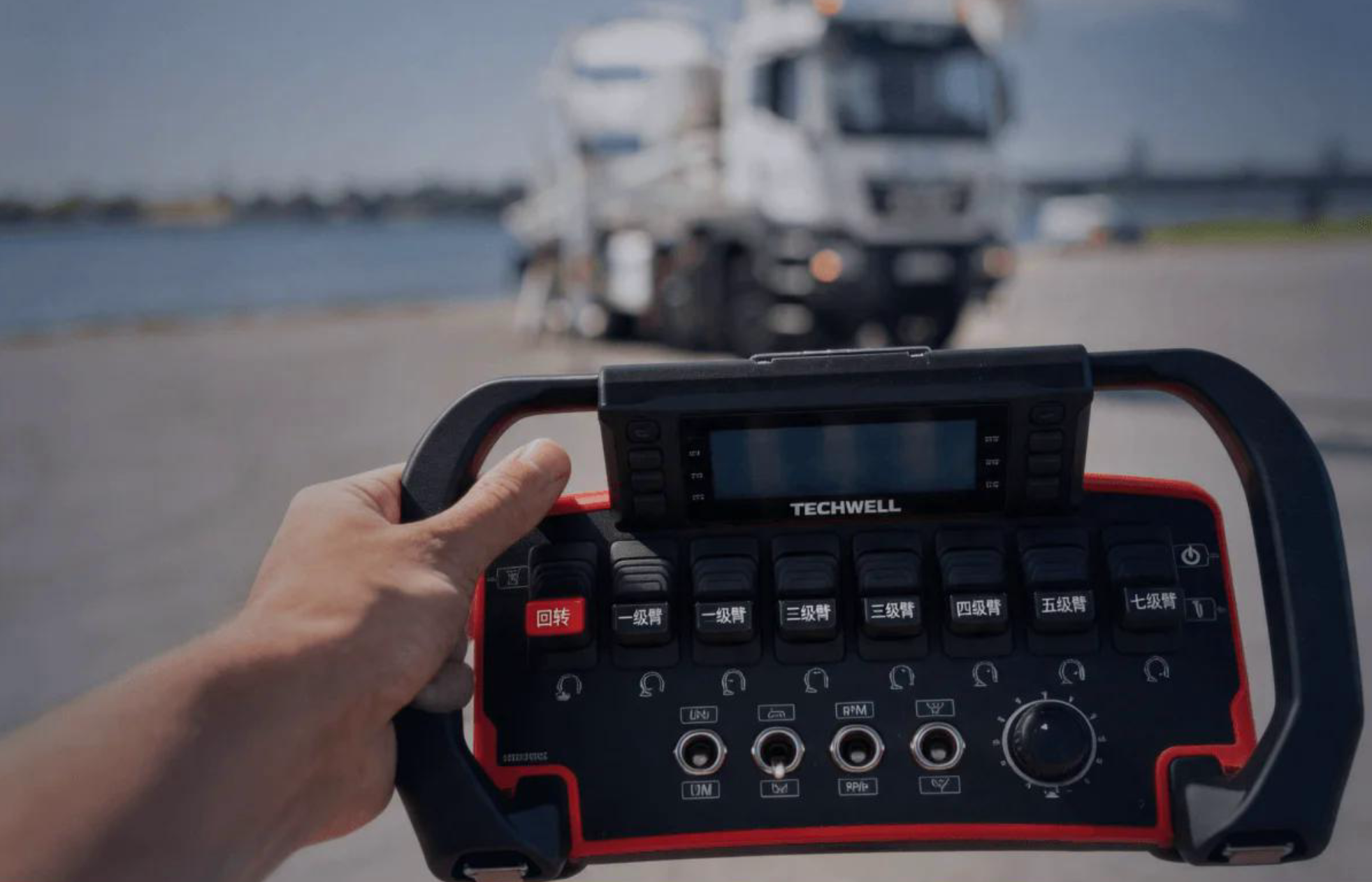
Commercial high-rise construction relies on mobile concrete boom pumps to place thousands of yards of wet concrete across complex structural formwork. Delivering concrete uniformly requires continuous coordination between the vehicle engine, hydraulic pumps, and multi-section placing booms. In traditional setups, pump operators stationed at the vehicle chassis cannot see the actual pour location on elevated decks.
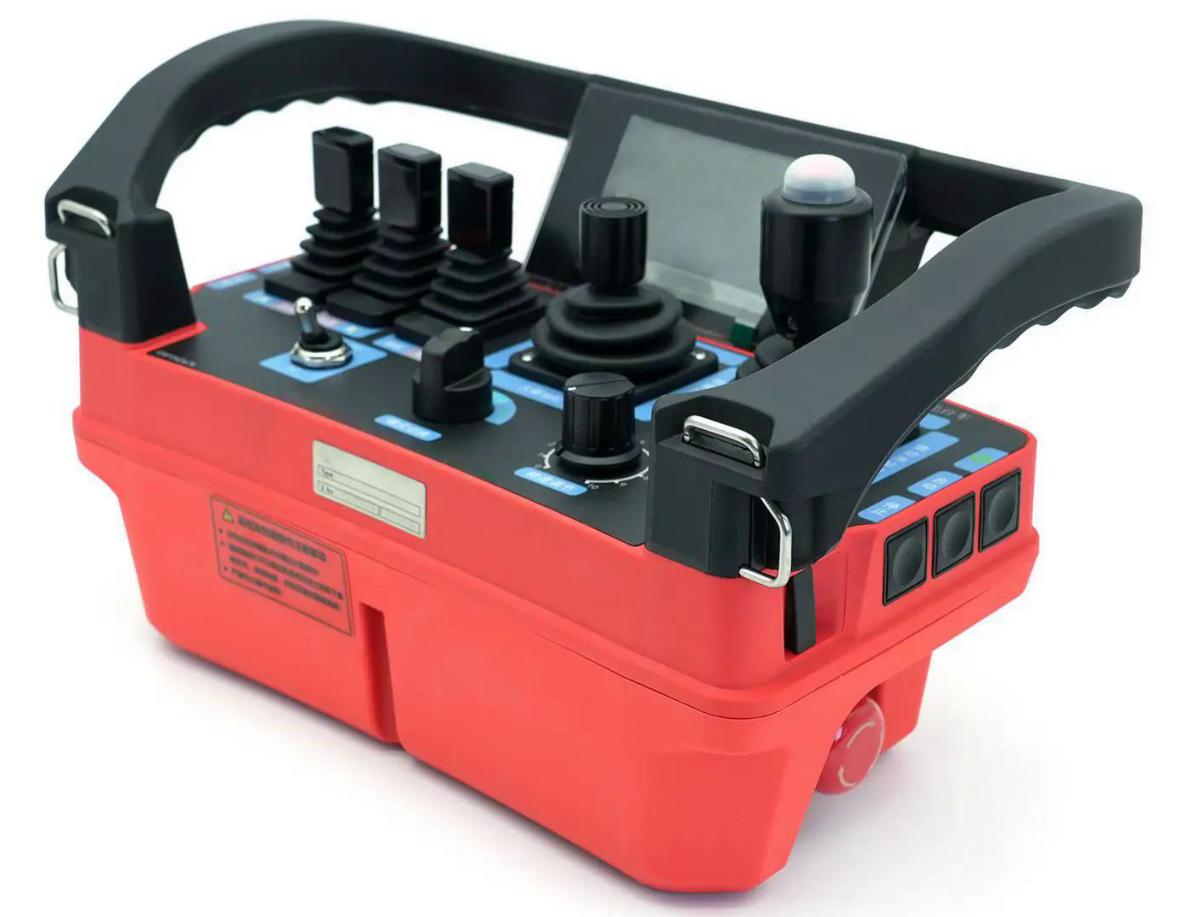
Equipping the operator with a rugged wireless belly-pack console resolves this coordination bottleneck entirely. The pump operator stands directly alongside the placement crew on the active slab. Using multi-axis proportional joysticks, the operator feathers boom articulation smoothly, preventing sudden hydraulic surges that cause dangerous hose whipping.
Being directly at the pour point allows the operator to inspect formwork stability in real time. This immediate visual feedback prevents over-pouring, minimizes material waste, and ensures uniform structural density across the entire deck. The resulting workflow accelerates concrete placement schedules and significantly reduces labor overhead on major commercial building projects.
Advanced Functional Safety Architecture
Operating multi-ton outdoor equipment requires uncompromising functional safety standards. When heavy loads are suspended overhead or excavators operate near active utility corridors, a lost signal or accidental command execution can lead to catastrophic consequences. Reliable wireless control systems must incorporate multi-layered safety protocols to protect workers and capital assets.
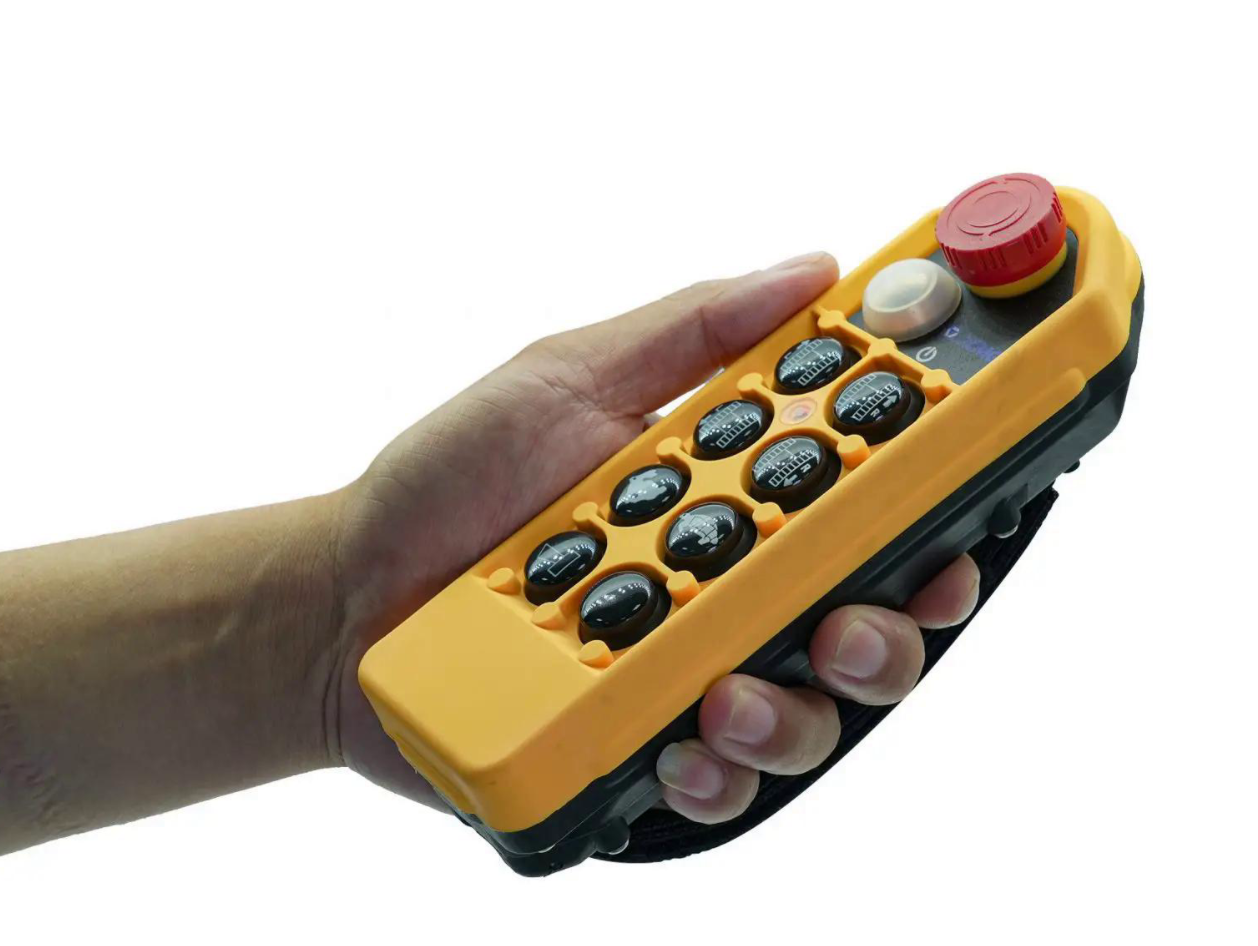
Certified industrial wireless systems feature redundant dual-microprocessor architectures that continuously perform cross-diagnostic safety checks. If persistent radio frequency interference occurs or the transmitter battery drops below safe operating thresholds, the system executes an automated, failsafe machine shutdown within milliseconds. Furthermore, a prominent, active emergency stop button provides operators with immediate manual shutdown capability during unexpected site emergencies.
Tailored OEM and ODM Engineering for Machinery Builders
Every category of outdoor heavy machinery features distinct hydraulic architectures, electrical interfaces, and operational profiles. Standard off-the-shelf control units rarely provide the specialized proportional joystick curves, customized switch legends, or proprietary CAN-bus protocols demanded by original equipment manufacturers (OEMs). Machinery builders require tailored hardware partnerships to achieve seamless electrical integration.
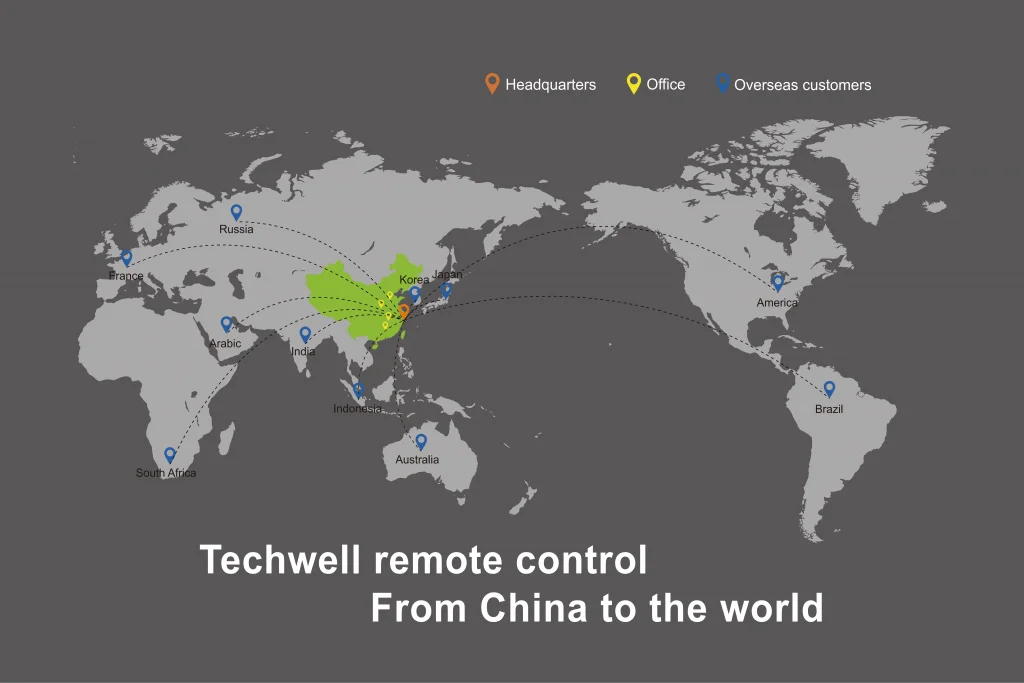
Collaborating with a dedicated engineering partner provides B2B equipment manufacturers with comprehensive OEM and ODM support. Technical teams customize transmitter faceplate layouts, configure application-specific software mapping, and integrate private-label branding. Equipping heavy machinery with a customized Techwell Remote Control system enhances machine marketability, simplifies end-user training, and delivers dependable wireless performance across international markets.
Driving the Future of Outdoor Industrial Operations
As outdoor industries continue to embrace automation and enhanced safety standards, rugged wireless interfaces provide the vital link between human operators and heavy machinery. Eliminating restrictive wired pendants empowers workers to choose the safest, most productive vantage points across every phase of site development.
Investing in purpose-built, weather-resistant wireless technology ensures your heavy machinery remains adaptable, safe, and ready to meet the rigorous demands of tomorrow’s worksites. Partnering with experienced industrial manufacturing specialists allows equipment builders to deliver the next generation of safe, reliable, and highly efficient machinery to the global industrial sector.