Modern industrial machinery is becoming increasingly versatile. In sectors ranging from heavy infrastructure to specialized municipal services, single-purpose machines are rapidly being replaced by multi-function equipment. These advanced machines combine hydraulic booms, winches, stabilizers, and variable-speed drives onto a single platform, maximizing utility on demanding worksites.
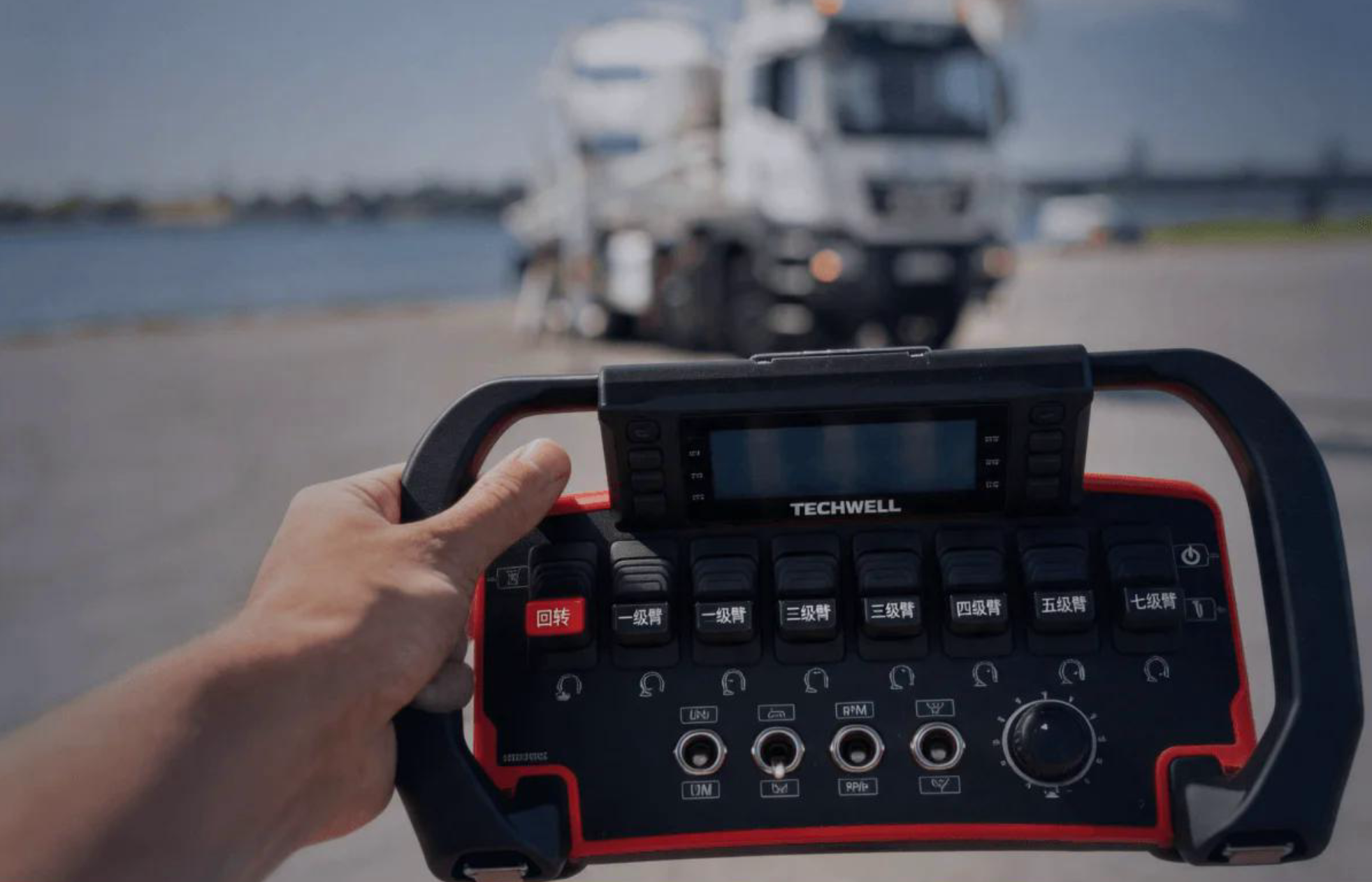
However, operating multi-function machinery presents distinct challenges. When a machine performs multiple distinct tasks, controlling it through fixed-panel switches or rigid wired cables limits operational speed and situational awareness. Machine operators must position themselves where they have an unobstructed view of all moving components.
To achieve this level of operational freedom, equipment builders are turning to advanced wireless architectures. Collaborating with an experienced industrial remote control manufacturer allows machinery builders to design intuitive, customizable interfaces that streamline multi-function operations while keeping operators safe.
Scenario 1: Multi-Attachment Excavators and Demolition Rigs
In modern civil engineering and urban demolition, specialized excavators often carry multiple hydraulic attachments. A single machine might cycle between a concrete crusher, a hydraulic breaker, and a high-capacity sorting grapple throughout a single shift. Managing these attachments requires precise proportional control across multiple hydraulic circuits.
When working within confined demolition zones, structural collapse risks and falling debris make direct cab operation hazardous. A rugged wireless interface allows the operator to step outside the danger zone to a secure vantage point. From this position, the worker has a complete view of structural fracture lines and debris fall paths.
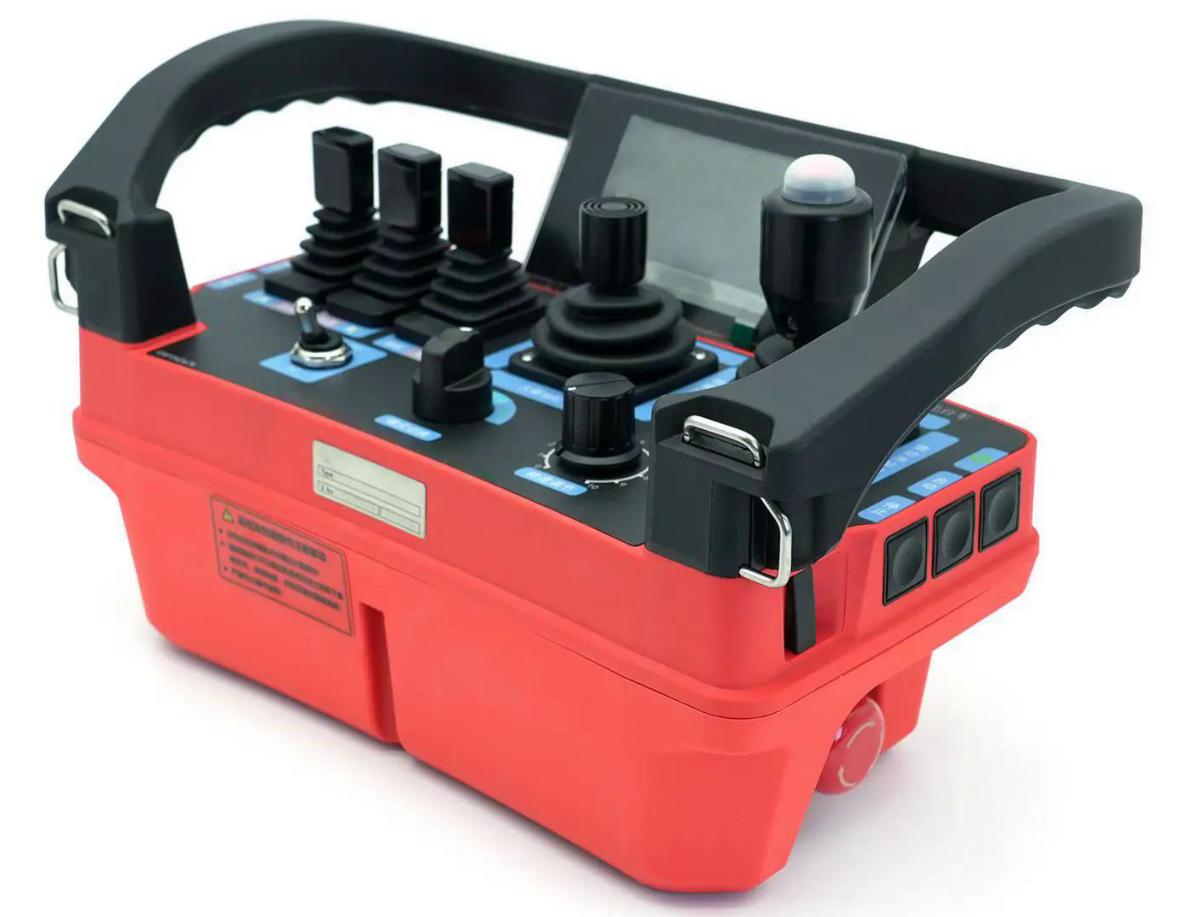
By using multi-axis proportional joysticks, the operator adjusts crusher bite force and boom extension smoothly. This real-time micro-metering prevents sudden hydraulic pressure spikes, protecting hydraulic hoses and pump seals from excessive wear. The result is safer demolition, faster cycle times, and reduced machinery maintenance costs.
Architecture of an Industrial Radio Remote Control System
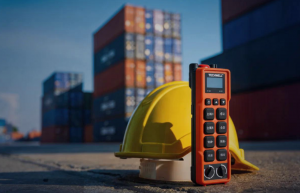
Connecting an operator to complex multi-function machinery requires a robust communication backbone. An advanced industrial radio remote control system consists of two coordinated hardware units: a rugged wireless transmitter and a machine-mounted receiver interface.
The transmitter converts complex physical inputs—including joysticks, rotary selectors, and toggle switches—into encrypted digital data packets. These packets transmit across dedicated radio frequency bands using multi-bit security addressing. This architecture ensures that adjacent machinery on the worksite cannot intercept or misinterpret command signals.
Upon receiving the transmission, the receiver decodes the data packets in milliseconds. It then distributes discrete outputs directly to the machine’s programmable logic controllers (PLCs), proportional hydraulic valves, or CAN-bus network. This seamless transmission loop guarantees instant, lag-free mechanical responsiveness for multi-function equipment.
Scenario 2: Specialized Municipal and Vacuum Tanker Vehicles
Municipal utility operations frequently rely on multi-function hydro-excavation and sewer cleaning trucks. These vehicles integrate high-pressure water pumps, high-volume vacuum blowers, and extendable hydraulic hose booms onto a single commercial chassis. Operating these systems requires continuous coordination between vehicle engine speed, hydraulic pressure, and boom positioning.
In traditional setups, operators frequently ran back and forth between the rear chassis controls and the excavation pit. This physical back-and-forth created substantial workflow bottlenecks and increased operator fatigue over long shifts.
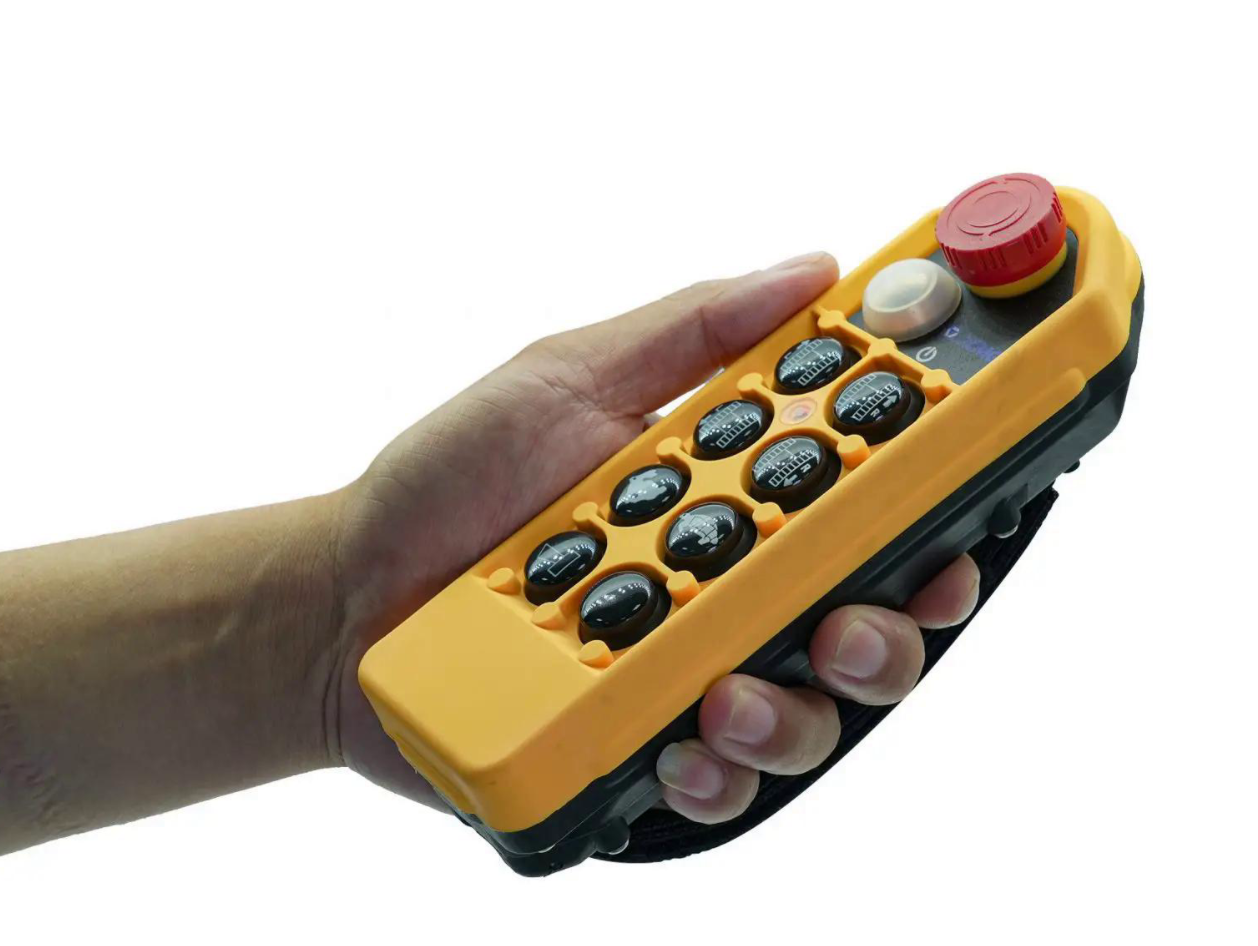
With a wireless belly-pack controller, the operator stands directly beside the utility trench. They can guide the suction hose boom with one hand while adjusting water pressure and vacuum flow rates with the other. This direct oversight prevents trench cave-ins, avoids damaging buried utility lines, and completes cleaning cycles significantly faster.
Rugged Hardware and Environmental Specifications
Multi-function equipment operates across punishing outdoor environments subject to severe weather, mud, and heavy vibration. Commercial-grade electronic devices quickly degrade and fail under these conditions. Purpose-built industrial hardware incorporates strict engineering standards to ensure dependable operation in the field.
Depending on the model, Techwell transmitters and receivers are available with IP-rated protection such as IP65 or IP66. This sealing prevents ingress from high-pressure water washdowns, airborne dust, and corrosive chemicals. In addition, internal shock-absorbing mounts isolate sensitive circuit boards from continuous engine vibration and accidental drops.
Functional safety is equally critical for multi-function equipment. Certified systems feature active emergency stop pushbuttons and redundant dual-microprocessor monitoring circuits. If the radio signal drops or a communication fault occurs, the receiver automatically de-energizes safety relays, halting all dangerous machine motions within milliseconds.
Custom OEM and ODM Engineering for Machine Builders
Every multi-function machine has unique hydraulic and electrical control requirements. Off-the-shelf remote controls rarely accommodate the proprietary control algorithms or custom switch layouts demanded by specialized equipment builders. Tailored engineering partnerships are essential for seamless machine integration.
Collaborating with specialized engineers provides B2B clients with comprehensive OEM and ODM support. Technical teams work closely with machine designers to customize transmitter faceplates, button legends, and CAN-bus communication protocols. This collaborative approach guarantees that the resulting Techwell Remote Control solution matches the machine’s exact operational requirements.
Customized engineering allows machinery builders to deliver turnkey, market-ready equipment to global clients. By providing intuitive ergonomics, rugged hardware, and reliable wireless performance, heavy machinery manufacturers enhance their brand reputation and deliver superior long-term user value.
Driving Flexible Industrial Productivity
Modern wireless control technology redefines how operators interact with complex multi-function machinery. By removing restrictive physical cables and rigid control panels, wireless systems provide workers with the mobility and vantage points needed to execute complex tasks safely.
Deploying an advanced industrial radio remote control system optimizes productivity, reduces workplace injuries, and protects high-value capital assets across challenging industries. Investing in high-performance wireless technology ensures that your enterprise remains resilient, efficient, and fully prepared for the future of industrial automation.