Modern heavy industrial worksites are dynamic, high-risk environments. Whether navigating crowded manufacturing bays or positioning massive structural loads on construction sites, operator line of sight directly dictates daily efficiency and safety. When an operator cannot see the load or obstacles clearly, the risk of structural damage and workplace injuries increases exponentially.
For decades, heavy machinery operators were confined to stationary cabs or restricted by short pendant cables. These wired setups forced workers into compromised angles, creating dangerous visual blind spots. Partnering with a dedicated industrial remote control manufacturer allows industrial enterprises to eliminate physical restrictions and optimize worker positioning.
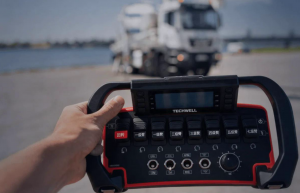
Eliminating Visual Blind Spots Through Line-of-Sight Mobility
Operating heavy equipment from inside a fixed cab often isolates the operator from ground-level reality. Obstacles such as structural pillars, stacked materials, and other machinery frequently block direct sightlines. In traditional setups, operators must rely entirely on hand signals or two-way radio calls from ground spotters.
While spotters provide valuable assistance, signal misinterpretations and communication delays can lead to dangerous errors. When maneuvering multi-ton loads, a fraction of a second in delayed response can cause severe impacts. Direct line of sight remains the gold standard for precision handling and workplace safety.
Wireless control systems empower operators to walk freely around the machinery. Workers can continuously adjust their physical position to maintain an unobstructed view of the load, the rigging gear, and the drop target. This direct visual feedback eliminates blind spots and accelerates maneuvering cycles.
Scenario 1: Overhead Crane Handling in Steel Fabrication
Steel fabrication plants handle massive materials like structural I-beams, long pipes, and wide steel plates. Moving these long items across crowded assembly floors requires extreme care. A stationary crane operator looking down from a high cab struggles to judge ground-level clearances accurately.
With a mobile wireless transmitter, the crane operator walks at a safe distance alongside the moving load. They can visually verify that the trailing end of a long beam clears surrounding welding stations and material racks. This situational awareness prevents material damage and protects ground crews.
Scenario 2: Precise Placement with Industrial Wireless Remote Controls
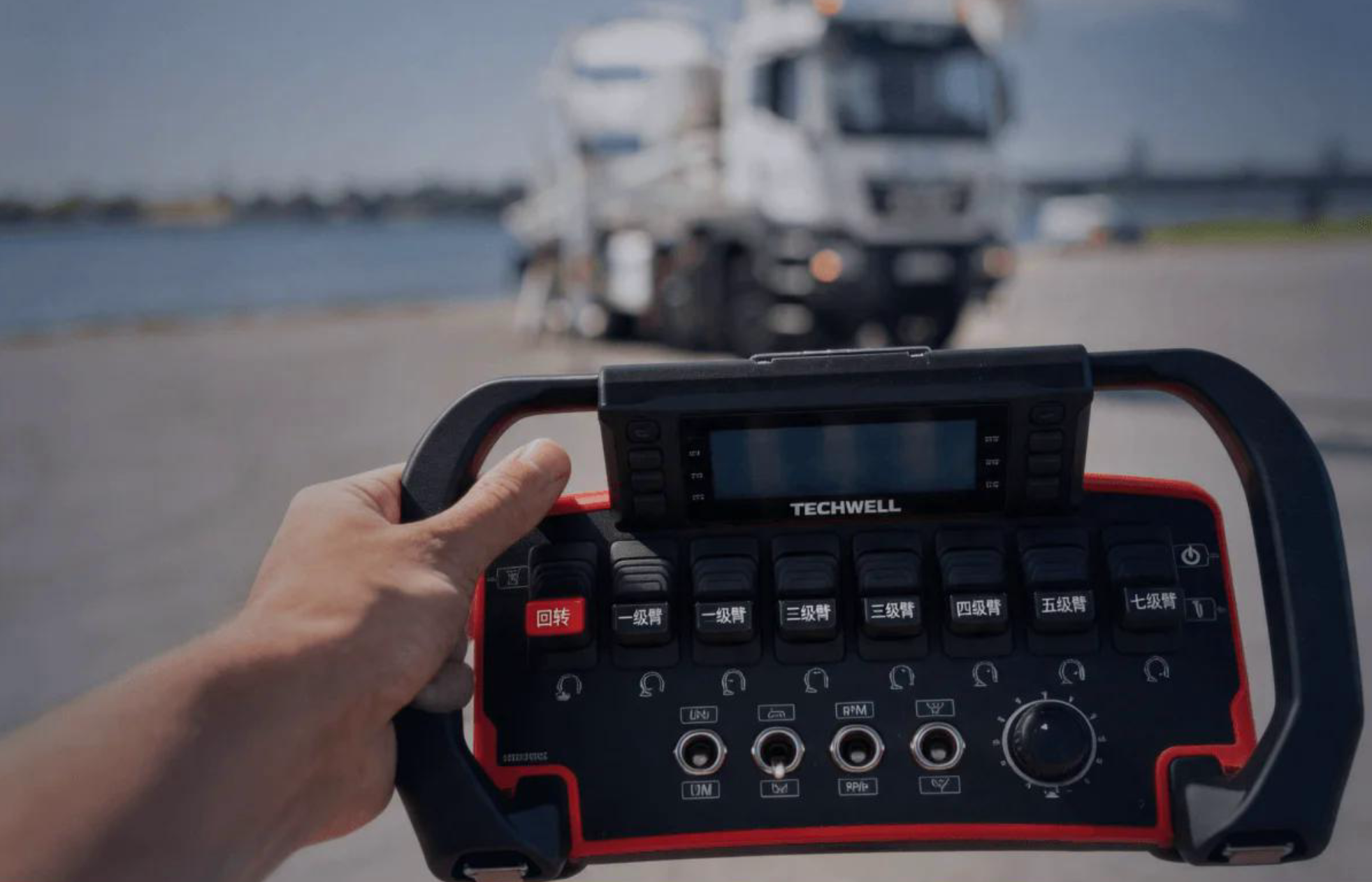
Concrete boom pumps on construction sites must deliver wet concrete across complex architectural frameworks. Traditional cab operation leaves the boom operator blind to the actual pour location. This disconnect requires continuous, verbal radio guidance from the placement crew at the end of the hose.
Deploying advanced industrial wireless remote controls solves this coordination challenge completely. The pump operator stands directly next to the pour crew on the upper deck or foundation slab. From this optimal vantage point, the operator feathers hydraulic boom controls with fingertip precision.
Being right at the placement point prevents over-pouring, minimizes hose whipping hazards, and ensures uniform concrete distribution. The operator directly observes formwork stability and worker safety, resulting in cleaner structural pours and reduced labor delays across the job site.
Environmental Durability and Safety Specifications
Industrial environments expose control hardware to severe weather, physical impact, and abrasive airborne contaminants. Standard commercial wireless devices quickly fail under these demanding conditions. Heavy machinery requires purpose-built industrial hardware engineered to survive rigorous daily use.
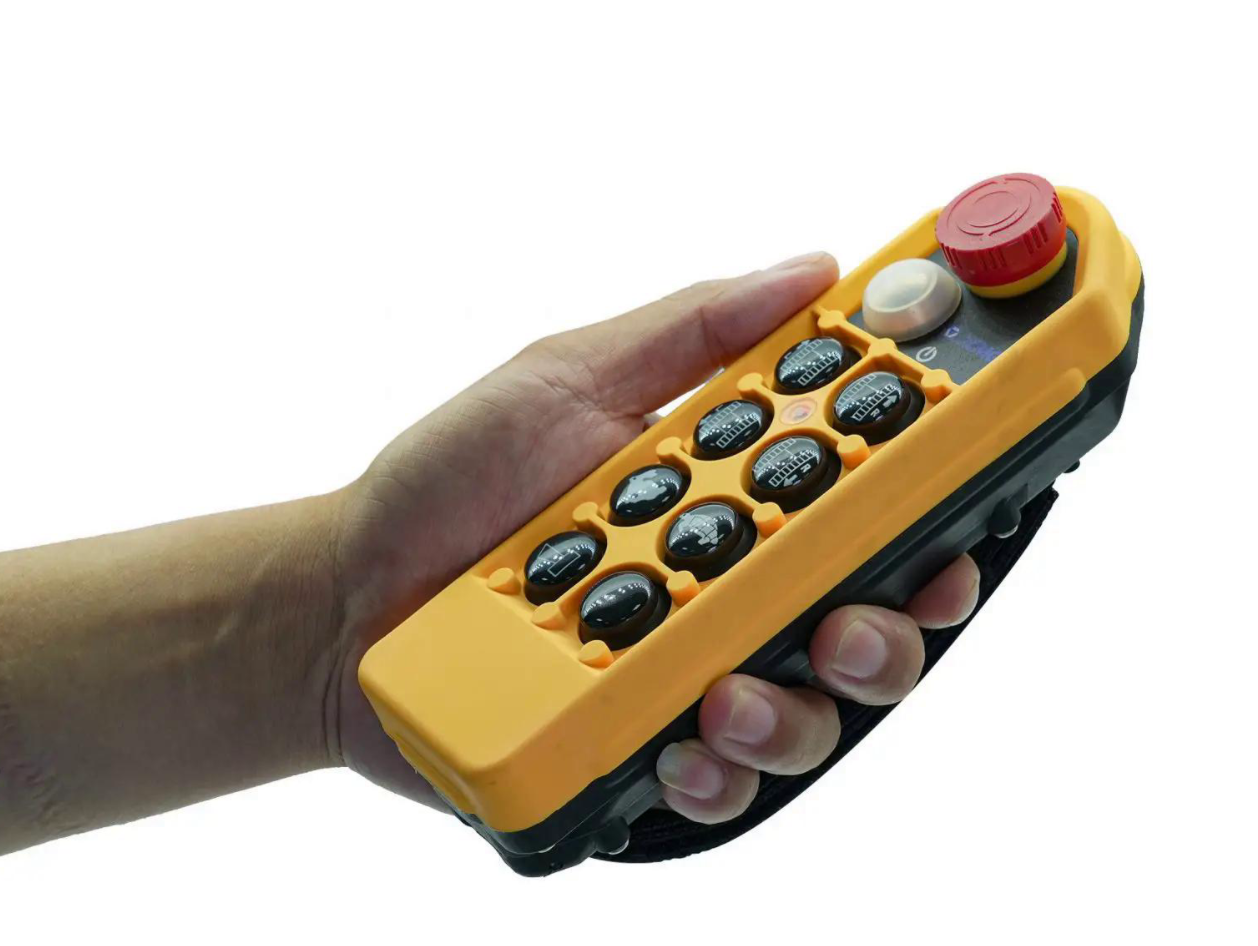
Professional industrial transmitters feature rugged enclosures with certified IP65 ingress protection ratings. This sealing prevents internal electronic damage from driving rain, washdown jets, and fine mineral dust. Internal shock-absorbing mountings protect delicate circuit boards from high-vibration machinery and accidental drops onto concrete.
Functional safety architecture is equally vital. Systems incorporate dedicated emergency stop buttons and redundant dual-microprocessor circuits. If persistent radio interference occurs or signal contact is lost, the receiver automatically executes a failsafe machine shutdown within milliseconds, protecting workers from erratic machinery movements.
Scenario 3: Heavy Mining and Bulk Material Handling
Surface quarries and underground mines present harsh physical hazards, including unstable rock faces, toxic dust clouds, and high ambient noise. Controlling mobile rock crushers, excavators, and conveyor systems from equipment cabs exposes human workers to constant vibration and falling debris risks.
Wireless remote systems allow operators to manage crushing and sorting equipment from a secure, elevated overlook or upwind safety zone. The operator maintains complete visibility of the hopper feed rate while standing safely out of rockfall trajectories and dust plumes.
Tailored OEM and ODM Solutions for Machine Builders
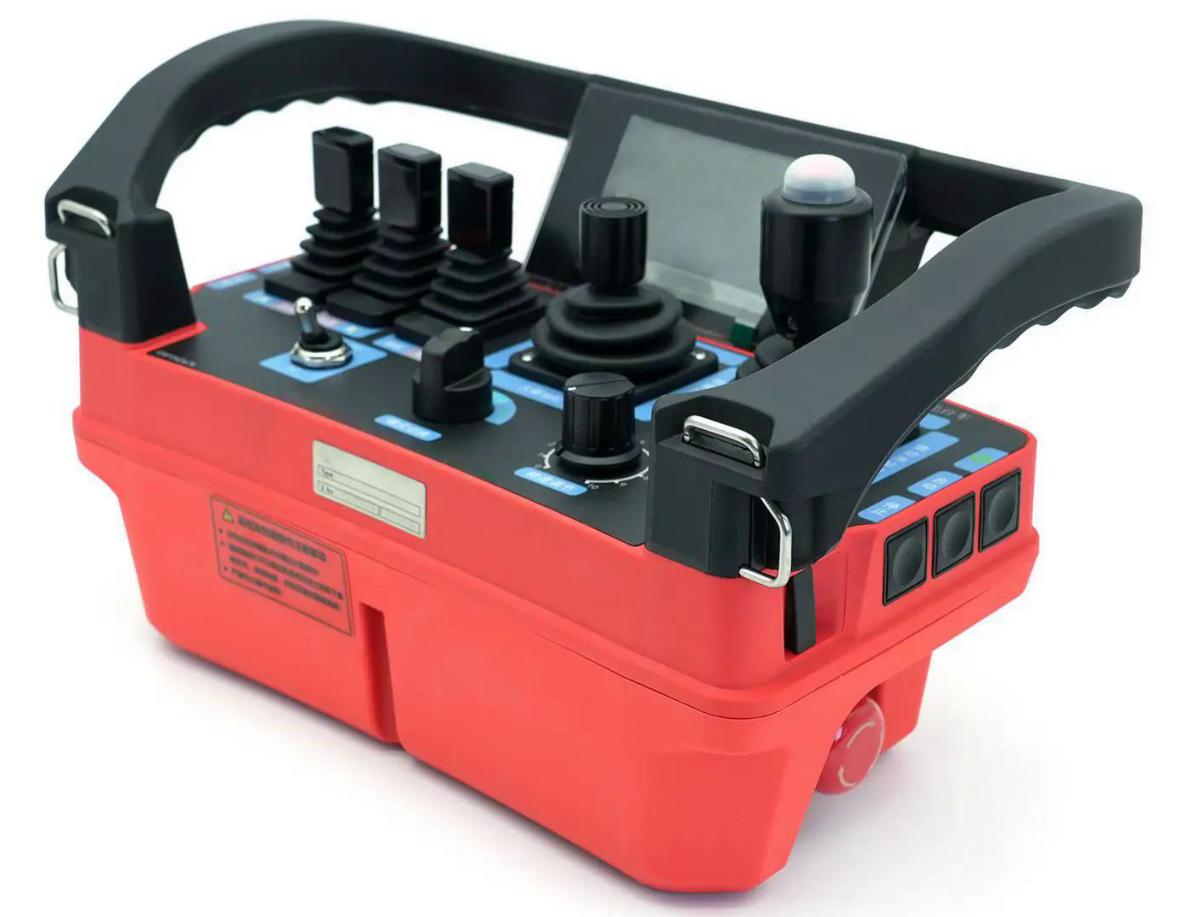
Every category of heavy machinery features unique operational parameters and distinct hydraulic circuits. Off-the-shelf control units rarely provide the specialized switch layouts, proportional joysticks, or proprietary CAN-bus protocols demanded by original equipment manufacturers. Customized engineering partnerships are essential for successful machine integration.
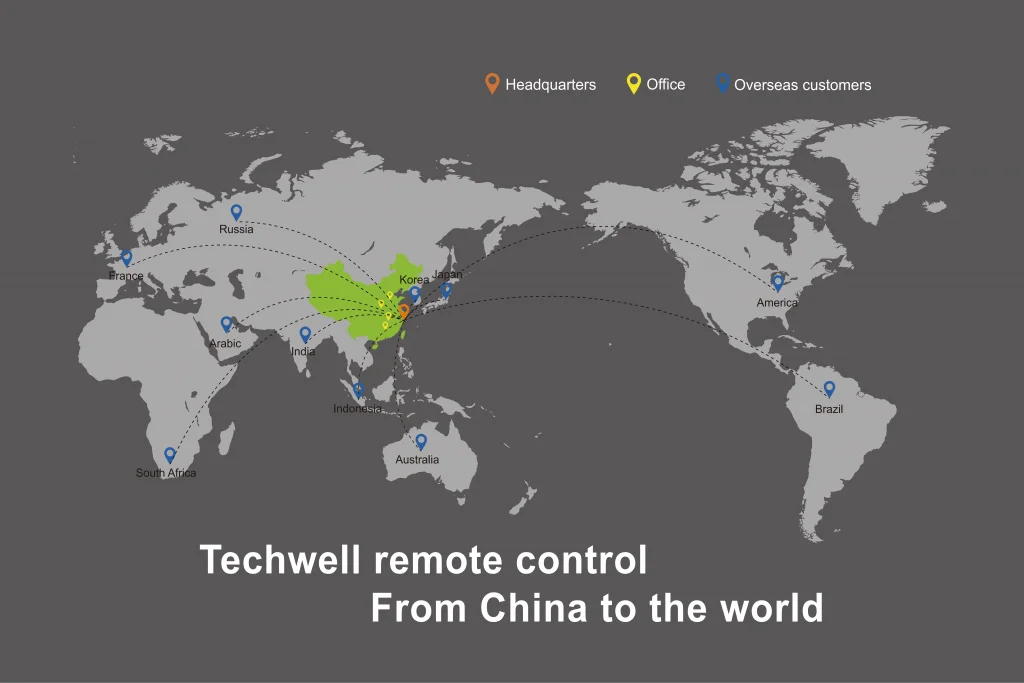
Collaborating with specialized manufacturers provides B2B equipment builders with comprehensive OEM and ODM support. Engineering teams design custom transmitter faceplates, specialized ergonomic enclosures, and application-specific software mapping. This collaborative development ensures the resulting Techwell Remote Control system integrates with the machine’s electrical architecture.
These tailored ODM services allow heavy equipment manufacturers to offer turnkey, highly competitive products to international markets. Providing intuitive ergonomics and dependable wireless performance elevates brand value and delivers exceptional long-term utility to industrial end-users worldwide.
Driving Long-Term Operational Excellence
Optimizing operator positioning is one of the most effective strategies for improving worksite safety and throughput. By eliminating restrictive physical cables and rigid cabs, wireless control systems empower workers to choose the safest, most productive vantage points on every single shift.
Modern industrial enterprises that adopt rugged, customized wireless control solutions successfully protect their workforce while building a faster, smarter, and more resilient future.