The construction industry is shifting rapidly toward advanced automation. Modern infrastructure projects rely on automated machinery to accelerate timelines, reduce material waste, and improve jobsite safety. From automated earthmoving equipment to high-capacity tower cranes, heavy equipment executes complex operations with remarkable accuracy. These automated systems enhance daily productivity across diverse construction environments.
However, the real efficiency of automated machinery depends on reliable human-machine interfaces. Traditional control methods—such as fixed operator cabs or short pendant cables—restrict operator movement and introduce blind spots. These physical constraints undermine the speed and safety benefits that automated machinery delivers.
To unlock the full potential of automation, construction firms are transitioning to flexible wireless solutions. Collaborating with an experienced industrial remote control manufacturer allows machinery builders to equip automated systems with rugged wireless interfaces. This transition eliminates physical tethers, giving operators the freedom to position themselves optimally for every task.
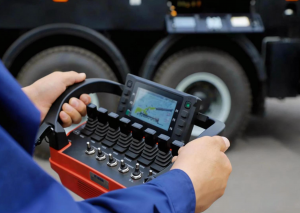
Precision Lifting in Automated Structural Assembly
High-rise construction and modular precast building require absolute placement accuracy. Modern tower cranes and mobile gantry systems frequently move heavy precast concrete panels and steel trusses into position. In automated workflows, cranes follow pre-programmed trajectories to bring heavy components directly to the installation zone. These precise automated sequences streamline material placement significantly.
Despite automated trajectory planning, final structural alignment demands immediate human oversight. When an operator is trapped inside a high-altitude cab, judging ground-level clearances is difficult. Operators must constantly interpret hand signals or radio calls from ground spotters, which introduces dangerous delays and miscommunication risks.
A wireless handheld transmitter allows the crane operator to stand directly on the working deck. From this vantage point, the operator visually verifies pin alignment and joint tolerances before releasing the load. This direct line of sight eliminates placement errors, prevents structural collisions, and accelerates installation cycles.
Integrating Industrial Wireless Remote Controls in Earthmoving
Civil engineering and foundation preparation rely heavily on automated grading systems installed on excavators and bulldozers. The operator’s primary role shifts from manual joystick manipulation to supervising automated sequences.
Deploying rugged industrial wireless remote controls provides equipment supervisors with complete physical mobility around the excavation perimeter. Instead of sitting inside a vibrating cab where dust and engine noise degrade situational awareness, the supervisor stands safely outside the machine on stable ground.
This remote vantage point allows the operator to inspect soil stability, monitor trench wall integrity, and watch for buried utilities. If an unexpected obstacle appears, the operator can pause automated excavation instantly with a single button press. This proactive oversight prevents trench cave-ins, equipment rollovers, and utility strikes.
Automated Concrete Pumping on Multi-Story Builds
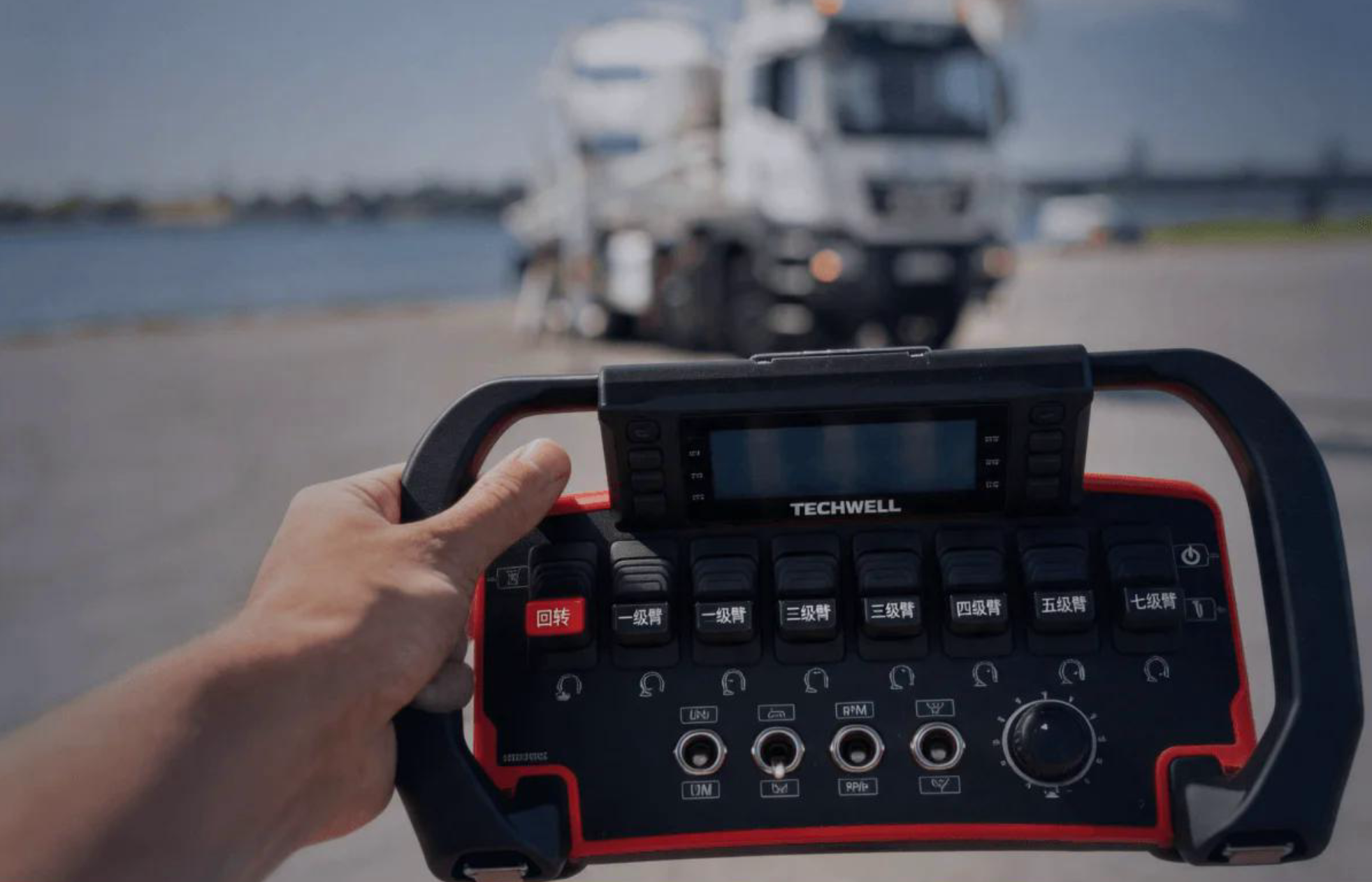
Concrete boom pumps are essential for placing concrete across multi-story buildings. Modern pump trucks feature automated boom dampening and computerized flow control systems. These automated features maintain steady hydraulic pressure and reduce boom bounce during high-volume structural pours. These systems ensure steady delivery during critical foundation pours.
In traditional setups, the pump operator stayed by the truck chassis while a separate crew directed the hose. This separation created communication gaps whenever pump speeds needed adjustment. Sudden hose blockages or formwork overflow required urgent verbal warnings, which often arrived too late to prevent structural damage.
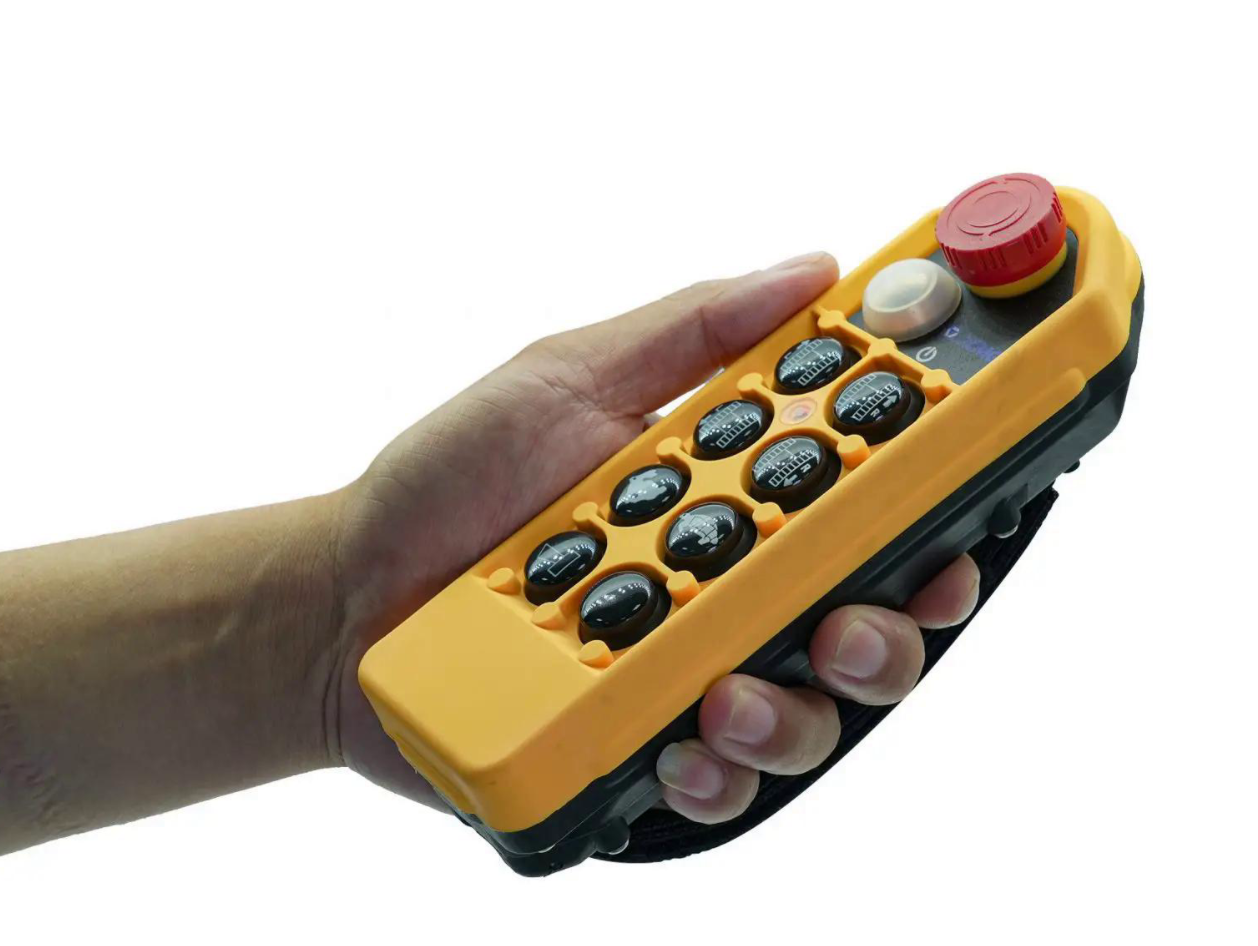
Equipping operators with wireless belly-pack controllers significantly reduces this challenge. The operator stands directly beside the hose crew, managing boom articulation and pumping volume simultaneously. This direct control prevents over-pouring, minimizes hazardous hose whipping, and guarantees uniform concrete consolidation across every structural section.
Hardware Standards for Severe Construction Environments
Construction worksites expose electronic control hardware to punishing physical conditions. Heavy equipment operations generate continuous mechanical vibration, airborne mineral dust, torrential rain, and extreme temperature swings. Purpose-built industrial hardware is required to maintain continuous, dependable operation under these brutal conditions.
Industrial transmitters and receivers feature heavy-duty reinforced housings built to certified IP65 protection standards. This sealing completely prevents water ingress from driving rain and protects delicate electronics from abrasive silica dust. Internal shock-dampening mounts isolate printed circuit boards from intense drops and engine vibration.
Safety architecture is equally crucial for automated machinery interfaces. Certified wireless controllers incorporate redundant dual-microprocessor monitoring and emergency stop pushbuttons. If radio interference compromises signal transmission or power drops, the receiver automatically triggers a failsafe machine halt within milliseconds, protecting workers from uncontrolled machinery drift.
Engineering Tailored OEM and ODM Solutions
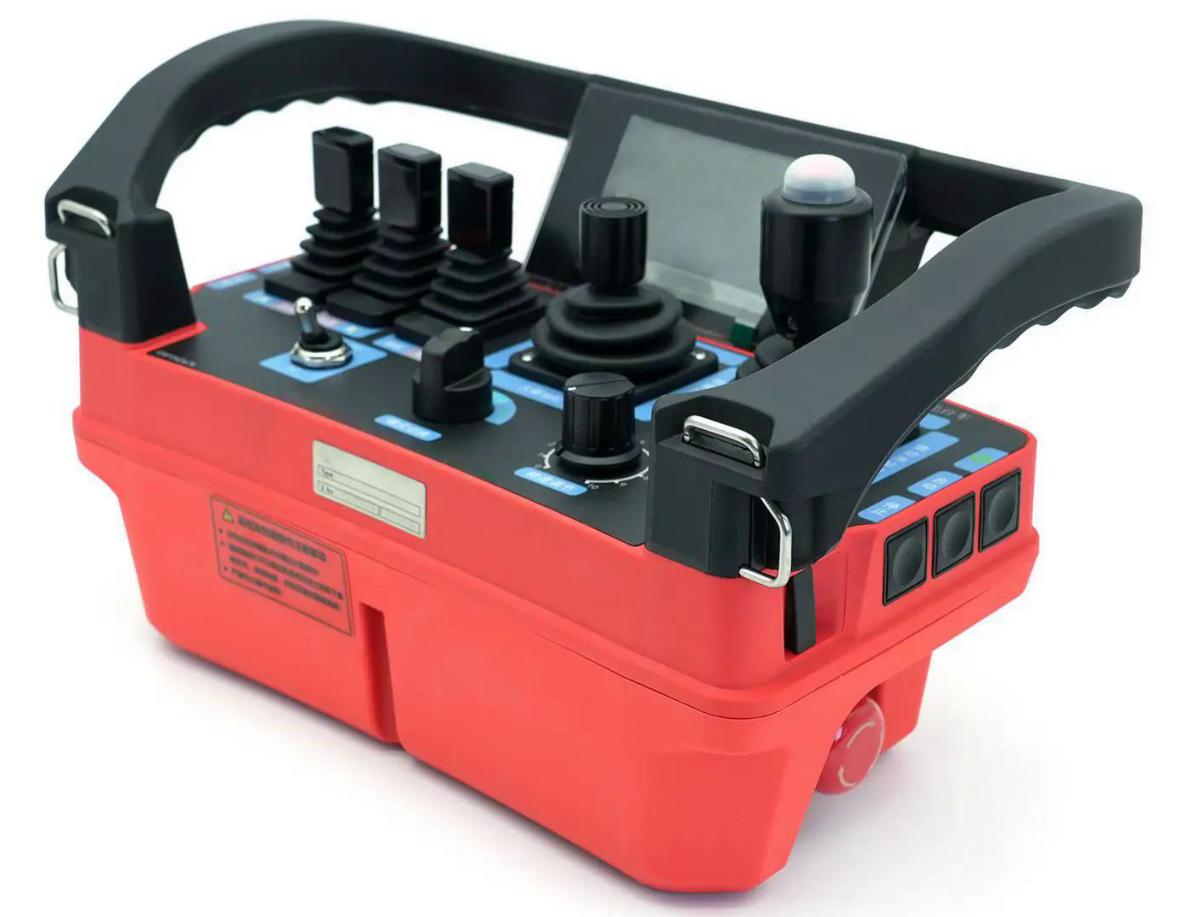
Automated construction equipment builders require control hardware that integrates seamlessly with proprietary vehicle networks. Off-the-shelf remote controls rarely accommodate the custom proportional joystick mapping or CAN-bus protocols required by specialized machinery. Tailored engineering partnerships are essential for heavy equipment original equipment manufacturers (OEMs).
Collaborating directly with an engineering specialist provides machine builders with comprehensive OEM and ODM support. Technical teams design custom transmitter layouts, private-label enclosures, and dedicated software protocols that match specific hydraulic circuits. This seamless integration ensures the finished machinery operates intuitively and reliably in the field.
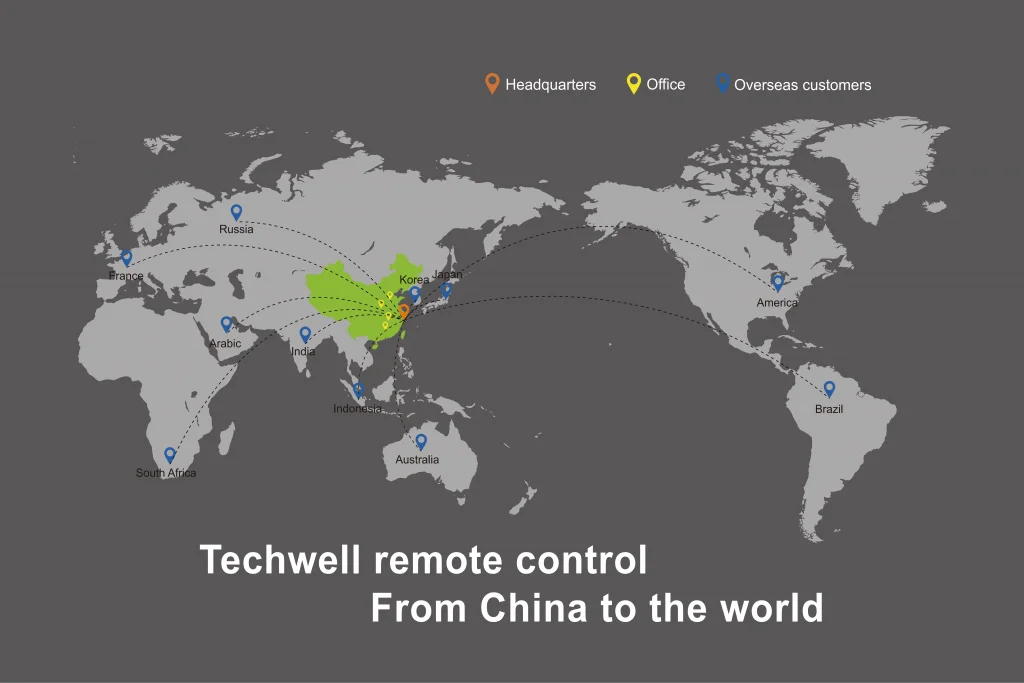
Integrating a specialized Techwell Remote Control system allows heavy equipment manufacturers to deliver superior value to B2B clients globally. Custom faceplates simplify operator training, while certified receiver electronics reduce warranty claims. This tailored engineering approach helps machinery builders strengthen their brand reputation in competitive global markets.
Building Resilient Automated Worksites
Construction automation continues to advance rapidly across global infrastructure projects. As heavy machinery becomes more capable, wireless interfaces provide the vital link connecting human operators with automated systems. Eliminating restrictive control cables empowers workers to choose the safest, most productive vantage points on every jobsite.
Investing in rugged wireless control systems protects construction personnel, reduces costly equipment downtime, and maximizes project efficiency. This modern technology elevates daily worksite productivity. By partnering with experienced engineering teams, construction equipment manufacturers can deliver the next generation of safe, connected, and highly automated machinery to the global building sector.