The industrial landscape is evolving rapidly, demanding higher efficiency and stricter safety standards. For decades, heavy machinery operators relied on traditional wired pendants or fixed cabin setups. While these methods provided basic functionality, they introduced significant physical limitations and safety risks. Today, untethered solutions are becoming a practical option for applications where greater operator mobility is required.
Partnering with a specialized industrial remote control manufacturer offers equipment builders a clear advantage. By integrating advanced radio technology, manufacturers can eliminate the constraints of wired systems. This transition provides operators with complete mobility, enabling them to work faster and safer across complex environments. Ultimately, wireless technology maximizes the true potential of modern heavy machinery.
The Limitations of Traditional Wired Interfaces
Operating heavy equipment via wired pendants restricts human movement significantly. Pendants tether operators within a few feet of massive, moving loads. This dangerous proximity increases the risk of severe workplace accidents during unexpected mechanical shifts. Furthermore, long cables easily tangle in crowded assembly bays, causing tripping hazards, unexpected operational downtime, and lost revenue.
Fixed cabin controls present their own set of critical challenges. Operators confined to high-altitude cabs often suffer from severe visual blind spots. They must rely constantly on two-way radio instructions or hand signals from ground crews. This reliance on secondary communication causes dangerous delays, especially when maneuvering multi-ton structural components in tight spaces.
Scenario 1: Safe Lifting in Steel Fabrication
Steel fabrication plants are highly congested environments. Overhead bridge cranes transport massive structural beams and molten metal across busy assembly floors. When operators use wired pendants, they are forced to walk uncomfortably close to these hazardous loads. If a sudden load shift occurs, the operator has very little time to react and escape.
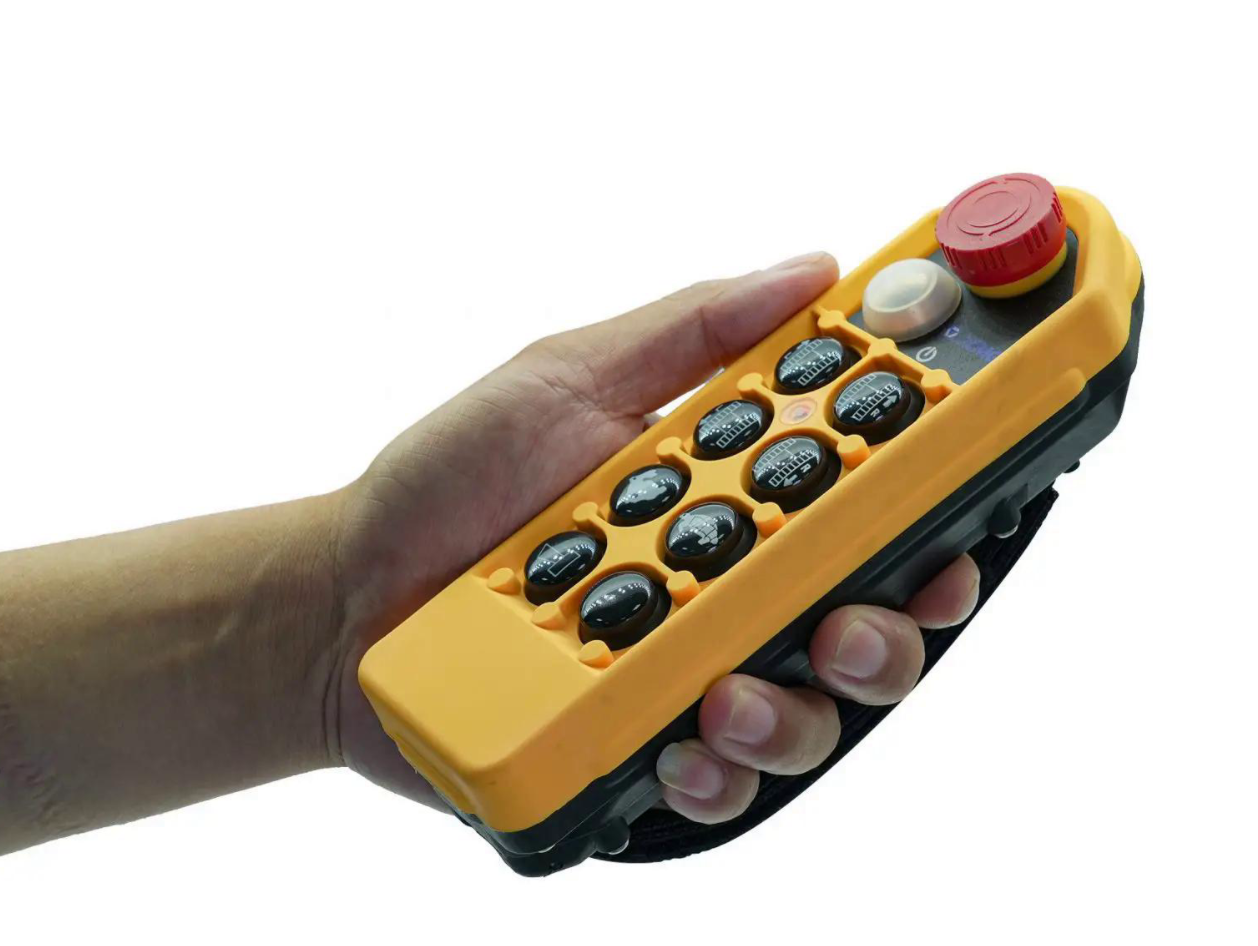
Upgrading to industrial wireless remote controls completely transforms this high-risk scenario. With an untethered handheld transmitter, the crane operator can step back to a highly secure vantage point. This mobility provides an unobstructed view of the entire travel path. The operator can visually ensure the trailing end of a steel beam clears obstacles.
This direct line of sight can reduce reliance on additional verbal guidance during suitable lifting operations. The operator can control hoisting speeds and trolley movements with absolute precision. By removing the physical tether, steel mills instantly reduce collision risks. Daily material handling becomes remarkably smoother, safer, and far more efficient.
Scenario 2: Precision Concrete Pumping Operations
Multi-story construction projects rely on heavy concrete boom pumps. Delivering wet concrete accurately requires continuous coordination between the vehicle engine, hydraulic pumps, and the placing boom. In traditional setups, the pump operator remains at the truck chassis. This can limit the operator’s direct visibility of the actual pour location on upper decks.
To compensate for this blind spot, the operator must depend on continuous verbal guidance from the placement crew. This indirect communication often leads to delayed responses. Sudden hose blockages or formwork overflow require instant hydraulic adjustments. Verbal warnings frequently arrive too late, resulting in costly material waste or dangerous structural damage.
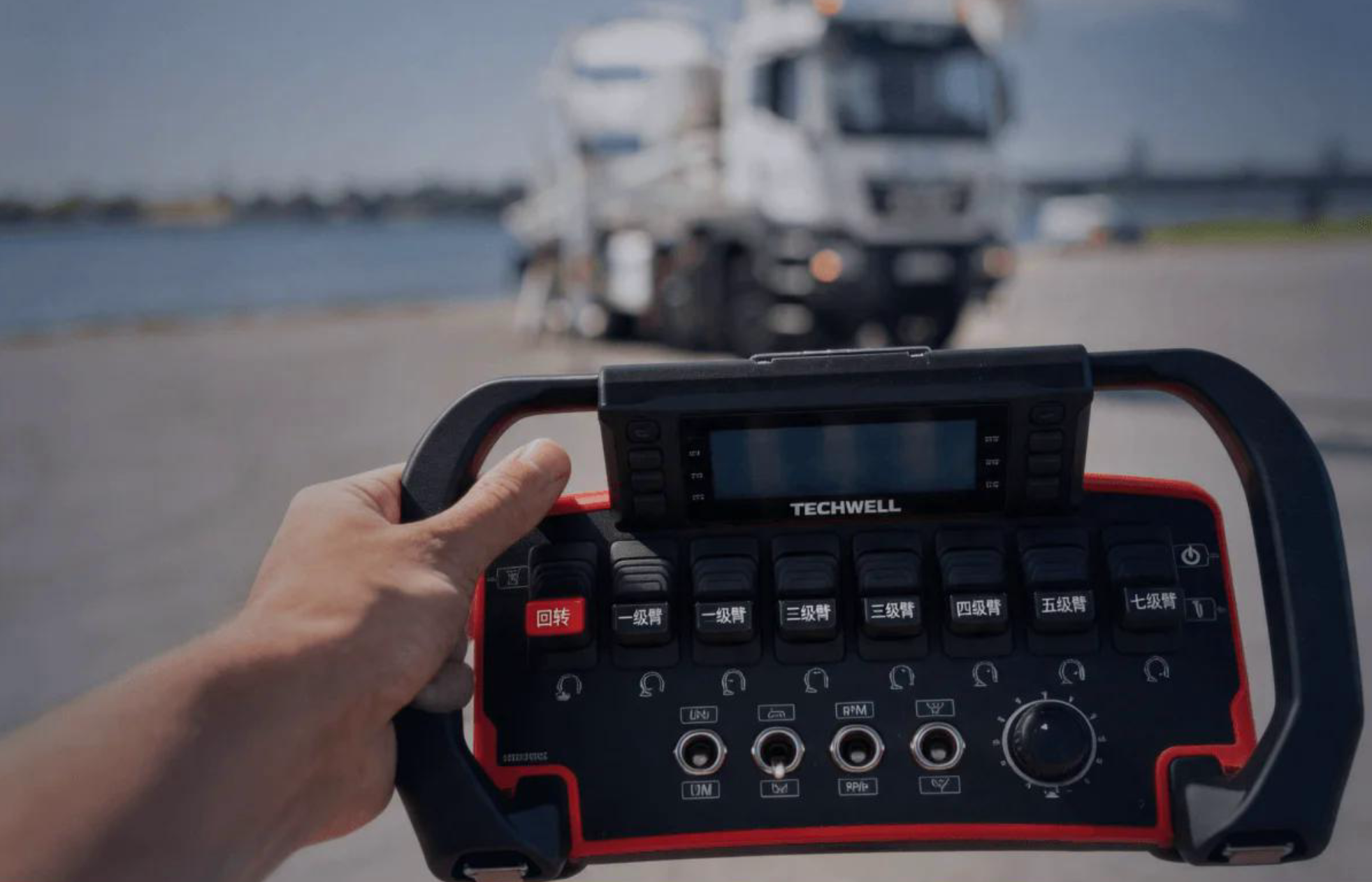
Equipping the operator with a wireless belly-pack controller solves this coordination challenge. The operator can stand directly next to the placement crew on the active slab. From this optimal position, they manage boom extension and pumping volume simultaneously. Being right at the active pour point prevents over-pouring and minimizes hazardous hose whipping.
Scenario 3: Earthmoving and Mining Machinery
Earthmoving and mining environments present harsh physical hazards. Equipment like mobile crushers and hydraulic excavators operate on unstable ground. Placing operators inside vibrating cabs exposes them to constant noise, dust, and potential rollover risks. Monitoring fragile trench walls or complex grading sequences from inside a cabin severely limits vital situational awareness.
Deploying a wireless interface can allow an equipment supervisor to monitor or control supported machine functions from outside the cab. Standing safely on stable ground provides a clear view of soil stability and buried utilities. If an unexpected obstacle appears, the operator can halt the excavation instantly. This proactive oversight effectively prevents dangerous trench cave-ins, protecting valuable capital investments.
Core Specifications for Extreme Industrial Environments
Industrial worksites expose control hardware to punishing physical conditions. Heavy equipment operations generate continuous mechanical vibration and abrasive airborne dust. Standard commercial-grade devices quickly fail in these exceptionally demanding environments. To ensure continuous operation, heavy machinery requires purpose-built hardware engineered to survive brutal, daily industrial use.
Professional transmitters and receivers feature heavy-duty reinforced housings. These rugged enclosures are built to certified IP65 protection standards . This comprehensive sealing completely prevents water ingress from driving rain. It also protects delicate internal electronics from abrasive silica dust and corrosive chemical vapors commonly found on heavy jobsites worldwide.
Functional safety architecture remains equally crucial for heavy equipment. Certified systems incorporate dedicated emergency stop pushbuttons and dual-microprocessor safety circuits [1]. If persistent radio interference occurs, the receiver automatically executes a failsafe machine shutdown within milliseconds . This automated safety protocol protects workers from uncontrolled and erratic machinery movements.
Tailored OEM Solutions with Techwell Remote Control
Every category of heavy machinery features entirely unique operational parameters. Off-the-shelf control units rarely provide the specialized switch layouts or proprietary CAN-bus protocols demanded by machine builders. Standardized remotes simply cannot accommodate the complex hydraulic circuits of modern multi-function equipment. Tailored engineering partnerships are essential for seamless electrical integration.
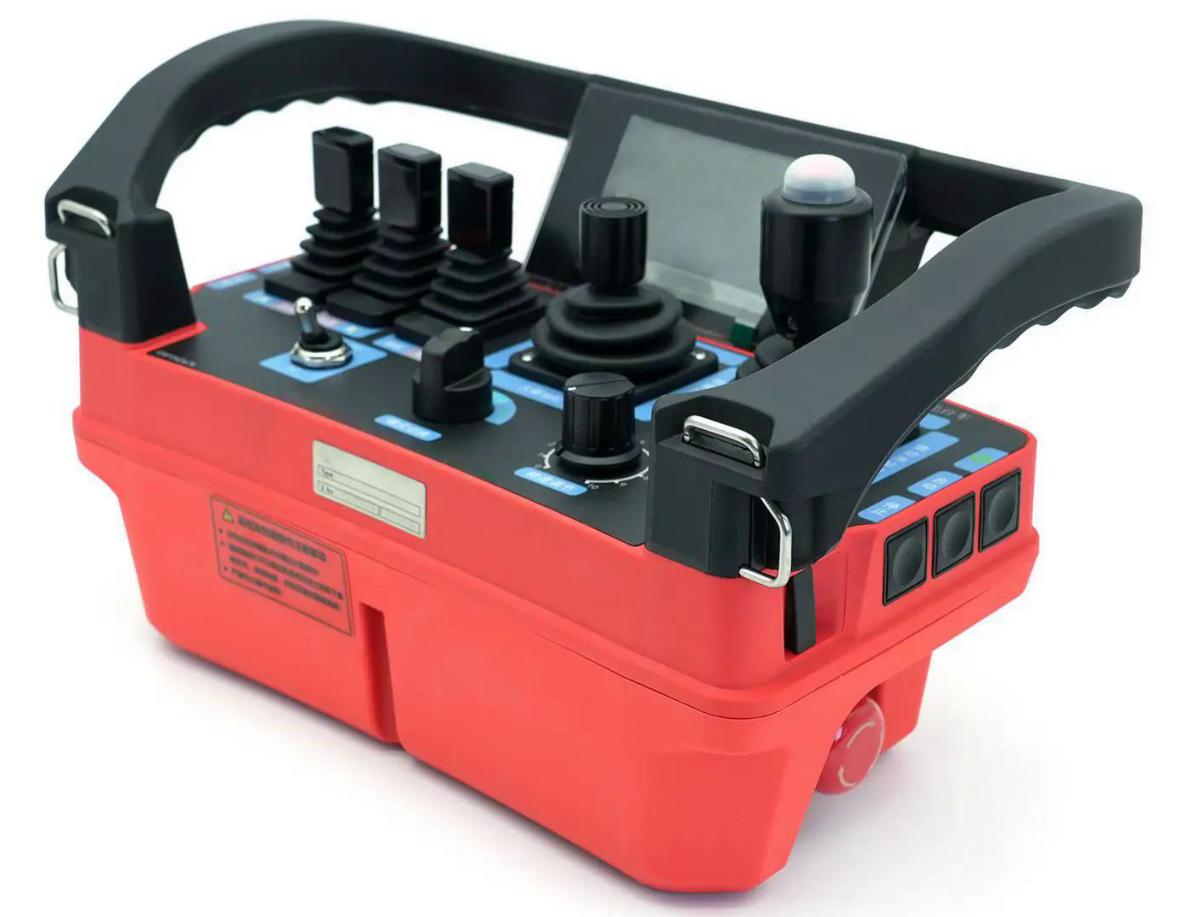
Collaborating with specialized engineers provides B2B equipment builders with comprehensive OEM and ODM support. Dedicated technical teams design custom transmitter faceplates, specialized ergonomic enclosures, and application-specific software mapping for specialized operations . This collaborative development ensures the resulting control system integrates flawlessly with the heavy machine’s unique electrical and hydraulic architecture.
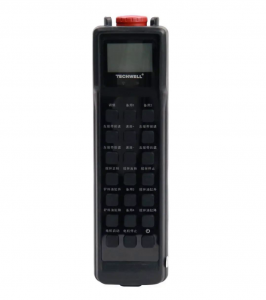
Integrating a premium Techwell Remote Control system elevates brand value . Equipment manufacturers can offer highly competitive, turnkey products to international markets. This customized approach provides intuitive ergonomics and dependable wireless performance. It delivers exceptional long-term utility, ensuring your machinery stands out in a crowded and competitive global market environment.
Driving Industrial Efficiency Forward
Transitioning from traditional wired methods to advanced wireless technology is a strategic investment that yields long-term dividends. Eliminating restrictive cables empowers operators to choose the safest, most productive vantage points. By adopting customized, rugged wireless interfaces, industrial enterprises successfully protect their workforce while building a faster, smarter, and far more profitable operational future.