The heavy equipment industry stands at the edge of a major technological leap. Automation, complex data analytics, and smart machine integration are transforming infrastructure projects. As heavy machinery becomes increasingly sophisticated, physical interfaces used by human operators must evolve simultaneously. Traditional tethered cabins and rigid wired pendants simply cannot keep pace with the dynamic demands of modern industrial worksites worldwide.
To fully harness the immense power of next-generation machinery, heavy equipment builders require untethered, highly adaptable communication interfaces. Collaborating with a forward-thinking industrial remote control manufacturer provides equipment designers with the specialized hardware necessary to bridge this gap. By embracing advanced radio technology, manufacturers successfully unlock unprecedented mobility, precision, and safety for human operators, ensuring peak operational performance.

Driving Efficiency with Advanced Wireless Technology
The future of heavy machinery relies on seamless human-machine collaboration. As equipment takes on more complex tasks, operators desperately need intuitive tools to manage advanced functions safely. Wireless technology removes restrictive physical barriers, allowing skilled workers to oversee supported machine functions from suitable operating positions on the job site. This mobility drastically reduces the likelihood of costly errors.
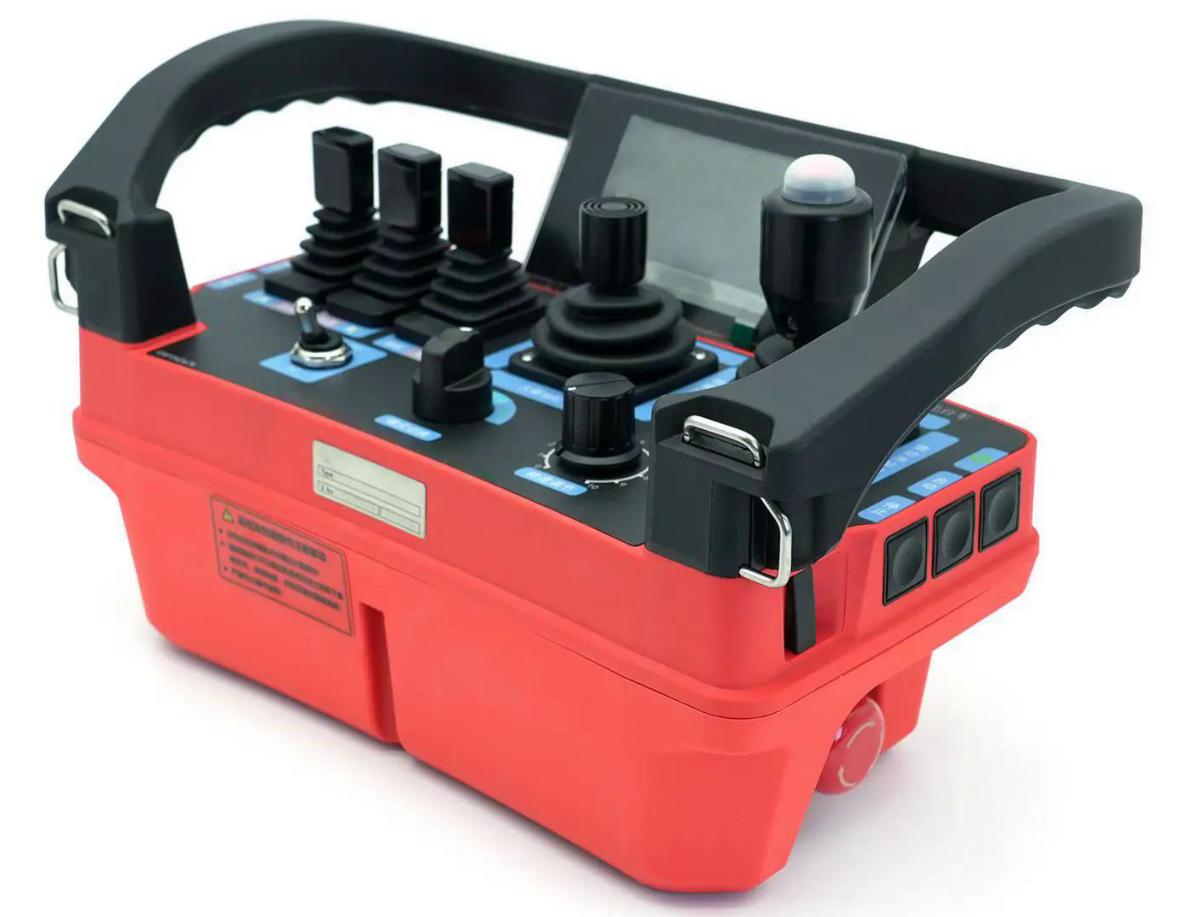
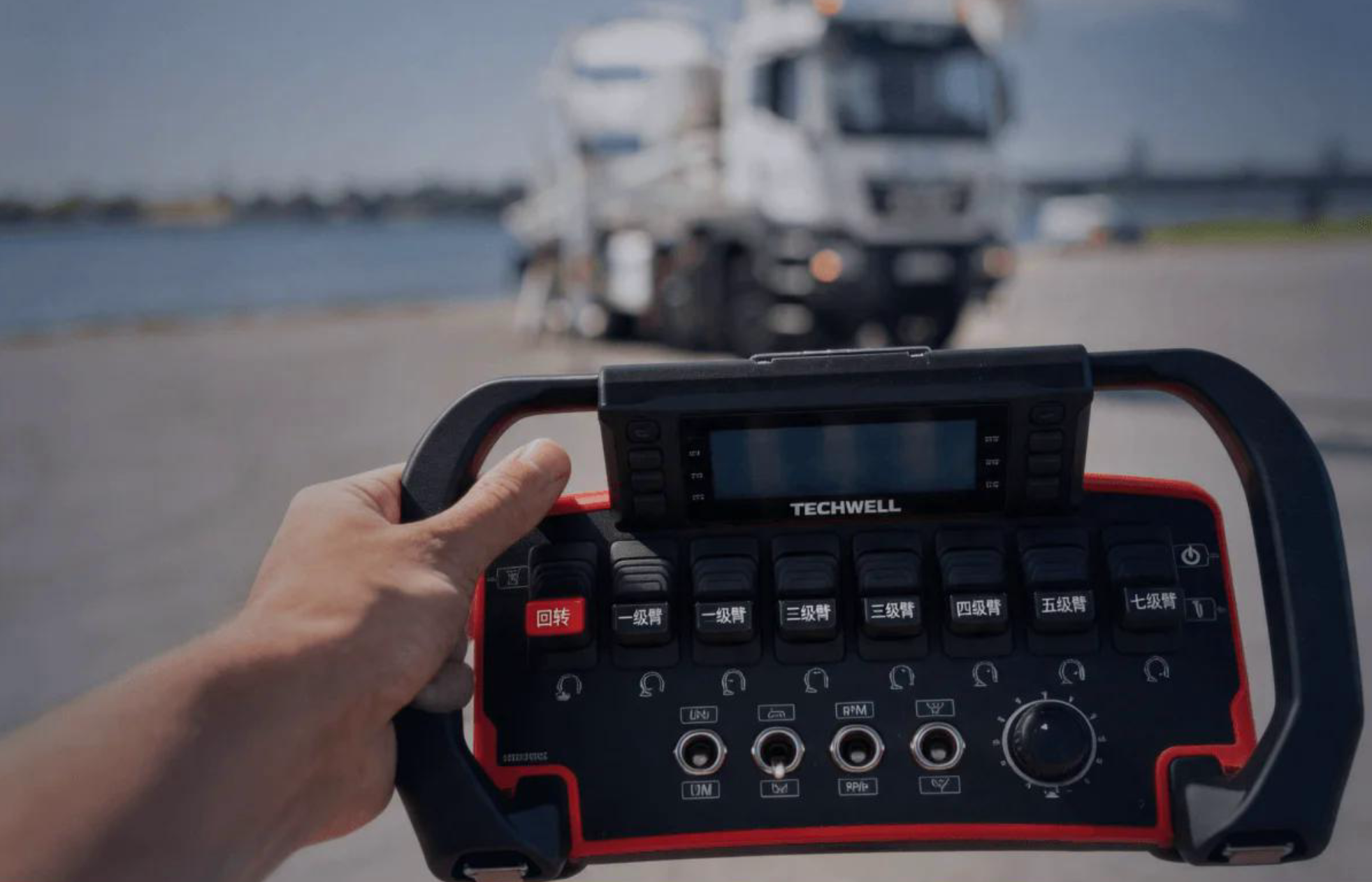
Modern transmitters do far more than just send basic directional commands. They act as highly sophisticated, bidirectional data hubs. These advanced transmitters can display real-time machine telemetry, including exact load weights, active engine diagnostics, and critical hydraulic pressure levels.
This real-time data stream empowers operators to make critical decisions that prevent mechanical failures and optimize daily material output.
Scenario 1: Smart Port Terminals and Automated Logistics
Global shipping ports are transitioning rapidly toward fully automated container handling to meet escalating supply chain demands. In these high-volume environments, ship-to-shore cranes and automated guided vehicles must operate in a coordinated manner. Wired control stations severely limit operator visibility, creating dangerous visual blind spots. These blind spots frequently lead to catastrophic container collisions and highly costly terminal logistics delays.
By utilizing advanced, untethered control systems, port operators gain the freedom to move easily along the busy quay. They can visually confirm critical twist-lock engagements and tight container clearances directly from ground level. This enhanced mobility ensures millimeter precision during high-speed loading cycles. It accelerates vessel turnaround times while dramatically reducing the risk of infrastructure damage in crowded maritime terminals and logistics hubs.
Scenario 2: Next-Generation Mining and Deep Extraction
Mining operations consistently present some of the most dangerous working conditions in the heavy industry sector. Expanding deep-shaft mines and remote open-pit quarries require massive excavators, automated rock crushers, and continuous miners. Keeping vulnerable human workers safely away from unstable rock faces, toxic dust plumes, and extreme machinery vibration remains a non-negotiable priority for major mining corporations operating globally.
Implementing advanced industrial wireless remote controls allows mining crews to operate heavy extraction equipment from highly secure, elevated standoff zones. Operators can closely monitor automated drilling sequences and crusher feed rates without entering the immediate danger area. This vital spatial separation guarantees worker safety while simultaneously maintaining the high-volume material extraction rates required for long-term profitability and sustained global operational growth.
Core Specifications for Severe Industrial Environments
As heavy equipment deploys into increasingly unforgiving environments, the control hardware must withstand punishing physical abuse daily. Standard commercial-grade electronic devices quickly succumb to moisture, heavy vibration, and abrasive dust. Future-ready machinery absolutely demands purpose-built industrial hardware engineered specifically to survive the brutal realities of global construction, deep underground mining, highly corrosive saltwater maritime applications, and extreme weather events.
Premium transmitters and receivers feature heavy-duty reinforced composite enclosures built to strict IP65 protection standards. This enclosure rating provides protection against dust and water exposure under the conditions specified by the applicable IP standard. Additionally, specialized internal shock-absorbing mountings protect delicate printed circuit boards from the intense, continuous engine vibration generated by massive industrial machinery during peak operating hours.
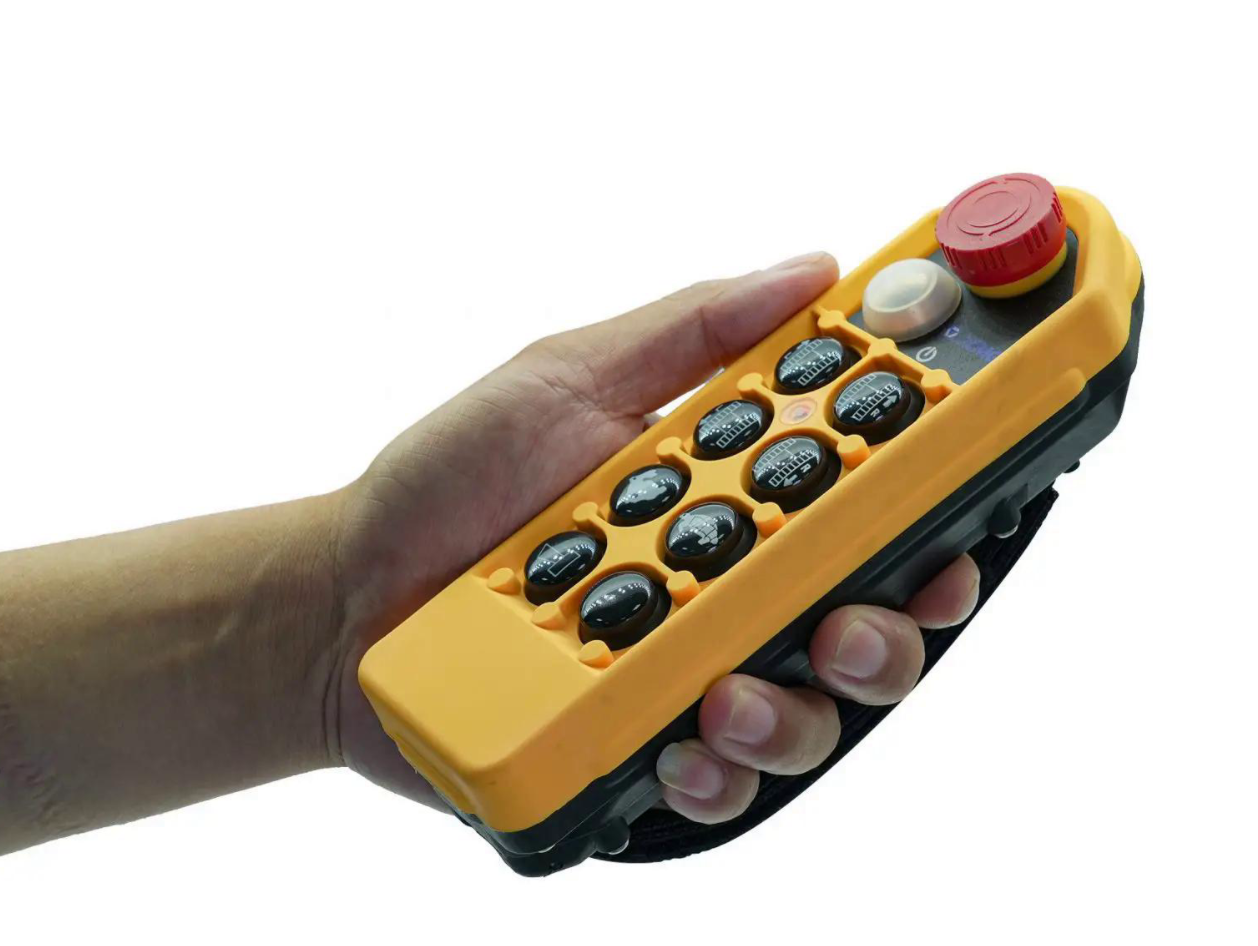
Functional safety architecture remains a critical requirement for next-generation equipment. Certified control systems incorporate dedicated emergency stop pushbuttons and redundant dual-microprocessor safety circuits. If persistent radio interference occurs or a signal drops, the receiver automatically executes a failsafe machine shutdown within mere milliseconds. This highly responsive, automated protocol successfully protects workers from uncontrolled, erratic machinery movements on crowded sites.
The Importance of Custom OEM and ODM Solutions
Every category of future heavy machinery features unique hydraulic circuits and extremely specific operational parameters. Standard off-the-shelf control units rarely provide the specialized switch layouts or proprietary CAN-bus communication protocols demanded by original equipment manufacturers. To achieve truly seamless machine integration, heavy equipment builders require customized engineering partnerships that cater specifically to their specialized mechanical designs and unique performance goals.
Collaborating directly with specialized engineers provides B2B equipment builders with comprehensive OEM and ODM support. Dedicated technical teams design custom transmitter faceplates, specialized ergonomic enclosures, and application-specific software mapping from the ground up. This close collaborative development can help configure the control system to meet the machine’s electrical and operational integration requirements and support responsive, reliable field operation.
This customized approach ensures intuitive operator ergonomics and highly dependable wireless performance. It delivers exceptional long-term utility and tremendous financial value to industrial end-users globally. Equipment builders who prioritize this level of customization establish themselves as true industry leaders.
Advancing the Future of Heavy Equipment
The transition to intelligent, untethered machinery represents a permanent shift in industrial operations. As equipment capabilities expand, maintaining an intuitive and safe connection between the human operator and the machine is absolutely paramount. B2B enterprises that adopt customized, highly durable wireless solutions successfully protect their invaluable workforce from life-threatening physical hazards while vastly improving overall site efficiency.
Integrating a meticulously tailored Techwell Remote Control system elevates the overall brand value and market appeal of heavy machinery. Equipment manufacturers can confidently offer highly competitive, turnkey products to demanding international markets. Investing in dependable industrial technology ensures your manufactured machinery remains adaptable, safe, and entirely ready to meet the rigorous demands of tomorrow’s industrial worksites.