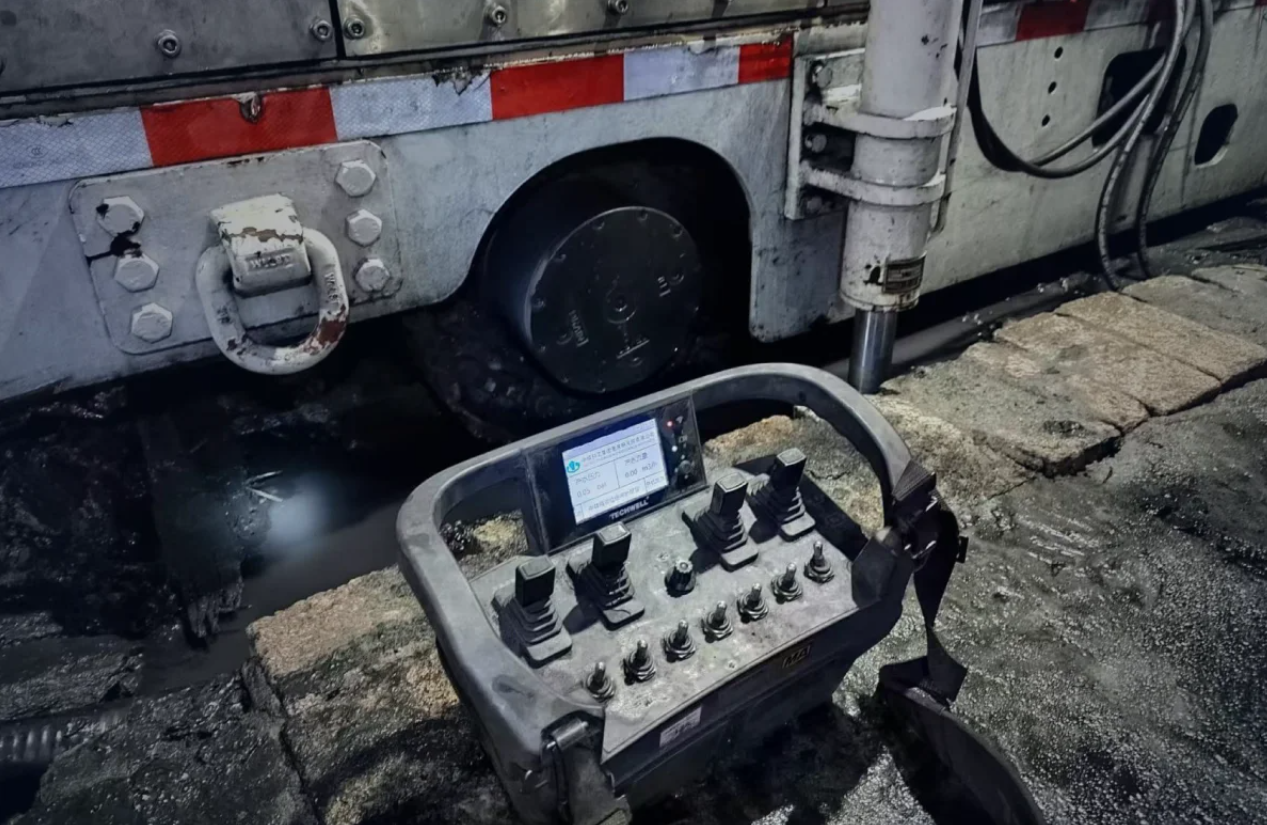
Industrial equipment often operates in challenging environments where operators need flexible control methods and safer working arrangements. Cranes, mining machines, and construction equipment may work in areas with limited access, complex layouts, or changing site conditions. Wireless control technology provides a practical approach for equipment manufacturers that need to improve operation flexibility.
For OEMs, system integrators, and industrial equipment suppliers, selecting a suitable receiver is an important part of equipment design. Control stability, communication methods, and compatibility with machine systems all influence the final application result. Understanding receiver functions helps businesses make clearer decisions during equipment development and integration.
Understanding the Role of Industrial Receivers in Heavy Equipment
Receivers are important components in wireless control systems because they receive signals from transmitters and communicate with machine control systems. In industrial applications, they need to support stable operation and match different equipment requirements.
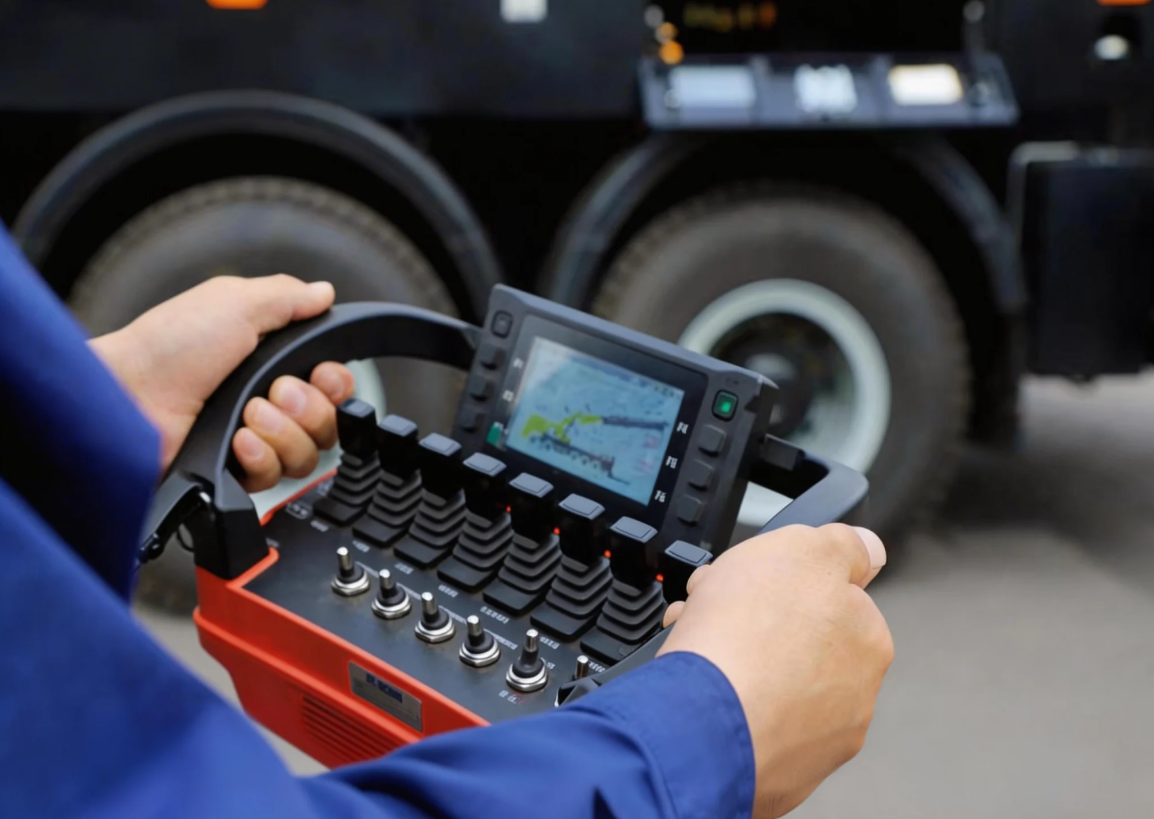
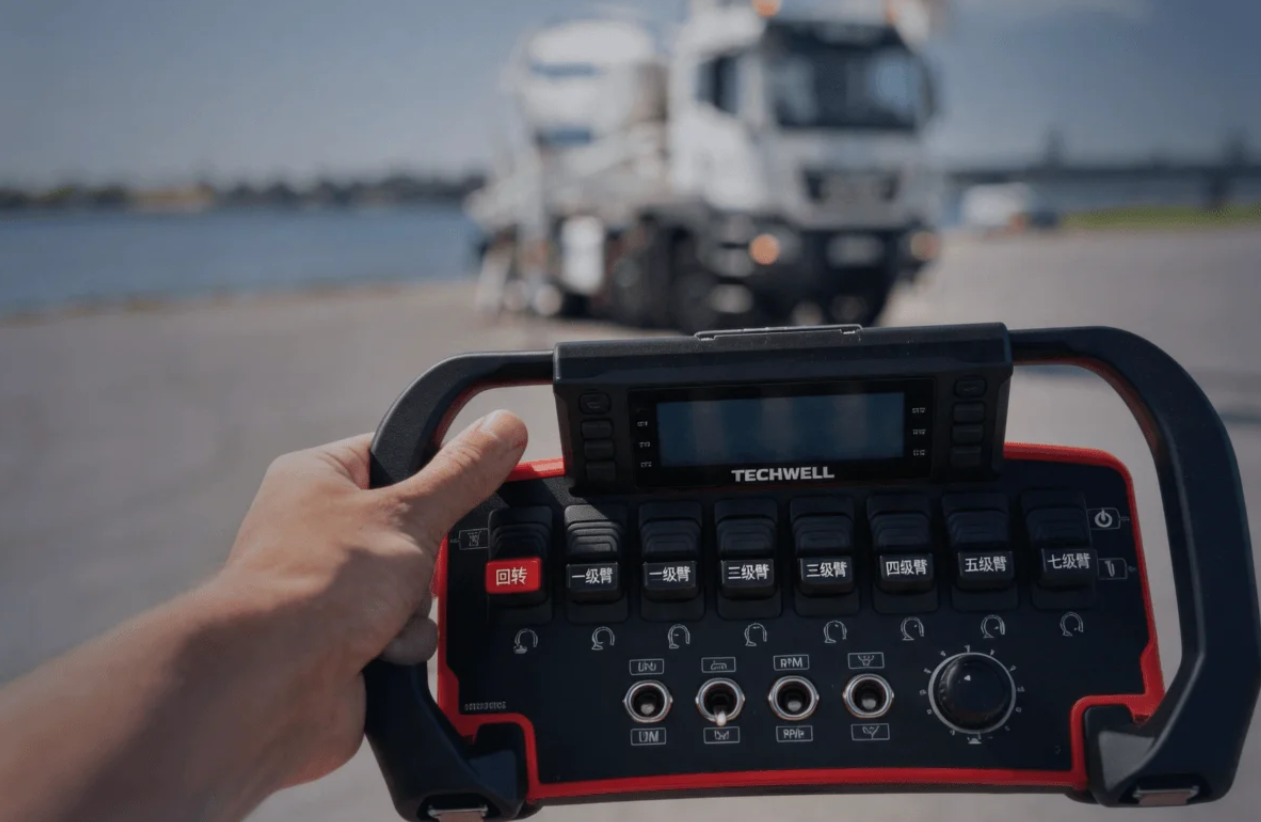
For cranes, receivers help connect remote commands with lifting systems. Operators can manage equipment functions from a suitable position while maintaining awareness of the working environment. The receiver design needs to match the control logic and electrical structure of the equipment.
In open-pit mines, control equipment may face dust, changing weather conditions, and large operating areas. Above-ground processing facilities have different requirements related to machinery layouts and electrical connections. When selecting industrial remote control receivers, equipment manufacturers should check enclosure protection, communication coverage, and system compatibility for each location. Underground mining areas with explosion hazards require specially certified explosion-proof equipment. Dust-resistant industrial receivers should not be considered suitable for hazardous mining zones without the required certification.
Construction equipment also has different requirements based on machine types and working conditions. Excavators, loaders, and other machinery may require flexible configuration options to connect with existing control systems. A suitable receiver solution helps manufacturers develop equipment with practical remote operation functions.
Evaluating Communication and Integration Requirements
Communication compatibility is a key consideration for industrial equipment projects. Different machines may use different control architectures, so receivers need to support suitable connection methods for system integration.
Interface selection should begin with the machine’s control requirements. Simple on/off functions may use relay contacts or digital outputs, while proportional valve control requires compatible signals, such as voltage, current, or PWM, depending on the valve driver. Ethernet or serial communication can support data exchange with a PLC or machine controller, but cannot directly replace the required actuator control signals. Engineers should verify signal types, output specifications, and control logic against the equipment’s electrical drawings.
An industrial radio receiver should be selected according to the machine’s control requirements and electrical interface. For example, simple start and stop functions may use relay outputs, while proportional valve control requires signals compatible with the valve driver. Engineers should verify output types, voltage and current requirements, and control logic against the equipment’s electrical drawings before confirming the receiver configuration.
Configuration flexibility is also important for OEM projects. Engineers may need to adjust settings according to different machine models or application requirements. Receivers with practical configuration options can simplify the development process and support different equipment platforms.
How MLA20 Supports Industrial Equipment Applications
When developing wireless control solutions, we focus on practical requirements from industrial equipment manufacturers and system partners. Our solutions are designed for applications where communication reliability, integration flexibility, and operational needs need to be considered together.
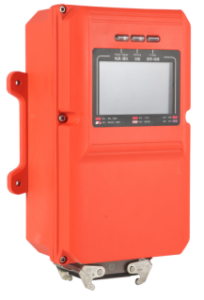
The MLA20 is an industrial remote control receiver designed for integration with different machine control systems. Available interfaces may include PROFIBUS DP and industrial Ethernet options such as PROFINET, EtherNet/IP, and Modbus TCP, depending on the configuration. Engineers should confirm the required communication protocol and interface compatibility with the equipment’s control system before selecting a receiver.
Depending on the selected configuration, the MLA20 may support Digital I/O, PWM, or serial communication interfaces for different equipment control requirements. Its on-screen menu allows technicians to review and adjust permitted settings during installation or maintenance. Available interfaces and adjustable parameters must be confirmed for the specific model configuration. Safety-related functions and factory-defined interlocks should not be changed without proper authorization and verification.
As an industrial control solution provider, Techwell Remote Control works with partners that need OEM and ODM support for different equipment applications. We focus on understanding project requirements and providing suitable control components for industrial environments.
Selecting a Receiver Supplier for Long-Term Cooperation
When sourcing a radio receiver for radio remote control, buyers should request a list of supported communication protocols, an I/O assignment table, and electrical wiring diagrams. These documents should identify the available interfaces and show how receiver outputs correspond to specific machine control functions.
Suppliers should also provide relevant parameter files and configuration instructions. Engineers can use these materials to check signal types, wiring connections, and permitted settings against the equipment’s electrical drawings. For customized projects, the final configuration should be documented before installation.
Commissioning records and applicable certificates are also important. Buyers should request test records covering communication, output functions, and required interlocks. Certificates should match the specific receiver model and intended operating environment, providing a reference for technical acceptance and future maintenance.
Building Practical Wireless Control Solutions for Industry
Receiver selection should be based on verified interface compatibility, control functions, and operating conditions. For a more detailed technical evaluation, contact Techwell Remote Control to request model-specific protocol lists, I/O assignment tables, wiring diagrams, and available commissioning documentation before confirming your receiver configuration.