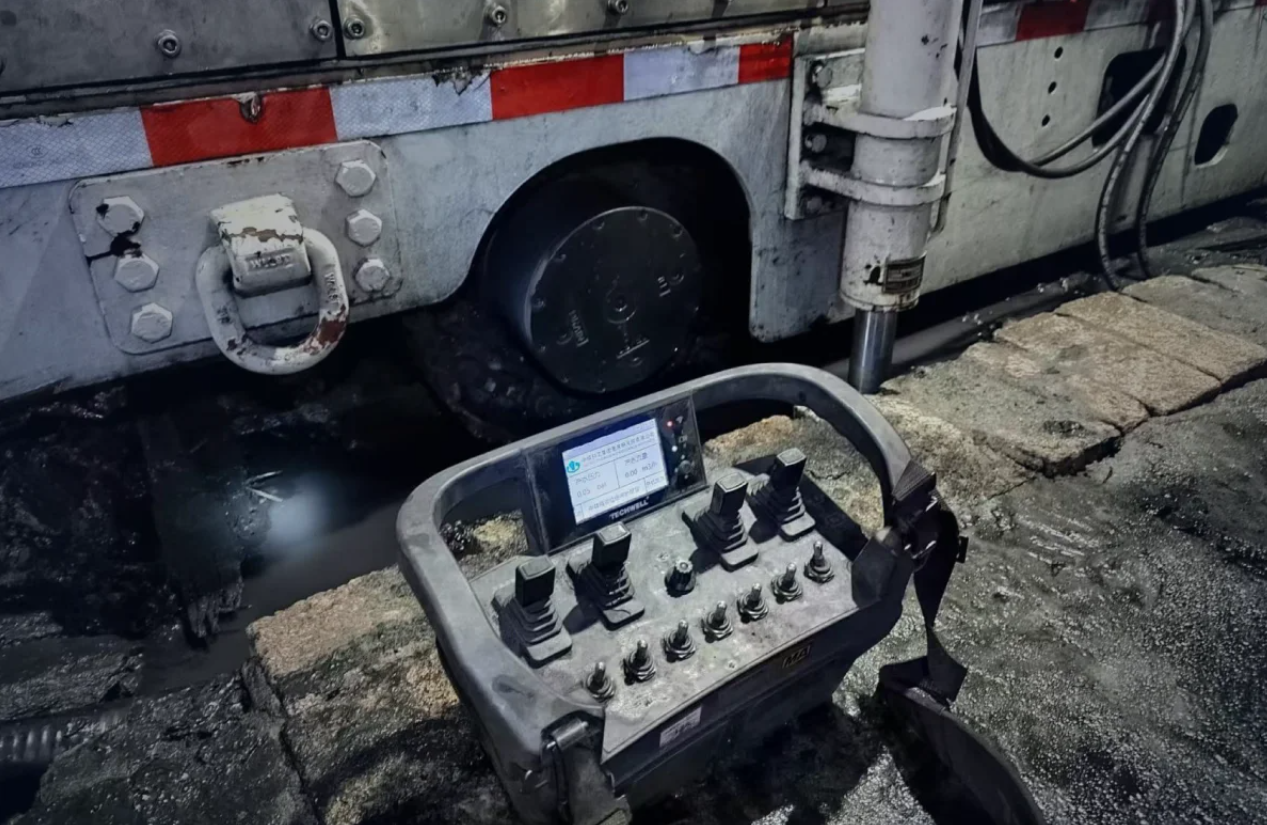
Outdoor machinery often works in changing environments where dust, moisture, temperature changes, and signal conditions can affect control performance. For equipment manufacturers, selecting a suitable receiver is an important part of system design. Protection level, communication method, and output requirements should match the working conditions of the machine.
We focus on helping industrial partners understand receiver selection from a practical perspective. This article explains how outdoor applications influence receiver protection choices and how different features support reliable machine operation.
Understanding Outdoor Control Requirements
Outdoor machines are used in construction sites, ports, agriculture, and other industrial areas. These environments may expose control components to rain, dust, vibration, and electromagnetic interference. A receiver designed for these conditions needs suitable protection and stable communication performance.
When we evaluate control solutions, we consider the relationship between the machine structure and the operating environment. A receiver used on a construction vehicle may require different protection compared with equipment working in a covered factory area.
For OEM customers, receiver selection is not only about adding wireless functions. The control system should match the machine’s electrical design, operating process, and maintenance requirements. This approach helps manufacturers create practical solutions for different applications.
Evaluating Protection Levels for Industrial Equipment
Both IP65 and IP66 indicate a dust-tight enclosure, but they differ in the severity of the water-jet test. IP65 covers protection against water jets, while IP66 requires protection against more powerful water jets. The BES08 has passed IP66 testing, during which the tested samples showed no dust or water ingress after the specified dust and water-spray procedures. However, IP66 does not demonstrate protection against immersion, condensation, salt spray, oil exposure, corrosion, or mechanical impact. These conditions require separate test methods and supporting certificates. Buyers should therefore review the relevant reports for the actual installation environment instead of treating the IP66 rating as evidence of protection against every industrial hazard.
Many equipment manufacturers review industrial remote control receivers for their machines. The selected rating should be based on actual working conditions rather than only product specifications. Dusty areas, humid locations, and open construction environments may require different considerations.
For projects that need additional enclosure protection, buyers may review options such as an IP65-rated industrial radio receiver. This type of protection level is commonly considered for equipment exposed to dust and water from outdoor operation.
The choice of protection level can also influence maintenance planning. A receiver with suitable protection helps reduce concerns related to environmental exposure during equipment operation. However, manufacturers still need to consider installation position, wiring methods, and regular inspection schedules when designing complete machine systems.
Considering Communication Stability in Open Environments
Wireless communication quality directly influences how operators control machinery. Outdoor areas may include metal structures, electrical equipment, or other signal sources that create interference. A suitable receiver design needs to maintain stable communication within the intended operating range.
We pay attention to communication technology when discussing receiver solutions with industrial partners. Factors such as frequency selection, anti-interference design, and system compatibility can affect the overall control experience.
For applications requiring reliable wireless links, industrial remote control receivers should be evaluated together with the transmitter and machine system. A complete review helps manufacturers understand whether the control solution matches their equipment requirements.
Introducing MMK00 for Basic Industrial Applications
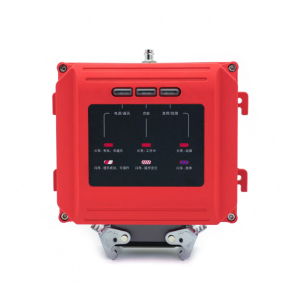
For standard industrial projects, we provide the MMK00 as one receiver option for basic wireless control needs. This model is designed as a radio remote control the MMK00 receiver with On/Off relay output. It uses UHF radio frequency communication and includes anti-interference design features.
The MMK00 uses relay On/Off outputs to provide discrete control signals. These outputs switch between two states, allowing connected control circuits to respond to commands such as start, stop, or direction selection, depending on the machine configuration. This makes the receiver suitable for basic switching applications where proportional speed control is not required. Equipment manufacturers should confirm the relay contact ratings, wiring requirements, and control logic before integration.
When customers review a radio receiver for radio remote control IP65, they usually consider protection, communication, and application requirements together. The MMK00 represents one approach for projects that need basic relay control and UHF communication in industrial environments.
What Should Be Checked When Installing an Outdoor Receiver?
Outdoor receiver installation requires more than selecting an IP65 or IP66 enclosure. Equipment manufacturers should check the mounting position, cable connections, and sealing conditions to maintain protection during operation.
- Installation Position: Mount the receiver away from areas where water may accumulate or equipment movement could cause damage. Keep sufficient space for cable routing and maintenance access.
- Cable Entries: Use cable glands that match the cable diameter and required protection rating. Seal unused openings and arrange cables to prevent water from running directly into the enclosure.
- Connectors and Seals: Check that connectors are properly secured and suitable for the expected exposure. Inspect enclosure gaskets and cable entry seals for gaps, damage, or incorrect installation.
- Routine Maintenance: Inspect cable connections, fasteners, and seals periodically. Replace damaged sealing components and check for signs of moisture inside the enclosure.
The enclosure’s IP rating alone does not confirm the protection level of the completed installation. Cable entries, connectors, and sealing methods must also be suitable for the operating environment.
Choosing the Right Protection Level for Outdoor Receivers
IP65 can be considered for outdoor installations exposed to dust, rain, and water jets, while IP66 provides greater protection against powerful water jets. The choice should depend on actual water exposure, installation position, and sealing conditions. The MMK00 supports basic relay On/Off control, but its suitability for outdoor use depends on the protection rating confirmed in the specific model documentation.
For equipment manufacturers planning outdoor installations, Techwell Remote Control can provide product information for technical review. Contact us to request the MMK00 product manual and confirm its protection rating, electrical specifications, and installation requirements before selecting a receiver.