Modern industrial facilities operate as incredibly dense electromagnetic ecosystems. High-power electric motors, automated arc welding stations, and high-voltage transformers constantly emit unseen electrical noise. Simultaneously, complex factory automation networks and telemetry sensors share limited wireless frequencies. Maintaining highly reliable wireless communication between heavy machinery and human operators is essential for daily safety.
Unmanaged signal interference easily causes packet loss or emergency stops. This immediately halts production lines and creates severe safety hazards for nearby workers. To prevent these costly downtimes, plant managers must deploy specialized communication systems. Partnering with a dedicated industrial remote control manufacturer ensures that control systems feature robust anti-interference architecture.
Understanding Electromagnetic Interference Risks
Electromagnetic interference originates from both radiated and conducted electrical energy sources. In heavy industrial settings, the high-frequency noise generated by switching power supplies can heavily disrupt standard commercial wireless links. When unshielded equipment operates nearby, the resulting electronic smog compromises basic radio communication protocols rapidly.
Furthermore, dense metallic warehouse racks and massive structural steel beams cause multipath radio reflections. These metal surfaces scatter radio signals in unpredictable directions. This multipath effect distorts incoming radio waves and creates challenging dead zones across active industrial production areas where machines must operate continuously.
Commercial transmitters that broadcast on fixed static channels simply cannot handle this dense noise. In contrast, heavy-duty systems utilize narrow-band transmission paired with active filtering circuits. These internal features actively filter out ambient electromagnetic noise, ensuring every critical command signal reaches the machine receiver instantly.
Overcoming Noise with Industrial Wireless Radio Remote Controls
Steel fabrication plants present some of the most aggressive electromagnetic challenges in modern manufacturing. Continuous high-current arc welding generates massive bursts of broadband electromagnetic noise. Overhead cranes moving heavy steel girders or molten metal ladles require stable and responsive control communication in these demanding environments.
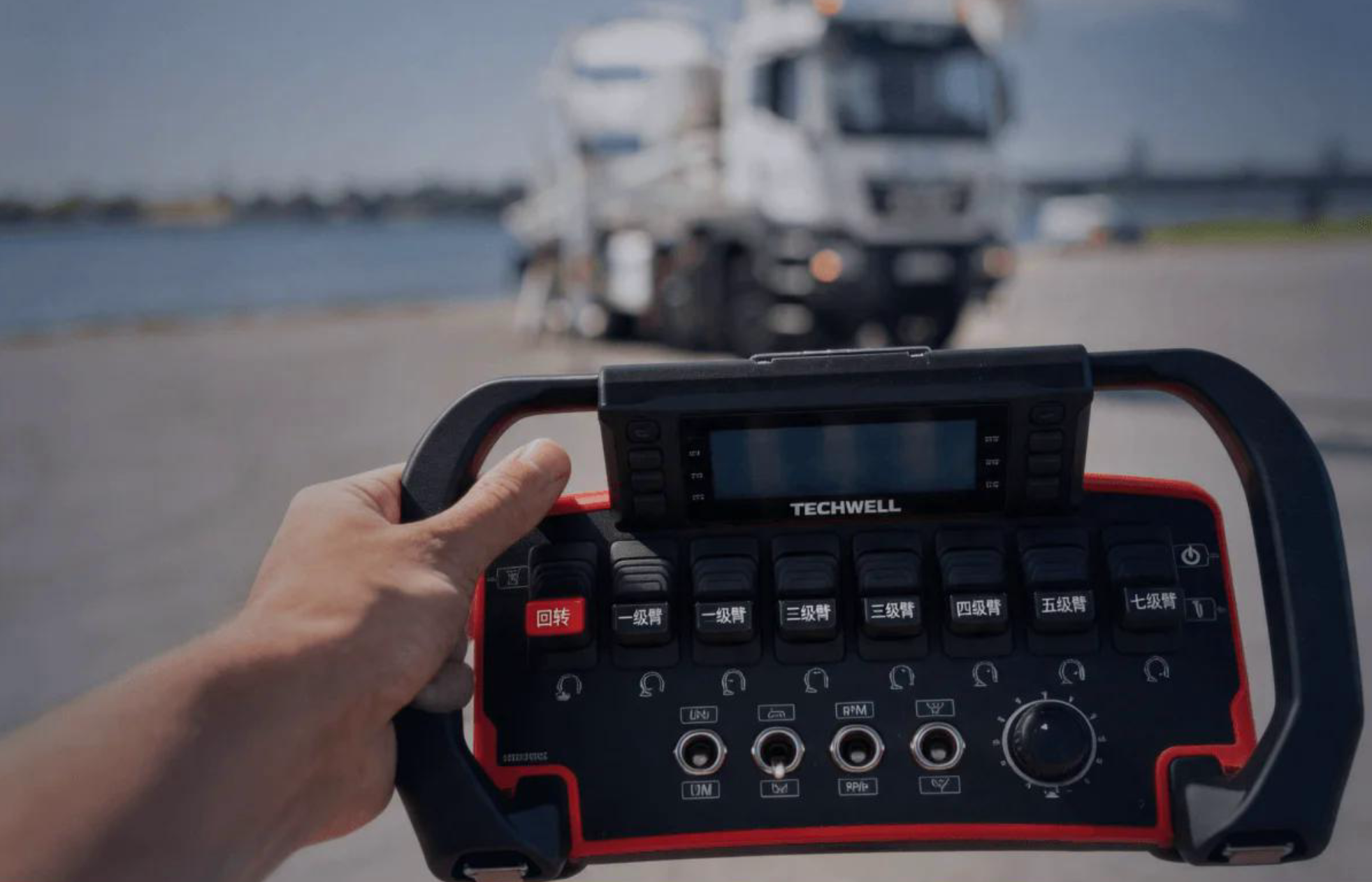
Advanced industrial wireless radio remote controls overcome these severe obstacles through dynamic frequency agility. The smart transmitter continuously monitors the surrounding radio frequency environment. If sudden welding noise corrupts a specific channel, the controller instantly shifts to a clean frequency channel without interrupting the machine’s movement.
This automated, microsecond frequency shifting allows operators to maintain completely smooth proportional control over the machinery. They can precisely adjust hoisting and travel speeds without experiencing dangerous load swing. Consequently, personnel remain well away from dangerous splash zones while retaining total operational oversight.
Scenario 2: Managing Signal Congestion in Assembly Bays
Modern assembly facilities frequently operate dozens of overhead traveling cranes within a single shared building space. In addition to these cranes, plant-wide Wi-Fi networks, automated guided vehicles, and handheld scanners share the surrounding radio airspace. This creates a highly congested radio frequency environment.
In these heavily congested settings, co-channel interference and signal cross-talk pose serious operational risks for plant supervisors. Signal cross-talk between adjacent remote controllers can lead to uncommanded machine movements and catastrophic accidents. Preventing this requires sophisticated digital pairing methods between transmitters and receivers.
Advanced wireless controllers prevent accidental cross-talk by pairing each transmitter to its designated receiver using unique, multi-bit digital security codes. Once paired, every machine receiver only accepts commands encoded with its specific digital key. It actively ignores all other signals in the vicinity.
This distinct digital handshake ensures absolute operational security on the shop floor. Even when twenty cranes operate side by side in a single bay, there is zero risk of uncommanded movement. Operators can focus entirely on their specific lifting tasks without fearing neighboring machinery interference.
Technical Defenses: Hardware and Communication Protocols
Reliable signal management requires both sophisticated software protocols and rugged physical hardware. High-performance industrial systems often utilize automatic frequency-hopping spread spectrum technology. By rapidly switching carrier frequencies dozens of times per second across a broad band, the system successfully avoids continuous carrier noise.
This rapid frequency hopping makes the transmission virtually immune to localized narrowband jamming and ambient electrical interference. Even if a strong burst of electromagnetic noise disrupts one specific frequency, the system immediately jumps to the next clear channel, preserving continuous and flawless command execution.
Physical enclosure design is equally vital in preserving delicate internal signal circuitry. Heavy-duty housings feature certified IP65 ingress protection. This comprehensive sealing shields sensitive radio modules from conductive airborne metallic dust, moisture, and chemical vapors that could otherwise degrade circuit board performance.
Safety architecture forms the final, critical line of defense against severe interference. Certified systems feature active emergency stop functions paired with dual-processor monitoring circuits. If persistent interference compromises signal integrity beyond safety thresholds, the receiver executes an immediate, failsafe machine shutdown automatically.
Custom OEM and ODM Solutions for Specialized Machinery
Every industrial machinery builder designs equipment with highly specific operational profiles. Standard off-the-shelf transmitters frequently fail to provide the exact frequency band support or antenna positioning required. B2B machine builders require tailored hardware solutions that integrate seamlessly into their proprietary electrical architectures.
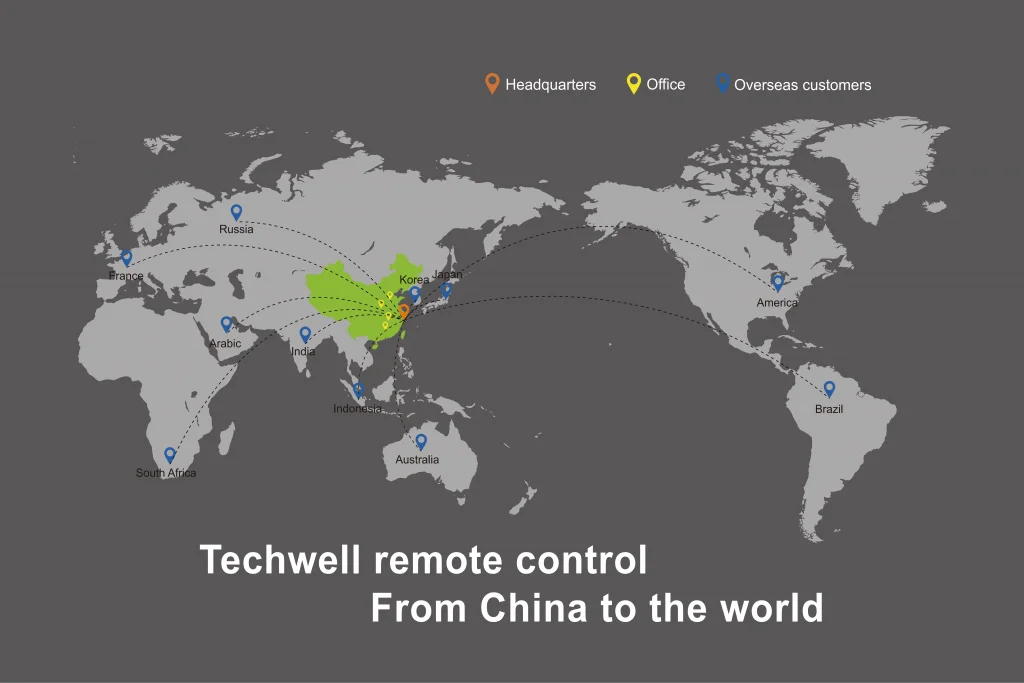
Collaborating with engineering specialists gives equipment builders direct access to complete OEM and ODM capabilities. Dedicated technical teams can customize radio output power levels and implement proprietary communication protocols. These custom engineering services ensure heavy equipment operates reliably across highly diverse global customer sites.
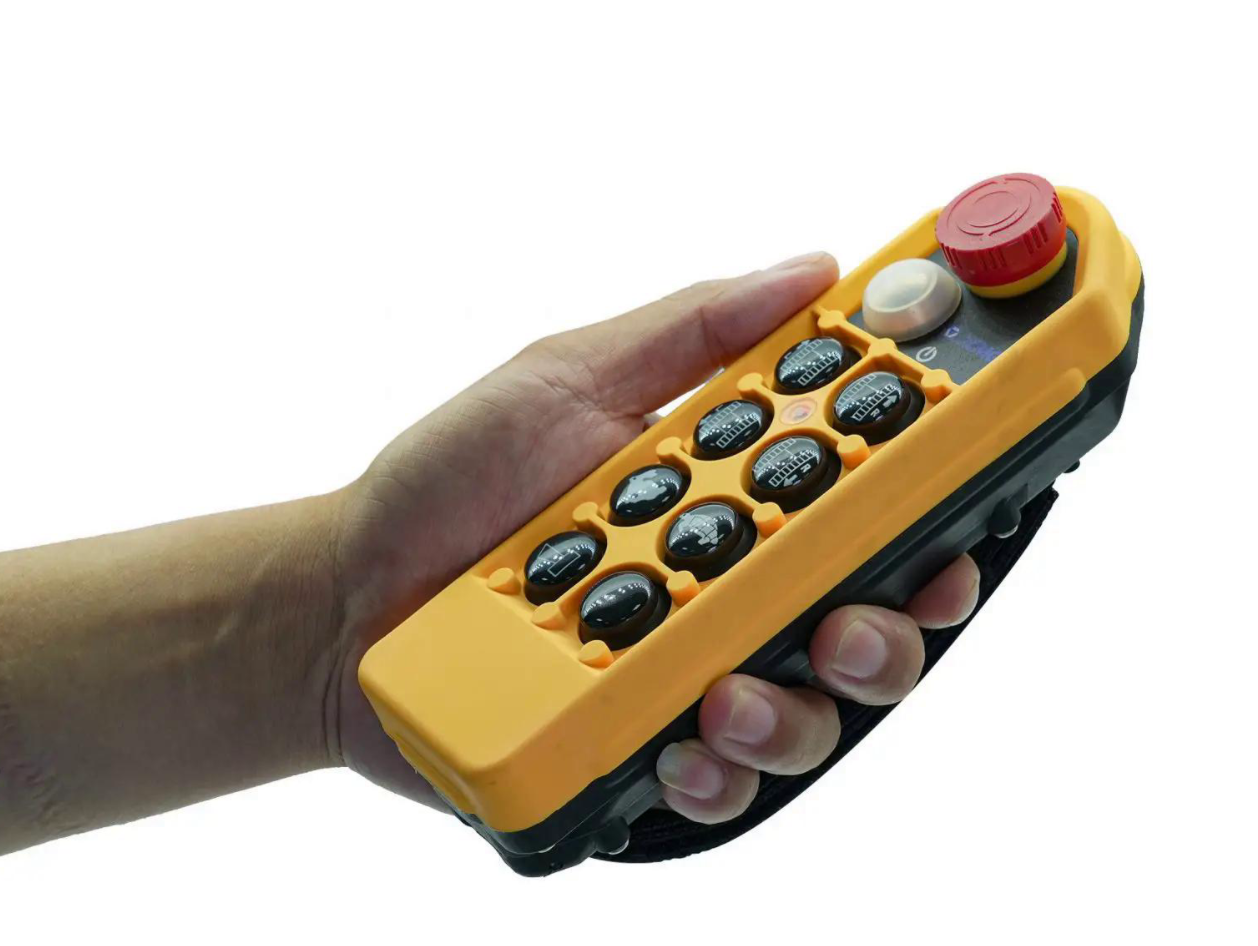
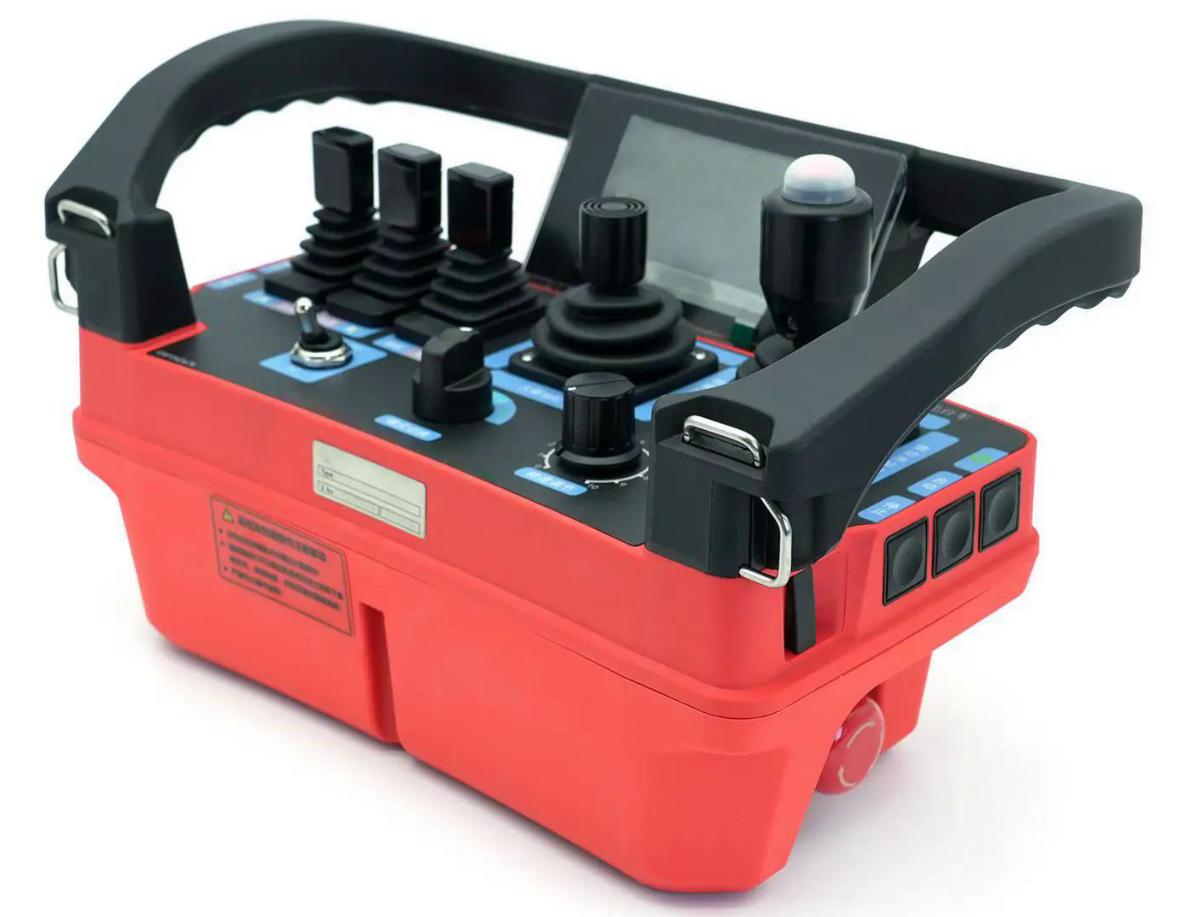
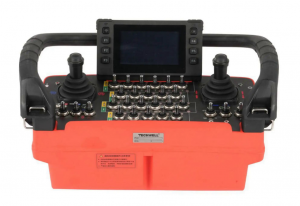
Utilizing a highly customized Techwell Remote Control offers the exact mechanical and software integration that B2B clients demand. Custom receiver relays and ergonomically specialized transmitter faceplates perfectly match the machinery’s unique functions. This tailored approach elevates the overall value of the manufactured heavy equipment.
Building Resilient Industrial Workflows
Managing radio interference remains a crucial operational necessity in today’s increasingly automated industrial landscape. Facilities simply cannot afford unexpected equipment stoppages or safety incidents caused by crowded radio spectrums. Implementing robust wireless solutions empowers companies to achieve precise, continuous machine control globally.
Investing in proven, interference-resistant engineering makes all the difference in severe industrial conditions. Tackling wireless interference with purpose-built industrial technology successfully protects your workforce from harm. It also guarantees smooth, uninterrupted operational workflows, allowing your facility to maintain maximum productivity targets for years.